



By Michael Elijah Muhammad Clare | LOL242
October 31, 2026

Is the world sliding toward World War III? No government has said so. But reporting this month shows US agencies preparing for a major conflict on several fronts at once: bases are being hardened, missile orders have shot up, draft registration is about to change, and continuity-of-government plans are being reworked. Across the Atlantic, Europe is dealing with drones, sabotage and threats it links to Russia. Here is what has been reported and confirmed.
1. The Pentagon’s FORTRESS America plan

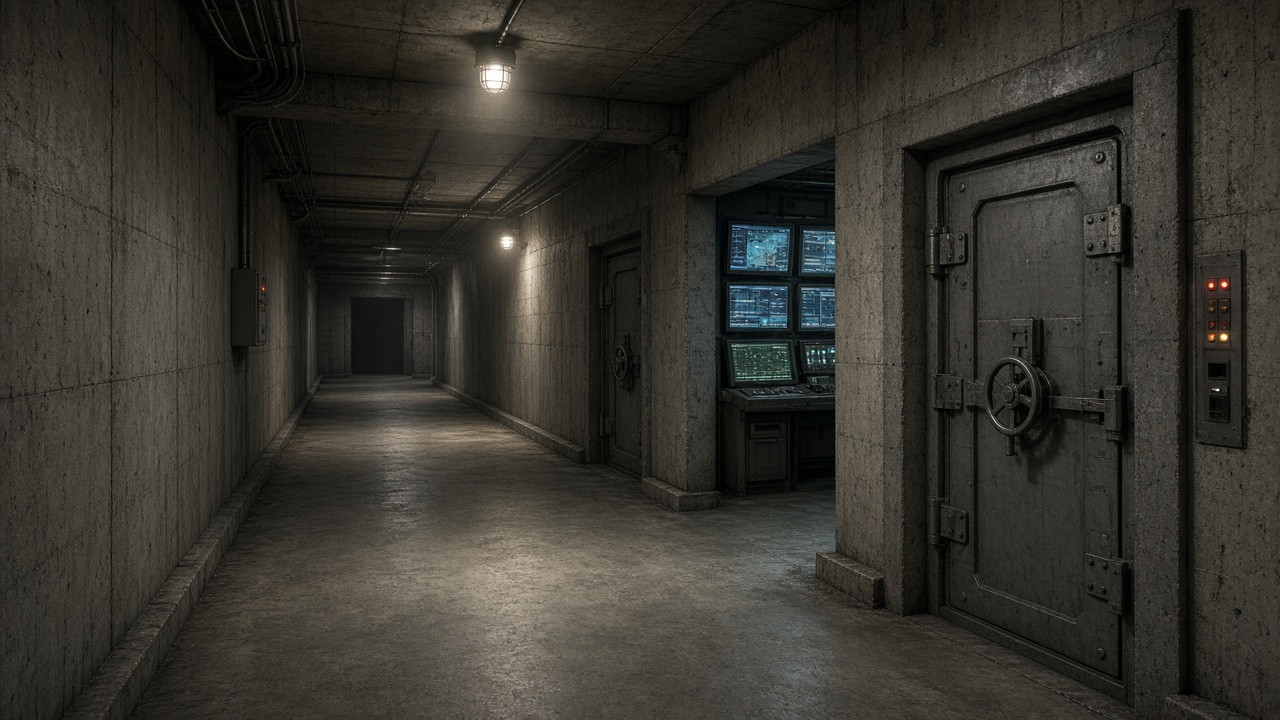
On September 30, 2026, Defense Secretary Pete Hegseth, whose department now calls itself the War Department, gave a “State of the Force” address at Quantico, Virginia, and announced six new initiatives. One of them is FORTRESS America, short for Federal Operations for Resilience, Troop Resources, Energy, Supply and Survivability. According to the US Army’s account of the speech and later reporting by Air & Space Forces Magazine, it has five pillars: energy independence, supply chain and defense industry resilience, a strategic defense reserve, installation hardening and cyber resilience, and resilience in space and spectrum.
DefenseScoop reported that on October 6 the Pentagon’s acquisition chief, Michael Duffey, signed a memo starting work on a FORTRESS America program office. At an October 20 roundtable, a senior defense official said energy work is moving first, including microgrids and battery backup. The official said around 500 bases in the continental US are being assessed and the cost is still being worked out.
Breaking Defense reported that Assistant Secretary of Defense Dale Marks described the plan on stage at a conference in Tampa this month: “We’re mandating a 90-day sovereign stockpile of critical parts, fuels, propellants, ammunitions on site.” He also spoke of underground command-and-control vaults and layered short-range air defenses. The Pentagon wants public-private partnerships to help pay for it.
2. A rush to refill missile stockpiles

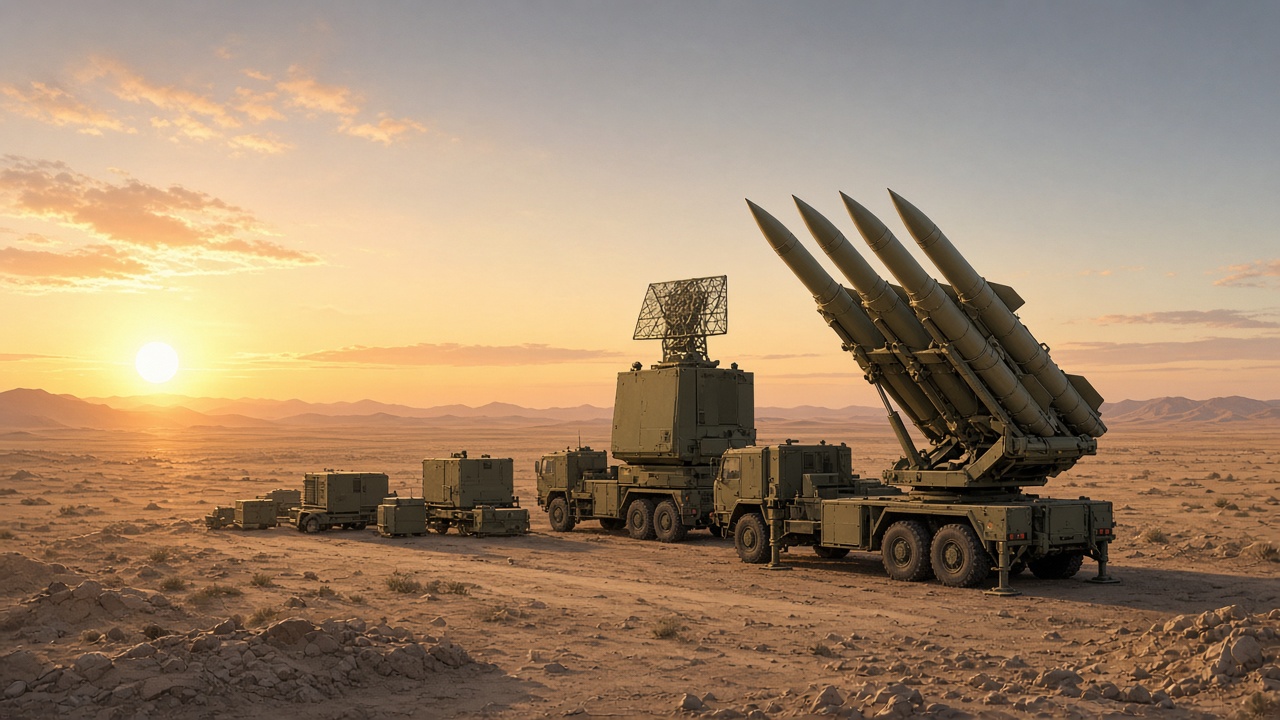
Analysts at CNAS and CSIS say the US used up a large share of its missiles and interceptors in the ongoing conflict with Iran. The Pentagon’s 2027 budget request asks for $49.5 billion across ten key munitions, which CNAS says is more than eight times the average yearly funding from 2016 to 2026.
CSIS reports that requests for Patriot PAC-3 MSE interceptors rose from 341 in 2026 to 3,203 in 2027, THAAD interceptors from 37 to 857, and Tomahawk missiles from 57 to 1,049. On October 19, Defense News reported a framework deal with BAE Systems for up to 25,000 APKWS guidance kits a year, though Congress still has to fund it. Defense One reported that the Army is rethinking its interceptor goals as the Iran war goes on.
The International Institute for Strategic Studies cautions that new money will not speed up deliveries before 2029, because factories first have to finish orders already on the books.
3. The draft: automatic registration is coming


The 2026 National Defense Authorization Act, signed on December 18, 2025, makes Selective Service registration automatic for men aged 18 to 26. The change takes effect one year after the law was signed, and the federal regulatory agenda gives December 19, 2026 as the deadline.
Military.com reported that the Selective Service System sent in its proposed rule on March 30, 2026 and withdrew it on July 23 before it was ever published, so there is still no public plan for how automatic registration will work.
The key point: registration is not a draft. The Selective Service website says plainly that “there is no draft.” Starting one would take action by both Congress and the President, and the US has not drafted anyone since 1973.
4. FEMA, DHS and keeping the government running


FEMA’s Office of National Continuity Programs is responsible for keeping the federal government working through a catastrophe and runs the alert system that sends emergency warnings to phones, radio and TV. In February 2026, The Washington Post reported an internal email warning that continuity work was “significantly constrained” during a partial government shutdown.
A May 2026 final report from the President’s council reviewing FEMA said nation-state threats and cyberattacks “challenge national resilience in ways the United States has not seen in a generation.” The council recommended that FEMA keep direct responsibility for continuity of government. The Hill reported on memos, including one dated October 6, that propose restructuring FEMA and moving its continuity office as part of a national security realignment.
5. State Department warnings for Americans abroad


The State Department has a Worldwide Caution in place, last updated on July 22, 2026, that tells Americans everywhere to “exercise increased caution.” It cites heightened tensions in the Middle East and “the potential for unforeseen escalation,” and warns of flight cancellations and airspace closures.
On October 23, 2026, the department’s advisory list showed Saudi Arabia, Qatar and Oman at Level 3: Reconsider Travel, and Russia at Level 4: Do Not Travel.
6. Crisis meetings behind closed doors


On October 15, 2026, POLITICO Europe reported that NATO allies would hold a crisis meeting of the North Atlantic Council about drone strikes on cargo ships in the Black Sea. Romania’s President Nicușor Dan said two chemical tankers had been hit in or near Romanian waters. POLITICO reported that over ten days, drones had hit at least five more ships near Romania and Bulgaria and killed at least 23 sailors. Dan said it was “too early” to say for sure that Russia was behind the attacks, and that Article 5, NATO’s mutual defense clause, was “not now” being discussed.
On October 12, EU foreign ministers met in the Foreign Affairs Council. The EU’s foreign policy chief, Kaja Kallas, said the bloc would propose an “Emergency Security Protocol” so that member states can consult and act quickly. Euronews reported that the plan would let any EU country call together all 27 governments when it feels threatened, but no legal basis or start date has been agreed. NATO said allies and partners met in Bucharest on October 15 and 16 to discuss Russia’s “hostile hybrid activities,” including sabotage, drone incidents and cyberattacks.
At a joint press conference with Estonia’s Prime Minister on October 14, NATO Secretary General Mark Rutte said the alliance sees “no imminent threat” against NATO.
7. Russia’s threats toward Europe
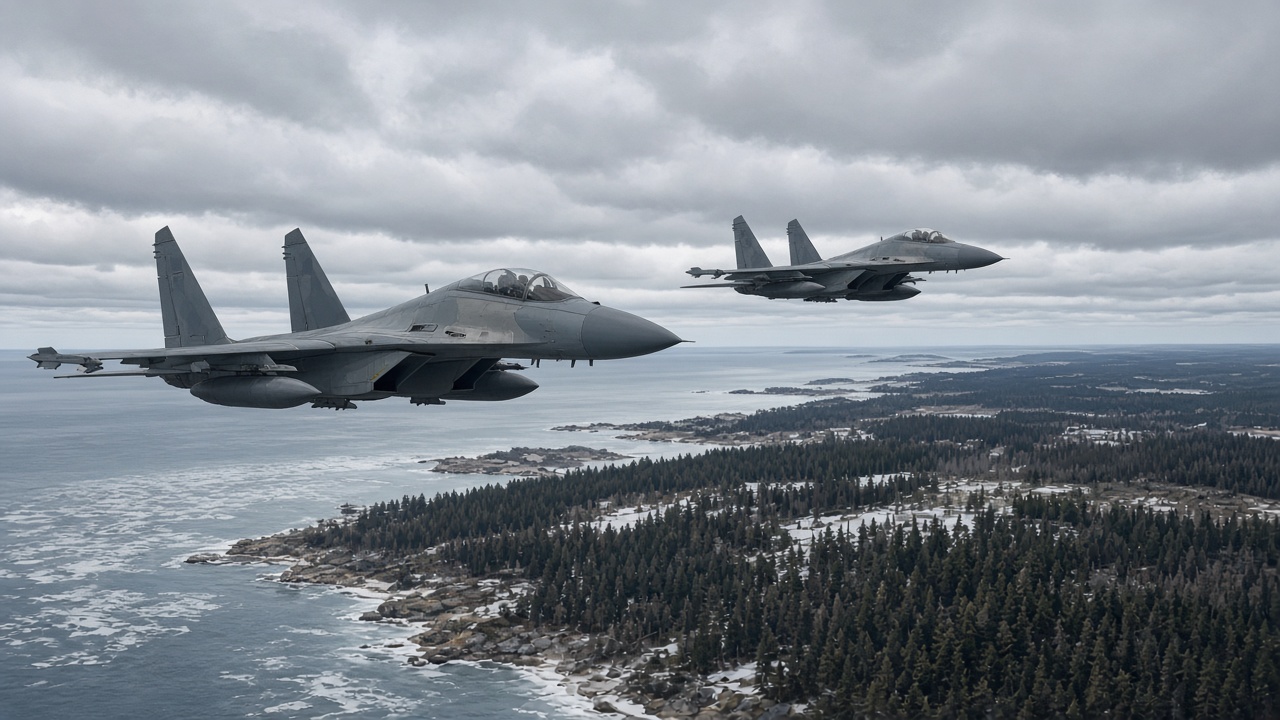

Nuclear rhetoric. On November 19, 2024, President Vladimir Putin signed a new nuclear doctrine. Reuters and the BBC reported that it lowers the threshold for using nuclear weapons. Under it, an attack by a non-nuclear country backed by a nuclear power can be treated as a joint attack on Russia, and a massive air, missile or drone attack can count as grounds for a nuclear response.
Airspace incursions. On September 10, 2025, Poland and its allies shot down Russian drones over Polish territory, the first time a NATO member is known to have fired shots during the Ukraine war. Prime Minister Donald Tusk said it was “the closest we have been to open conflict since World War Two.” Russia denied that it had targeted Poland. On September 19, 2025, Estonia said three Russian MiG-31 jets entered its airspace for 12 minutes. Russia denied this too. Poland and Estonia each asked for NATO Article 4 consultations.
This month. The Center for European Policy Analysis counted at least 17 attacks in the past month on NATO’s frontline states and Moldova, either proven or suspected to be directed by Russia. On October 17, Romanian jets shot down two Russian Geran-4 drones. Lithuania’s defense ministry said NATO jets were scrambled six times between October 12 and 18 over Russian flights near the Baltic states, several of them with transponders off. The European Observatory of Drone Incidents reported more ships hit off Bulgaria on October 28 and 29.
8. How Europe is responding
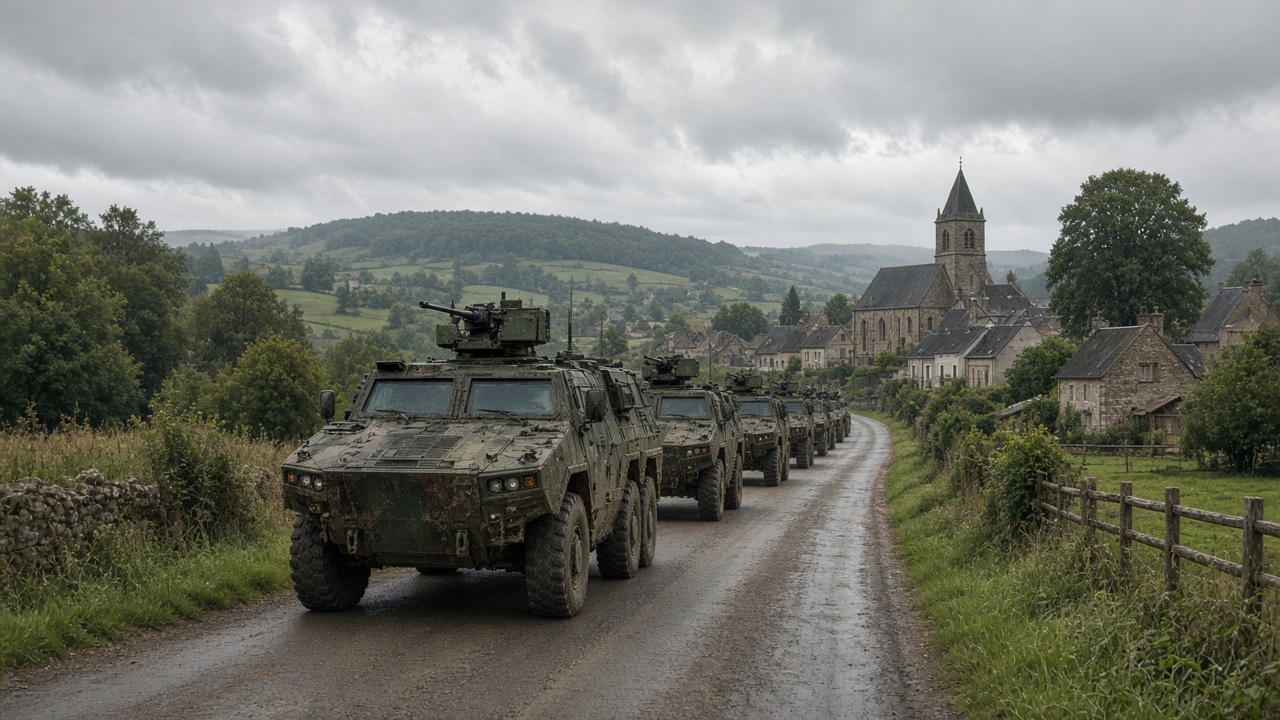

Spending. At the 2025 Hague summit, NATO allies agreed to spend 5% of GDP on defense by 2035: at least 3.5% on core military needs and up to 1.5% on related areas such as infrastructure and civil preparedness. NATO says European allies and Canada raised defense spending by nearly 20% in 2025, and it expects five allies to reach the full 5% in 2026.
Sanctions. On October 12, the EU adopted its largest single expansion of sanctions listings since the war began, covering nearly 1,600 people and entities in Russia’s military industry, and said a 22nd sanctions package is planned.
Deployments and civil defense. Rutte said NATO has increased its counter-drone capabilities along the eastern flank. NATO’s 2026 guidance on resilience asks members to prepare their whole government and society, keep essential services running in a crisis, and bring private companies into crisis planning.
So, how close are we?


No government has said a world war is coming, and NATO says it sees no imminent threat. What the record shows is that agencies on both sides of the Atlantic are preparing as if the risk is real. Bases are being hardened to run on their own, missile orders are climbing, draft registration is about to become automatic, and Europe is spending, sanctioning and drilling at a pace not seen in decades.
That leaves a question for each reader to think about: Are we the last generation of humans on Earth before we destroy ourselves in nuclear war? Nobody can answer that today. The choices leaders make in the months ahead will help decide it.
Sources
- US Army: Hegseth delivers State of the Force address: https://www.army.mil/article/295897/hegseth_delivers_state_of_the_force_address_outlines_series_of_new_initiatives
- DefenseScoop: Pentagon memo on FORTRESS America program office (Oct 7, 2026): https://defensescoop.com/2026/10/07/pentagon-memo-operationalize-fortress-america-program-office/
- Air & Space Forces Magazine: Pentagon starting with resilient energy for FORTRESS America: https://www.airandspaceforces.com/pentagon-resilient-energy-fortress-america-project/
- Breaking Defense: Public-private partnerships for FORTRESS America: https://breakingdefense.com/2026/10/pentagon-eyes-public-private-partnerships-to-help-fund-fortress-america-homeland-base-plan/
- CNAS: Munitions procurement and the FY2027 defense budget: https://www.cnas.org/publications/reports/munitions-procurement-and-the-fiscal-year-2027-defense-budget
- CSIS: How quickly can DOD rebuild the munitions industrial base?: https://www.csis.org/analysis/how-quickly-can-dod-rebuild-and-recast-munitions-industrial-base
- Defense News: Pentagon, BAE APKWS deal (Oct 19, 2026): https://www.defensenews.com/pentagon/2026/10/19/pentagon-bae-sign-deal-for-up-to-25000-precision-guided-munition-kits-a-year/
- Defense One: Army re-evaluating munitions goals: https://www.defenseone.com/defense-systems/2026/10/army-munitions-procurement-iran/416567/
- IISS: The Iran war and the depletion of the US munitions arsenal: https://www.iiss.org/globalassets/media-library—content–migration/files/publications/strategic-comments-delta/2026/10/iiss_strategic-comments_the-iran-war-and-the-depletion-of-the-us-munitions-arsenal.pdf
- US Code, 50 U.S.C. 3802 (automatic registration): https://uscode.house.gov/us/usc/119-136/t50/s3802/
- Military.com: Automatic draft registration rule withdrawn: https://www.military.com/automatic-military-draft-registration-questions-arise-following-federal-rule-withdrawal
- Selective Service System: https://www.sss.gov/
- FEMA: Office of National Continuity Programs: https://www.fema.gov/about/offices/continuity
- The Washington Post: FEMA national security role constrained by shutdown: https://www.washingtonpost.com/climate-environment/2026/02/23/fema-continuity-shutdown-national-security/
- DHS: FEMA Review Council final report: https://www.dhs.gov/sites/default/files/2026-05/26_0507_fema%20review%20council_final%20report.pdf
- The Hill: Trump admin eyes FEMA restructuring: https://thehill.com/policy/energy-environment/6158619-trump-fema-reforms/
- US State Department: Worldwide Caution: https://travel.state.gov/en/international-travel/travel-advisories/global-events/worldwide-caution.html
- US State Department: Travel Advisories: https://travel.state.gov/en/international-travel/travel-advisories.html
- POLITICO Europe: NATO allies to meet over Black Sea drone attacks: https://www.politico.eu/article/nato-black-sea-drone-attack-ship-meet/
- Council of the EU: Foreign Affairs Council, Oct 12, 2026: https://www.consilium.europa.eu/en/meetings/fac/2026/10/12/
- Euronews: Can a European Security Council help?: https://www.euronews.com/2026/10/15/can-a-european-security-council-help-the-eu-fight-russias-hybrid-attacks
- NATO: Bucharest Hybrid Symposium: https://www.nato.int/en/news-and-events/articles/news/2026/10/19/nato-allies-and-partners-meet-in-bucharest-to-strengthen-response-to-russias-hybrid-activities
- NATO: Joint press conference with Estonia's Prime Minister: https://www.nato.int/en/news-and-events/events/transcripts/2026/10/14/joint-press-conference-with-nato-secretary-general-and-the-prime-minister-of-estonia
- Reuters: Putin issues warning with new nuclear doctrine: https://www.reuters.com/world/europe/putin-issues-warning-us-with-new-nuclear-doctrine-2024-11-19/
- BBC: Putin approves changes to nuclear doctrine: https://www.bbc.com/news/articles/cj4v0rey0jzo
- Reuters: Poland downs drones in its airspace: https://www.reuters.com/business/aerospace-defense/poland-downs-drones-its-airspace-becoming-first-nato-member-fire-during-war-2025-09-10/
- Reuters: Russian jets enter Estonia's airspace: https://www.reuters.com/business/aerospace-defense/nato-member-estonia-says-three-russian-jets-violated-its-airspace-2025-09-19/
- Estonian Government: Article 4 request: https://valitsus.ee/en/news/estonian-government-request-nato-article-4-consultations
- CEPA: Russian strikes rise across NATO's eastern flank: https://cepa.org/article/russian-strikes-rise-across-natos-eastern-flank/
- Lithuanian Ministry of Defence: Interceptions Oct 12-18, 2026: https://kam.lt/en/data-on-interceptions-of-aircraft-completed-near-the-baltic-states-borders-on-october-12-18-2026/
- European Observatory of Drone Incidents: 2026: https://droneobservatory.eu/en/incidents/2026
- NATO: Defence investment and the 5% commitment: https://www.nato.int/en/what-we-do/introduction-to-nato/defence-expenditures-and-natos-5-commitment
- NATO: Defence expenditure 2026: https://www.nato.int/content/dam/nato/webready/documents/finance/def-exp-2026-en.pdf
- NATO: Seven baseline requirements for resilience: https://www.nato.int/content/dam/nato/webready/documents/publications-and-reports/20260918_brochure-requirements-resilience2026-en.pdf
Related stories

My husband has cancer: a wife’s four-part letter that ends with Johnny
A wife says her husband's eight-year cancer fight has broken his faith, and now…

Bahamas Evening News: Saturday, October 31, 2026
Rough seas but no storm for The Bahamas, Rick Fox enters the FNM race,…

Bahamas News Today: Saturday, October 31, 2026
Tropical Storm Imelda heads for the northwestern Bahamas with schools and government offices closed…

Join the conversation
No comments yet. Be the first.