If you never believed in God before, now is the time.
If you never believed in God before, now is the time. Because even worse is to come, according to the Bible. ( Armageddon )

Bahamian news, stories and drama
If you never believed in God before, now is the time. Because even worse is to come, according to the Bible. ( Armageddon )
BAHAMA DRAMA EXCLUSIVE: WORLD ON FIRE
IRAN WAR DAY 5, AND IT’S GETTING WILD!
By: Michael Elijah Muhammad Clare
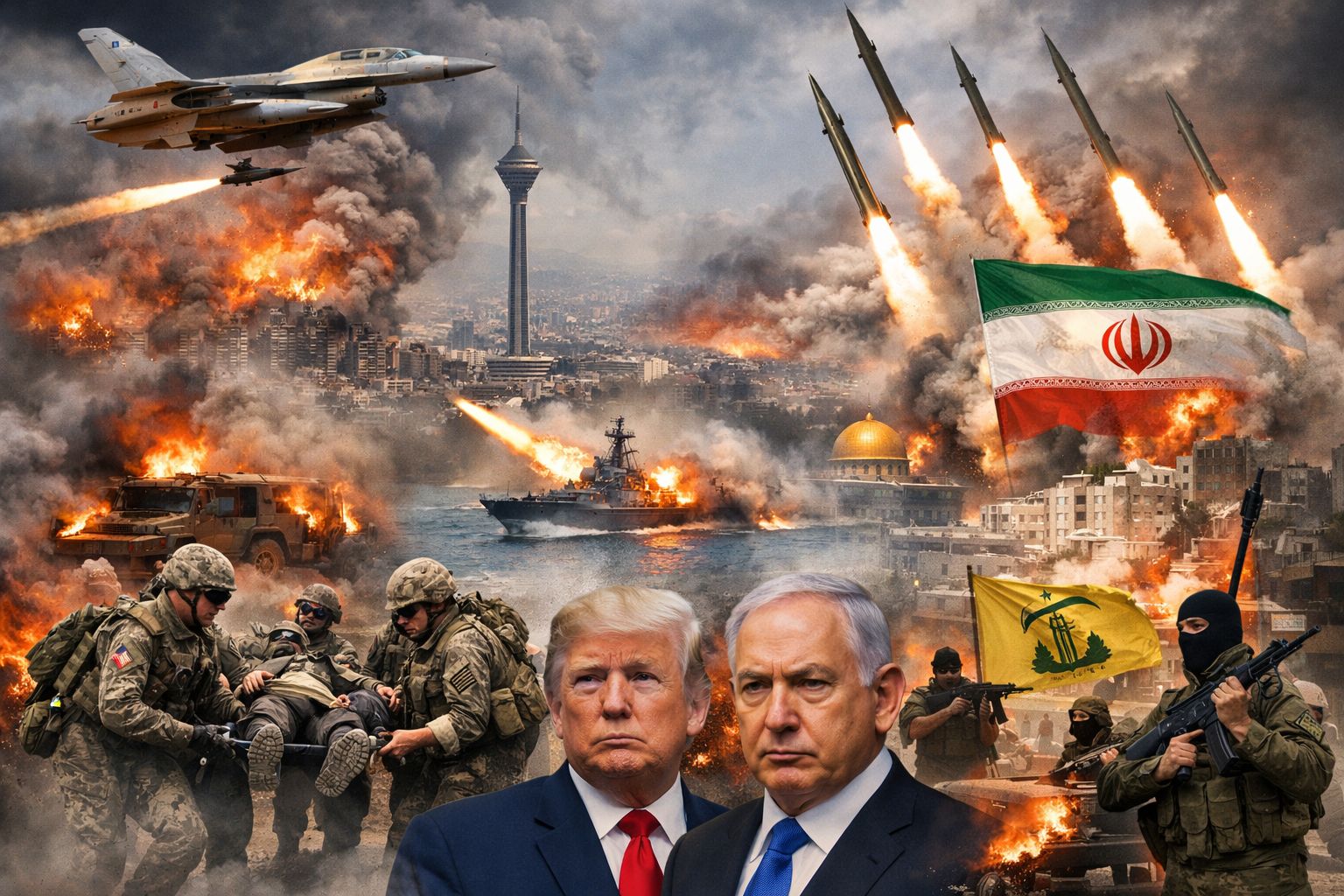
While we relaxing on the beach, the Middle East is facing intense conflict. The United States and Israel have launched major strikes on Tehran, lighting up the night sky as explosions rock the capital.
Targets reportedly included a state television facility and historic sites, drawing international concern. Iran responded by threatening to shut down the Strait of Hormuz, a critical global oil route, raising fears of surging fuel prices worldwide.
Missile exchanges continue across the region. A U.S. base in Qatar was hit, Saudi Arabia intercepted drones, and areas in Tel Aviv have suffered heavy damage. Civilians on all sides are dealing with destruction and loss.
Former President Donald Trump stated the campaign was achieving its objectives, suggesting the conflict could last weeks or longer. Reports confirm U.S. casualties, while Iranian officials claim hundreds of deaths, including civilians.
Hezbollah has entered the conflict from Lebanon, prompting further Israeli strikes. No ceasefire appears imminent. Oil prices are rising, global markets are reacting, and tensions remain high.
The world is watching closely.
What are your thoughts? Should The Bahamas remain neutral, or send Troops? Share your views below.
Bahama Drama — where global headlines meet island perspective.
Pete ” WE DIDN’T START THIS WAR, BUT WE’RE GOING TO FINISH IT! “
In the last days, the Most High will send His angels to separate the sheep from the goats across the world…
National Address from the Prime Minister of the Bahamas.
Hon. Phillip Edward Davis
Phillip Davis serves as the 5th Prime Minister of the Bahamas in history.
https://www.facebook.com/share/v/1842K68QLF/?mibextid=wwXIfr
WITH MORE THAN 50% OF AMERICANS APPROVING THIS WAR
March 3, 2026
WAR IN THE MIDDLE EAST: US, ISRAEL, AND IRAN CONFLICT ERUPTS INTO FULL‑SCALE WAR
By: Michael Elijah Muhammad Clare
The Middle East is engulfed in a major war involving the United States, Israel, and Iran that erupted late February 2026 and has rapidly expanded across the region. Coordinated military strikes by the United States and Israel began on February 28, with both nations launching hundreds of bombs and missiles into Iranian territory in a pre‑emptive campaign aimed at Iran’s military infrastructure, nuclear facilities, and leadership.
Iran’s Supreme Leader, Ayatollah Ali Khamenei, was killed in the opening wave of the offensive. Senior Iranian commanders and government figures were also killed in the initial attacks, leading Tehran to declare a heightened state of conflict and launch widespread retaliatory strikes throughout the Middle East.
Iran has responded by firing missiles and drones at Israeli cities, including Tel Aviv, and at U.S. military bases in Gulf states. Missile barrages and drone swarms have been launched at military and civilian targets across the region in retaliation. Iranian forces have expanded attacks into the United Arab Emirates, Saudi Arabia, Kuwait, Qatar, Bahrain, and other Gulf nations, prompting evacuations and emergency responses from multiple countries.
The death toll from the conflict has risen sharply. Iranian authorities and international observers report hundreds of deaths within Iran, while Israeli officials confirm fatalities from incoming Iranian attacks. At least six U.S. service members have died in the fighting, and additional casualties have resulted from regional clashes. Civilians in several countries have also been killed or wounded as violence spreads across national borders.
The war has triggered a severe disruption in global energy markets. The Strait of Hormuz, a critical shipping chokepoint for world oil supply, has effectively been closed as Iran threatens to attack any vessels attempting passage. Tanker traffic has sharply declined, and crude oil prices have surged, causing impacts on fuel costs and global economic forecasts.
In Lebanon, heavy Israeli airstrikes have hit positions held by Hezbollah as that group increases its attacks on northern Israel. The conflict has widened into a multi‑front military crisis involving non‑state fighters, proxy groups, and neighboring states. Nations throughout the Middle East have condemned the violence and called for de‑escalation, while some Gulf states have suffered direct attacks on infrastructure and population centers.
Global reactions to the war are mixed. Western allies of the United States and Israel have offered support or expressed concern over further escalation. Many nations in the Global South have condemned the joint U.S. and Israeli military offensive as aggressive and destabilizing, citing the lack of diplomatic resolution and civilian casualties as grounds for international criticism.
President Donald Trump and Israeli leadership have indicated that the operations could last several weeks, with Trump asserting that Iran’s military capabilities have been significantly weakened. Despite these claims, Iran continues to launch counterattacks and show no sign of surrender, with regional tensions escalating and diplomatic avenues largely overshadowed by military engagements.
As of early March 2026, the conflict shows no immediate signs of abating, and world leaders continue to grapple with the humanitarian, economic, and geopolitical fallout from one of the largest confrontations in the Middle East in decades.
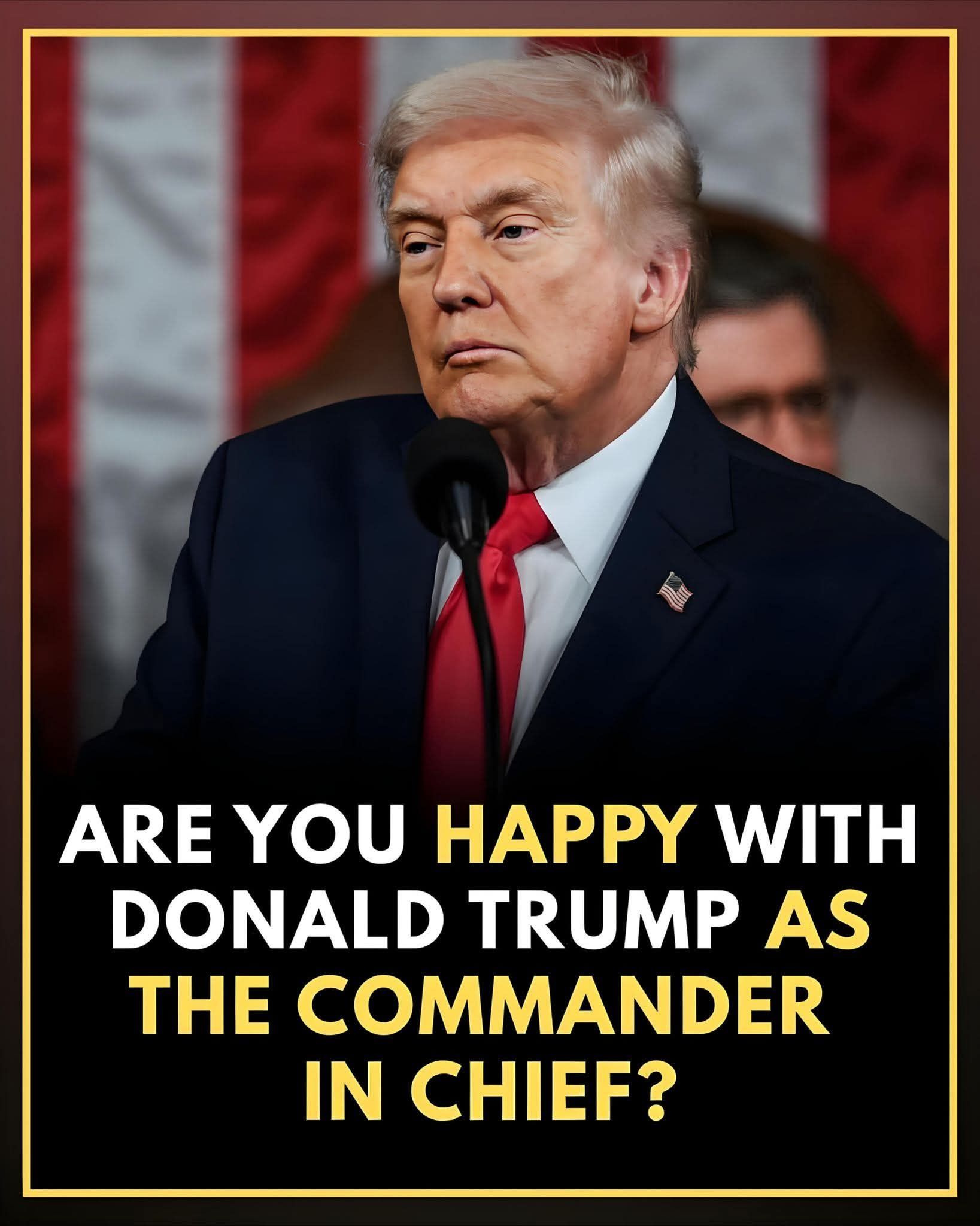
What’s your view on Donald Trump’s leadership as Commander in Chief?
Do you believe his time in office has had a greater impact on America than that of other presidents?
Keep in mind that President Donald J Trump also nationalized public prayer in America again!
Share your perspective below.
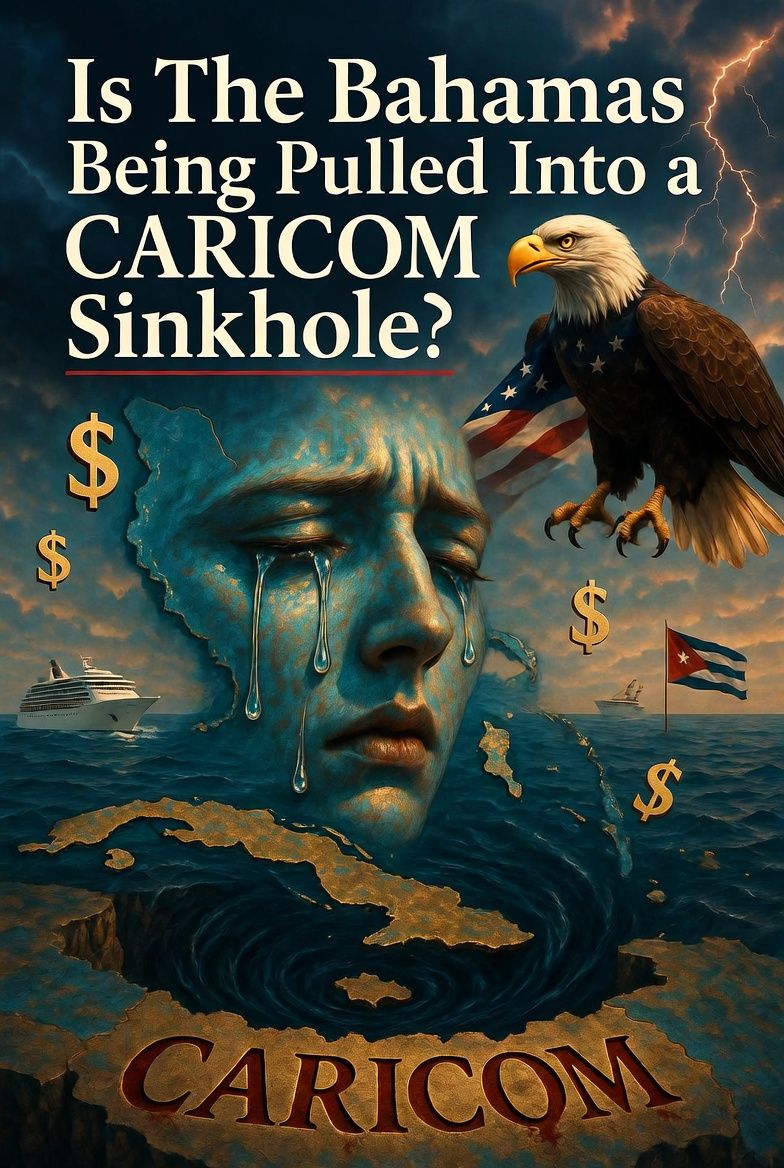
Is The Bahamas Being Pulled Into a CARICOM Sinkhole?
By: Michael Elijah Muhammad Clare
When the Hon. Philip Edward Davis announced that The Bahamas would provide aid to Cuba following a collective vote by the Caribbean Community (CARICOM), reactions across the region were immediate and divided.
Some praised Caribbean solidarity. Others saw something more strategic and potentially more dangerous.
Because this is not just about aid.
It is about alignment.
For decades, CARICOM has attempted to present itself as a unified regional bloc capable of speaking with one voice on international matters. From climate reparations demands directed at industrialized nations to diplomatic balancing acts involving Venezuela, Haiti, and Cuba, the organization has increasingly positioned itself as a moral force in global politics.
But moral force is not the same as geopolitical power.
A History of Tension
The relationship between CARICOM and Washington has not always been smooth. Disagreements have surfaced over sanctions on Venezuela, migration policy, trade leverage, and regional security cooperation. At times, Caribbean leaders have signaled independence from U.S. pressure, diplomatically worded, but unmistakable.
With Donald Trump once again shaping American foreign policy, the tone of Western Hemisphere diplomacy has sharpened. The United States remains the dominant economic and military power in the region. It controls major trade access, banking channels, tourism pipelines, cruise traffic, and security partnerships that Caribbean economies depend on daily.
The reality is simple: the Caribbean basin exists within America’s sphere of influence.
So when CARICOM collectively takes positions that appear to challenge Washington, even symbolically, the implications are not theoretical. They are economic.
Is CARICOM a Superpower?
Some Caribbean citizens are asking whether a united CARICOM could be considered a superpower in its own right.
The honest answer is no.
The combined population and GDP of CARICOM member states, while significant regionally, do not compare to the economic and military weight of the United States. There is no Caribbean aircraft carrier fleet. There is no trillion-dollar defense budget.
CARICOM’s strength lies elsewhere.
Its influence comes from diplomatic unity, strategic geography, voting blocs at international forums, and moral positioning on global issues. When united, it can amplify its voice. But unity alone does not shield individual nations from economic retaliation or policy consequences.
Solidarity has power.
But it also has limits.
The Venezuela Flashpoint
The last major test of regional alignment came amid tensions involving Nicolás Maduro. While Washington intensified pressure on Caracas, several Caribbean nations adopted more cautious tones, balancing sovereignty with economic realities such as energy supply arrangements.
To critics in the United States, that looked like defiance.
To supporters in the Caribbean, it looked like independence.
But independence without leverage is a delicate position.
Cuba and Symbolism
Aid to Cuba carries symbolic weight. Havana has long been central to U.S. foreign policy debates. When CARICOM collectively supports Cuba, it sends a signal: the Caribbean will not be dictated to.
Yet symbolism does not change economic math.
The Bahamas relies heavily on U.S. tourism, investment, banking relationships, and security cooperation. Any deterioration in that relationship would have immediate consequences. Cruise ships do not reroute based on regional speeches, but policies can shift quickly when geopolitical tensions rise.
Strategy or Theater?
The deeper concern for many citizens is whether CARICOM’s posturing is strategic leverage or political theater.
Is the region strengthening its negotiating position through unity?
Or is it overestimating its bargaining power against a global superpower?
Caribbean nations have every right to pursue independent foreign policy. Sovereignty is not optional; it is fundamental. But sovereignty must be paired with strategic realism.
In geopolitics, small states survive by balancing, not by charging headfirst into contests of raw power.
The question now facing The Bahamas is whether collective decisions are being made with full consideration of long-term consequences. Regional solidarity is admirable. But economic survival is non-negotiable.
The Caribbean does not need confrontation.
It needs calculated influence.
Because in global politics, sinkholes rarely appear suddenly. They form slowly, when emotion overrides strategy, and symbolism outpaces strength.
The real issue is not whether CARICOM can compete with the United States.
It is whether it fully understands the stakes when it tries.
Page Reply:
We’re praying for Cuba and that is all we can do right now…