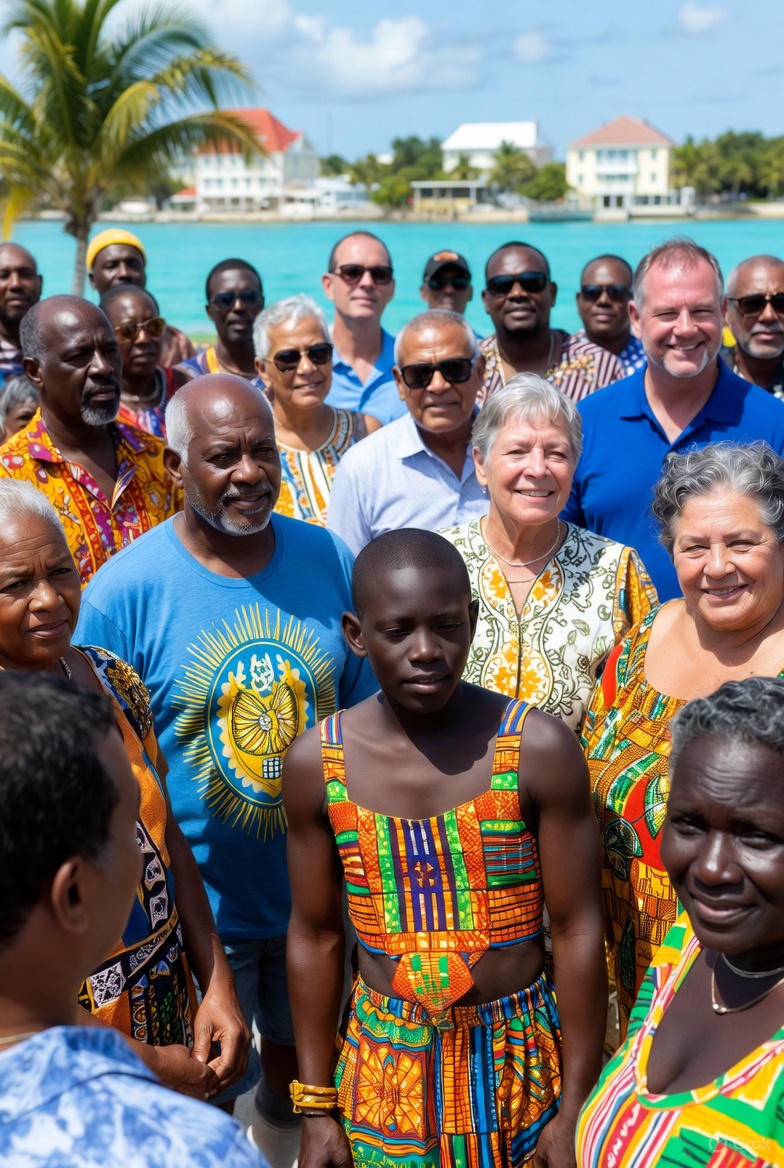
Surname Hepburn
Surname Hepburn
A True Bahamian Story with Ears That Hear the Weather
By: Michael Clare
Everything in the records is plain fact:
Old Scottish border name, from the lands of Hepburn in East Lothian. Means “high hill by the river.” Carried by reivers and Presbyterian ministers alike. Shows up in the Bahamas in the 1780s with the great Loyalist scattering mostly from the Carolinas and Georgia, some straight from Glasgow and Edinburgh who had settled the short-lived colony on Cat Island in the 1730s.
Hepburns received grants on Cat Island, Exuma, Eleuthera, and New Providence. A James Hepburn of Beaufort District, South Carolina, took 300 acres at Old Bight, Cat Island in 1787. Another branch, the “Black Hepburns,” appear in the 1838 Emancipation registers on the same island, men and women born in Africa who carried the name of the last plantation they knew.
They farmed cotton, then salt, then tomatoes when the Americans came looking. After freedom the name spread south to Acklins and north to Grand Bahama like wind across the banks.
Today it is one of the most widespread Bahamian surnames outside Nassau. You’ll find Hepburns raking salt on Inagua, teaching school on Mayaguana, running bone-fish skiffs on Acklins, or preaching in little wooden churches from Bimini to Matthew Town.
That is what the Deed Books, the Slave Registers, and the current phone directory will tell you without blinking.
But every Hepburn child, whether their skin is paper-pale Scottish or deep Congo black, grows up hearing the same soft warning:
“Hepburn ears don’t just hear music. Sometimes they hear the weather coming.”
Outsiders call it island instinct. Family calls it by its right name.
The gift comes down two separate rivers that joined in these islands.
From the old Scottish side comes the “wind-listening.” A Hepburn can stand on a hill at dusk, cock their head a certain way, and tell you exactly when the norther will hit, how hard, and whether it will bring rain or just cold. Old plantation journals on Cat Island (still yellowing in family Bibles) speak of a Mistress Elspeth Hepburn in the 1790s who sent every hand indoors two full hours before the 1804 hurricane struck, because “the wind was singing the wrong song in her ears.”
From the African side (mostly Kongo, some Igbo and Yoruba who came through Cuba and Jamaica) comes the “thunder-speaking.” Certain Hepburns can hear the ancestors riding inside the thunderheads, telling them which way the storm will turn. Elders in Old Bight still swear by Miss Bena Hepburn who, during the 1929 hurricane, walked out on the porch at midnight, listened for ten silent seconds, then told the settlement, “Pack the children high; the water coming from the east, not the north.” The surge came exactly as she heard it.
When the bloodlines crossed, first by force in the slave quarters, later by choice in the little churches, the two gifts braided tighter than six-strand sennit. A Hepburn today might wake in the night, sit straight up in bed, and say, “Get the boat up on the hill by morning,” and nobody argues, because they know the ears have already heard tomorrow.
Outsiders never quite catch it. They just notice that when a Hepburn tilts their head on a calm evening and says, “We staying home tomorrow,” every skiff on the island gets hauled by sunrise.
Hepburns keep the gift the way other families keep a good conch horn: you don’t charge for the warning, you don’t question the hearing, and you never ignore a Hepburn who says the sky is lying to everybody else.
So the name stays exactly what the old Scottish charters and Bahamian land grants say it is: a border clan’s surname carried across by exiles, then carried forward by the people who learned to read the sky better than any almanac.
Only the family knows the deeper truth, that when a Hepburn goes quiet and listens to a breeze that hasn’t even reached the casuarinas yet, something older than clans and older than chains is still speaking through the wind, something that crossed oceans twice and decided these islands were worth warning.
And every person who carries the name today walks these cnots and ridges a little lighter, because they know the weather itself has kin watching out for them.
Because Hepburn isn’t just a surname.
It’s the quiet certainty that somewhere in the blood, the storm still remembers who to spare.
Surname Daxon
Surname Daxon
A True Bahamian Story with Eyes That See Through Water
By: Michael Clare
Everything in the records is plain fact:
Old English surname, from “Dacc’s son” – Dacc being a forgotten Anglo-Saxon first name that meant “day” or “dawn”. Shows up in Norfolk and Suffolk church rolls before the Norman Conquest. By the 1700s it had drifted into the West Country ports of Devon and Dorset, carried by fishermen and privateers.
Came to the Bahamas with the post-Revolution Loyalists, mostly from the Carolina Lowcountry and Georgia Sea Islands. Daxons appear on the 1788–1790 land petitions in Abaco, Harbour Island, Spanish Wells, and the Berry Islands. A William Daxon from Beaufort, South Carolina, received 140 acres on Great Guana Cay in 1789. Another branch, mixed with Gullah-speakers who took the name after freedom, shows up on the 1834 Emancipation registers in Current, Eleuthera.
They fished, they wrecked, they ran crawfish traps when crawfish became money. After 1838 the name spread fast among the freed communities of the northern cays because Daxon men were known as some of the best boat handlers in the colony.
Today it’s thick on the ground in Spanish Wells, Russell Island, Man-O-War Cay, Cherokee Sound, and Marsh Harbour. You’ll still find more Daxons per square mile in the settlement of The Bluff on Eleuthera than almost anywhere else on earth.
That’s what the Crown grants, the baptism rolls, and the voter lists will tell you straight.
But every Daxon child, pale as conch pearl or dark as burnt copper, grows up hearing the same low-voiced family truth:
“Daxon eyes don’t just look. Sometimes they see clean through the water.”
Outsiders call it fisherman’s luck. Family knows it’s older than that.
The gift runs down both sides of the tree like two currents meeting in a cut.
From the old English-Dorset side comes the “far-seeing”. On a glassy-calm morning a Daxon can stand in the bow of a skiff and spot a single crawfish tail flicking under a ledge thirty feet down, clear as if it were lying on a plate. Old wreckers’ logs from the 1840s (still kept in cedar boxes in Spanish Wells) tell of Captain Amos Daxon who could read the colour change in water so exact he brought the brig Rebecca off the Devil’s Backbone in 1859 with not one soul lost and the cargo of Madeira still dry.
From the African side (mostly Gullah-Geechee with Igbo and Mende roots) comes the “night-seeing”. When the moon is gone and the sea turns black-glass, certain Daxons can still thread a channel between coral heads they swear glow faint green just for them. Grandmothers in The Bluff still talk about Miss Virgie Daxon in the 1940s who guided the mailboat Windward through the Northeast Providence Channel in a pitch-black squall when the compass spun wild, steering only by “the little lights under the water that only Daxon eyes can catch.”
When the bloodlines mixed in the 1790s and again after freedom, the two sights braided together and sharpened. A Daxon today might stand on the government dock at dawn, look across fifty feet of harbour, and call out exactly how many lobsters are in your trap before you even haul it.
Outsiders just think Daxons are born lucky with the sea. They don’t see the quiet moment when an old Daxon man rests his hand on a young boy’s head out by the lighthouse and passes the sight the way other people pass a watch.
Daxons keep the gift the way other families keep a good dinghy: you don’t sell it, you don’t explain it to tourists, and you never let a boat leave the dock with a Daxon aboard who can’t yet see what needs to be seen.
So the name stays exactly what the old English rolls and the Bahamian deed books say it is: a Devon fisherman’s surname carried across by Loyalists, then carried deeper into the cays by the people who learned the reefs better than anyone alive.
Only the family knows the older truth, that when a Daxon stares out over the water and goes quiet for a second too long, something older than England and older than the Middle Passage is looking back up through the blue, recognising its own.
And every person who carries the name today, whether their eyes are winter-sea grey or black as wet sand, walks to the water’s edge a little different.
Because Daxon isn’t just a surname.
It’s the quiet certainty that somewhere in the blood, the sea still remembers who it belongs to…
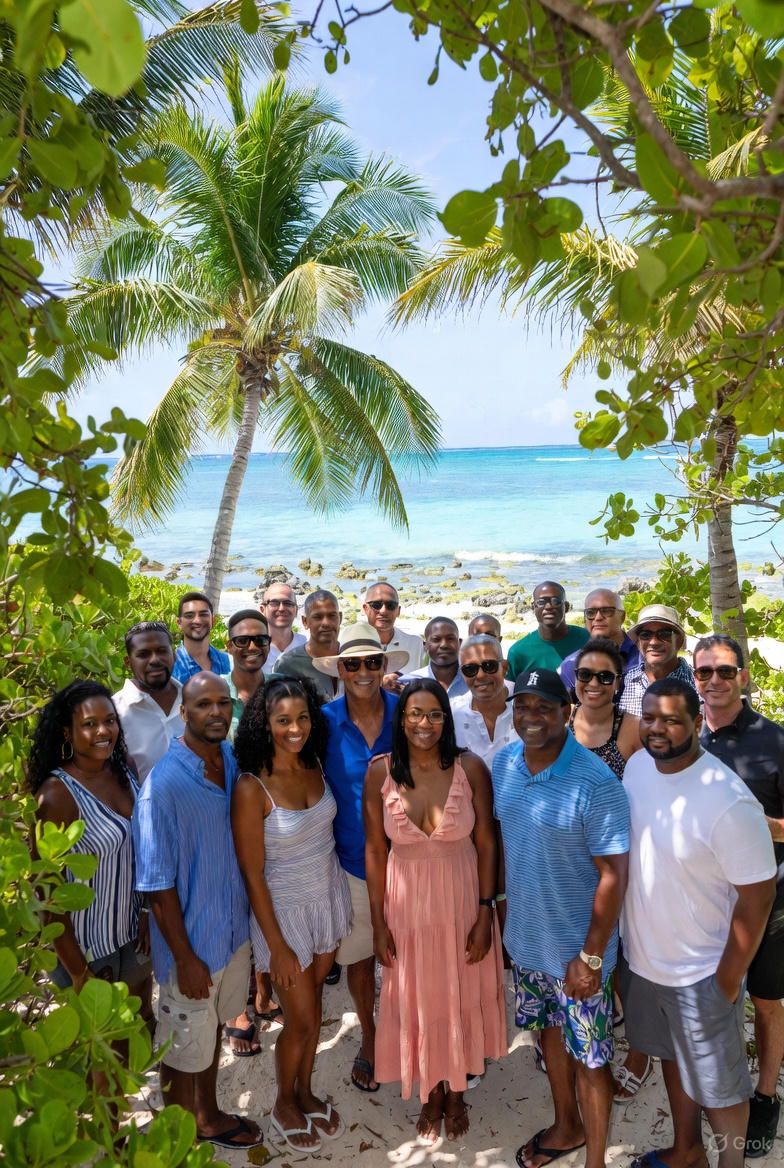
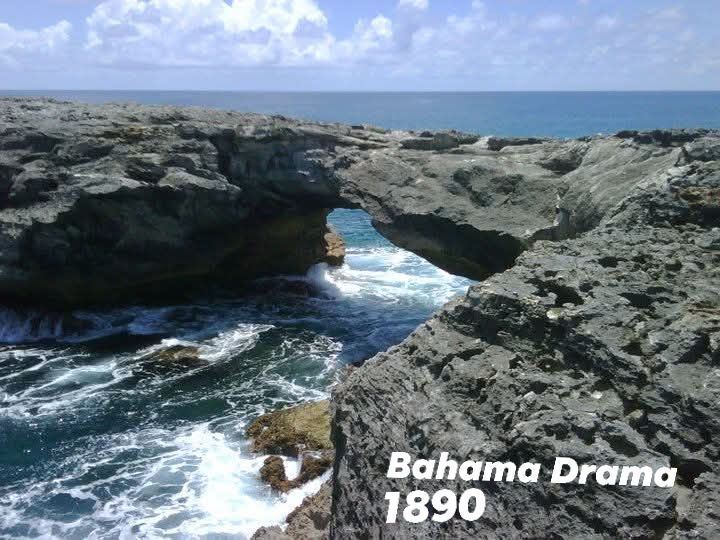
Hole in the wall Abaco.
Be very mindful of the music your teenagers are listening to.
Be very mindful of the music your teenagers are listening to. Their downloading a Consciousness outside of their own…
PLP Candidate Darren Pickstock projected Bi-election winner in Golden…
PLP Candidate Darren Pickstock projected Bi-election winner in Golden Isles tonight. I already feel it in my bones.
Congratulations ahead of time… 🎉
Surname Thompson
Surname Thompson
A True Bahamian Story with Hands That Heal
By: Michael Clare
Everything in the records is plain fact:
Old English and Scottish name, “son of Thom”, short for Thomas, meaning “twin”. One of the oldest surnames in the British Isles, carried by farmers, soldiers, and sea captains long before any of them ever saw a palm tree.
Came to the Bahamas with the Loyalist wave after 1783, mostly from South Carolina, Georgia, and East Florida. Thompsons show up in the earliest land grants on Eleuthera, Harbour Island, Abaco, Exuma, Long Island, and Cat Island. One Captain Thompson even had a grant on New Providence between 1719 and 1722, long before the big exodus.
Owned small cotton and sisal plots, enslaved Africans from the Gold Coast, the Bight of Biafra, and the Kongo-Angola region worked those fields.
After freedom in 1838, many who had been enslaved took the Thompson name for themselves. Within two generations the name belonged to both sides of the old fence.
Today it’s in the top ten most common Bahamian surnames. You’ll find Thompsons of every shade driving mailboats, preaching in churches, playing rake-n-scrape, or running clinics from Nassau to Inagua.
That’s the history you can read in the Registrar General’s Office or the Department of Archives.
But every Thompson child, no matter how light or how dark, grows up hearing the same quiet family saying:
“Thompson hands don’t just work. Sometimes they heal.”
Outsiders laugh it off as superstition. Family knows better.
The gift runs straight through both sides of the tree.
From the European Thompsons comes the “cool laying-on”, a palm pressed to a fevered forehead that drops the heat in minutes, or a steady hand on a sprained ankle that takes the swelling down before the ice even arrives. Old Loyalist journals on Eleuthera (still tucked in cedar trunks) talk about a sea-captain’s wife who could stop a child’s nosebleed with a touch and a whispered prayer.
From the African Thompsons (Igbo, Yoruba, Kongo, Akan blood) comes the “warm healing”, hands that find the exact spot where the pain hides, that draw out infection like pulling a splinter, that leave an old cut feeling brand-new by morning. Grandmothers on Cat Island still tell of a woman named Ma Cudjoe Thompson who laid hands on a fisherman’s gashed leg in 1890 and closed the wound before the doctor’s boat ever reached the cay.
When the bloodlines crossed in the 1780s and 1790s (first by force, later by love), the two kinds of healing braided together and grew stronger. A Thompson today might feel both at once, the cool touch that eases a stranger’s migraine on the jitney, and the warm pulse that knits a cousin’s cracked rib while they sleep.
Outsiders never quite notice. A Thompson just rests a hand on your shoulder when you’re hurting, says “You’ll be alright,” and walks away. By evening the ache is gone and you can’t explain why.
Thompsons keep the gift the way other families keep recipes, you don’t charge for it, you don’t brag about it, and you never turn away another Thompson in need, because every Thompson (light, dark, or anything between) is family now.
So the name stays exactly what the records say it is, a Loyalist surname carried across oceans by exiles, then carried forward by the people they once owned, now so completely mixed that no branch of the tree is pure anything.
Only the family knows the deeper truth, that when a Thompson lays a hand on you, something older than chains or crowns is still working through them, something that survived the Middle Passage and the King’s grants both, and decided to stay.
And every person who carries the name today (whether their skin catches the sun like mahogany or like seashell pink) walks a little taller for it.
Because Thompson isn’t just a surname.
It’s the quiet promise that somewhere in the bloodline, there are hands that still remember how to heal.