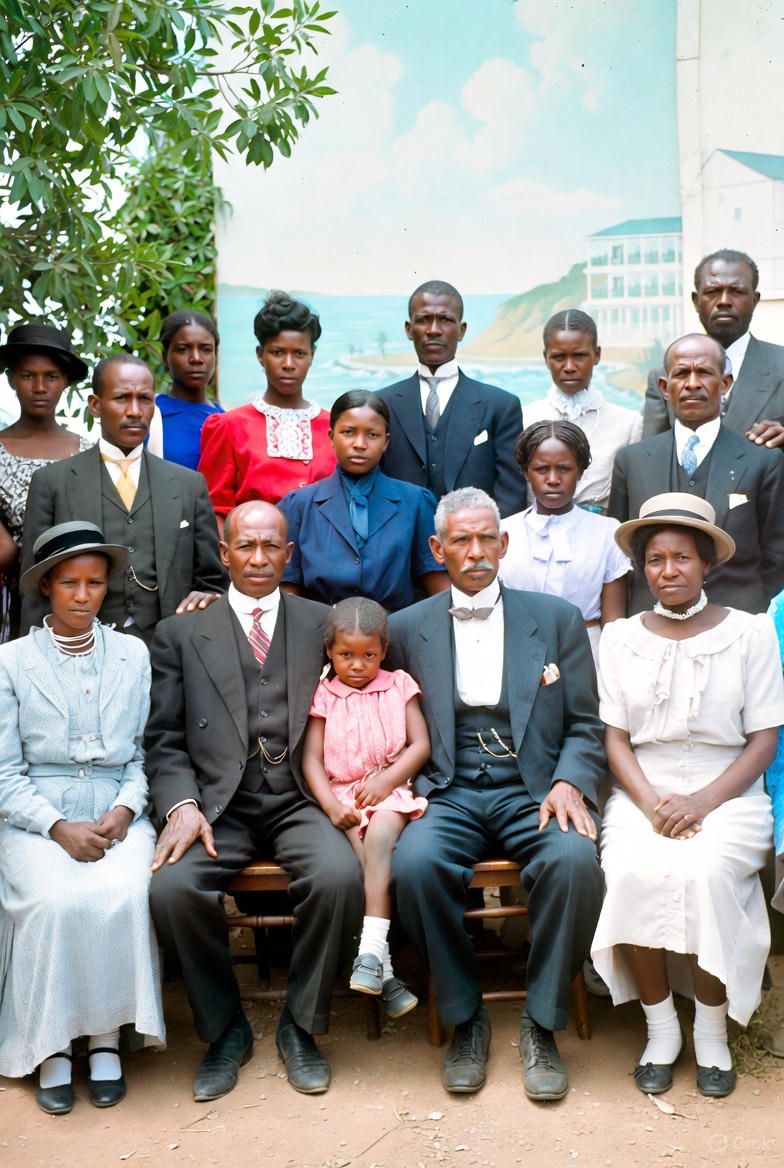
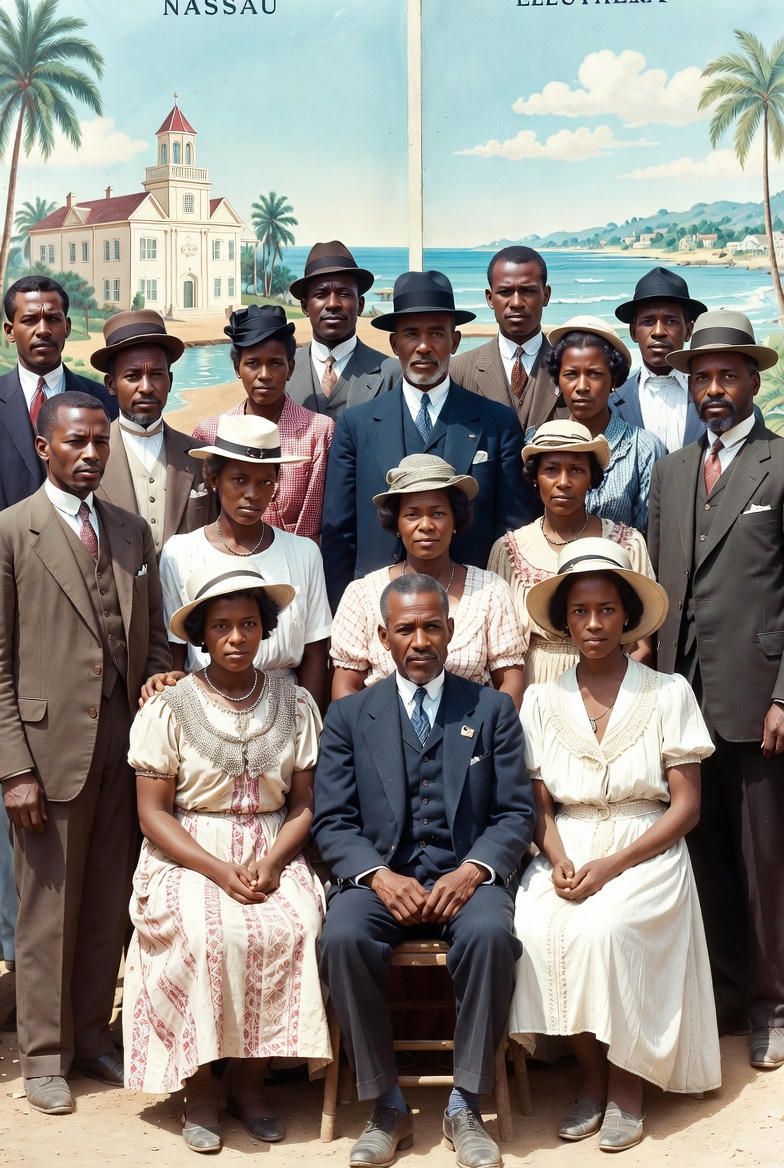
If your last name is Bethel (or Bethell), this post is for you! One of the oldest, proudest, and most widespread names in Bahamian history. Let’s go all the way back…
ORIGINS BEFORE THE BAHAMAS
The name “Bethel” literally means “House of God” in Hebrew (Beth El) – the biblical place where Jacob dreamed of the ladder to heaven.
As a surname, though, it’s mainly Welsh: a shortened form of “ap Ithel” = “son of Ithel,” where Ithel was an old Welsh personal name meaning “bountiful lord” or “beautiful lord.”
It spread from Wales and the Welsh borders (Herefordshire) after the Norman Conquest of 1066. Before reaching our islands, Bethels were already in Bermuda, the Carolinas, and among early British mariners.
DNA shows over 45% British & Irish ancestry with Y-haplogroups like R-M405 pointing straight to those Celtic roots.
EARLIEST APPEARANCE IN THE BAHAMAS
We were here from the VERY beginning.
One of the first documented: John Bethell Jr. (born ~1700 in the Bahamas, likely Eleuthera), a planter and mariner with wife Sarah and children John III, Noah, Viner, and Hannah. He appears in the 1730s under Governor Woodes Rogers holding land in Governor’s Harbour.
– 1700s–1800s: Bethels dominate Eleuthera, Harbour Island, Abaco, Hope Town, and Spanish Wells.
– Loyalist influx after 1783 and emancipation in 1838 added more branches (many freed people proudly took the name).
Today over 2,000 Bethels live in The Bahamas – easily a Top 50 surname!
HISTORICAL FAMILY PROFESSIONS
They built these islands with our hands, hearts, and faith:
– Ministers & Church Founders
→ Prince Williams (founded Bethel Baptist Chapel ~1790, oldest continuous Baptist church in the Caribbean)
→ Rev. Dr. Harcourt W. Brown (pastor 1939–1979, grew the church to over 2,000 members)
→ Rev. Dr. Timothy Stewart (current pastor, 39+ years, global Baptist leader)
– Educators
→ Dr. Keva M. Bethel, CMG (first Bahamian President of the College of The Bahamas 1982–1998, national education icon)
– Mariners & Wreckers
→ Capt. John Henry Bethel Sr. (~1825–1900s, master mariner out of Harbour Island)
→ Generations of reef-wrecking and sponging families
– Business Pioneers
→ Marcus Hercules Bethel (founded Bethel Brothers Morticians in 1943 – still family-owned today)
FAMILY TRAITS & CHARACTERISTICS (straight from oral histories & biographies)
– Deeply faith-driven – that “House of God” meaning runs in the blood! Heavy Baptist roots, church every Sunday, family altar at home.
– Resilient survivors – from slavery, hurricanes, and economic crashes, we always bounce back.
– Natural leaders & servants – patriotic, community-first, always mentoring the young ones.
– Adventurous sea-faring spirit mixed with generous, kind-hearted hospitality.
– Strict but loving upbringing – “spare the rod” was real, but so was the love.
From Inagua clear to Grand Bahama, if you’re a Bethel, you’re part of a legacy of faith, education, leadership, and pure Bahamian grit.
The surname Francis is one of the most respected and widespread names across our beautiful islands. Here’s the story many have asked about:
Origins Before The Bahamas
The name Francis comes from the Latin “Franciscus,” meaning “Frenchman” or “free man.” It exploded in popularity across Europe because of Saint Francis of Assisi (the patron saint of animals and nature).
Long before it reached our shores, it was carried by English, Welsh, and Norman families from the 1100s onward. Many of the early bearers in the Caribbean came through British colonial lines.
When Did the Francis Name First Appear in The Bahamas?
While some families love to trace their roots all the way back to the Eleutheran Adventurers or Loyalists, the earliest documented Francis families show up clearly in the early 1800s – right around and after emancipation. Some were free people of color who took or were given the name, others were children of British traders and planters. By the 1840s and 1850s the name was firmly planted in Nassau, Eleuthera, Abaco, Harbour Island, and Long Island.
Historical Family Professions
The Francis name became synonymous with education, service, and leadership:
🩺 Doctors & public health pioneers
⚖️ Lawyers and civil-rights advocates
✍️ Journalists and media mentors
🏫 Teachers, principals, and union leaders
⛪ Pastors and community builders
📊 Business owners and administrators
Many rose to prominence in the 20th century, helping shape modern Bahamaland through independence and beyond.
Common Family Traits (as shared in oral histories & biographies)
– Deeply religious (strong Catholic and Anglican roots)
– Strict but loving upbringing – “spare the rod, spoil the child” was real!
– Extremely patriotic and community-focused
– Known for resilience, education, and mentoring the next generation
– A quiet pride in family name and Bahamian heritage
Today, Francis remains in the top 100 most common surnames in The Bahamas, found from Grand Bahama all the way to Inagua…
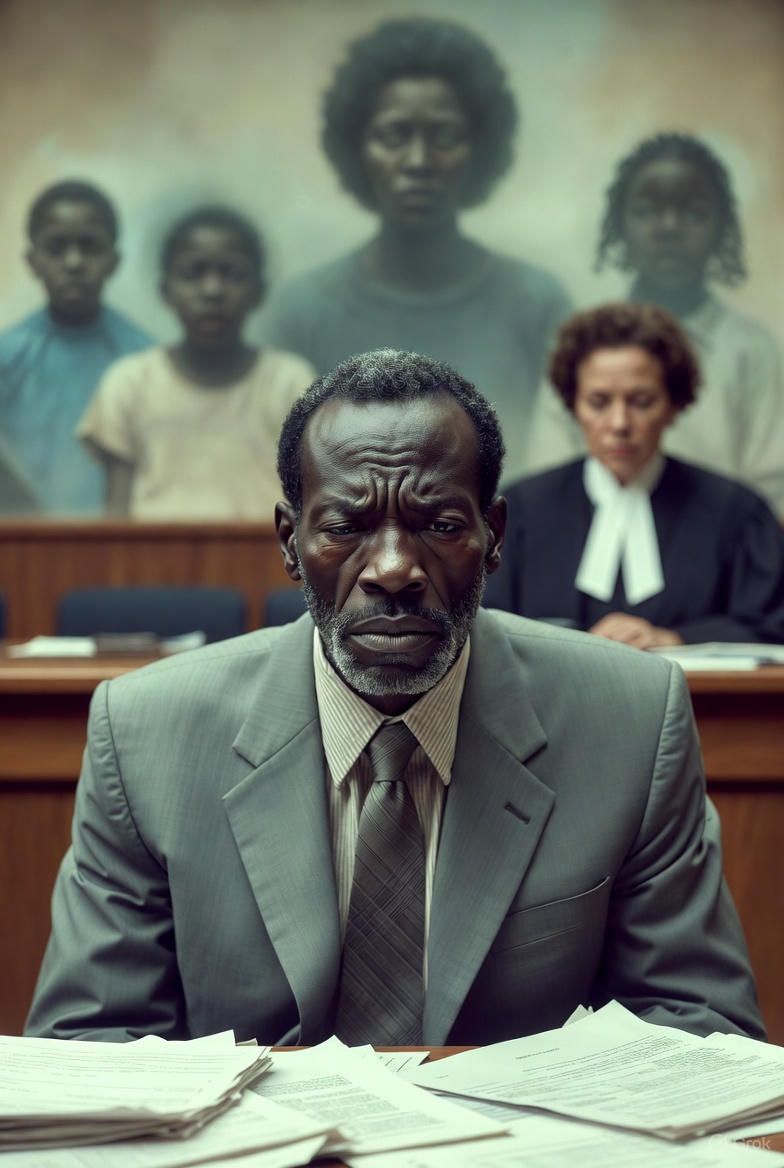
Gentlemen, if you think the family-court deck is stacked against fathers in America, Canada, or the U.K., let me introduce you to the real slaughterhouse: the Bahamas.
In the Bahamas, a father’s chance of convincing a magistrate, a social worker, or even wider Bahamian society that he is the victim of a narcissistic or vindictive mother who deliberately severed the father–child bond is, for all practical purposes, zero percent.
Zero. Not 5 %. Not 1 %. Zero.
Here’s the brutal, documented truth:
– Bahamian family law still operates under an unreformed version of the English “tender years doctrine.” Children under 12 are presumed to belong with the mother unless she is a proven drug addict or prostitute—literally.
– Maintenance (child support) is enforced with prison time for fathers, but visitation and custody orders are treated as polite suggestions. Mothers routinely ignore them with no penalty.
– There is no legal concept of “parental alienation” in Bahamian statute or case law. If you use the phrase in court, the magistrate will look at you like you just spoke Klingon.
– Social Services reports almost always conclude “the child is bonded with the mother” and should remain in her care,” even when the child has been psychologically coached for years.
– False domestic-violence allegations (called “protection orders”) are granted ex parte in hours and automatically give the mother possession of the children and the house. Retracting the allegation later is almost impossible.
– Bahamian culture still carries a deep matrifocal tradition: “Mama know best” is not a saying it’s gospel. A father who complains that the mother is poisoning the children is seen as “trying to take the kids from their mother,” which is the ultimate social sin.
Result? Once a Bahamian mother decides you are out, you are out forever.
You will pay maintenance until the child is 18 (or jailed if you fall behind), but you will almost certainly never live with your child again, never have joint custody, and, in many cases, never see your child again without her permission.
And if her own mother (your mother-in-law raised her the same way she was raised (father absent, grandmother ran everything, multiple baby daddies in the family tree), you are not fighting one generational curse. You are fighting three of them.
The Deadbeat Dad Lie Hits Harder in the Bahamas
When the inevitable happens and you finally stop begging for access that will never be granted, Bahamian society does not call you a targeted parent.
They call you a “rolling calf” or “wutless man” who “breed and breed and leave.”
Radio talk shows, church pulpits, and Parliament itself will lecture you about “deadbeat fathers” while the mother who erased you collects her maintenance cheque and posts beach pictures with the new man who, by the way, now gets to raise your seed.
Red Flags
If you are dating or married to a Bahamian woman (or any woman raised in a strongly matrifocal Caribbean culture), add these to the danger list):
– Her mother (or grandmother) has more than one baby daddy in the immediate family tree.
– Her father was absent in the family home or “run off” or the family still speaks about him with pure contempt.
– Multiple half-siblings from different fathers living in the same household.
– The phrase “a good man is hard to find” or “Bahamian men ain’t worth two dead flies” is said regularly and laughed about.
– She already refers to any future children as “my kids” instead of “our children”.
If you see even one of these, do not impregnate her.
RUN AWAY! 🥴
Because once that child is born on Bahamian soil, the full force of culture, church, family, and law will close ranks. You will lose before the case is even filed.
The Global Warning Still Applies – Only Louder in the Bahamas!
Your seed is sacred. ❤️
Your legacy is not guaranteed.
The woman you choose today can legally, socially, and psychologically erase you tomorrow and in the Bahamas she will do it with a smile, the blessing of the magistrate, and the applause of half the country.
American psychological studies paint an even grimmer picture of the long-term fallout for the children caught in this crossfire.
Research from experts like Dr. Amy J. L. Baker, whose 2005 qualitative study in The American Journal of Family Therapy interviewed 38 adults alienated as children, uncovered seven major lifelong scars: low self-esteem, depression, drug and alcohol abuse, profound lack of trust, alienation from their own future children, higher divorce rates, and a host of other relational fractures.
Building on this, a 2022 study by Verhaar, Matthewson, and Bentley in Children linked childhood exposure to parental alienating behaviors with adult mental health crises, including elevated anxiety, trauma reactions, guilt, shame, and substance issues, effects that echo through generations, turning your grandchildren into the next victims.
Dr. Jennifer Harman’s 2019 prevalence study in Children and Youth Services Review estimates 22 million U.S. parents targeted by these tactics, with alienated kids suffering “cascades of profound losses” in self-identity, family ties, and healthy development.
And a 2021 systematic review in Current Psychology confirms these patterns hold across studies: divorced kids alienated from one parent (usually Dad) carry emotional wreckage into adulthood, from impaired relationships to academic decline and chronic psychological trauma.
This isn’t theory, it’s empirical fact from the American Psychological Association and decades of peer-reviewed data, proving the “win” for the alienating mother is a poison pill for your bloodline.
Vet harder than you’ve ever vetted anything in your life.
Because in the Bahamas (and in far too many places around the world), one moment of carelessness doesn’t just give you a “baby mama.”
It gives you a life sentence of paying for children you are forbidden to love.
Choose like your bloodline depends on it.
Because it does…
Americans and Canadians who are Bahamian and probably don’t even know it.
American surnames that originated in the Bahamas by bloodlines or marriage
Celebrating Bahamian Roots in American Heritage:
100 Surnames Born on Island Soil
America’s story includes countless cultures, and one of the most unique threads comes from the Bahamas. In the late 1700s, Loyalist families fleeing the American Revolution settled on islands throughout the Bahamas. They built communities with determination, creativity, and a spirit shaped by survival and opportunity. Over time, many of their descendants made their way back to the United States, especially to Florida and New York, carrying generations of Bahamian identity with them.
So if your last name appears in this list, remember that your heritage stretches far beyond American soil. You carry the legacy of families who rebuilt their lives on turquoise shores and turned hardship into strength.
Below are 100 surnames with their original Bahamian islands of settlement, based on historical land grants and settler records from the 1780s. The amount is much more, but this is all I could fit in for this post.
Adderley – Long Island
Aitkin – Abaco
Albury – Abaco
Allen – Great Exuma
Anderson – Long Island
Armbrister – Long Island
Armstrong – Abaco
Baker – Abaco
Barkly – Powells Cay
Barry – New Providence
Barrow – Great Exuma
Basden – Grand Caicos
Begbie – Long Island
Bonamy – Long Island
Boon – New Providence
Boyd – New Providence
Braker – Long Island
Brice – New Providence
Brown – Abaco
Buckley – Long Island
Burnet – Abaco
Cameron – Abaco
Campbell – Long Island
Calveras – Long Island
Cleare – Eleuthera
Clement – Abaco
Clements – Long Island
Cooke – Abaco
Cornish – Cat Island
Correy – New Providence
Crispin – Long Island
Cunningham – New Providence
Curry – Abaco
Dames – Great Exuma
Dean – Abaco
Deleveaux – Acklins
Delaporta – New Providence
Demeritte – Eleuthera
Denniston – Long Island
Deveaux – New Providence
Douglas – New Providence
Dowland – Long Island
Drysdale – Andros
Dubois – Eleuthera
Dunmore – Long Island
Ellory – Abaco
Farrington – Abaco
Ferguson – Abaco
Fernander – Eleuthera
Forbes – Long Island
Ford – Long Island
Foster – Long Island
Fox – Abaco
Friar – Long Island
Gamble – Turks Island
Gibson – Long Island
Glenton – Long Island
Goldsmith – Long Island
Gordon – Long Island
Graham – Great Exuma
Gray – Long Island
Green — Eluthera
Hall – Abaco
Hamilton – New Providence
Hanna – Eleuthera
Harold – New Providence
Harris – Abaco
Hepburn – Cat Island
Hodge – Abaco
Hogan – Long Island
Holland – Long Island
Holliday – Long Island
Howe – Long Island
Humes – New Providence
Ingraham – Eleuthera
Johnson – Long Island
Johnston – Long Island
Kelsall – Great Exuma
Kenady – Abaco
Kersey – Long Island
Lane – Long Island
Learmont – Long Island
Lockhart – Flamingo Cay
Lovell – Abaco
Lowe – Abaco
Mackey – Abaco
MacKinnen – Long Island
Malcolm – Crooked Island
Malone – Abaco
Marks – Abaco
McAlpine – Long Island
McAllister – Watlings Island
McArthur – Long Island
McCann – Long Island
McDonald – Long Island
McIntosh – Abaco
McKenzie – New Providence
McKinen – Long Island
McLean – Grand Caicos
McLeod – Long Island
Micklewhite – New Providence
Miller – Long Island
Millar – Long Island
Minns – Eleuthera
Minus – Eleuthera
Moody – New Providence
Moore – Exuma
Morely – New Providence
Morris – Long Island
Moss – Great Exuma
Motte – Long Island
Moultries – Great Exuma
Moultrie – Long Island
Muscdell – Little Exuma
Neilley – Abaco
North – North Cay
Oneil – Abaco
Outlaw – Long Island
Parks – Eleuthera
Panton – Exuma
Pearis – Abaco
Pemberton – Long Island
Pennybaker – Watlings Island
Phillips – Abaco
Plenish – Abaco
Pritchard – Abaco
Rahming – Long Island
Rainger – Abaco
Ragala – Long Island
Randel – Long Island
Roberts – Abaco
Roker – Long Island
Rolle – Great Exuma
Ross – New Providence
Roworth – Long Island
Rumer – Rum Cay
Russell – Abaco
Saunders – Abaco
Sawyer – Abaco
Simmery – New Providence
Simpson – New Providence
Smith – Long Island
Spence – New Providence
Stagg – New Providence
Stevens – Long Island
Stewart – Long Island
Storr – Watlings Island
Stout – New Providence
Struder – Long Island
Sweeting – Eleuthera
Tatnall – Long Island
Taylor – Long Island
Teigler – Cat Island
Telfair – Exuma
Thompson – Long Island
Todd – New Providence
Tubly – Cat Island
Tubner – New Providence
Turnbull – Long Island
Underwood – Abaco
Wallace – Cat Island
Waters – Abaco
Weech – Hog Cay
Wells – Long Island
White – Long Island
Williams – New Providence
William – Fresh Creek
Wilson – Long Island
Wood – Long Island
Wylly – Long Island
If you don’t see your surname let us know in the comments section…
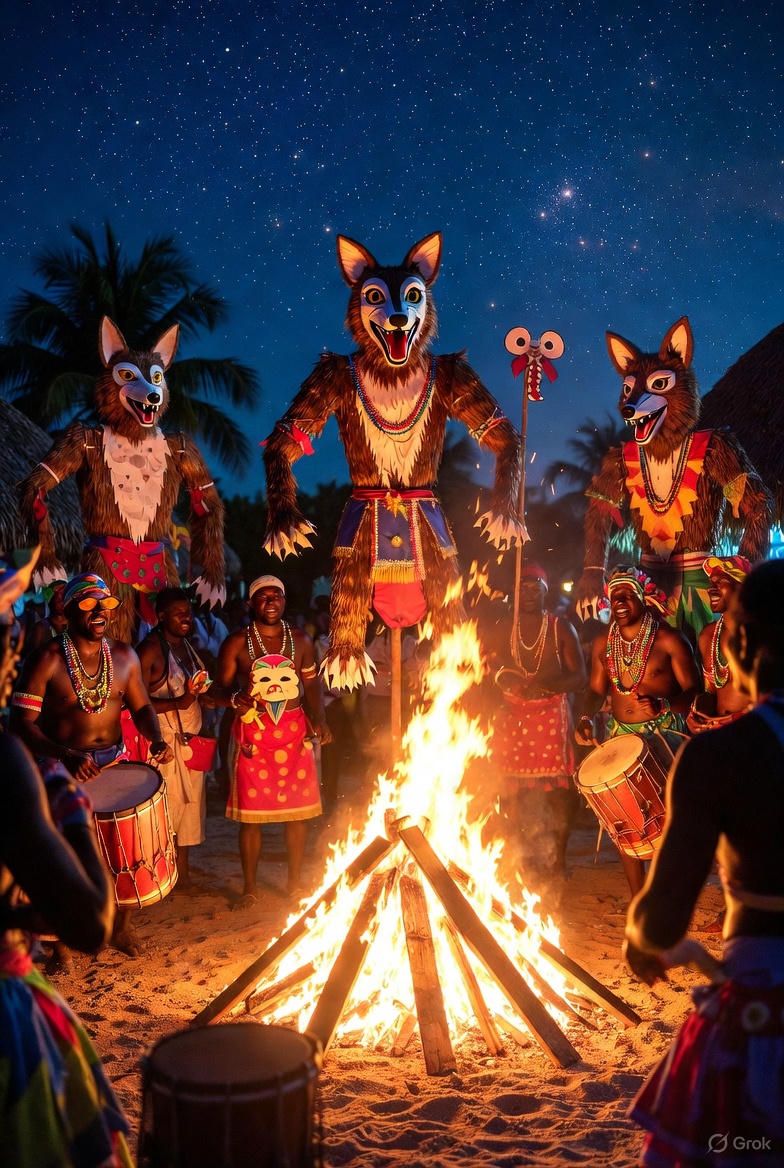
Whispers of Flame and Shadow The Eternal Dance of Guy Fox
In the sultry embrace of the Bahamian night, where the trade winds carry secrets from the deep blue Atlantic, November 5th unfurls like a velvet curtain on a stage of stars. Bonfires crackle with ancient fury, effigies twist in the heat’s grip, and the rhythmic pulse of Junkanoo drums summons spirits from the colonial past.
This is no mere holiday; it’s a ritual, a mystical reckoning with a figure who strides the line between villain and phantom: Guy Fox, the Englishman whose shadow has woven itself into the turquoise tapestry of Bahamian lore. But who was this man of gunpowder and guile, and why do we, the islanders of sun-kissed resilience, summon his burning form each year? Let the flames reveal the truth, layer by layer, as fact and fable entwine like conch shells in the tide.
The Birth of a Specter: Origins in England’s Fog-Shrouded Fury
Picture York, England, in the chill of April 1570 a cradle of stone and suspicion under Queen Elizabeth I’s iron Protestant reign. Into this world slithers Guy Fawkes (or Fox, as the whispers sometimes twist his name in our tropical tongues), born to a family teetering on the edge of faith’s abyss. His father, an Anglican, passes early; his mother remarries a Catholic, pulling young Guy into the clandestine world of recusants, those who clung to the old rites amid persecution’s storm. By his teens, Fawkes is a soldier of zeal, fighting for Catholic Spain in the blood-soaked fields of the Netherlands, earning the moniker “Guido” for his fiery resolve. He returns to England not as a prodigal son, but as a powder keg incarnate, disillusioned by King James I’s unyielding grip on the throne.
It is 1605, and the air hums with conspiracy’s dark alchemy. Fawkes joins Robert Catesby and a cadre of Catholic brethren in the Gunpowder Plot a audacious sorcery to shatter the Houses of Parliament with 36 barrels of black powder hidden beneath the very feet of the king and lords. Fawkes, the stoic guardian, waits in the cellar’s gloom on November 4th, match in hand, when fate’s invisible hand intervenes.
An anonymous letter, a raven’s warning perhaps, alerts the authorities. Guards burst in; Fawkes is seized, his alias “John Johnson” crumbling like ash. Tortured on the Tower of London’s rack – his body stretched to breaking, signatures scrawled in agony he names his fellows. On January 31, 1606, under a sky heavy with judgment, Fawkes meets his end: hanged, drawn, and quartered, his remains quartered and spiked as talismans against treason. Yet death does not dim his light; it ignites it. From this pyre of history springs the eternal flame.
Across the Salted Veil: How Guy Fox Washed Ashore in the Bahamas
The British Empire’s tendrils stretch like mangrove roots, carrying traditions on ships laden with rum and rebellion. By the 18th century, as settlers planted flags in the Bahamas’ coral cradles, Guy Fawkes Night or Bonfire Night, drifted in on the same winds that birthed our Junkanoo. No longer just an English echo of Protestant triumph, it morphs in our islands into something profoundly Bahamian: a carnival of catharsis, where colonial ghosts are exorcised through fire and festivity.
Envision the preparation, a week of whispered incantations in backyards from Nassau to Green Turtle Cay. Families gather under moonlit palms, stuffing old clothes with straw and newspaper, crowning the form with masks of exaggerated menace, sometimes a scowling Fawkes, other times a satirical jab at local scoundrels, politicians, or even the self. These “Guys” towering, grotesque puppets stand sentinel in front yards, eyes glinting with borrowed menace, as if daring the dawn. Children hawk them on street corners with chants: “Penny for the Guy!” a ritual alms that buys not mercy, but mischief.
Come the fifth of November, the veil thins. Effigies are hoisted on poles, paraded through sun-faded streets to communal pyres at beaches or clearings, their procession a spectral conga line. Here, the mystical heart beats loudest: Junkanoo erupts, not as mere music, but as ancestral invocation. Cowbells clash like thunder gods, goatskin drums throb with the island’s pulse, and conch horns wail elegies to the enslaved forebears who birthed this sound from suffering. Dancers “rush” the flames, wild, barefoot spirals of energy skirts swirling like sea foam, bodies painted in ochre and indigo, channeling the plot’s thwarted rage into joyous release. Fireworks scar the velvet sky, bursts of crimson and gold mirroring the gunpowder that never was, while the Guy blazes at the center, his straw soul ascending in sparks that whisper of freedom won and chains forever broken.
This is no rote remembrance; it’s alchemy. In the Bahamas, Guy Fox transcends his English villainy, becoming a Bahamian archetype the trickster undone, a symbol of plots foiled and resilience kindled. Some say his spirit lingers in the smoke, a guardian against tyranny, mingling with obeah winds and obi charms. Others see in the bonfire’s glow the faces of our own unsung rebels: the Maroons who outwitted hunters in the pines, the women who smuggled whispers of independence under petticoats. Fact folds into fable here, for in burning the effigy, we burn away the old world’s poisons, emerging renewed under the same stars that guided Columbus, or perhaps Anansi, depending on the storyteller’s eye.
Echoes in the Embers: Why We Still Summon the Fox
As the last ember fades and the sea laps at scorched sand, the question lingers like salt on the skin: Why persist with this rite in a post-colonial dawn? The answer dances in the duality historical fidelity laced with mystical mutiny. Guy Fawkes Night reminds us that power’s powder kegs can be disarmed not just by kings, but by communities who turn treason’s tale into triumph’s toast. In the Bahamas, where hurricanes test our roots and elections stir old plots, it’s a nocturnal vow: We remember the fall to celebrate the rise.
So, in every November eve, light your own spark but tread lightly, for in the flames, Guy Fox watches still, his grin a crescent moon over the Bahamas, eternal and enigmatic. Remember, remember… and revel.
Bahama Drama is a wandering chronicle of island enigmas, where history hums with the unseen. Sources drawn from the archives of time and tide.
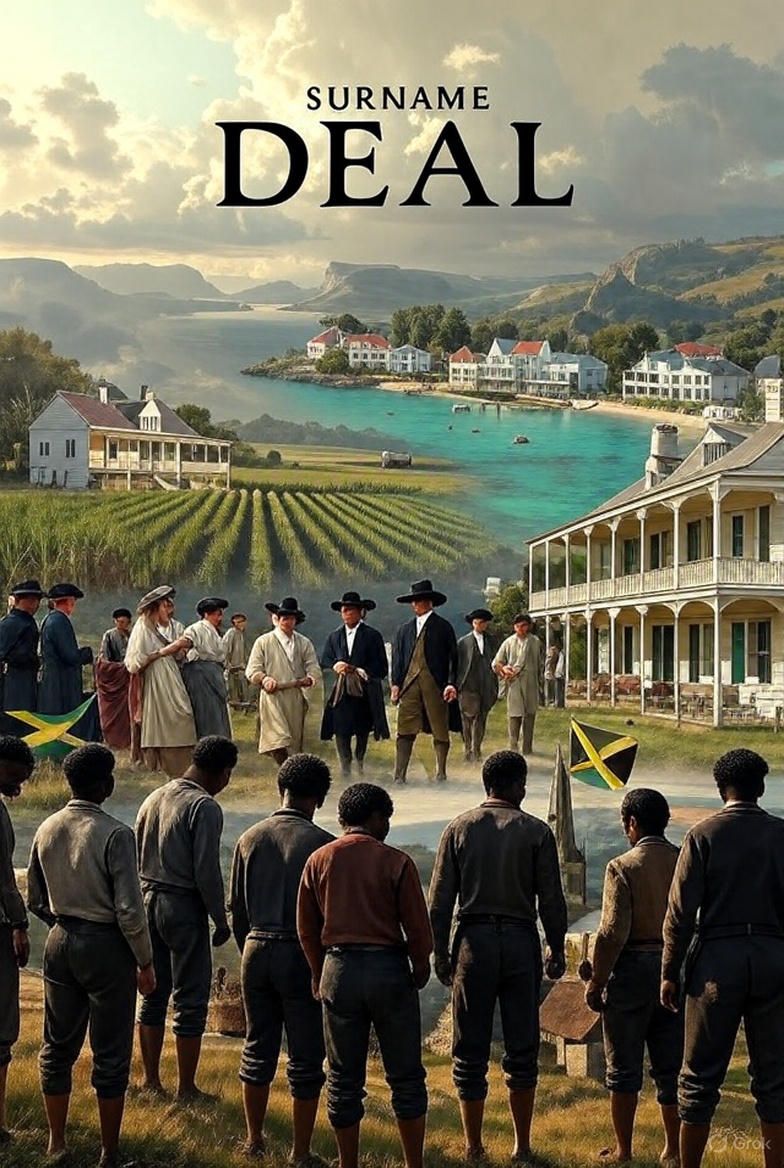
The surname Deal is English in origin and primarily locational or topographic.
It most commonly comes from the coastal town of Deal in Kent, England, where people were identified as “of Deal” and the name stuck as a family surname. A second, related origin is the Old English word dæl (meaning a valley, dale, or hollow), making Deal a variant of the more common surname Dale. In some cases, especially among families who moved to Britain or America from German-speaking areas, Deal is an Anglicized form of similar-sounding names such as Diehl or Diel.
The name was well established in England by the Middle Ages and appears in British records from at least the 13th century onward.
During the 17th–19th centuries, like many English surnames, Deal traveled with British colonists, administrators, soldiers, indentured servants, and planters to the Caribbean, especially Jamaica. Over generations on the island, the name became part of Jamaica’s diverse surname landscape, carried both by descendants of European settlers and, in some cases, by others who adopted or retained European surnames after emancipation and beyond.
In the 20th century, particularly from the post-World War II period through the 1970s and 1980s, economic opportunity and family ties led many Jamaicans to migrate to the Bahamas. Some families carrying the surname Deal were among those who made the move and settled in the Bahamas, where the name is known today.
In short: Deal began as an old English place name or description of landscape, crossed the Atlantic with British colonization, took root in Jamaica over several centuries, and in more recent decades appeared in the Bahamas through Jamaican migration…
In the turquoise labyrinth of the Bahamas, where the Atlantic’s restless waves carve secrets into coral spines, lies a chain of whispers: the Jumentos Cays and Ragged Islands.
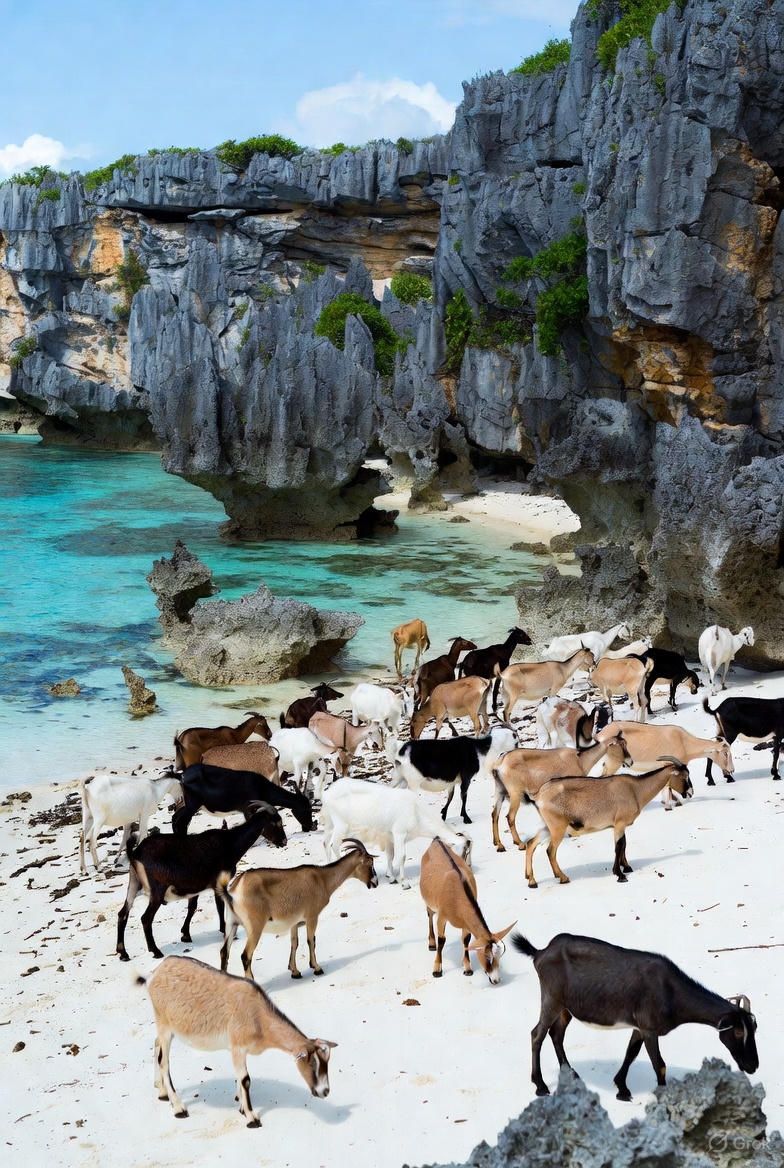
Stretching like a jagged scar 60 miles north of Cuba, this remote archipelago is a realm of untamed beauty: powdery beaches guarded by jagged limestone cliffs, hidden blue holes plunging into abyssal darkness, and mangrove thickets that swallow sunlight whole. But amid this Edenic isolation, one creature reigns supreme, its bleats echoing like spectral calls across the wind-scoured bluffs. Not humans, whose footprints fade like half-remembered dreams, but goats: thousands of them, feral and fierce, bounding in vast herds across islands that time forgot.
These are no ordinary beasts. Picture them: shaggy coats matted with salt, horns curling like ancient runes, eyes gleaming with the wild cunning of survivors. They claim over a dozen uninhabited cays in the Jumentos chain alone: Raccoon Cay’s scrubby hills, Johnson Cay’s secluded coves, Buena Vista Cay’s rocky spines, and the brooding slopes of Little Ragged Island.
On Green Cay, perched like a sentinel on the Tongue of the Ocean, they roam in such numbers that sailors swear the island trembles under their hooves. Duncan Town on Ragged Island, the chain’s last human outpost, is a ghost of 50 souls, where goats outnumber people and wander streets lined with hurricane-ravaged ruins. Here, in this end-of-the-world frontier, the goats are the true inhabitants, their presence a riddle wrapped in history’s fog.
Whispers from the Age of Sail: Seeds of a Silent Invasion
To trace the goats’ origins is to dive into the Bahamas’ shadowed past, a tapestry woven from the threads of exploration, piracy, and peril. The story begins not with a single hoofprint, but with the creak of wooden hulls slicing through Caribbean swells in the 16th century.
European sailors: hardened men aboard Spanish galleons, English privateers, and buccaneer sloops: knew the sea’s treachery all too well. Storms could shred sails like parchment; reefs could impale ships on invisible thorns; scurvy and starvation lurked in every shadow. In response, they turned to a humble ally: the goat.
It was a practice as old as Columbus himself. In 1493, on his second voyage, the explorer released goats onto the Caribbean’s islands, their nimble frames and voracious appetites making them ideal “emergency provisions.” These animals, descendants of the hardy Capra aegagrus tamed in the Fertile Crescent millennia before, required no tending.
Left to forage on scrub and browse on saltbush, they multiplied with biblical fervor, awaiting the castaway’s desperate hand. The Bahamas, a pirate’s paradise and a mariner’s graveyard, became fertile ground for this ritual. Spanish conquistadors, seeking gold in the shallows, dropped pairs of goats on cays like offerings to Poseidon.
English settlers, fleeing Cromwell’s England in the 1600s, established fleeting farms on the Raggeds, only to abandon them when hurricanes howled or fevers claimed the unwary.
But it was the Golden Age of Piracy: roughly 1716 to 1722: that infused the tale with true menace. The Bahamas swarmed with outlaws: Blackbeard roaring from his flame-enshrouded Queen Anne’s Revenge, Calico Jack Rackham carousing with Anne Bonny, and Charles Vane’s Ranger lurking in Exuma’s bays.
These sea wolves, ever pragmatic amid their debauchery, mirrored the sailors’ custom. Historical ledgers from Nassau’s gaols and ship manifests whisper of livestock raids: pigs from Cuban fincas, chickens from Jamaican coops, and goats pilfered from loyalist plantations. Some were slaughtered for fresh meat on long voyages; others, released onto remote cays as “insurance” against the noose or the no-man’s-land of shipwreck.
Imagine a pirate crew, rum-soaked and paranoid, scanning the horizon for naval pursuers. In haste, they loose a billy and a nanny onto a nameless spit of land: Raccoon Cay, perhaps, or the wind-lashed bluffs of Water Cay: muttering prayers that the beasts might one day feed their bones if fortune turned foul.
Evidence lingers like salt on the breeze. Overgrown stone walls on Hog Cay, collapsed cisterns on Dove Cay: these are the skeletons of 18th-century salt rakers’ camps and sisal plantations, where enslaved laborers once toiled under the lash. When operations collapsed in the 19th century, amid the abolition of slavery and economic ruin, the goats stayed.
Freed from pens, they scattered into the wild, their numbers swelling unchecked. By the 1800s, British naval surveys noted “prodigious herds” on the Jumentos, feral flocks that evaded hunters with uncanny guile. One account from a 1820s whaler describes a cay “black with goats at dawn, vanishing like smoke by midday,” as if the animals communed with the island’s spirits.
Veils of Mystery: Do They Swim the Abyss?
Yet for all the ledgers and logs, shadows cloak the goats’ saga. How did they cross the treacherous channels between cays, some separated by miles of shark-patrolled blue? Folklore among Ragged Island fisherfolk claims the beasts swim: not in panicked flight, but in deliberate migrations, their heads bobbing like buoys under moonless skies.
Skeptics scoff; goats are land-bound by nature. But eyewitnesses abound: cruisers in the 20th century reported herds fording shallows at low tide, or rafting on mats of mangrove roots swept by currents. And what of their sustenance in this parched realm? The Jumentos are a desert in disguise: limestone karsts pocked with brackish pools, where rain is rarer than mercy. Do the goats divine hidden springs, or sip dew from thorns under the Southern Cross?
Bahamian elders spin yarns of “goat kings,” spectral billys with horns like crescent moons, leading their flocks to oases known only to the initiated.
Darker mysteries lurk. In the 1930s, whispers of “cursed islands” rippled through Nassau’s rum shops. Prospectors seeking guano deposits vanished on Goat Bladder Cay, their journals ranting of “eyes in the brush” and bleats that mimicked human cries.
Were these fever dreams, or echoes of Lucayan ghosts: the indigenous Taino people, exterminated by Spanish steel in the 1500s, whose spirits, some say, guide the goats as vengeful wardens? Modern ecologists puzzle over the herds’ resilience: DNA traces link them to Iberian breeds, yet anomalies persist: goats with piebald coats unseen in Europe, or an unnatural aversion to fire, as if scarred by pirate torches.
Climate change adds fresh enigmas; rising seas nibble at their domains, yet the populations endure, defying models of starvation and submersion.
Echoes of the Eternal: A Legacy Unfurling
Today, the goats of the Jumentos and Raggeds stand as living monuments to human hubris and nature’s defiance. Conservationists eye them warily: feral hordes that devour native succulents, outcompeting iguanas and burrowing owls.
Efforts to cull or relocate, like those on Great Goat Cay in the Exumas, stir controversy: Are they invaders, or the archipelago’s last free souls? Yachtsmen, dropping anchor in Duncan Town’s harbor, trade tales over conch fritters, toasting the beasts that outlasted empires.
In the end, these goats are more than survivors; they are storytellers, their hooves etching fables into coral dust. Released by sailors’ hands or pirates’ whims, nurtured by abandoned dreams and shipwreck vows, they embody the Bahamas’ eternal paradox: a paradise haunted by its own wild heart. Venture to Raccoon Cay at dusk, and listen.
Amid the waves’ murmur and the stars’ indifferent gaze, a chorus rises: bleats from the brink, guarding secrets that the sea alone can keep. What tales would they whisper, if we dared to linger?

![This morning @[100023394293756:2048:Bahama Drama] measured his steps.
Farmers Hill Beach is a total of 2073 steps FYI... 😁](https://lol242.com/wp-content/uploads/bahama-drama/2025/11/3e1ffff8efacedade2bb.jpg)