Bahama Drama

Past Post History to Date

6,047 posts

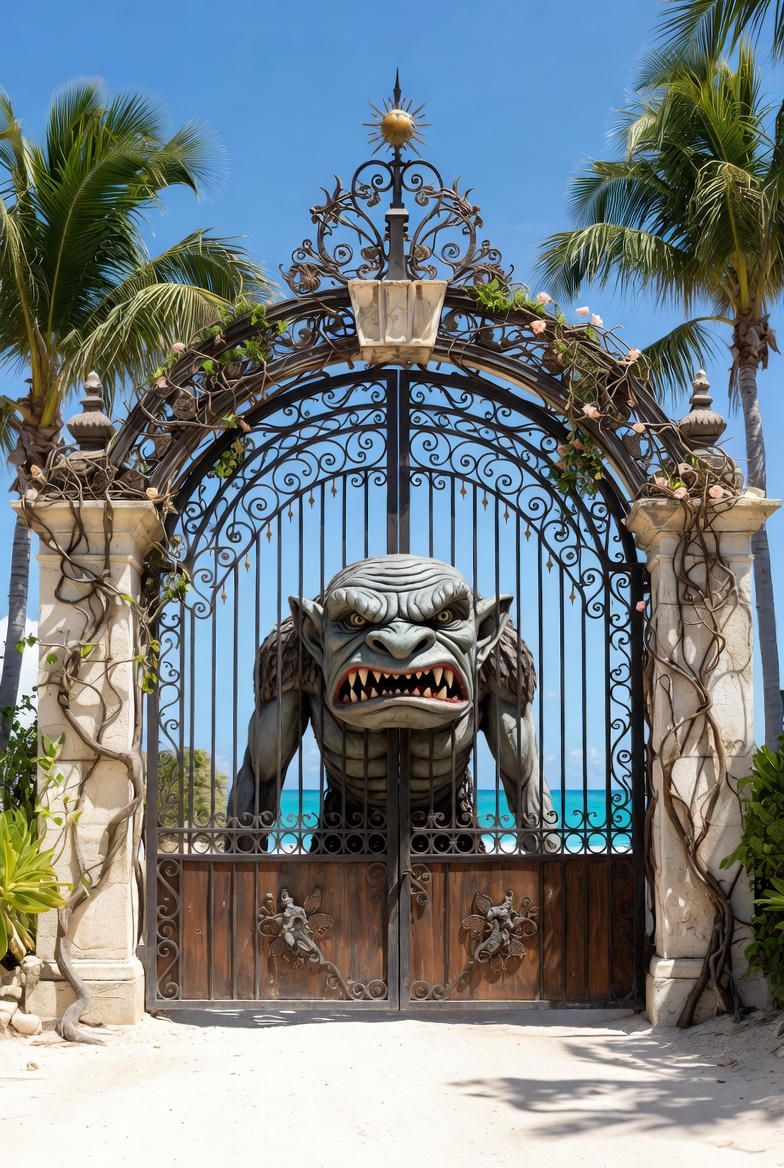
The bloodline vs the Trolls sent by the gatekeepers

The bloodline vs the Trolls sent by the gatekeepers

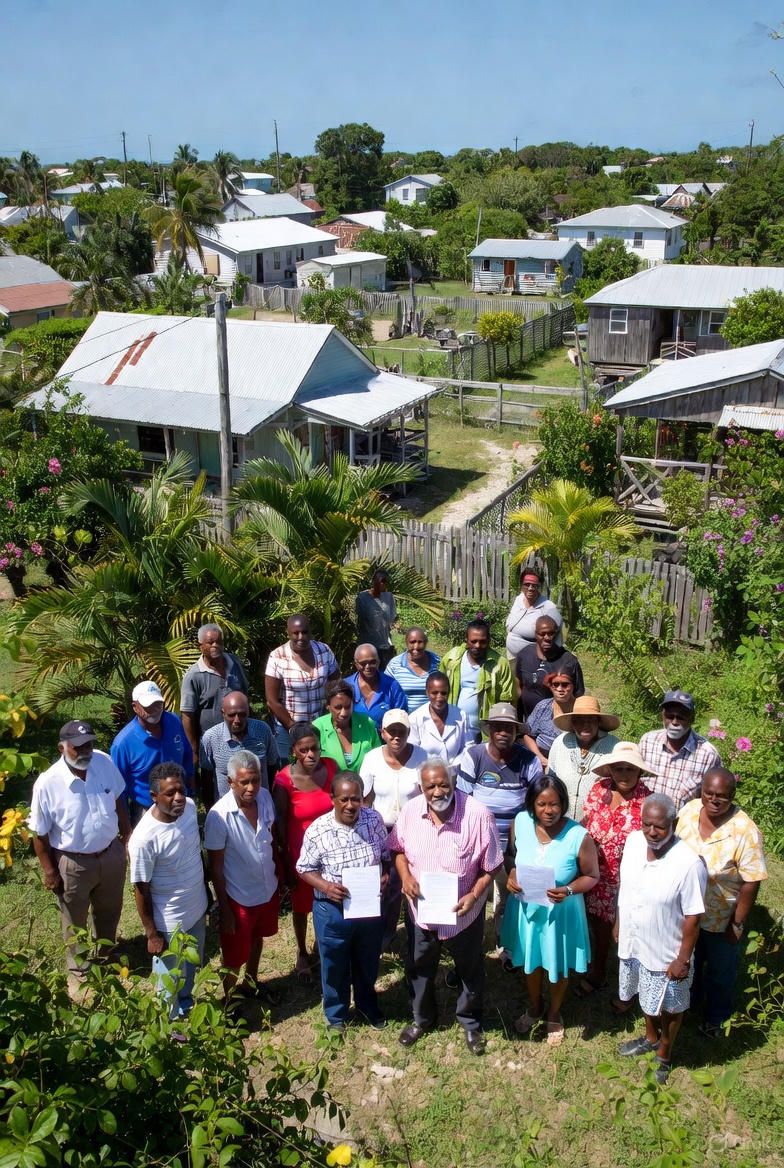
I told y’all that the gatekeepers will send their Trolls for us to keep you from owning the Bahamas and the land that will always be in your family tree🌴

It is up to each individual to move forward anyway!

I’m not afraid of helping you. And you shouldn’t be afraid of flat out logic. You have 4 grandparents 1 out of 4 or more are most likely an inheritant of generation land in the thousands of acres somewhere in the Bahamas.

They will attack my post and your mind under the comments section. I will band some of them from the page but some will slip through our firewall. But you must fight the good fight yourself too!

Remember the same names of all of these Trolls under each comment for later y’all.

And even though the gatekeepers and their Trolls will fight me down, but I know that the God of worlds will love me even more for showing each one of his people their very own promised land.

The Troll’s will use their most powerful weapons on your mind and that’s fear and disinformation. Fight back or forever own nothing that’s already yours by bloodline.

By: Michael Elijah Muhammad Clare…

How long are we going to be talking about our land in our own country and not own it?

How long?

Talk time is over!

I’m giving you everything that you need including the petition letter you will need to file to the courts without the need of a lawyer and that’s legal to do.

Everything is indeed free that I’m doing.

So why send people to fight me down for it?

I don’t want anything from anyone, but the satisfaction that my God, the most high is, not human beings, he will be proud of my actions. ❣️

I’m not doing anything wrong here, but what should have already been done many decades ago, and that’s, give the people their land without the buttocks kissing every 4.5 years and politics attached to it.

Follow my methods and you won’t need a lawyer at all in your filings…

The bloodline vs the Trolls sent by the gatekeepers 

I told y'all that the gatekeepers will send their Trolls for us to keep you from owning the Bahamas and the land that will alw
Comment

Everyone has 4 grandparents

Everyone has 4 grandparents

This is where we start digging

I’m going to make it where nobody is going to need a lawyer to file for their generation property. You’ll be able to yourself ☺️

Crooked lawyers and the Money that they cost was always another setback many Bahamian’s. Well I’m going to bypass the need for a lawyer.

You will finally get your piece of the rock 🪨

Everyone has 4 grandparents 

This is where we start digging 

I'm going to make it where nobody is going to need a lawyer to file for their generation property. You'll be able to
Comment

After you got your documents of who you are

After you got your documents of who you are

Once you get your three or more records proving your family connection to the land, here’s what you do next in the Bahamas:

1. Take your documents to a lawyer who handles Quieting Titles.
This is important because only the Supreme Court can officially “quiet” a title and confirm that the land belongs to your family.

2. The lawyer prepares a Petition for Quieting.
They will use your records to prove your family line:
birth certificates, death certificates, deeds, baptism records, grave records, tax receipts, anything linking your family to the land.

3. Your lawyer files the petition in the Supreme Court.
This officially starts the Quieting process.

4. A Public Notice is published for 30 days.
This gives anyone else claiming rights to that land a chance to step forward.
If nobody comes forward with stronger proof, that strengthens your claim.

5. The court reviews your evidence.
If everything is solid, the court grants you or your family a Certificate of Title.
That certificate now becomes your legal ownership.

So the simple version is:
Collect your records, take them to a Quieting Title lawyer, and the lawyer files it in the Supreme Court.

That’s the official path under Bahamian law.

After you got your documents of who you are 

Once you get your three or more records proving your family connection to the land, here’s what you do next in the Bahamas:

1. Take y
Comment

You’re land is waiting for you I swear it

You’re land is waiting for you I swear it

Whatsapp me your first and last name and both your parents full names and I will tell you where your generation property even if you were born in the United States. My Whatsapp number is at the top of this page. No calls please.

See a lot of people don’t know where they’re family roots are actually from and that’s the biggest problem with knowing where your generation property is located because you could have generation property in 4 different places because of your parents parents which are actually 4 people.

1.) You’re Dad, Mom and Dad.

2.) Your Mom, Dad and Mom.

That’s 4 people and possibly 4 places where you could have inheritance.

Or just 1 place you may qualify for land.

But the odds are in your favor because you have 4 different possibilities and not just 1 or 2.

So more than likely you have 1 or more places that you can claim from.

First come, first serve…

As I told all of y’all before the gatekeepers will send their Trolls to our page with instructions to stop you by all means necessary!

You're land is waiting for you I swear it

Whatsapp me your first and last name and both your parents full names and I will tell you where your generation property even if you were
Comment

Unlocking Bahamian Generation Property

Unlocking Bahamian Generation Property

A Quick Guide for Every Family

Many Bahamians have land in their family tree and don’t even know it. Generation property comes from the years after 1838 when our ancestors settled, farmed, or lived on land that was never divided. The new 2025 land law finally makes it easy to prove your claim and get a real title.

Where These Lands Are
The strongest family-land islands and settlements include

Cat Island
Arthur’s Town, New Bight, Old Bight, Orange Creek, Port Howe.

Andros
Fresh Creek, Nicholls Town, Red Bays, Bowen Sound.

Exuma
George Town, Little Exuma, Farmer’s Cay, Staniel Cay, Barraterre.

Eleuthera
Rock Sound, Governor’s Harbour, Gregory Town, Harbour Island, Tarpum Bay.

Long Island
Deadman’s Cay, Salt Pond, Hamilton’s, Glinton’s.

Abaco
Marsh Harbour, Green Turtle Cay, Hope Town.

Other islands with known family land
Crooked Island, Acklins, Mayaguana, Inagua, Rum Cay, San Salvador, Bimini, Ragged Island.

Common Surnames
Rolle, Johnson, Smith, Williams, Brown, Thompson, Knowles, Dean, Stubbs, Pratt, Hunter, Bethel, Bain, Roberts, Saunders, Pinder, Culmer, Gibson, Carey, Moss, Hanna, Cartwright, Bowe, Poitier, Deveaux, Adderley, Armbrister.

How to Prove Your Claim

1. Get your birth certificate and your parents’ or grandparents’ certificates.
2. Ask the National Archives for any wills, deeds, or church records with your surname.
3. Check with the island administrator where your people come from.
4. When you have your documents, file for adjudication. A tribunal will visit the land and confirm your claim.

Your family might already own a piece of the Bahamas. All you need is the proof. Go check your roots, you may be closer to your inheritance than you think.

By: Michael Elijah Muhammad Clare

(NOTE: )And remember it doesn’t matter how many generations down you are from the first person who possessed the land, you still have the same rights to the land just as anyone born in 1890 would have had and those today. According to the law.

Unlocking Bahamian Generation Property

A Quick Guide for Every Family

Many Bahamians have land in their family tree and don’t even know it. Generation property comes from the yea
Comment

Unlocking Bahamian Generation Property

Unlocking Bahamian Generation Property

A Detailed Look at Islands, Settlements, Surnames, and How to Prove Your Claim

Hello Bahamian family. Many of us grew up hearing stories about generation property, those family lands passed down from the Loyalist era and the years right after emancipation. These are the plots that were lived on, farmed, and protected by our great grandparents and their parents before them. I went deeper into official records, National Archives data, government reports, and updated land laws as of November 2025 to put together a clearer picture for anyone trying to confirm their family’s claim.

Generation property, also called commonage or family land, comes from undivided shares passed down since around 1838. The new Land Adjudication Act 2025 finally gives a formal process to settle these lands and issue clean titles. If your family name or history matches the areas listed below, you may be sitting on a valid claim.

Islands and Settlements with Strong Generation Property History

These locations repeatedly show up in wills, church records, deeds, colonial reports, and oral histories. They are known hotspots for long standing family land.

Cat Island
Arthur’s Town, Bainstown, New Bight, Old Bight, Orange Creek, Port Howe, Newfield, Richmond Hill, Fortune Hill, Golden Grove, Lucky Mount.
(This island has one of the highest rates of old Loyalist estates turning into generation land.)

Andros
Fresh Creek, Nicholls Town, Red Bays, Small Hope Bay, Bowen Sound, Congo Town.
(This island has large tracts where African descended families settled right after 1834.)

Exuma and the Cays
George Town, Little Exuma, Farmer’s Cay, Staniel Cay, Barraterre.
(Many properties connect back to the old Rolle estates.)

Eleuthera
Rock Sound, Governor’s Harbour, Deep Creek, Gregory Town, Tarpum Bay, Spanish Wells, Harbour Island, Hatchet Bay, James Cistern.
(This island has a long history of land disputes and undivided estates.)

Acklins and Crooked Island
Hard Bargain, Long Cay, Lovely Bay, Snug Harbor.
(Remote islands where family land remained untouched for generations.)

Long Island
Clarence Town, Deadman’s Cay, Salt Pond, Hamilton’s, Glinton’s, Stubbs.
(Known for Loyalist ruins and long occupied family parcels.)

Abaco
Marsh Harbour, Green Turtle Cay, Hope Town, Coopers Town, Cherokee Sound.
(Strong Loyalist heritage and long standing family lands.)

Inagua
Matthew Town and nearby rural areas.
(Family land connected to the salt industry.)

Ragged Island
Duncan Town.
(Small island with documented undivided commons.)

Other confirmed areas
San Salvador, Mayaguana, Rum Cay, Bimini.
(All listed in government land reports as places with customary family tenure.)

Government data shows that about one quarter of all Family Island land is either generation property or treated as such. The new law helps regularize all of it.

Surnames Associated with Generation Property

These surnames appear often in historical documents, wills, settlement maps, and parish registers. This does not mean automatic qualification, but they are strong indicators.

Most common across the islands
Rolle, Johnson, Smith, Williams, Brown, Thompson, Knowles, Miller, Wilson, Davis.

Cat Island and Long Island
Pratt, Hunter, Munro, Williams, Deveaux, Poitier.

Exuma and Acklins
Rolle, Adderley, Albury, Armbrister.

Eleuthera and Abaco
Bethel, Bain, Sweeting, Saunders, Roberts, Hall, Harris, Farrington, Lowe.

Andros and Inagua
Dean, Stubbs, Pinder, Culmer, Gibson, Carey, Moss, Higgs, Butler.

Other surnames found in family land research
McKenzie, Hanna, Cartwright, Bowe, Barry, Beach, Bennett, Bodie, Bonamy, Brice, Burrows, Byrne, Backford, Baker, Ball, Banton, Barham, Barnett, Barr, Bashford, Bastian, Bateman, Bazil.

What Makes a Valid Claim

Based on the 2025 reforms, you can qualify for generation property if you can show descent from someone who occupied or used the land after 1838. The new tribunals can legally confirm ownership and issue a title.

The strongest proof includes
Birth, marriage, and death certificates
Wills and probate
Old deeds and surveys
Colonial lists, voter rolls, church records
Sworn affidavits and family oral history

If an estate was never probated and the land was occupied by family members over the years, everyone descended from the original ancestor has equal claim.

How to Confirm Your Claim

These steps are the simplest and most reliable, and they apply no matter where your family comes from.

Step 1
Order your birth certificate and your parents’ or grandparents’ certificates from the Registrar General. These documents show settlements and islands of origin. The cost is low and the process is fast. FamilySearch also has free indexed records.

Step 2
Visit or contact the National Archives. Ask for wills, deeds, church registers, or anything tied to your surname in a specific settlement. They will pull the files for you.

Step 3
Check with the local island administrator for your family’s island. They keep oral records and sometimes lists of long held generation properties.

Step 4
Once you have at least three solid documents, you can start the adjudication petition. The tribunal will visit the land, interview family members, and issue a formal title if your family qualifies.

Your Legacy

Generation property is not just land. It is your family’s story and your inheritance. The laws have finally caught up to what families have known for more than a century. If you have a surname with deep roots, or even a suspicion that your grandparents came from a settlement known for family land, this is the time to check.

By: Michael Elijah Muhammad Clare

Comment

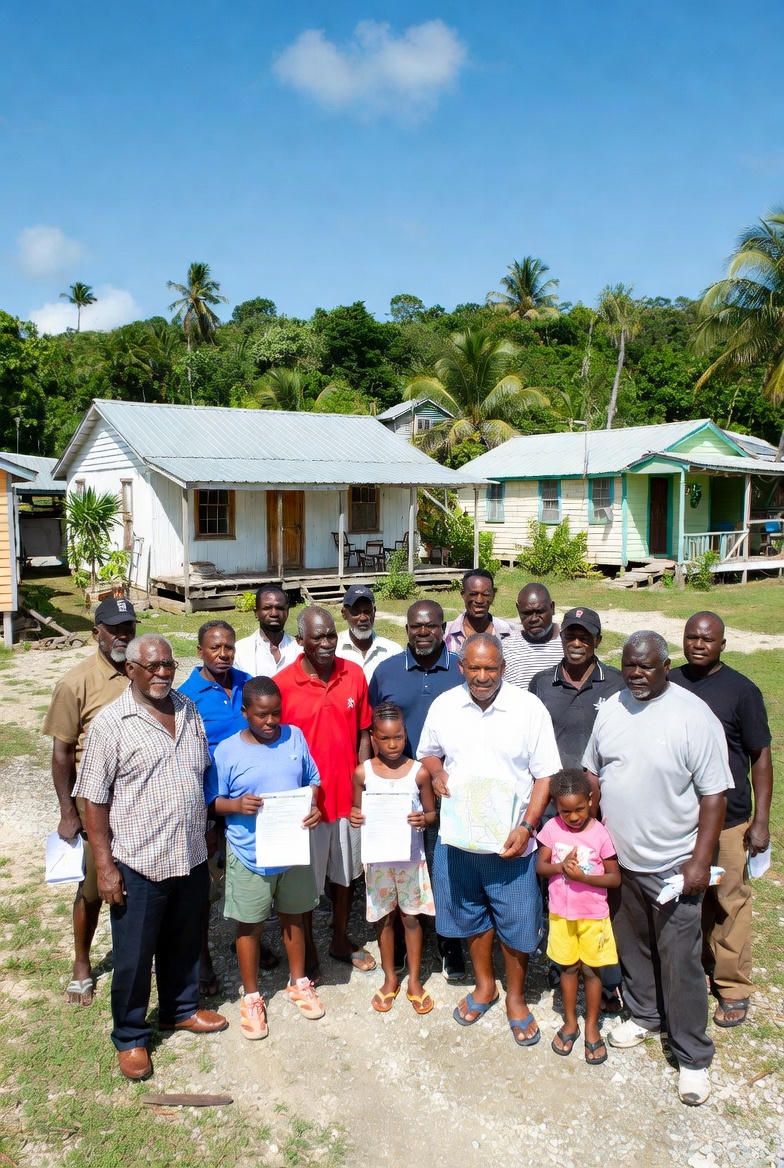
Getting your free land

Getting your free land

Tracing Your Bahamian Root to the outta island is fun and easy, or Bahama Drama will do it for you because I love you..

Simple Steps to Uncover Family Ties to Communal Lands Using Government Records

If you have your parents’ surnames or even just your grandparents’ names but no idea which island or settlement they came from, you’re still in a good position to trace your lineage. Many Bahamian’s grew up hearing about generation land or old family property, but figuring out the details can feel overwhelming.

The truth is, the law supports your right to investigate your heritage and land claims using official government records. These steps use free or affordable public resources that island administrators and the courts must acknowledge under laws like the Land Adjudication Act and the Inheritance Act.

This guide is straightforward and built for everyday Bahamian’s. Whether you are in New Providence or a Family Island, you can start building your family story with simple tools.

Why This Matters: Your Legal Right to Trace and Claim

Communal or generation property refers to family-owned land passed down across generations, often dating back to Loyalist times or the post-emancipation period. You do not need a deed to begin the process. You only need proof of your lineage.

The Inheritance Act ensures equal shares to descendants, and the Land Adjudication Act allows you to quiet title through ancestral links even if your information is limited. If your family used the land for more than twelve years, that strengthens your claim through adverse possession.

Island administrators must respect court-approved claims and assist with local records. Once your petition is investigated and proven, you receive a certificate of title that protects your claim. Start with the information you have and build from there. It helps to begin early while family elders are still alive to fill in the important gaps.

Step by Step: The Easiest Way to Trace Your Family Using Government Data

All you need are basic details such as parents’ or grandparents’ names, approximate birth years, and your own birth certificate. Vital records like births, marriages, and deaths often list birthplaces, which help connect surnames to specific islands. Your goal is to build a strong chain of evidence showing descent from an original landholder.

1. Gather What You Have.

Make a list of your parents’ and grandparents’ full names, any known birth or death years, and your own details. Ask aunts, uncles, or older relatives about islands your family may be connected to. Even a small clue can help narrow your search.

2. Order Your Own Birth Certificate.

Visit the Registrar General’s Department website or the MyGateway portal. As a Bahamian adult, you can apply online for a certified copy. It lists your parents’ names and sometimes their birthplaces. This becomes your first link. If you are on a Family Island, your local administrator can assist you.

3. Search for Your Parents’ and Grandparents’ Records.

Order their birth, marriage, or death certificates through the RGD. Marriage records are often the easiest to find and usually list birthplaces. Death records may list the community your family lived in, such as settlements in Andros, Cat Island, or Acklins.

For additional help, check FamilySearch.org, which has free indexes and digitized parish records going back to the 1800s. If you need in-person help, visit the RGD office or your island administrator.

Connecting your certificate to those of your parents and grandparents gives you the undeniable proof required for inheritance-based land claims.

4. Search the National Archives.

The Department of Archives has voter lists, jury rolls, school files, land deeds, wills, and probate records dating back centuries. Contact them by phone or email, or visit in person on Mackey Street.

Request information using your surnames and approximate years. Ask for wills, land records, or old government listings that may tie your family to a specific settlement.

Administrators on Family Islands can submit requests for you. These documents are powerful evidence for land adjudication petitions.

5. Check Local Family Island Resources.

Once you identify an island, contact the Family Island Administrator. They often have microfilm of RGD records, old grant documents, and settlement histories.

Ask whether your surname is linked to any communal or generation land in that area.
Church records in local parishes also help, especially Anglican and Baptist records, which often list settlements.

6. Build Your Case and File a Claim.

With three or more records linking your family to an island or settlement, you can petition the Supreme Court under the Land Adjudication Act. Include affidavits from relatives confirming your family’s use of the land.

If you can show more than twelve years of occupancy, include adverse possession evidence.

The court investigates, and once approved, issues a certificate of title. This protects your rights under the Inheritance Act. Lawyers are optional for simple cases.

Real Talk: Common Hurdles and Wins

Old records may be faded or incomplete, but the Archives is digitizing more every year. One certificate often leads to another, revealing connections to Family Island settlements you never heard about.

Most people spend between fifty and one hundred dollars on basic documents and finish the process in one to two months. Digital portals continue to speed up processing for Family Islanders.

Your Next Move

Start now. Your surnames are the starting point and the government holds the keys to the rest. Talk to your relatives, gather your facts, and begin tracing your lineage. Every document brings you closer to understanding your heritage and strengthening your land rights.

For official forms and details, visit rgd.gov.bs or nationalarchives.gov.bs.

By: Michael Clare

Getting your free land

Tracing Your Bahamian Root to the outta island is fun and easy, or @[100023394293756:2048:Bahama Drama] will do it for you because I love you..

Simple Step
Comment