If you can believe you can achieve!
If you can believe you can achieve!
Never allow people to choose your worth for you, 🙏 that’s your full-time job.
Stay focused 😎💪

Bahamian news, stories and drama
If you can believe you can achieve!
Never allow people to choose your worth for you, 🙏 that’s your full-time job.
Stay focused 😎💪
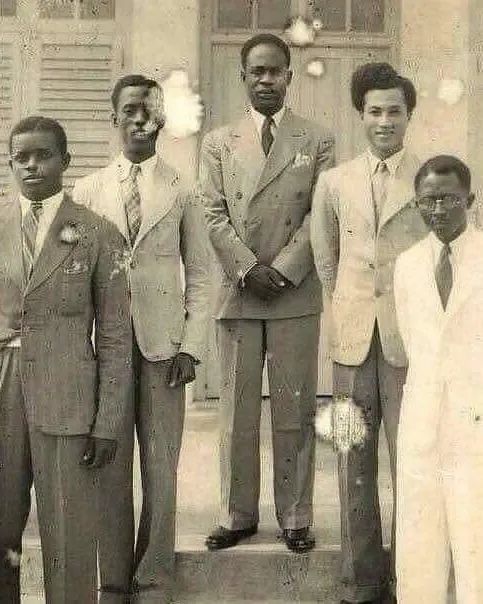
Let me see who knows Bahamian political history. Who are these men standing in front of the first Parliament building?
Apartment for rent in Nassau
$450.00 total to move in now!
Rent is $450 dollars per month!
Available now while it is still vacant.
This is a corner room space for rent at 450 dollars per month. Light is included. If I am home and choose to turn on the room light switch, the electricity is covered.
Please note there is no running water in this corner space because it could cause flooding in the room connected, which is another tenant’s living area. So you stay in your lane.
No pets and no children are allowed on the property at any time. We already have kids living here and want to keep the environment controlled and safe for everyone, my children loved to beat up other people’s children and I’ll probably help them.
Contact:
First Lady Eda McDonald
(242) 888-8888
Apartment next door to Bamboo Shack, and I know the manager. So if you need a Thigh Snack just tell her prophetist first Lady Eda Annie McDonald sent you!
Move into today!
This space won’t last long in today’s Nassau economy. Just remember to stay in your corner .

Forbidden knowledge on generational property
Your keys 🗝️ to Pandora’s box
Statement by: Michael Elijah Muhammad Clare
If I am granted another day of life tomorrow, I intend to reveal to the Bahamian people the final and decisive step required to secure generational property in The Bahamas without the involvement of a lawyer.
This last step is critical. Without completing it, no one can successfully obtain the land they are seeking.
I ask for your prayers and support, because what I am about to disclose may open up a can of worms, and unlock a Pandora’s box that has been tightly sealed for far too long.
Yet many Bahamian’s still do not have a piece of this country to call their own, and the time has come to change that. It is now or never.
I cannot predict what may follow once this information is released. For years, I have navigated challenges and avoided those who sought to hold me back.
I have reached the point where I refuse to continue running. Whatever comes next, I am prepared to face it.
Tomorrow, I intend to open that box and hand Bahamian’s the keys they have been denied for generations.
Should we do this now or continue with the history lesson of your Surnames, or Surnames now and land matters later?
If so let me know which Surnames I don’t do…
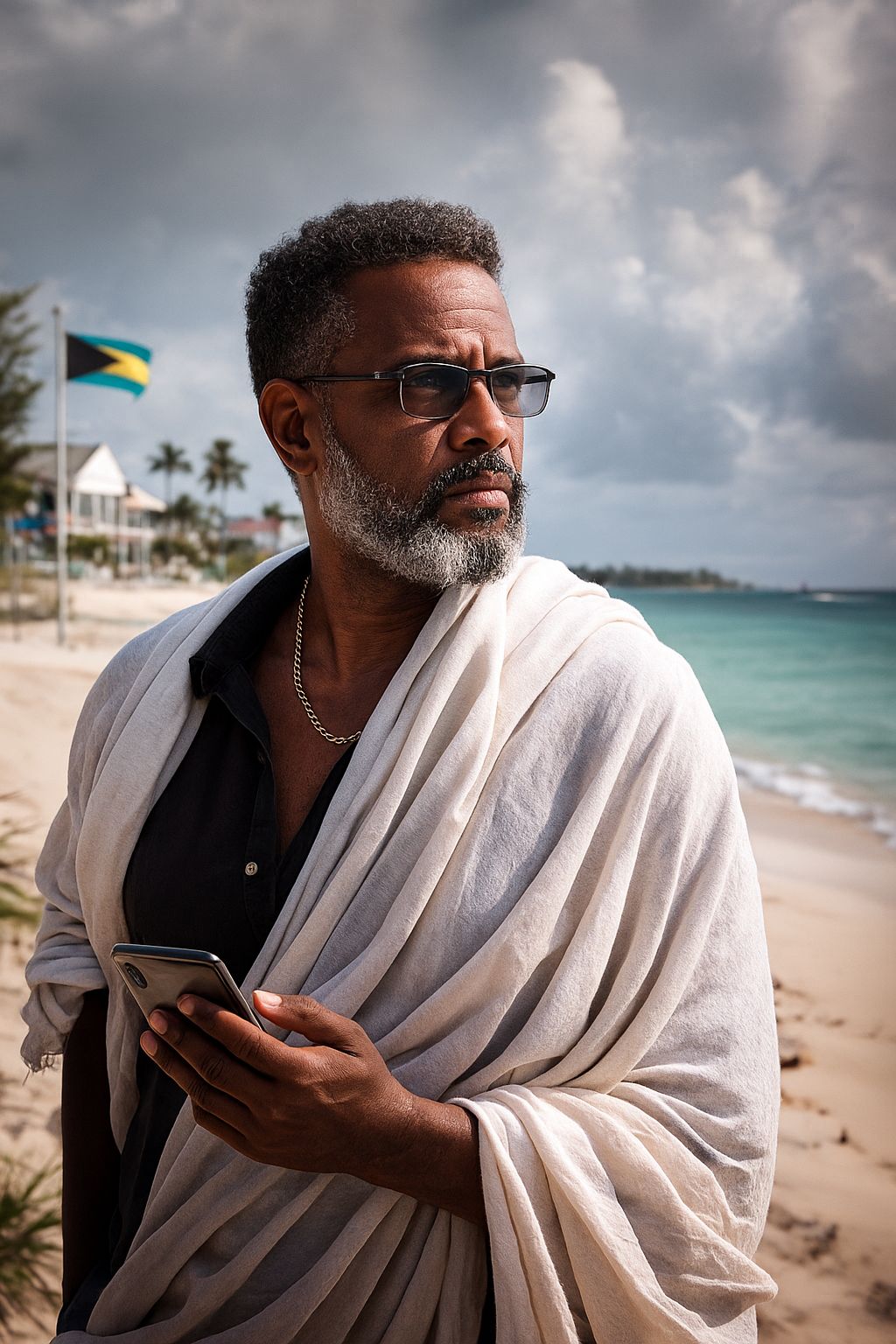
The Magic City
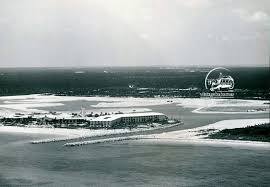
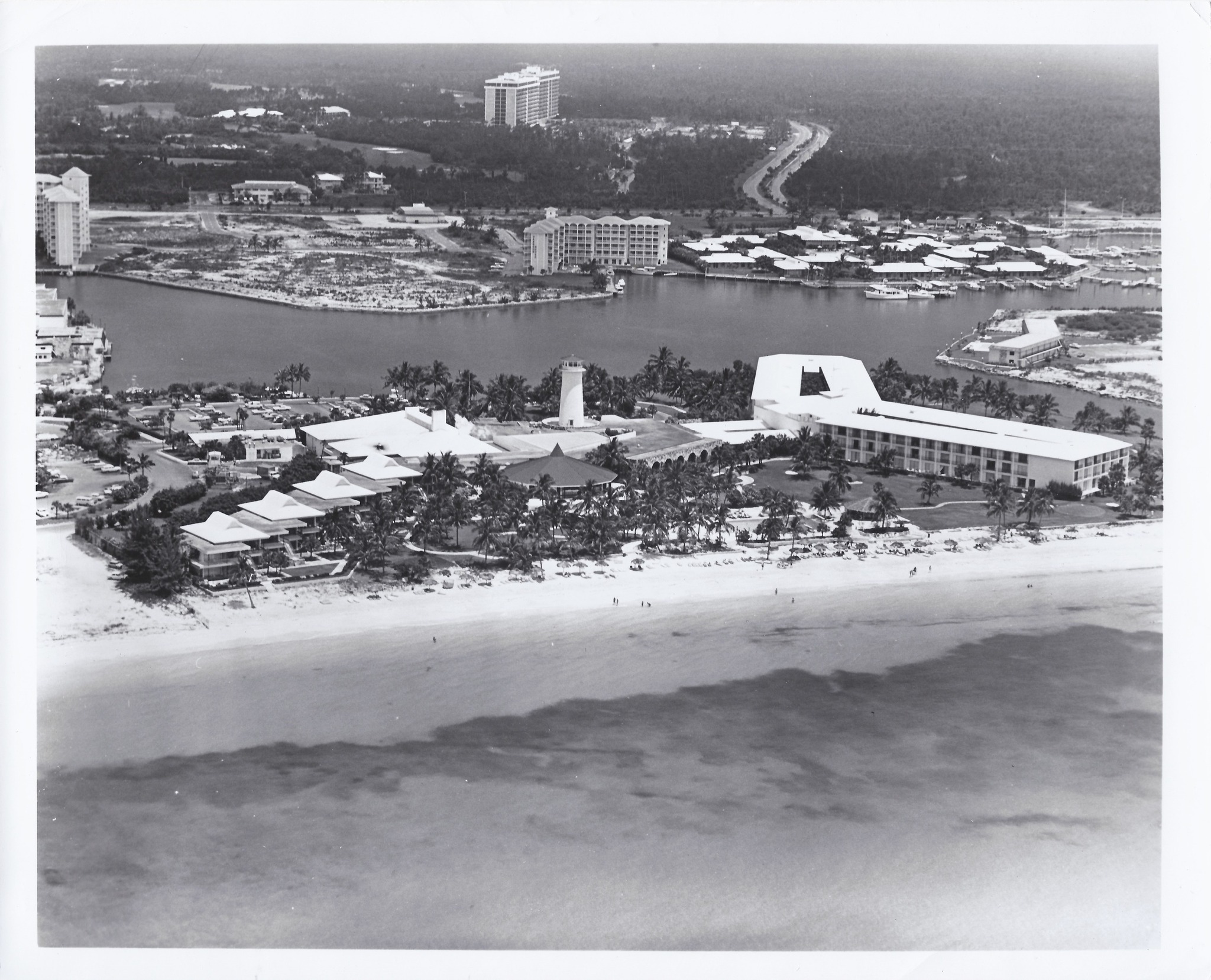
Grand Bahama, when it was really grand
By: Michael Elijah Muhammad Clare
In the heart of the Bahamas archipelago lies Grand Bahama, an island whose name once evoked unparalleled grandeur and prosperity. During the mid-20th century, particularly from the 1950s through the 1970s, Freeport emerged as the “Magic City,” a beacon of economic vitality where opportunities abounded and wealth circulated with the rhythm of the ocean tides. For those born or rooted in Grand Bahama, this era represents a royal heritage, a time when the island’s residents stood as stewards of a thriving domain, their lives intertwined with global luminaries and boundless potential. This narrative explores that golden period, drawing upon the island’s rich historical tapestry to illuminate how Grand Bahama truly lived up to its majestic moniker.
The Birth of a Visionary Realm
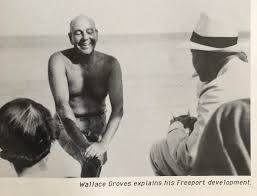
The transformation of Grand Bahama into the Magic City began in earnest with the signing of the Hawksbill Creek Agreement on August 4, 1955. This pivotal accord, forged between the Bahamian government and American financier Wallace Groves, granted the Grand Bahama Port Authority (GBPA) extensive lands, initially 50,000 acres, with options for more, and sweeping tax exemptions on income, capital gains, real estate, and private property until 1985, later extended to 2054.
Groves, a Virginian entrepreneur with a background in lumber and finance, envisioned Freeport as a harmonious blend of industry and leisure, rising from a sparse pine forest into a self-sustaining metropolis.
Under Groves’s stewardship through the GBPA, infrastructure materialized with remarkable speed. A deep-water harbor was constructed to facilitate trade, while the Grand Bahama International Airport was established as a vital gateway, welcoming streams of visitors and investors via fully booked flights from the United States and beyond. Hospitals, schools, and residential developments followed, fostering a community where Bahamian’s could thrive. By 1965, over 416 companies operated under license in the industrial zone, generating employment that elevated local families to positions of influence and affluence.
Yet, Groves’s role elicited mixed sentiments. On one hand, he was hailed as a pioneering architect who catalyzed unprecedented growth, creating jobs and attracting capital that turned barren lands into a prosperous haven. His foresight ensured that money flowed like the island’s crystalline rivers, with every resident seemingly possessing wealth as abundant as the grains of sand on Lucaya Beach.
However, critiques emerged regarding his past, Groves had faced legal challenges in the 1940s, including a conviction for mail fraud, which cast shadows on his Wall Street reputation. Political tensions arose as well; by the late 1960s, Bahamian leaders like Prime Minister Lynden Pindling viewed the GBPA’s autonomy as an unbending structure that marginalized local governance, famously declaring in a 1969 speech that such systems must “bend or break.”
In 1978, Groves was bought out by successors Sir Jack Hayward and Edward St. George, who continued the legacy amid ongoing debates over equity and control. Despite these complexities, Groves’s contributions indelibly shaped Grand Bahama as a realm where natives reigned supreme, their island a jewel in the Bahamian crown.
The Golden Age of Hospitality and Hustle
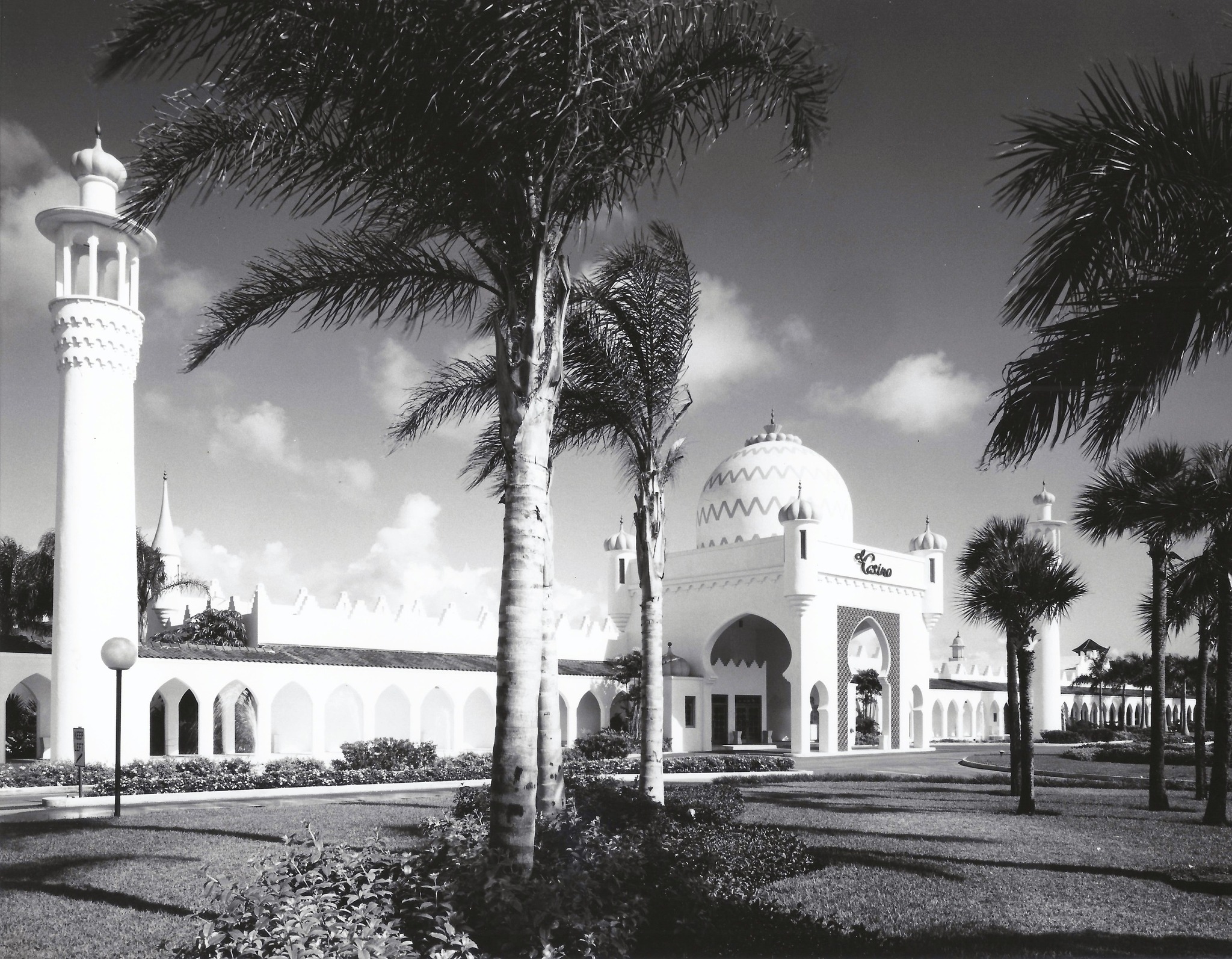
The 1960s marked the peak of Freeport’s enchantment, as the hotel industry boomed and the city pulsed with ceaseless energy. The Lucayan Beach Hotel opened its doors, followed by the Monte Carlo Casino in 1964, igniting a tourism surge that rivaled Havana’s pre-revolutionary glamour.
Resorts like the Bahamas Princess and the Xanadu Beach Resort & Marina offered opulent accommodations and world-class entertainment. Nightclubs brimmed with patrons until dawn, and select restaurants operated around the clock, embodying the ethos of a city that never slept. Casinos drew gamblers from around the world, their operations fueling an economy where fortunes could shift overnight.
Industry complemented tourism. The 1970s brought expansions in oil refining, cement manufacturing, and shipping terminals, diversifying revenue streams and ensuring sustained prosperity. The Grand Bahama International Airport, busy, modern, always humming, served as the island’s connection to the globe.
For Grand Bahamian’s, this was an age of abundance. Local entrepreneurs hosted international elites at galas, and stories of islanders rising from modest beginnings to wealth and influence were common. Opportunity wasn’t a dream; it was the air everyone breathed.
Luminaries Amid the Palms
The Magic City’s glow drew icons from every corner of the world.
Howard Hughes, the reclusive billionaire aviator, relocated to Grand Bahama in the 1970s, residing in the penthouse of the Xanadu Beach Resort. His presence turned the hotel into a symbol of intrigue and prestige.
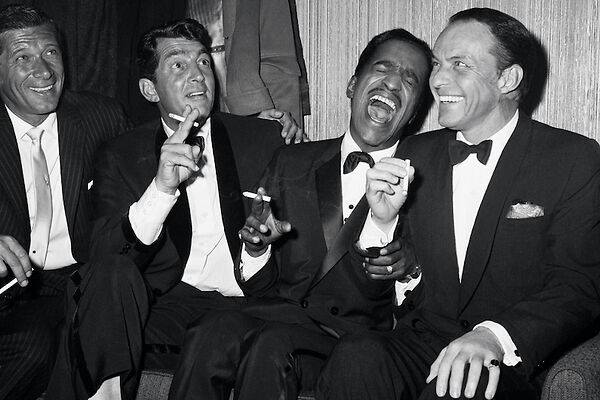
The Rat Pack
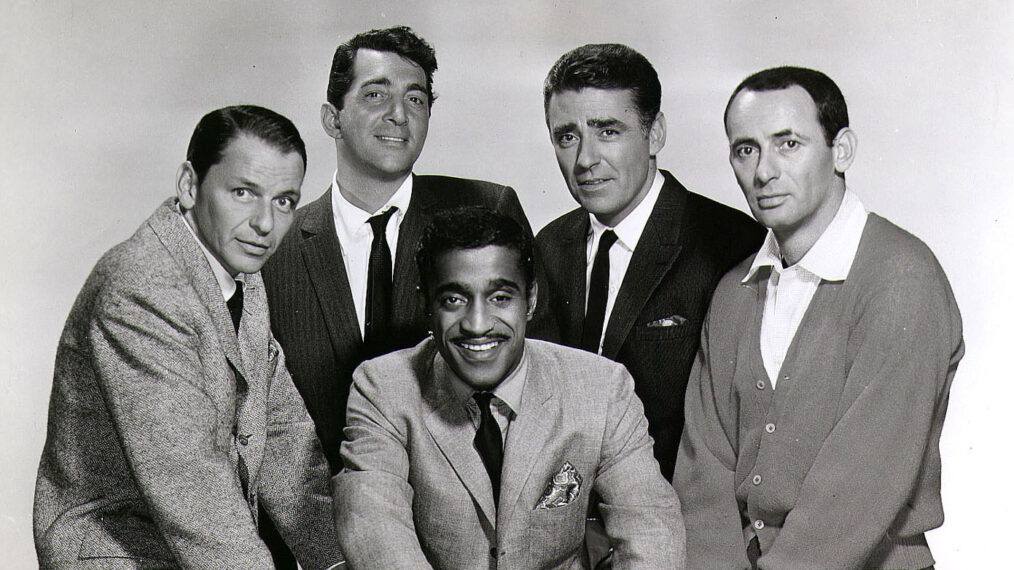
Frank Sinatra, Dean Martin, Sammy Davis Jr. were regulars, electrifying casino nights with spontaneous performances and unforgettable parties. Sinatra himself was known to perform an impromptu song or two beneath the bright Monte Carlo lights.
Hollywood legends like Cary Grant and Princess Grace of Monaco wandered Freeport’s beaches and gala halls. Aristotle Onassis docked his yacht in the harbor for extended stays, bringing with him the aura of international aristocracy. Even rising political figures like Richard Nixon found solace and strategy time on the island.
These weren’t distant visitors. They mingled with locals. They shared conversations, drinks, dances, and stories. For Grand Bahamian’s, celebrity encounters were woven into daily life, affirming a sense of royalty and cosmopolitan pride.
A Timeless Legacy of Royalty
Grand Bahama’s golden age wasn’t just an economic boom, it was a cultural awakening, a moment when its people stood tall as guardians of a prosperous, world-renowned island. From visionary beginnings to star-studded nights, this was a kingdom built from pine forest and imagination, where Bahamian’s lived as both hosts and honored citizens of a global city.
For anyone born on Grand Bahama, this is your inheritance, your legacy. A reminder that the spirit of the Magic City still lives in you.
Reviving Grand Bahama A Bold Path to Economic Resurrection
Grand Bahamas decline stems from bureaucratic hurdles, corruption, and outdated policies that repel global investors, but targeted reforms could reignite its Magic City glory. Research indicates systemic issues like red tape and graft have stifled growth, yet models from other nations show citizenship incentives and transparency can attract billions.
The Port Authority and government often scare off billionaires through excessive demands and instability. Addressing this with streamlined approvals and anti corruption measures is essential. Evidence suggests informal fees and political interference have historically deterred high profile investments, much like how proximity to innovators like Elon Musk has not translated to inflows because of these barriers.
Implementing automatic citizenship for major investors could flood the economy with fresh capital, benefiting locals directly. Programs in other countries show that granting citizenship for multimillion dollar investments boosts GDP and job creation, potentially accelerating wealth distribution in the Bahamas.
Corruption, where politicians seek personal gains behind closed doors, has poisoned the investment climate. It is time for zero tolerance enforcement. Reports highlight how such practices have driven away potential saviors, leaving the island in a financial coma. Strong oversight could prevent permanent brain death.
Understanding the Core Problems
Grand Bahamas once vibrant economy, fueled by the Hawksbill Creek Agreement, has withered due to a mix of governance failures. The Grand Bahama Port Authority, meant to foster development, now often embodies inefficiency, with long approval processes and disputes that signal instability to outsiders. The Bahamian government has been criticized for policies that prioritize short term political gains over long term stability, including unpredictable regulatory changes that make billionaires wary. Proximity to Florida and innovators like Elon Musk should be a boon, but investors choose predictable environments like the Cayman Islands instead.
Corruption worsens this. Documented cases show how officials demanding kickbacks erode trust and destroy potential partnerships. To reverse this, the Bahamas must confront these issues directly and transform Grand Bahama from a comatose relic into a thriving hub.
Step by Step Revival Strategy
1. Overhaul Bureaucracy and Streamline Investments
Simplify GBPA and government approvals to under 90 days. Use models from places like Singapore to eliminate red tape that frustrates global players.
2. Crack Down on Corruption with Full Transparency
Enforce public disclosure of investor negotiations and independent audits. Expose and punish backroom political demands and rebuild trust.
3. Launch Automatic Citizenship for Big Investors
Offer citizenship for investments of 5 million dollars or more in key sectors like tourism or technology. This proven strategy from other nations can channel major wealth into local hands.
4. Diversify and Innovate the Economy
Invest in green energy, digital hubs, and advanced industries while training Bahamian’s to fill these roles.
5. Foster Public Private Partnerships
Encourage billionaires to mentor local entrepreneurs and keep money circulating throughout the island.
These steps could wake Grand Bahama from decades of stagnation and prevent irreversible decline.
Potential Impacts and Risks
Citizenship programs must be monitored to avoid abuse, but the upside is massive. More capital, more jobs, stronger GDP, and better opportunities for Bahamian’s. Proper vetting protects sovereignty while unlocking prosperity.
Grand Bahama Island, once the beating heart of the Bahamas economy, now lies in a dire financial coma. The ports are quiet, hotels half empty, and the past prosperity feels like a fading memory. The GBPA and the government, through bureaucratic inertia and corruption, have chased away investors including billionaires in nearby Florida. It is time to apply a fierce and strategic cure to pull the island back from financial brain death.
This blueprint lays out exactly how. It exposes the roots of decline, the government patterns that repel wealth, and the reforms needed to rebuild trust. Automatic citizenship for major investors could ignite rapid economic growth and create local opportunities. Global models, historical data, and economic research all support this strategy. Ignore it and Grand Bahama risks permanent decline. Follow it and the Magic City can rise stronger than ever.
The Deep Rooted Sickness How Governance Failures Repel Global Wealth
Grand Bahamas decline comes from years of policies that tell investors to stay away. The GBPA has become a slow and unpredictable gatekeeper. Approval processes take years and are filled with surprise fees and shifting rules. Foreign direct investment has dropped from over 500 million dollars in the early 2000s to under 100 million today. Billionaires like Elon Musk avoid the Bahamas because political instability signals that investments could be trapped or lost.
The Bahamian government has added to the problem with tax hikes, policy flip flops, and slow infrastructure modernization. Even the airport remains outdated years after Hurricane Dorian. Investors see the island as high risk and low reliability.
The Poison of Corruption Greedy Hands in the Shadows
Corruption is the silent killer of Grand Bahamas economic future. Politicians seeking personal gain demand kickbacks, favors, or special arrangements during negotiations. These behaviors have been documented and have chased away billions in potential development. A corrupt environment pushes away global investors and leaves locals suffering high unemployment and decaying infrastructure. It is a cycle that must be broken.
The Cure Automatic Citizenship as an Economic Defibrillator
Automatic citizenship for investors is a proven strategy around the world. Countries like Portugal and Malta have attracted billions through investment based citizenship or residency programs. This approach brings immediate capital, new industries, and thousands of local jobs. For the Bahamas, setting clear thresholds like 5 million dollars for residency or 10 million dollars for citizenship could transform Grand Bahama quickly. Strict vetting ensures safety while encouraging innovation and growth.
Step by Step Roadmap to Glory
1. Diagnose and Remove Corruption Quickly
Independent audits of government and GBPA operations followed by public reports and real consequences. Transparency attracts investors and restores confidence.
2. Streamline Investment Processes
60 day approval timelines, single digital portals, and aligned government policies. Major infrastructure upgrades to make Grand Bahama competitive.
3. Introduce Investment Based Citizenship
Clear investment categories that lead directly to residency or citizenship and attract global innovators, including those just across the water in Florida.
4. Diversify the Economy and Empower Bahamian’s
Build new industries including renewable energy, tech, and biotech. Require local hiring and training programs.
5. Continuous Monitoring and Public Oversight
Citizen oversight boards and digital tracking tools prevent backsliding into corruption.
Comparative Analysis Global Lessons
Other islands have shown the way. Cayman Islands thrives with fast approvals and diverse industries. Malta funds its national progress with citizenship investments. St Kitts and Nevis used its economic citizenship program to surge forward. These success stories show what is possible when a country commits to transparency and innovation.
Addressing Controversies and Concerns
Citizenship programs do not diminish national identity if they are designed with boundaries. Inclusive policies ensure locals benefit first. Sovereignty is not sold when the nation controls the rules. Corruption cannot be excused as cultural. Eliminating it increases opportunities for everyone.
The Human Stakes The Future of Grand Bahama
This revival is about restoring dignity and prosperity to Bahamian’s. Grand Bahamian’s deserve the vibrant economy their parents and grandparents experienced. With strong reforms, new investments can translate into better schools, better hospitals, and stable careers. Without action, decline becomes permanent. With action, a new golden era can begin.
The GBPA and the government must swallow their pride, clean house, and rebuild investor confidence. The Magic City is waiting to be reborn.
What Bahamian Citizens Can Do Starting Today
Twist Their Arm and Force Real Action
1. Flood Officials With Daily Pressure
Call constituency offices. Email ministers. Message them on social platforms. Demand transparency, faster approvals, and anti corruption enforcement. Consistent citizen pressure forces movement.
2. Organize Community Action Groups
Neighborhood groups can monitor government behavior, track broken promises, and publicly expose delays or corruption. Unity makes it harder for leaders to ignore.
3. Attend Every Town Hall and Public Meeting
Raise detailed questions. Demand timelines and accountability. Record interactions and share them publicly so silence is not an option.
4. Support and Reward Honest Businesses
Uplift local entrepreneurs who operate fairly and transparently. Public support strengthens ethical economic culture.
5. Use Peaceful Public Demonstrations
Rallies, marches, and peaceful gatherings send a clear message. When enough Bahamian’s stand together, government and GBPA officials cannot pretend everything is fine.
6. Demand Public Release of All Investment Negotiations
Push for laws requiring disclosed deals, published agreements, and published timelines. Any refusal becomes a red flag citizens can rally against.
7. Vote Strategically and Hold Politicians Accountable
Support candidates committed to reform and transparency. Remove those who protect the old system.
8. Use Social Media as a National Pressure Tool
Share reports, demand answers, expose delays, and highlight corruption patterns. Public visibility forces officials to act.
9. Collaborate With Local Businesses, Churches, and Civic Groups
Broad coalitions amplify pressure. The more diverse the voices, the faster leaders respond.
10. Refuse to Normalize Corruption
Call out favoritism, secret deals, and backdoor arrangements every time. Refusing silence is the most powerful leverage citizens have.
When Bahamian’s unite and apply pressure daily, political leaders and the GBPA cannot stall or hide. Change comes from consistent, organized, unrelenting public demand.
REMEMBER CORRUPTION LOVES TO HIDE IN THE DARK.
The FREEDOM OF INFORMATION BILL should be passed in the next HOA setting, since y’all love passing bills so quickly in parliament these days!
I just almost told Bahamian’s to stop voting in elections, but I ain’t gah say it… 😡
See pictures below 👇
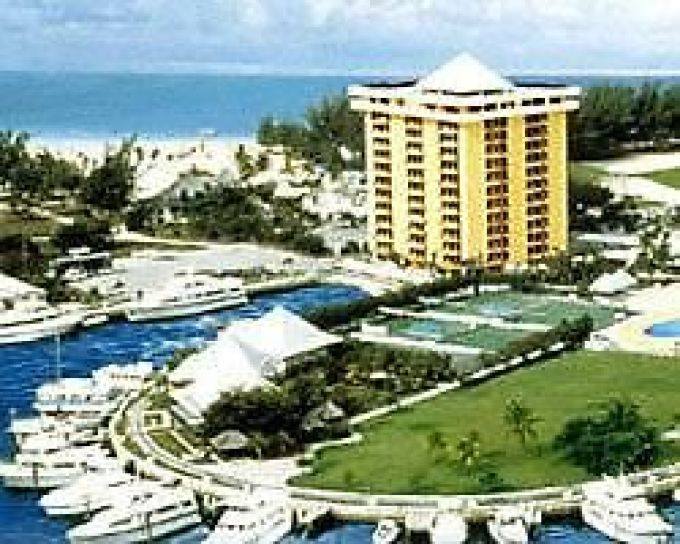

Da Haitian’s
The Haitian Diaspora in the Bahamas
Historical Connections, Migration Realities, and Enduring Inequities
By: Michael Elijah Muhammad Clare
The presence of Haitian heritage within the Bahamian population represents a complex tapestry woven from centuries of transatlantic displacement, colonial exploitation, and regional interconnectedness. Descendants of Haitian lineage form a significant portion of the Bahamas’ diverse society, particularly in the southern islands, where their contributions to agriculture, labor, and cultural life have been profound yet often overlooked. This article examines the historical migrations of Haitians to the Bahamas before and after the abolition of slavery, the African ethnic origins of enslaved populations in both regions, the cross-movements of enslaved individuals, and the persistent challenges faced by people of Haitian descent in securing Bahamian citizenship. Drawing on established historical records, it underscores the limited scale of post-slavery Haitian migration to the Bahamas, contrasting sharply with larger flows to other destinations, and highlights systemic delays in legal recognition that undermine social cohesion.
Historical Migration Patterns: Modest Inflows Amid Broader Diasporic Currents
The roots of Haitian migration to the Bahamas trace back to the Haitian Revolution from 1791 to 1804, when enslaved Africans and free people of color overthrew French colonial rule and established the world’s first independent Black republic. As violence escalated, a modest number of Haitian planters, free people of color, and their enslaved laborers sought refuge in nearby British territories, including the Bahamas. In 1793, the Bahamian Assembly imposed a tax on arriving Haitian slaves and free people of color, reflecting early tensions over this influx, though the overall numbers remained small, estimated in the hundreds. These early arrivals settled primarily in the southern islands such as Inagua and Mayaguana, where they contributed agricultural knowledge and labor to isolated communities.
Following the abolition of slavery in the British Empire in 1834, Haitian migration to the Bahamas continued on a very limited scale. Historical accounts describe the flow as small but consistent, driven by opportunities in salt raking, farming, and fishing. Only a few hundred Haitians arrived during this period. There is no evidence supporting claims of thousands of Haitians migrating en masse after emancipation. In contrast, over 10,000 Haitians migrated to Louisiana between 1809 and 1810 due to post-revolution turmoil. These migrants influenced New Orleans culture, shaping Creole traditions that endure today.
This contrast shows a key truth. The Bahamas served as a refuge only for a select few Haitians, often those connected by family ties or immediate necessity. Louisiana, with greater resources and established networks, became the primary destination for Haitians fleeing instability.
African Ethnic Origins: Shared Yet Distinct Legacies of Enslavement
Both Haitian and Bahamian identities are tied deeply to the transatlantic slave trade. In Haiti, then called Saint-Domingue, French planters imported over 800,000 enslaved Africans from the Bight of Benin, the Gold Coast, and the Kingdom of Kongo. Major ethnic groups included the Nago, Fon, Ewe, Mandingo, and Kongolese peoples. Their traditions shaped Haitian culture and spirituality, including the origins of Haitian Vodou.
The Bahamas received far fewer enslaved Africans under British control, around 10,000 to 15,000 by the early 1800s. These Africans came mainly from Senegambia, the Gold Coast, and the Bight of Biafra, with large populations of Akan, Igbo, Yoruba, and Mandingo peoples. Their influence remains visible in Bahamian music, folklore, and community life.
The Bahamas was further shaped by American Loyalists who migrated with their enslaved laborers after the American Revolutionary War. Between 1783 and 1785, around 1,500 to 2,000 Loyalists brought as many as 5,000 enslaved Africans from the Carolinas and Georgia. These enslaved people, many from Gullah-Geechee communities, blended into the Bahamian population, strengthening the African presence on the islands.
Cross-Regional Movements: The Fluidity of Enslaved Lives
Enslaved people were often relocated as part of the Atlantic world’s trade networks. Some enslaved Bahamians attempted to flee south to Haiti during the revolution, inspired by promises of freedom. In 1822, around 100 enslaved people from Exuma seized a vessel to escape to Haiti, joining others who fled to Cuba. These attempts demonstrate courage and the desire for liberation.
At the same time, Haiti saw thousands of enslaved and free people of color flee toward the United States, especially Louisiana, during the revolution. Many settled in New Orleans, strengthening the free Black population and influencing Creole culture. Unlike the small-scale escapes from the Bahamas to Haiti, Haitian migration to Louisiana was large and historically significant.
Contemporary Challenges: Citizenship Delays and Governmental Inertia
Despite these deep historical connections, people of Haitian descent in the Bahamas face ongoing struggles with citizenship. The Bahamas follows a system where citizenship is inherited through Bahamian parents, which leaves many children of Haitian migrants in limbo even when born in the Bahamas. Processing times for citizenship applications often exceed ten years. This affects tens of thousands of people who have lived legally, worked, paid taxes, and contributed to the economy their entire lives.
This creates a form of statelessness for many individuals. Without citizenship, they cannot access passports, voting rights, or full social participation. Human rights advocates call this discriminatory. Estimates suggest between 80,000 and 100,000 people of Haitian descent now live in the Bahamas, making major contributions to construction, hospitality, agriculture, and healthcare, yet many still lack recognition.
Unlike the United States, where anyone born on American soil receives automatic citizenship, the Bahamas continues policies that limit inclusion. This deepens divisions and slows national progress. Many people of Haitian descent feel Bahamian in every way except on paper.
Successive governments have failed to address these issues. Instead of creating unity and fairness, outdated policies continue to exclude those who have already formed part of the national fabric.
The Smuggling of Migrants Bill 2025 is not what the Bahamas needs to correct years of injustice against the Haitian community and those of Haitian descent. This Bill is a whole different kettle of fish. This Bill will only make the Bahamas turn into a Haiti which no intelligent Haitian wants, that’s why they left it.
It’s lawless and only the rich and well connected benefit there. You’re either rich or poor in Haiti, there’s no middle class.
This Bill is treasonous, and those responsible for producing such a document…