
Area 51 of The Bahamas you never knew about
Area 51 of The Bahamas you never knew about
By: Michael Elijah Muhammad Clare
For decades, Bahamians have whispered things that never made it into schoolbooks, government press releases, or polite dinner conversations. Stories passed down by old folks. Fishermen tales told low over rum. Strange lights over the water. Sounds beneath the sea. Places you’re told not to go, and questions you’re told not to ask.
What if those stories were never just stories?
What if The Bahamas has always been part of something much bigger than tourism brochures and postcard sunsets?
Welcome to what many are now quietly calling the Area 51 of the Bahamas.
Long before the internet, before podcasts, before whistleblowers stood before Congress, Bahamians were already talking. Especially in islands like Andros, Exuma, Cat Island, Eleuthera, and others sitting over some of the deepest, darkest waters on Earth. Waters so deep they might as well be another world.
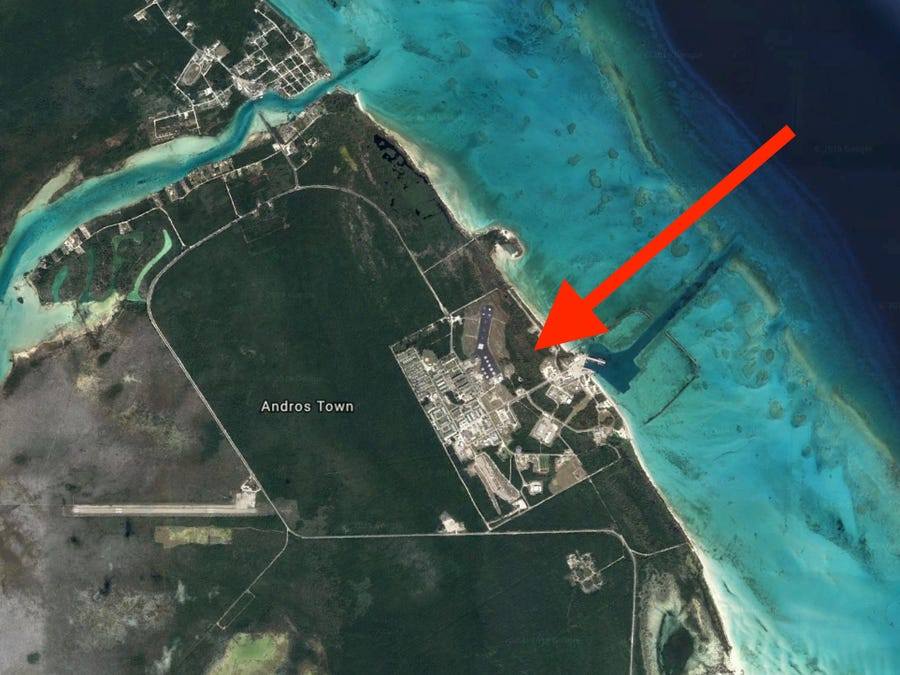
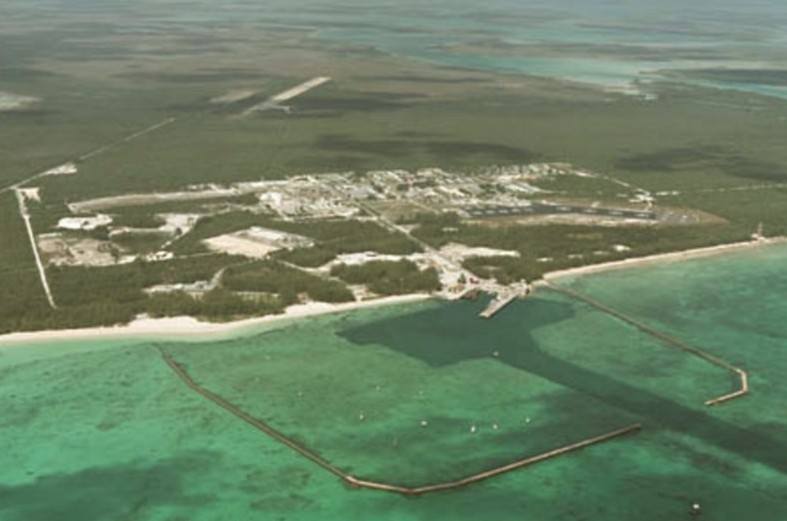
Andros, in particular, sits right next to the Tongue of the Ocean, a massive underwater trench plunging thousands of feet straight down. So deep, so quiet, so perfectly hidden, that the United States military chose it in the early Cold War years as one of the most sensitive undersea testing locations on the planet. Officially, it became known as AUTEC, a U.S. Navy testing facility focused on submarines, sonar, and underwater warfare.
Officially.
But here’s the thing. The military didn’t just randomly pick Andros. They didn’t stumble into Exuma waters by accident. They came because something was already there. Something they didn’t fully understand. Something they couldn’t control. Something they could only study, monitor, and keep secret.
Since the early 1950s, U.S. naval activity in Bahamian waters has been unusually intense, unusually quiet, and unusually secretive. Deep-sea sensors. Long-term acoustic monitoring. Restricted zones. Sudden military movements. Sonar powerful enough to shake the ocean itself. And yet, no nuclear weapons, no missile silos, no obvious reason for this level of obsession unless the sea itself was the subject.
Or what lives beneath it.
Across Exuma, there is a place locals have long called Alien Town. That name didn’t come from science fiction movies or TikTok trends. It came from old people who lived long before social media, long before Hollywood UFOs, long before anyone thought it was fashionable to believe in anything outside official narratives.
They named it that for a reason.
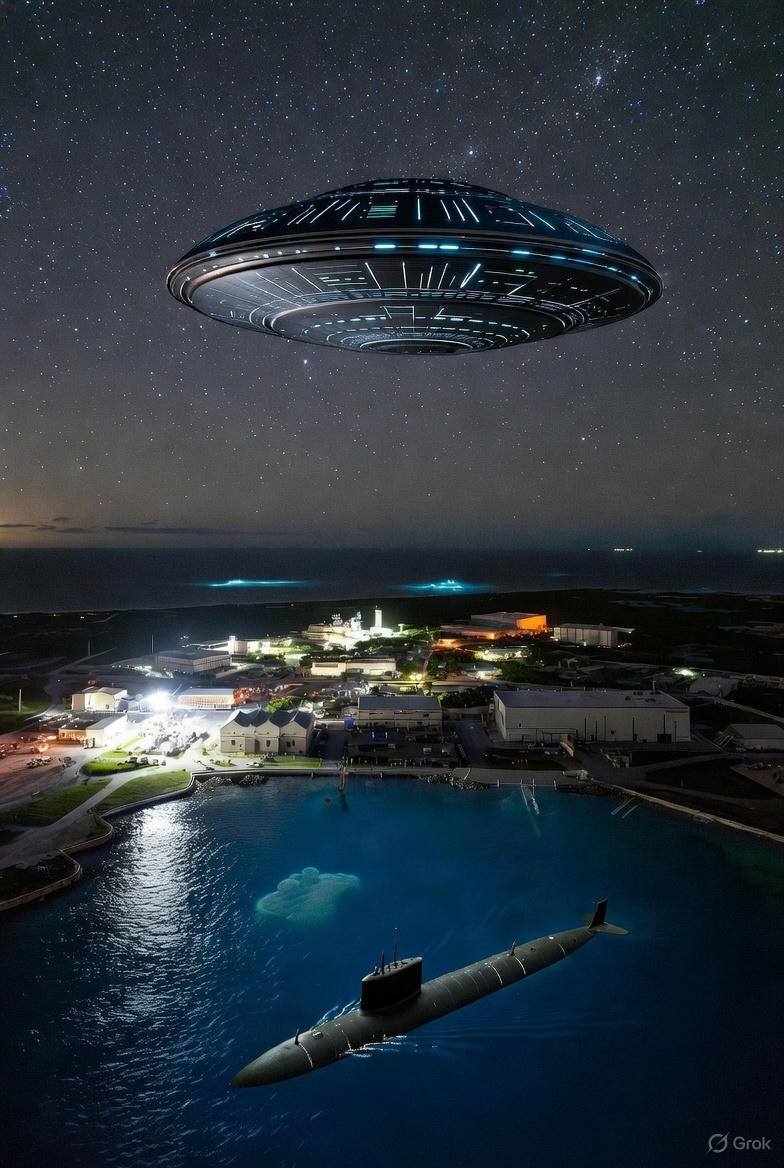
Throughout Bahamian waters, fishermen have reported objects moving faster than any known vessel, entering and exiting the ocean without disturbance. Lights that don’t behave like aircraft. Shapes beneath the surface that make submarines look slow and clumsy. Pilots have spoken of things pacing their planes, then vanishing straight down into the sea.
This isn’t just a Bahamian phenomenon. Globally, scientists and researchers now openly acknowledge unidentified aerial and submersible phenomena. Objects that move seamlessly between air and water. Objects that don’t obey known physics. Objects that seem to prefer oceans, trenches, and deep-water environments.
And here’s where it gets uncomfortable for some people.
Many scholars and independent researchers argue these beings are not visitors at all. They didn’t arrive recently. They didn’t crash here. They didn’t invade. They were already here. Millions of years before us. Living beneath the oceans, inside the Earth, or in dimensions overlapping our own.
Human beings didn’t discover the planet alone.
Now fast forward to today. When a U.S. intelligence whistleblower like David Grusch stands before Congress and states plainly that non-human intelligence exists, that recovered craft exist, and that governments have lied for decades, the world is shocked.
Bahamians shouldn’t be.
Because long before governments, our ancestors knew things. Africans carried knowledge that didn’t die in chains. Oral traditions that survived the Middle Passage. Stories of sky beings, water beings, watchers, teachers. Communication not through machines, but through ritual, instinct, and lineage passed down through the mother line.
Even under slavery, that connection didn’t disappear. It went underground. Quiet. Hidden. Protected.
The Lucayans knew it too. People who lived in harmony with land and sea don’t miss what others overlook. They didn’t need sonar to know something ancient moved beneath the waves.
So when the U.S. military arrived, setting up sensors and listening posts across Bahamian waters, it wasn’t the beginning of the story. It was the continuation of one. A modern chapter of observation, secrecy, and containment.
And let’s be honest. If something powerful, intelligent, and non-human lives beneath your waters, you don’t attack it. You don’t announce it. You study it. You map it. You keep quiet and hope it keeps quiet too.
That’s the real reason the secret lasted so long.
But secrets don’t survive forever.
Now, with governments slowly admitting what they once denied, it’s time Bahamians stop pretending our islands were just spectators. Our geography, our waters, our history place us right in the center of this mystery.
Andros. Exuma. Cat Island. Eleuthera. Places of beauty on the surface. Gateways beneath.
Believe it or don’t. That part is up to you.
But the evidence is there. In declassified documents. In sonar data. In eyewitness testimony. In fossils. In videos. In stories older than empires.
The Bahamas may be paradise to tourists.
But to those who know, it’s something else entirely.
This isn’t science fiction.
This is Bahama Drama.


![I never try hard to fit into any group of people but God's group of angels, sons and daughters, even at work.
So @[100023394293756:2048:Bahama Drama] is usually alone, but amongs](https://lol242.com/wp-content/uploads/bahama-drama/2025/12/e1313a44f3e97f29e7e1.jpg)