I’m saving this video for later 😁 just in case someone tries me…
I’m saving this video for later 😁 just in case someone tries me today, I’ll know how to defend myself…
One day everyone will be worshipping an artificial intelligence…
https://www.facebook.com/share/p/1AGNBMFZmH/
https://www.facebook.com/share/p/1AGNBMFZmH/
Written December 29, 2025
Who all remembers my post to Sabas Bastian a month or so ago above?
Warning comes before destruction…
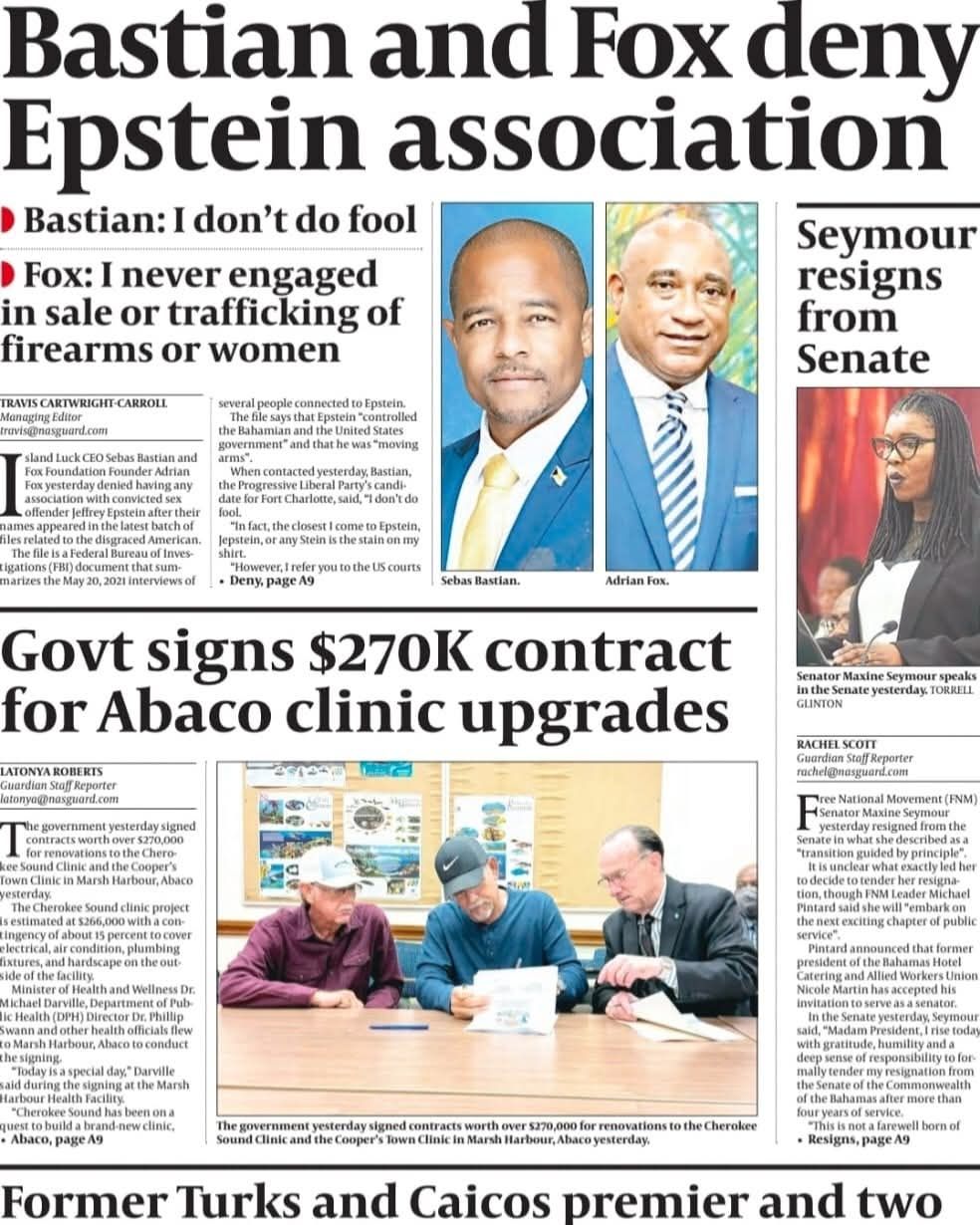
Why the United States Left the Bahamas Without an Ambassador for…
Why the United States Left the Bahamas Without an Ambassador for Nearly 15 Years
By: Michael Elijah Muhammad Clare, an opinion piece!
For almost 15 years, the United States went without a confirmed ambassador to the Bahamas, one of the longest diplomatic gaps anywhere in the world. The post became vacant in 2011 when Ambassador Nicole Avant left, and it was only filled again in late 2025. This means the Bahamas spent roughly 14 to 15 years without a full U.S. ambassador.
This unusually long absence was not accidental. It was not simple bureaucracy. It reflected deeper and ongoing concerns in Washington about governance, transparency, and accountability in the Bahamas.
For decades, Bahamian leaders promised reform. They held consultations. They formed committees. They gave public assurances about improving openness in government. Yet year after year, meaningful action failed to materialize. A strong, enforceable Freedom of Information law that truly empowered citizens to access government records, contracts, spending, and decisions remained delayed or weakened.
From the perspective of the United States, this pattern was troubling.
Transparency is a core principle of modern democracy. It is also central to trust between nations. When a government repeatedly avoids full openness, it raises questions about what is being hidden and why. It suggests that corruption may be protected rather than confronted. It signals weakness in institutional accountability.
Across both Democratic and Republican administrations, U.S. officials continued to engage with the Bahamas. But they did so cautiously. They maintained relations through temporary diplomats and Chargés d’Affaires instead of appointing a full ambassador. This was a subtle but powerful message: the relationship could not be fully elevated without serious governance reform.
The absence of a confirmed ambassador served as diplomatic distancing. It showed hesitation. It reflected doubt. It indicated that the Bahamas was not meeting the standards of openness and integrity expected of a close regional partner.
Meanwhile, Bahamians themselves felt the impact of weak transparency. Citizens struggled to obtain reliable information about public spending, land deals, government contracts, and policy decisions. Rumors replaced facts. Distrust grew. Confidence in institutions weakened. Young people became disillusioned. Investors became cautious.
All of this reinforced international concern.
In today’s world, secrecy is no longer sustainable. Technology has transformed access to information. Documents circulate instantly. Whistleblowers speak. Journalists investigate. Social media amplifies public demands. Governments can no longer control narratives through silence.
Bahamians are more connected, more informed, and more demanding than ever before. People want answers. They want proof. They want accountability. They want to know how their country is being managed.
This is why the Bahamas now has no real choice.
A strong Freedom of Information law is no longer optional. It is not a political favor. It is not a campaign slogan. It is a requirement for credibility in the modern world.
If the Bahamas wants full diplomatic respect, it must embrace transparency.
If it wants serious international partnerships, it must guarantee openness.
If it wants investor confidence, it must ensure accountability.
If it wants public trust, it must deliver honesty.
The nearly 15-year absence of a U.S. ambassador was not random. It was a consequence. It was the cost of delay. It was the price of secrecy.
It reflected years of frustration with empty promises and stalled reform.
Today, the message is clear.
Transparency is not negotiable.
Corruption is not defensible.
Secrecy is not sustainable.
The world has changed. The people have changed. Technology has changed everything.
The Bahamas can either embrace openness and regain full international respect, or repeat old habits and risk being doubted again.
Freedom of Information is not just a law.
It is the foundation of trust.
And without trust, no nation can truly stand strong at home or abroad.
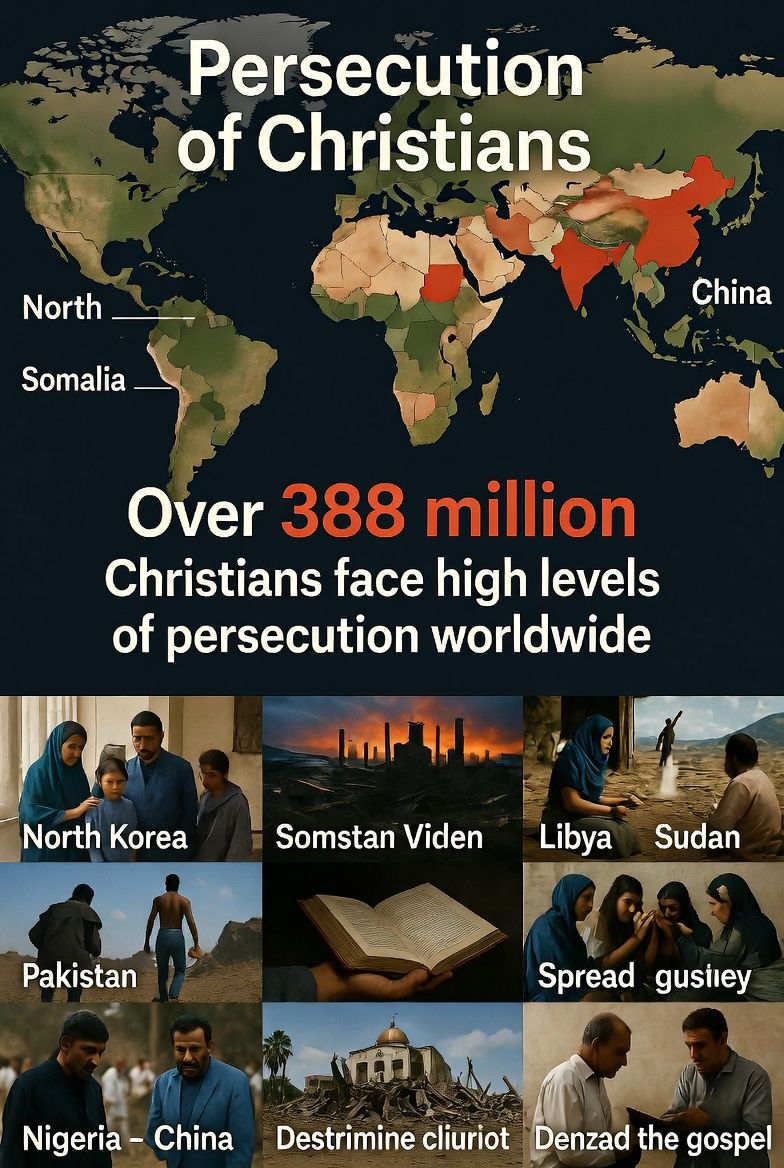
Escalating Global Persecution of Christians: Evidence from…
Escalating Global Persecution of Christians: Evidence from Established Sources
By: Michael Elijah Muhammad Clare
In the contemporary global landscape, religious persecution persists as a profound challenge to human rights and human dignity. Based on the 2026 World Watch List compiled by Open Doors, a recognized authority in monitoring faith-based discrimination, more than 388 million Christians worldwide are subjected to high or extreme levels of persecution. This figure represents nearly one in seven Christians facing targeted discrimination, physical violence, arbitrary detention, arbitrary arrests, or severe restrictions on religious practices because of their faith in Jesus Christ.
The epicenters of intensified persecution remain concentrated in nations such as North Korea, Somalia, Libya, Pakistan, Sudan, Nigeria, and China, extending across parts of the Middle East and Asia. In these regions, Christians face systematic hostility. Believers are harassed, threatened, imprisoned, or assaulted. Churches are monitored, demolished, or forced to close. Religious gatherings are restricted, and communities are pressured to abandon or dilute their beliefs. These conditions violate fundamental human rights and contribute to long-term social and humanitarian instability.
Open Doors’ research highlights how persecution is often driven by authoritarian governments, extremist ideologies, or hostile social systems. In North Korea, Christianity is viewed as a direct threat to state loyalty, resulting in labor camps and executions. In Somalia and Libya, militant groups enforce religious conformity through violence. In Pakistan and Nigeria, legal systems and mob activity expose Christians to false accusations, lynching, and displacement. In China, state control over religion has become increasingly strict, demanding loyalty to Communist ideology above spiritual authority.
State Control and Alteration of Christian Teachings in China
One of the most troubling developments in China is not only the restriction of worship, but also the manipulation of Christian doctrine itself. Under President Xi Jinping’s Sinicization of Religion policy, churches are required to align Christian teachings with socialist values and Communist Party ideology. This includes censorship, rewriting sermons, altering religious texts, and replacing biblical teachings with political messaging.
A widely reported example emerged in 2018 from a Chinese government-approved textbook titled Professional Ethics and Law. In this publication, a story based on John 8:7–11, the biblical account of Jesus and the woman caught in adultery, was radically altered.
In the authentic Bible, Jesus responds to those who want to stone the woman by saying
Let any one of you who is without sin be the first to throw a stone at her
John 8:7
He then forgives the woman and tells her to go and sin no more, demonstrating mercy, grace, and redemption.
However, in the Chinese state-approved version found in the textbook, the story was rewritten to say
When everyone left, Jesus stoned the woman himself and said, I am also a sinner. But if the law could only be carried out by sinless people, the law would be dead.
This version presents Jesus as participating in violence and justifying harsh punishment, completely contradicting the central Christian message of forgiveness and compassion. While this altered story did not appear in official church Bibles, it was published in government materials used for education and ideological training, reflecting how authorities are willing to reshape religious narratives to fit political agendas.
In addition, reports from house churches and independent Christian groups indicate that some state-approved churches have been pressured to replace biblical passages with quotations from Communist leaders, display national flags in sanctuaries, and reinterpret scripture to promote loyalty to the Party above loyalty to God.
Broader Implications for Religious Freedom
These actions demonstrate that persecution is not limited to physical violence or imprisonment. It also includes spiritual and intellectual control. By altering sacred texts and restricting authentic teaching, authorities seek to weaken the core of Christian belief and reshape faith into a tool of state ideology.
For many Chinese Christians, this represents a direct attack on their conscience. Refusing to accept distorted teachings can lead to harassment, loss of employment, surveillance, or detention. As a result, millions continue to worship in secret, risking severe consequences to remain faithful to their convictions.
Resilience of the Global Christian Community
Despite relentless pressure, persecuted Christians around the world continue to demonstrate extraordinary resilience. Underground churches, home fellowships, and informal prayer groups remain active even in the harshest environments. Believers share resources, encourage one another, and quietly spread their faith despite constant danger.
In China, North Korea, and other restrictive nations, many Christians choose obedience to God over safety, believing that spiritual integrity is worth personal sacrifice. Their courage stands as a powerful testimony to the enduring strength of faith under oppression.
A Call for Awareness and Solidarity
The manipulation of Christian scripture in China, combined with widespread persecution across multiple regions, highlights the urgent need for global attention and advocacy. Religious freedom is not merely about the right to worship publicly. It includes the right to believe, teach, and practice faith without political interference.
International organizations, governments, and civil society must continue to hold oppressive regimes accountable and support victims of religious discrimination. Silence enables injustice to spread.
In reflection, believers and supporters worldwide are encouraged to stand in solidarity with those suffering for their faith. Through prayer, awareness, and responsible advocacy, the global community can help preserve the fundamental right to religious freedom.
May those facing persecution find strength in divine grace. May the true message of the gospel, centered on love, forgiveness, and redemption, continue to reach hearts across borders and ideologies. And may truth prevail over distortion, even in the face of powerful opposition.
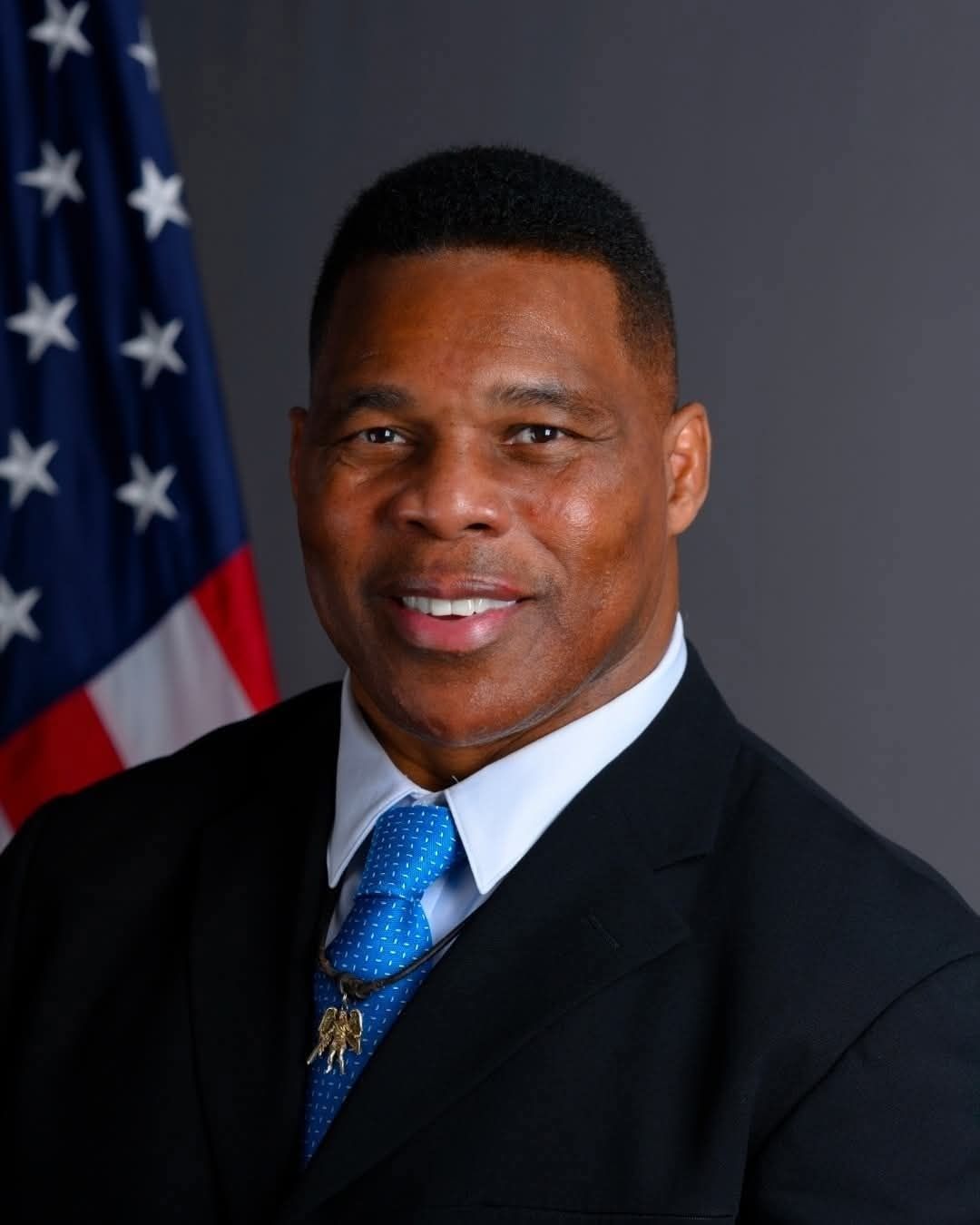
US AMBASSADOR CALLS ON BAHAMAS TO RETHINK CHINA HOSPITAL DEAL
US AMBASSADOR CALLS ON BAHAMAS TO RETHINK CHINA HOSPITAL DEAL
By: Michael Elijah Muhammad Clare
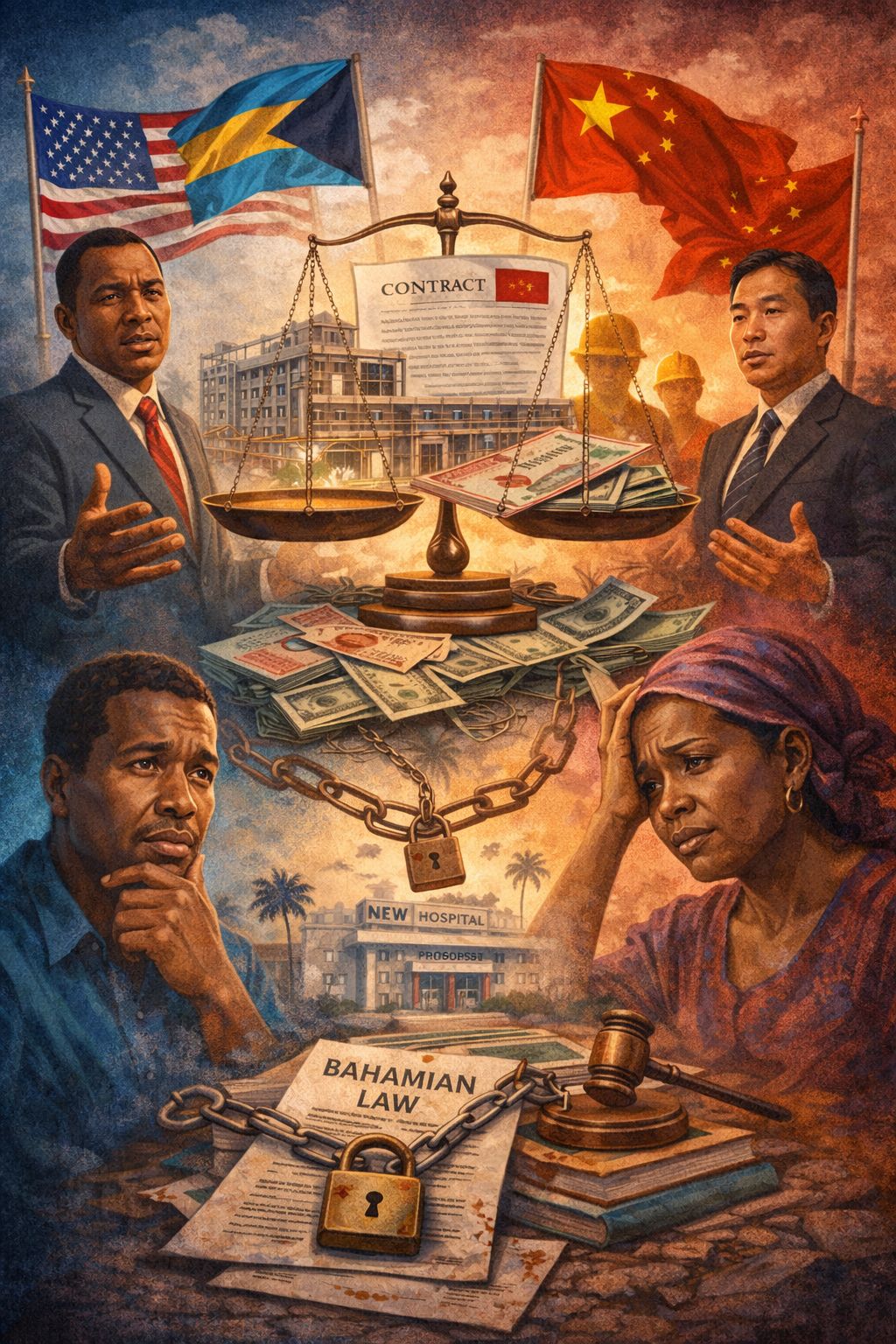
The United States ambassador to The Bahamas has publicly urged the Bahamian government to reconsider its financing agreement with China for the new specialty hospital planned for western New Providence, warning that the current terms may not be in the nation’s best long-term interests.
Ambassador Herschel Walker said the deal, which involves Chinese financing governed under Chinese law and labour standards, raises serious concerns about sovereignty, transparency, and national control. He suggested that allowing foreign legal systems to operate on Bahamian soil could weaken the country’s authority over its own major infrastructure.
A major concern surrounding the agreement is whether Chinese laws written into the contract could supersede Bahamian laws once the deal is signed. In many Chinese-backed financing agreements around the world, clauses require that disputes, enforcement, and financial obligations be handled under Chinese law or Chinese-approved arbitration systems. This means that if legal conflicts arise, Bahamian courts may have limited authority, and decisions could be made outside of The Bahamas.
Legal experts note that when foreign governing-law clauses are included in contracts, they can override local legal protections in specific areas covered by the agreement. While Bahamian constitutional law would still apply nationally, parts of the hospital project, including financing, construction, and management, could fall under foreign legal jurisdiction. This raises concerns about whether The Bahamas would be able to fully defend its interests if disagreements occur.
Under such arrangements, disputes may be sent to arbitration bodies approved by Beijing rather than neutral international courts. This can place smaller nations at a disadvantage, especially when facing large state-backed institutions with significant legal and financial resources.
Another major issue involves state influence. Many Chinese construction companies and lending banks are owned or controlled by the Chinese government. This means that business decisions may reflect political priorities, not just economic fairness. Contracts can be structured to strongly protect Chinese lenders while limiting the borrowing country’s flexibility.
Labour standards under Chinese-backed projects have also raised concerns globally. These agreements sometimes permit the importation of large numbers of Chinese workers, reducing employment opportunities for local citizens. In some international projects, local participation has been far lower than promised.
Chinese labour practices may differ from Bahamian and international standards. Past overseas projects have reported long working hours, limited overtime pay, restricted union activity, and weaker workplace safety oversight. When contractors manage their own workforce under foreign rules, host governments often struggle to enforce local labour laws.
Procurement rules in Chinese-financed projects may require the use of Chinese suppliers, equipment, and materials. This limits opportunities for Bahamian businesses and reduces the economic ripple effect within the local economy.
Financial transparency is another concern. Some Chinese development loans include confidentiality clauses that restrict public access to full contract details. This makes it difficult for citizens and watchdog groups to fully evaluate long-term costs, risks, and obligations.
In several countries worldwide, difficulties in repaying similar loans have led to renegotiations under unfavourable terms, including longer debt periods, increased interest, or expanded foreign involvement in national assets. While not every project follows this path, financial analysts warn that the risks must be carefully examined.
Supporters of the hospital agreement argue that the Chinese loan offers favourable repayment terms and low interest rates, making it one of the most realistic options available for a project of this size. They say the new facility will modernise healthcare services and relieve pressure on existing hospitals.
Government officials have stressed that the project is essential for improving maternal care, emergency services, and specialised treatment across New Providence and the wider Bahamas. They insist that safeguards are in place to protect national interests.
China’s representatives in The Bahamas have defended the agreement, stating that the financing is based on mutual cooperation and carries no political conditions. They maintain that the project was requested by the Bahamian government and is intended to benefit the public.
However, critics argue that any agreement that places parts of national infrastructure under foreign legal influence deserves maximum scrutiny. They warn that once contracts are signed, reversing or challenging unfair terms can be extremely difficult and costly.
The issue has now become part of a wider geopolitical struggle, as major world powers compete for influence across the Caribbean. The Bahamas finds itself balancing urgent development needs with long-term independence and strategic security.
Many Bahamians and international observers are now watching closely as leaders weigh whether to continue with the current arrangement or seek alternative financing that remains fully governed under Bahamian and internationally neutral legal systems.
As the debate continues, one message remains clear: Bahamians want modern healthcare, transparent leadership, strong legal protection, and agreements that preserve sovereignty, create local opportunity, and place the nation’s future first…
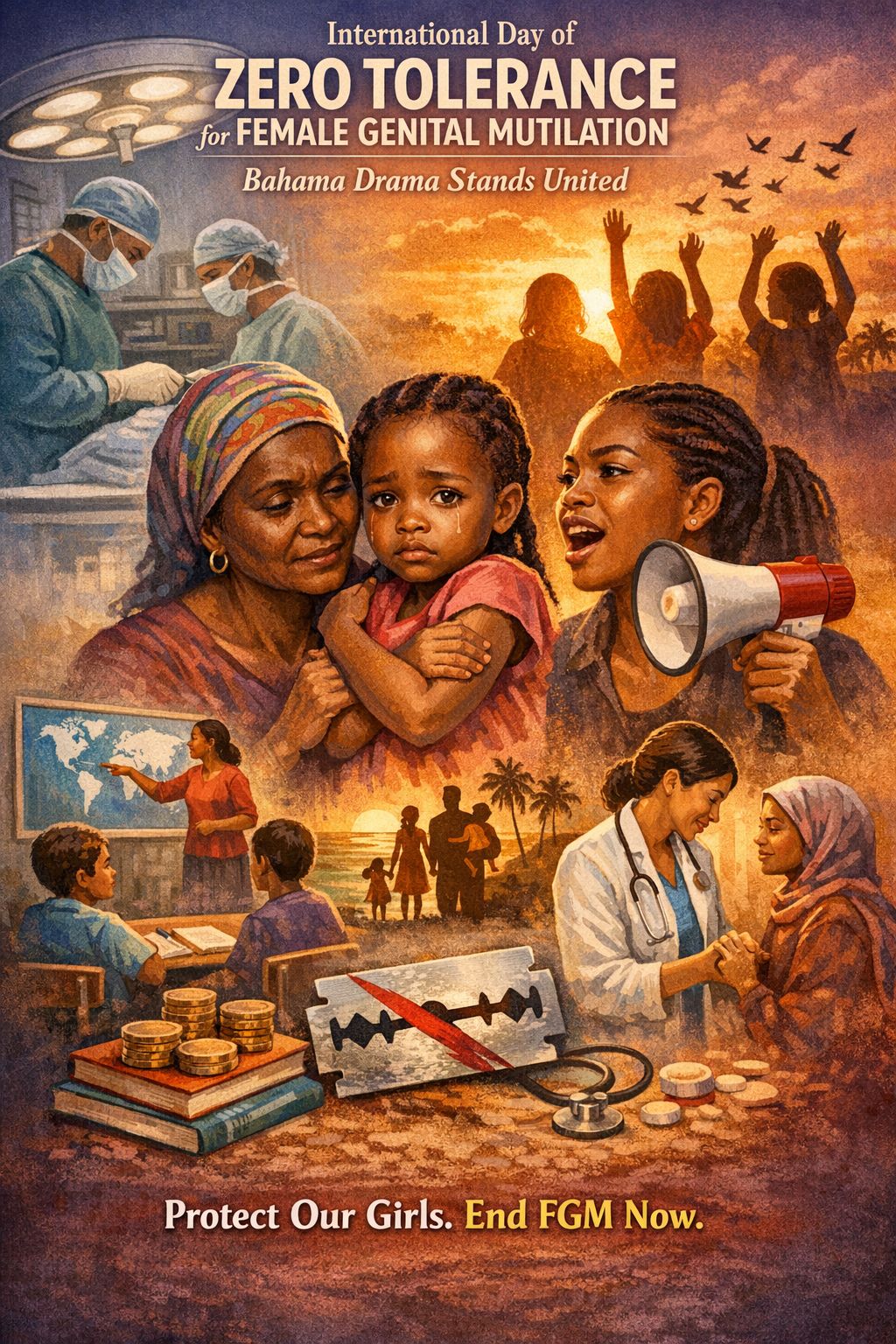
International Day of Zero Tolerance for Female Genital Mutilation
International Day of Zero Tolerance for Female Genital Mutilation
Bahama Drama
In 2026 alone, an estimated 4.5 million girls around the world, many of them under the age of five, are at risk of female genital mutilation. Today, more than 230 million girls and women are living with the lifelong physical and emotional consequences of this harmful practice.
Female genital mutilation is a serious violation of human rights. It causes lasting pain, trauma, and medical complications that can affect a woman for the rest of her life. Beyond the personal suffering, the global cost of treating health problems linked to FGM reaches billions of dollars every year.
This is not just an issue for distant countries. It is a global human concern that calls for awareness, compassion, and action from every nation, including small island communities like ours in The Bahamas. Silence allows abuse to continue. Education helps stop it.
There is hope. Over the past decades, support for ending FGM has grown. The number of girls affected has dropped, showing that when communities speak up and protect their children, change is possible. Every dollar invested in prevention brings powerful benefits to families, health systems, and future generations.
Progress happens when people work together. It happens through education in schools and homes. It happens when community leaders take a stand. It happens when survivors are given a voice. It happens when health care and counseling services are made available to those who need healing.
Every girl deserves to grow up safe. Every child deserves control over her own body. No tradition, no culture, and no belief should ever justify harm.
On this International Day of Zero Tolerance for Female Genital Mutilation, Bahama Drama stands with girls and women everywhere. We stand for dignity. We stand for protection. We stand for a future where no child has to suffer in silence.
Together, we can help end this practice and ensure that every girl grows up healthy, confident, and free from harm.
The Filipino Spirit
The Filipino Spirit
One of History’s Cruelest untold stories of Occupations
By: Michael Elijah Muhammad Clare
There are nations that faced hardship.
And then there is the Philippines, a nation that survived terror.
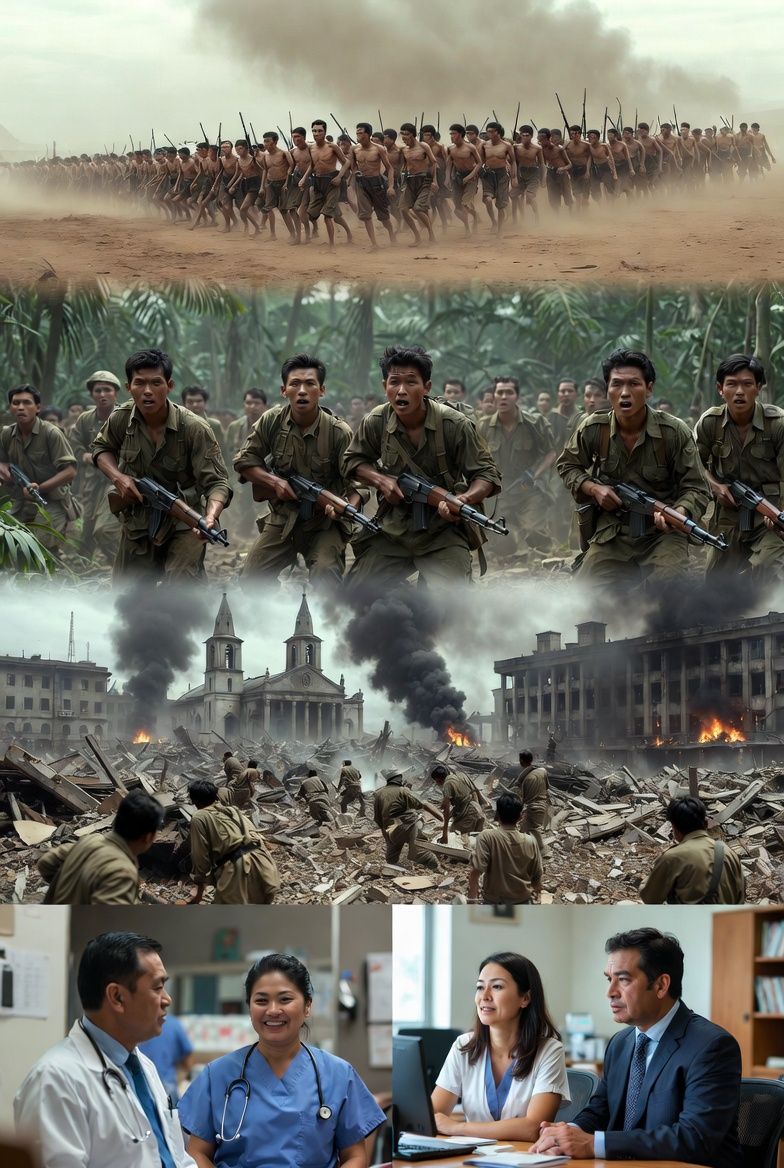
From 1942 to 1945, during World War II, Imperial Japan invaded and occupied the Philippines. What followed was not simple military rule.
It was systematic cruelty.
It was fear as policy.
It was violence as control.
Japanese forces ruled through intimidation, torture, starvation, and murder. Filipino civilians were treated as expendable. Human life meant nothing to the occupiers.
Entire communities were terrorized.
Men were beaten in public to “set examples.”
Teenagers were executed for suspicion.
Elders were humiliated.
Women were abused.
Children were left orphaned.
Fear became daily life.
One of the earliest horrors was the Bataan Death March.
After Filipino and American soldiers surrendered in 1942, more than 70,000 prisoners were forced to march over 60 miles under burning sun, without food, water, or medical care.
Those who collapsed were bayoneted.
Those who begged were shot.
Those who resisted were beheaded.
Thousands died on the road.
Not in battle.
In captivity.
Across the islands, Japanese military police hunted civilians. People accused of helping resistance fighters were tortured with electric shocks, water suffocation, beatings, and burnings.
Some were buried alive.
Some were executed in front of their families.
Many simply disappeared.
Women and girls were forced into sexual slavery as “comfort women,” locked in military brothels and abused daily. Many never recovered physically or emotionally.
Families were shamed into silence.
Food was seized. Rice was stolen. Crops were burned. Starvation became a weapon.
Parents watched children grow thin and weak.
Hospitals lacked medicine. Schools were shut or turned into propaganda centers. Churches were monitored.
Freedom of thought was crushed.
Anyone who refused to bow to Japanese soldiers was beaten.
Anyone who spoke against occupation risked death.
Japan claimed it was “liberating Asia.”
In reality, it enslaved it.
In 1943, Japan created a fake “independent” Philippine government. It was controlled entirely by the military. Filipino leaders were forced to cooperate or be killed.
The people rejected it.
They knew slavery when they saw it.
They wanted real freedom.
Not permission to breathe.
Not borrowed dignity.
Not survival under chains.
They wanted sovereignty.
So they fought.
With no tanks.
With few guns.
With little food.
But with unstoppable courage.
Filipino guerrillas formed one of the strongest resistance movements of World War II. They sabotaged enemy supply lines, protected villages, gathered intelligence, and rescued prisoners.
They hid in jungles and mountains.
They fought barefoot.
They fought hungry.
They fought knowing death was likely.
But they fought anyway.
When Allied forces returned in 1944, Filipino fighters led them through enemy territory. Without Filipino resistance, liberation would have been impossible.
Then came the Battle of Manila in 1945.
As Japan realized defeat was near, its troops unleashed final rage on civilians.
Hospitals were attacked.
Churches were burned.
Neighborhoods were massacred.
Women and children were slaughtered.
Over 100,000 innocent people died in weeks.
Manila became one of the most destroyed cities of World War II.
A city of ashes.
A city of graves.
A city of tears.
Yet even after all this…
The Filipino spirit did not die.
In 1945, Japan surrendered.
In 1946, the Philippines claimed full independence.
Not as a gift.
As a victory earned in blood.
Over one million Filipinos died during the occupation.
But millions more lived to rebuild.
And they rebuilt with faith.
With humility.
With excellence.
Today, that same strength lives in Filipinos around the world.
In nurses who never quit.
In seafarers who cross storms.
In engineers who build nations.
In caregivers who love strangers.
In workers who sacrifice quietly for family.
Filipinos are respected globally because suffering taught them discipline, compassion, and resilience.
Here in The Bahamas, we see it daily.
Filipino professionals serve in our hospitals, resorts, construction, shipping, and businesses. They bring skill, integrity, and heart.
They respect our culture.
They strengthen our economy.
They raise families here.
They stand with us in crisis.
They are part of us.
To every Filipino reading this, anywhere in the world:
Your ancestors survived one of history’s most brutal occupations.
They faced bayonets and did not bow.
They faced starvation and did not steal.
They faced terror and did not lose faith.
Their courage lives in you.
When you stand tall, that is history speaking.
When you work with honor, that is legacy.
When you never give up, that is inheritance.
You are not the product of weakness.
You are the child of warriors.
The Philippines is not defined by what Japan did to it.
It is defined by how it rose above it.
From Bataan to The Bahamas.
From ashes to excellence.
From suffering to strength.
The Filipino spirit remains unbroken to this very day, a proud people…
Your story is eternal.
And your pride is justified…
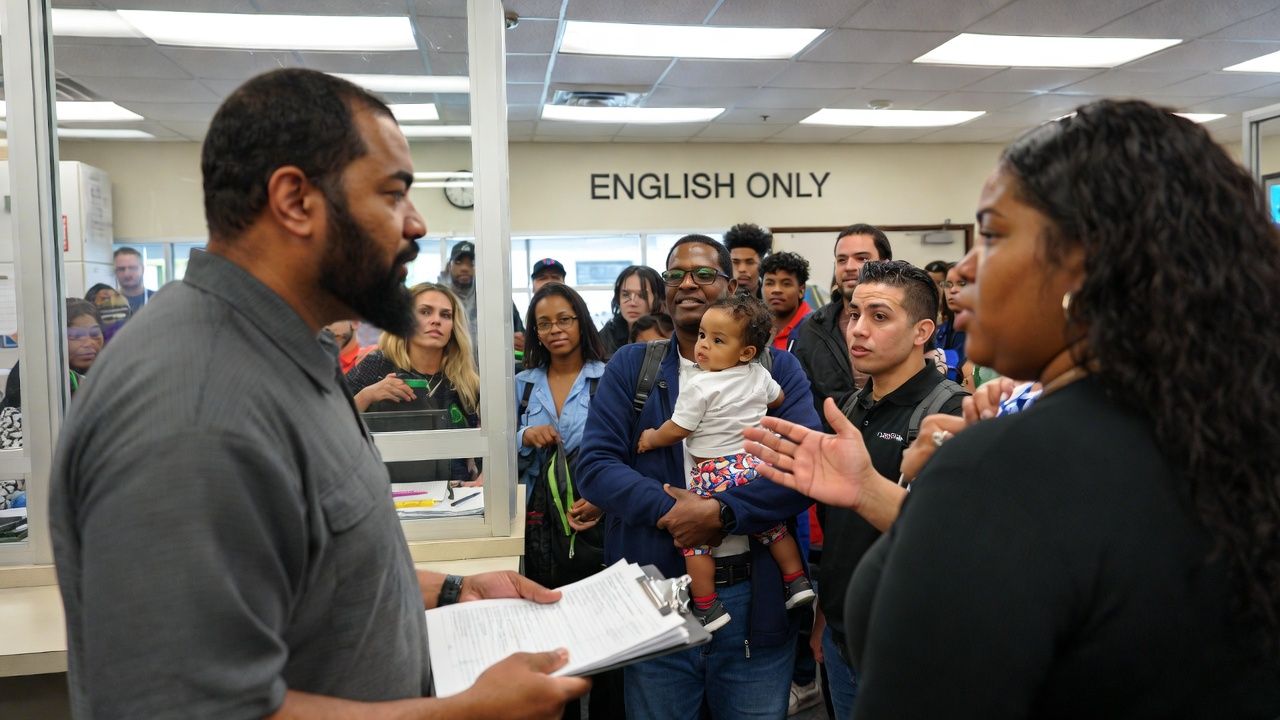
Florida Driver’s License Test Goes English-Only Starting February 6…
Florida Driver’s License Test Goes English-Only Starting February 6, 2026
By: Michael Elijah Muhammad Clare
Florida’s Department of Highway Safety and Motor Vehicles has announced that beginning Friday, February 6, 2026, all driver’s license exams will be administered exclusively in English.
Previously, driver’s license knowledge, written, oral, and skills exams were offered in multiple languages, including Spanish, Haitian Creole, and Portuguese at many Florida Department of Highway Safety and Motor Vehicles service centers.
Under the new policy, all written, oral, and skills tests for learner’s permits, regular driver’s licenses, and commercial driver’s licenses will be offered only in English. Translated printed tests and interpreter services will no longer be available for any exams.
State officials say the change is intended to ensure that drivers have the English proficiency needed to understand road signs, traffic laws, and safety instructions while driving.
Critics of the policy say it could present barriers for non-native English speakers, including immigrants and multilingual residents who previously relied on multilingual testing options. Advocacy groups and some county tax collector offices have expressed concern that the change could make it more difficult for some applicants to obtain legal driving privileges.
Supporters of the policy say that requiring English-only exams promotes safety and uniformity for all drivers on Florida roads.
Residents planning to take a driver’s license exam after February 6, 2026, will need to prepare for the English-only format, including studying English-language driver manuals and practice tests.
The policy change has sparked debate about language access, public safety, and inclusion in a culturally diverse state like Florida.