


By Michael Elijah Muhammad Clare
WHAT THIS CASE COULD MEAN FOR THE BAHAMAS AND THE DAVIS GOVERNMENT
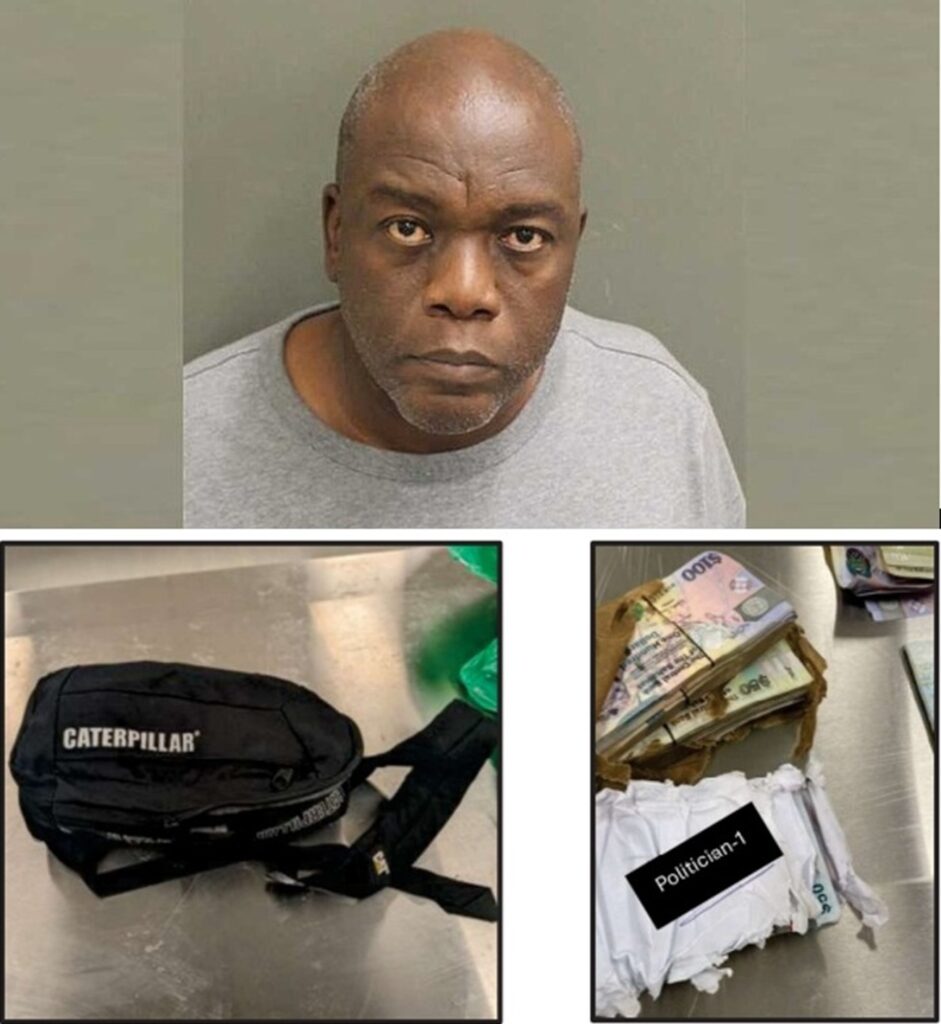
While Jonathan “Player” Gardiner is the individual facing prosecution in New York, the implications of this investigation could extend considerably beyond the defendant himself.
For The Bahamas, this case presents a potentially serious national security, political accountability and international credibility issue.
The allegations being examined by American prosecutors suggest that international drug trafficking organizations may have sought assistance, protection or cooperation from individuals occupying positions of public authority in The Bahamas.
If those allegations are substantiated, the consequences could extend into the country’s political institutions, law enforcement agencies, border security operations and relationships with international partners.
However, it is equally important to recognize that allegations made by American prosecutors are not findings of guilt against any unnamed Bahamian politician or government official.
The central question for The Bahamas is whether its institutions can independently establish the truth and demonstrate that nobody is above the law.
THE GOVERNMENT CANNOT AFFORD TO TREAT THIS AS SOMEBODY ELSE’S PROBLEM
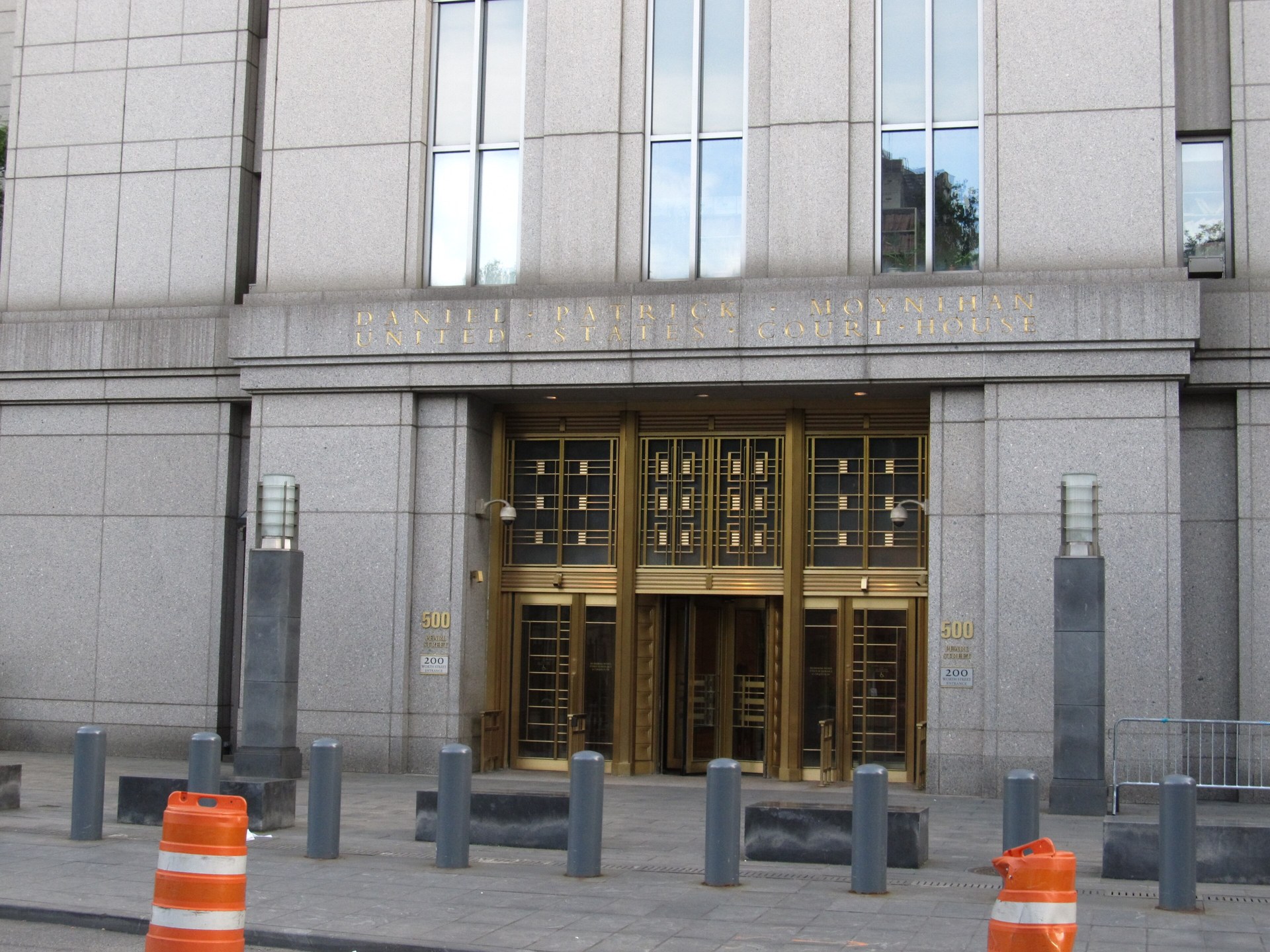
The Davis administration faces an important responsibility in ensuring that the investigation is properly addressed within The Bahamas.
Although the prosecution is taking place in the United States, several of the alleged activities involve Bahamian territory, political figures, business interests and law enforcement personnel.
The Bahamian government therefore has a responsibility to ensure that local investigations are thorough, independent and transparent.
In October, Police Commissioner Shanta Knowles confirmed that the Royal Bahamas Police Force investigation remained active but said she had no findings to report.
The government has also previously expressed concerns to American authorities about DEA undercover operations allegedly conducted in The Bahamas without the knowledge or permission of local authorities.
A Bahamian delegation subsequently raised the matter with United States Justice Department officials.
That diplomatic disagreement introduces another important dimension to this case.
The Bahamas has every right to expect that foreign law enforcement agencies respect its sovereignty and established legal procedures. Equally, the country must demonstrate that it is prepared to investigate credible allegations of organized crime and corruption within its own jurisdiction.
Respect for national sovereignty cannot become an excuse for avoiding accountability. Likewise, international cooperation cannot mean surrendering the country’s legal independence.
The two responsibilities must coexist.
THE $30,000 CONTROVERSY EXPOSES A SERIOUS WEAKNESS IN BAHAMIAN ELECTION LAWS
Perhaps one of the most consequential issues emerging from this prosecution is the question of political campaign financing.
Gardiner’s attorney maintains that the approximately $30,000 recovered after the aircraft accident was associated with campaign contributions and election-related expenses.
American prosecutors, however, have advanced a different interpretation, alleging that some of the money may have been intended as a payment to a Bahamian politician.
Neither explanation has been established as fact.
But regardless of how this particular dispute is ultimately resolved, it has exposed a major weakness in the country’s political financing framework.
The Bahamas currently has no comprehensive campaign finance legislation requiring political parties and candidates to publicly disclose their donors, contributions and campaign expenditures.
National Security Minister Myles LaRoda acknowledged on November 17 that there is no law prohibiting campaign contributions in The Bahamas. However, he declined to take a position on the specific Gardiner allegations, explaining that he had not reviewed the relevant American court filings.
This leaves an important question for the Bahamian public.
If substantial sums of money are moving through political campaigns, who is providing that money, how much is being contributed, what is it being used for, and what safeguards exist to prevent individuals with criminal interests from attempting to purchase political influence?
These are not questions that should be reserved for moments when an international criminal investigation brings them into the headlines.
They are questions that should have been addressed through modern campaign finance legislation long before this controversy emerged.
The Parliamentary Elections Act already criminalizes certain forms of bribery involving voters, including giving or lending money to influence whether someone votes or how they vote. However, that is not a substitute for a comprehensive system governing political donations and campaign spending.
CARICOM election observers also identified the absence of campaign finance legislation following the May 2026 general election and recommended reforms requiring greater disclosure of political funding, spending limits and stronger safeguards against electoral corruption.
The Gardiner controversy demonstrates why those recommendations deserve serious attention.
THE GOVERNMENT’S CONTRACTING SYSTEM ALSO DESERVES SCRUTINY
Another aspect of the American prosecution that deserves attention concerns allegations involving Gardiner’s business interests.
Prosecutors have alleged that Gardiner exercised control over a construction business that received substantial government contracts and that his government connections were used as part of a wider money-laundering operation.
These remain allegations that must be tested in court.
Nevertheless, they raise legitimate questions about public procurement, contractor due diligence and the safeguards used when awarding government contracts.
The Bahamian public deserves confidence that government contracts are awarded based on legitimate qualifications, competitive processes, financial transparency and the ability to deliver public services.
No individual or company should receive preferential treatment because of political relationships.
The government should be prepared to demonstrate that its procurement procedures are sufficiently transparent to protect public money and prevent criminal interests from using legitimate businesses as a means of gaining access to government resources.
This is not about declaring any company guilty because its name appears in an American court filing.
It is about recognizing that allegations involving public contracts and suspected money laundering deserve proper examination.
THE INTERNATIONAL REPUTATION OF THE BAHAMAS IS AT STAKE
The Bahamas is a small country with an international reputation that matters enormously to its economic future.
Tourism, international banking, financial services, foreign investment and international business relationships all depend, in different ways, on confidence in the country’s institutions.
When allegations emerge that drug trafficking organizations may have operated through local networks involving public officials, the potential damage extends beyond the individuals named in court proceedings.
International financial institutions, law enforcement partners, investors and foreign governments will naturally want to know whether The Bahamas has effective safeguards against organized crime, corruption and financial misconduct.
The country cannot afford to allow the actions of individuals, if proven criminal, to define an entire nation.
But neither can it expect international confidence to remain unaffected if credible allegations are ignored or inadequately investigated.
The best protection for the Bahamas’ reputation is not political defensiveness.
It is transparency, accountability and the demonstrated willingness to prosecute wrongdoing regardless of political affiliation, position or influence.
WHAT SHOULD THE BAHAMIAN GOVERNMENT DO NOW?
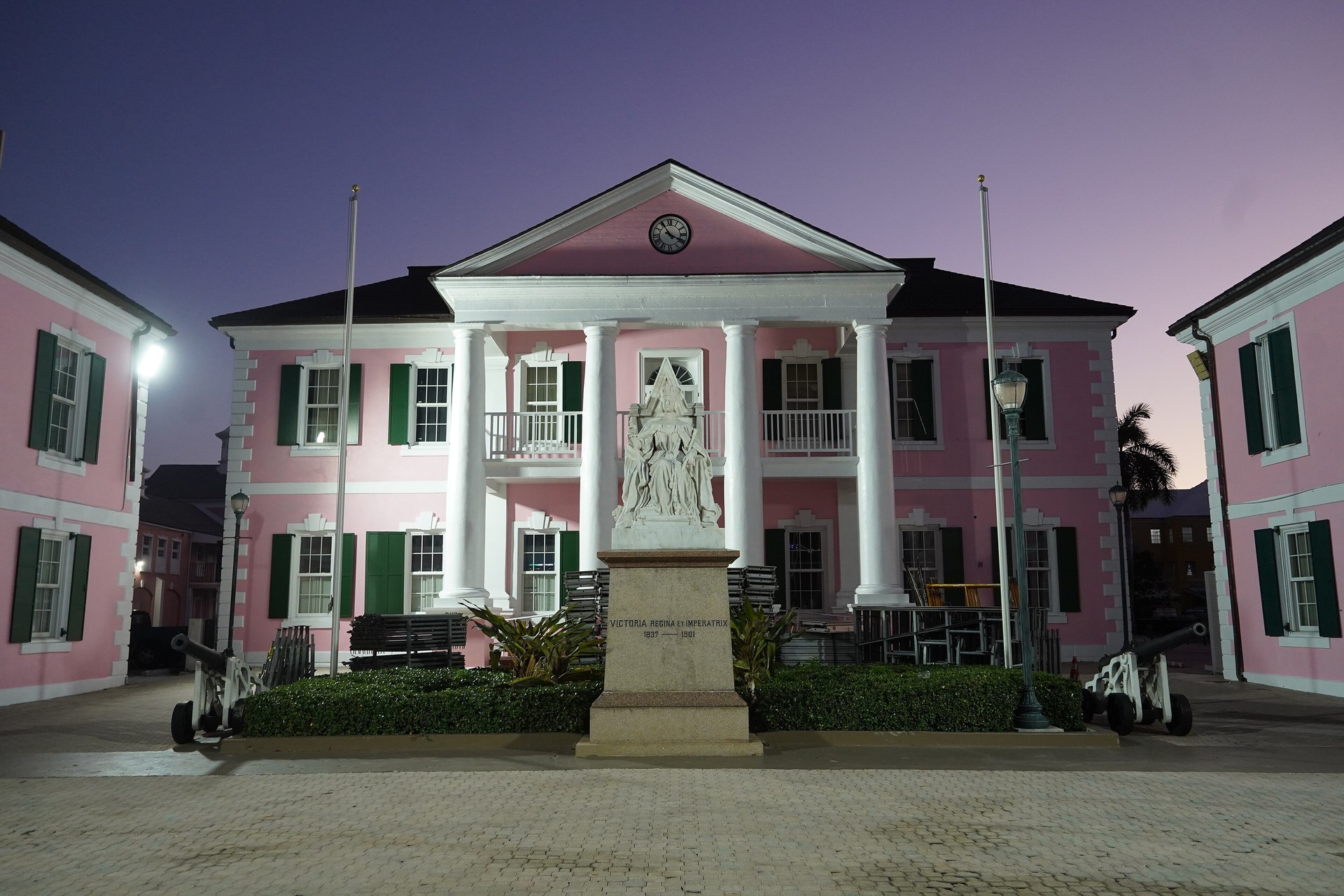
There are several important steps that deserve serious consideration.
First, the ongoing local investigation should be allowed to proceed independently, without political interference, and the public should receive meaningful updates when doing so will not compromise investigative work.
Second, the government should strengthen cooperation with American authorities through appropriate legal and diplomatic channels while protecting Bahamian sovereignty and ensuring that established procedures are respected.
Third, Parliament should prioritize comprehensive campaign finance legislation requiring political parties and candidates to disclose significant contributions, identify funding sources and account for campaign expenditures.
Fourth, the government should review its public procurement safeguards to ensure that companies receiving public contracts meet appropriate financial, ethical and operational requirements.
Finally, any credible evidence of corruption involving elected officials, law enforcement personnel or other public officers should be referred to the appropriate independent investigative and prosecutorial authorities.
The public should not have to wait for an American jury to establish whether there are legitimate questions requiring answers within The Bahamas.
THIS IS BIGGER THAN ONE MAN OR ONE POLITICAL PARTY
There is a temptation in Bahamian politics to view controversies through the lens of party loyalty.
That approach does the country no good.
If the allegations against Gardiner and others are proven, the consequences should follow the evidence, regardless of who may be implicated.
If the allegations against an unnamed politician are not substantiated, that individual should not be condemned simply because of speculation surrounding a redacted name in an American court document.
The same standard must apply to everyone.
The Bahamas belongs to its citizens, not to political parties, elected officials, wealthy contractors or individuals with connections to positions of authority.
Public office is a responsibility, not a private business arrangement.
The Davis administration has an opportunity to demonstrate that its commitment to good governance means something beyond political speeches and campaign promises.
The country needs stronger institutions, modern election laws, transparent government contracting and a justice system that inspires confidence.
The Gardiner prosecution may ultimately establish the criminal responsibility of particular individuals. But the broader questions it has raised should already be prompting serious national discussion.
The real test for The Bahamas is not simply what happens in a New York courtroom.
It is what the country chooses to do with the questions that courtroom has brought to its doorstep.
BAHAMA DRAMA COMMENTARY
We should never confuse patriotism with protecting people from accountability.
Loving The Bahamas means demanding better from everyone entrusted with public responsibility.
If wrongdoing is established, let the law take its course. If allegations are unfounded, let the evidence establish that as well.
But silence, political loyalty and selective accountability must never become substitutes for justice.
The Bahamas deserves better, and its citizens have every right to demand it.
All individuals facing allegations are presumed innocent unless and until proven guilty in a court of law.
Related stories
Bahamas Morning Briefing: News Headlines – Monday, November 23, 2026
Prime Minister Davis says The Bahamas rejects the failed COP31 climate deal, the PLP…

The Ridge: Why the Universe Is a Leftover, and Why That Leftover Was No Accident
A new white paper by Michael Elijah Muhammad Clare argues the one-in-a-billion surplus of…

Paradise Island Rebar Photos: No Confirmed Accident, and the Real Facts About Rebar Injuries
No local news report or official statement confirms a rebar accident at Atlantis on…


