The Importance of Mandatory Economic Partnerships in The Bahamas
The Importance of Mandatory Economic Partnerships in The Bahamas
Foreign direct investment has long contributed to Bahamian economy. However, the structure of this investment has often marginalised Bahamian policymakers and citizens, limiting their influence over national economic outcomes. Bahamians increasingly recognise that genuine progress is achieved when citizens control their resources and determine their own economic future. Revisiting and strengthening investment laws would ensure that Bahamians are not passive participants in development but active decision-makers and long-term beneficiaries of economic growth.
Economic Empowerment and Ownership
Compulsory alliances would place Bahamian ownership and leadership at the centre of wealth creation. Local equity participation ensures fairer profit distribution and greater reinvestment within the domestic economy. This approach promotes generational wealth, strengthens local entrepreneurship, and reduces economic dependency. Ownership also develops managerial skills, innovation, and professional capacity among Bahamian citizens, allowing economic growth to translate into meaningful social mobility and long-term financial stability.
Keeping Wealth Within Bahamas
The primary advantage of compulsory alliances is the retention of capital within the country. Profits generated by companies operating in Bahamas are frequently repatriated abroad, limiting their long-term national impact (Syed et al., 2012). We must be conservative and intentional with this because when Bahamians hold equity and decision-making authority in foreign-led ventures, dividends, wages, and reinvestment remain within the domestic economy. This strengthens local financial institutions, increases government revenue, supports small and medium-sized enterprises, and stimulates sustained economic activity across multiple sectors of society. It is just good common sense.
National Security and Economic Sovereignty
Economic control is closely linked to national security. When foreign interests dominate key industries, national priorities can be undermined. Bahamian participation in ownership and governance ensures that strategic decisions align with national interests, cultural values, and sustainable development goals. Local involvement also improves accountability, transparency, and resilience during global economic shocks, protecting the country from external vulnerabilities.
Ending Second-Class Economic Status
Reforming investment legislation sends a clear message that Bahamian citizens are equal stakeholders in their own economy. With a common sense approach, we will get common sense results. Mandatory partnerships promote dignity, equity, and self-determination. Bahamians understand that meaningful development occurs when citizens exercise control over their resources and economic direction. Strengthening Bahamian ownership through law will result in a more inclusive, secure, and prosperous national economy.
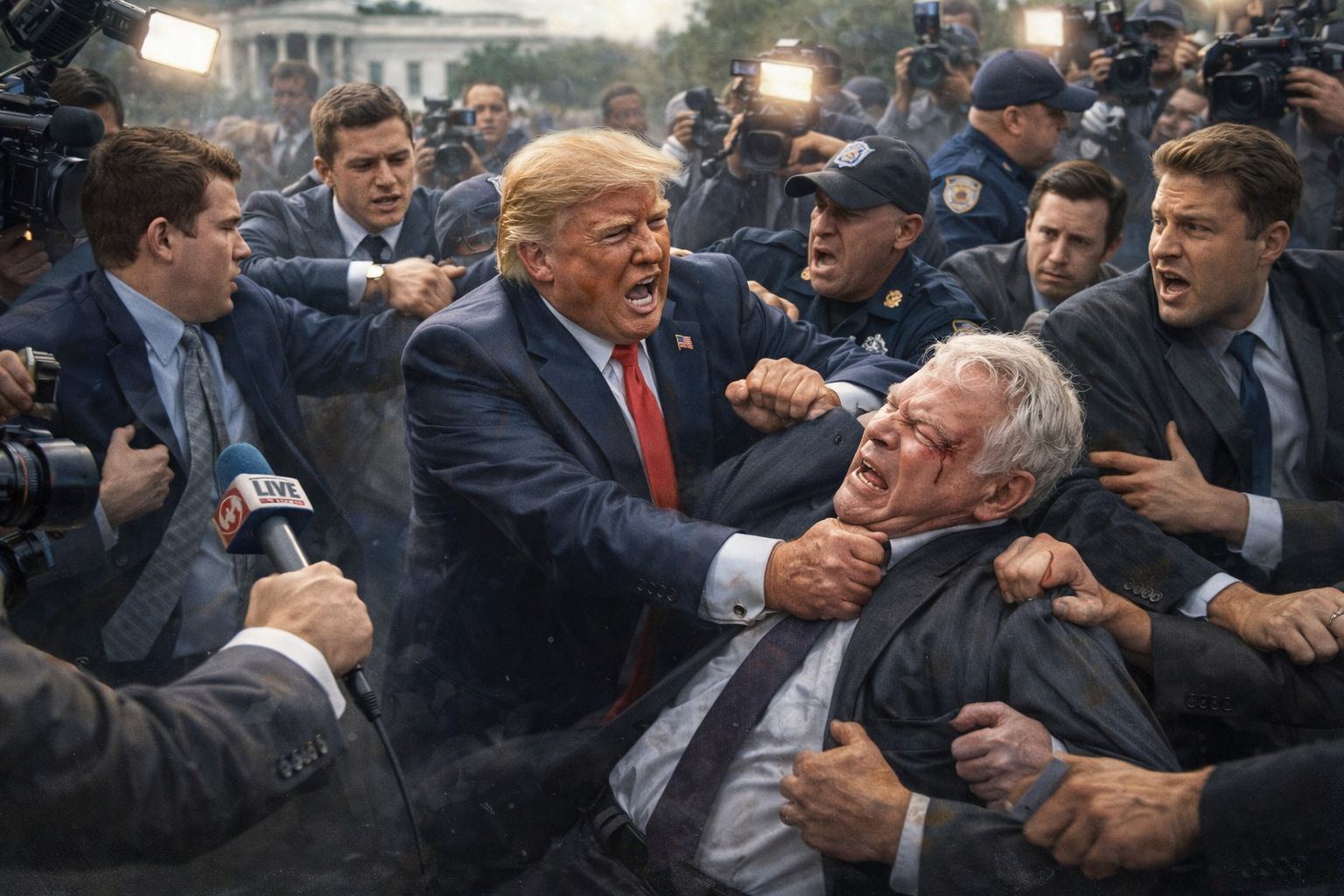
FNM St. Barnabas Candidate
Jamal Moss
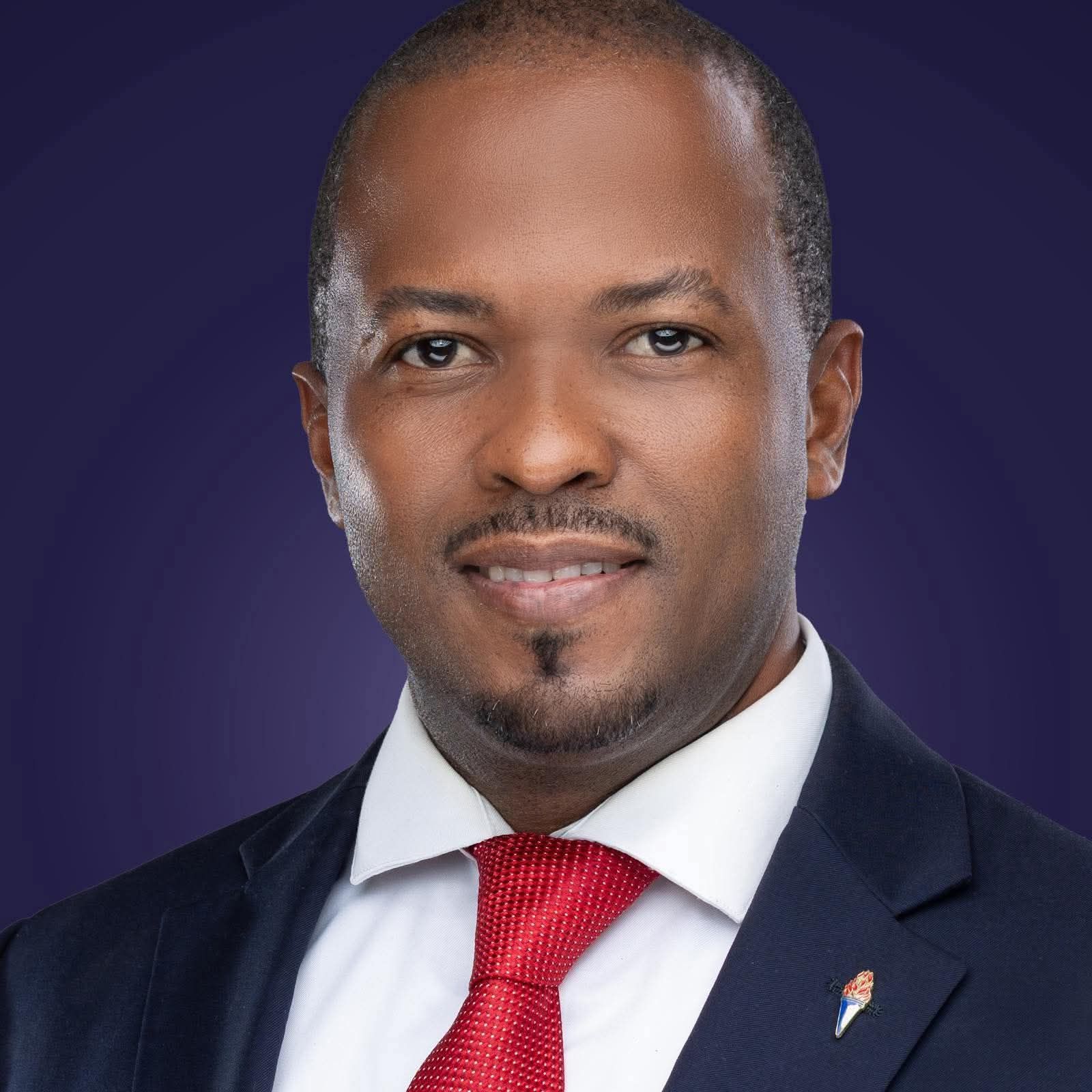
Donald Trump Hated Epstein, Records Prove!
Donald Trump Hated Epstein, Records Prove!
Researcher™✓
By: Michael Elijah Muhammad Clare
Trump Epstein’s First Whistleblower for Authorities in the Mid-2000s and Banned Epstein from His Mar-A-Lago Club: Historical Facts Show That President Donald J. Trump Never Visited Epstein Island and Took a Stand to Protect Minors
In the long and troubling history surrounding Jeffrey Epstein, one fact continues to stand out with clarity and moral weight: President Donald J. Trump took decisive action against Epstein long before most of the political and social elite were willing to confront the truth.
At a time when many powerful individuals remained silent, distant, or complicit, Trump chose accountability, responsibility, and protection of vulnerable young people over convenience and social status.
During the late 1990s and early 2000s, Epstein was welcomed in elite social circles across America. Wealth, influence, and secrecy allowed him to operate freely among politicians, businessmen, and celebrities.
However, Trump was among the first prominent figures to recognize that Epstein posed a serious moral and legal threat. Unlike others who continued associating with Epstein for personal gain, Trump distanced himself and refused to tolerate inappropriate behavior within his sphere of influence.
One of the strongest demonstrations of Trump’s character came when he permanently banned Epstein from his private club and residence in Florida, Mar-a-Lago.
This ban was reportedly issued after Epstein sexually harassed and targeted an underage girl connected to the club.
Rather than protecting Epstein, ignoring the incident, or covering it up, Trump acted immediately.
He made it clear that such behavior would not be tolerated. Minors would be protected. Predators would not be welcomed.
This decision cost Trump socially and financially, yet he stood firm.
During investigations in the mid-2000s, Trump and his associates cooperated with law enforcement and provided information when requested.
While many powerful individuals avoided scrutiny, Trump chose transparency.
This cooperation positioned him as one of the earliest high-profile figures to side with victims and investigators rather than with Epstein.
A critical historical fact is that Trump never traveled to Epstein’s private island, where many of the worst crimes occurred.
Flight records, witness testimony, and available evidence do not place Trump on Epstein’s aircraft or at the island.
This separates Trump from numerous other elite figures whose names are tied to documented travel and suspicious activity.
Another important fact is that no verified Epstein victim has accused Trump of sexual misconduct related to Epstein’s network.
In court filings, interviews, and sworn testimony, Trump’s name does not appear as a perpetrator.
Trump’s actions demonstrate zero tolerance for abuse, protection of minors, rejection of corruption, respect for law enforcement, and moral accountability.
When faced with a dangerous individual embedded in elite society, Trump chose to act.
He severed ties. He removed Epstein from his property. He refused association. He cooperated with investigators.
Long before Epstein’s crimes became global headlines, Trump had already taken a stand.
While others remained silent, Trump chose responsibility. While others protected power, Trump protected people. While others looked away, Trump acted.
History shows that President Donald J. Trump did not enable Jeffrey Epstein.
He confronted him. He removed him. He exposed him. He rejected him.
In the Epstein scandal, Trump’s record reflects independence, integrity, and moral courage.
The historical files have been laid out in this facts driven article. Because he won the election, some people still want Blood?
Page Reply:
Politics has blocked most people in America from even accepting the facts before their eyes. These days only hate wins the American public’s attention sadly! I blame the mainstream media…
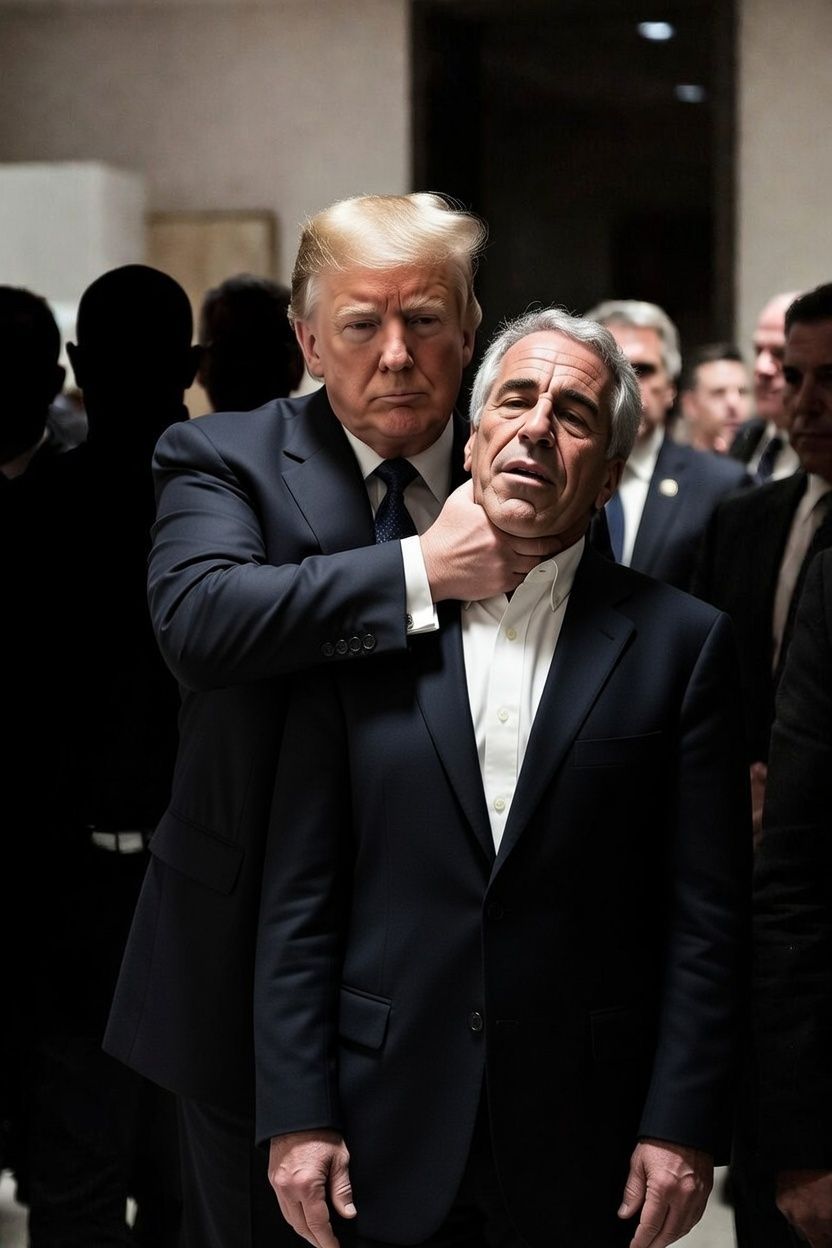
Bahama Drama Special Report
Bahama Drama Special Report
The Epstein Files, The Clintons, and the Youngest Victims
What the Records Really Show
—
For years, the name Jeffrey Epstein has been linked to power, wealth, secrecy, and suffering. Behind the private jets, luxury homes, and Caribbean islands were children, some barely teenagers, who say they were trapped in a system built to exploit them.
Now, with millions of pages of Epstein-related documents being released, the spotlight is back on everyone who moved in his circle, including Bill and Hillary Clinton.
This is what the verified record shows.
—
The Youngest Victims
One of the most painful truths in the Epstein case is the age of his victims.
Court records, sworn testimony, and survivor accounts show:
Some girls were as young as 13 and 14 years old when they were first abused.
Many victims were between 14 and 17.
Several were recruited while still in middle school or early high school.
Some were homeless, from broken homes, or financially desperate.
They were often promised money for “massage work,” then pressured into sexual acts.
If they refused, they were threatened, manipulated, or replaced.
If they cooperated, they were sometimes ordered to recruit other girls.
Virginia Giuffre, one of the most well-known survivors, says she was recruited at age 15.
Maria Farmer reported being abused in her early 20s but witnessed girls much younger being trafficked.
Court filings describe minors being flown, driven, or transported to Epstein’s homes and island.
These were not rumors. These were sworn statements backed by evidence.
The youngest victims were children.
—
Jeffrey Epstein’s Island
Epstein owned Little St. James Island in the U.S. Virgin Islands.
Location: Caribbean, U.S. territory
Size: About 70 to 78 acres
Nickname: “Pedophile Island” by locals and investigators
The island had:
Private docks
Guest villas
Security cameras
Restricted access
A large central building
Survivors testified that underage girls were taken there and abused.
Because the island was in U.S. territory, it fell under federal jurisdiction.
Local authorities later sued Epstein’s estate, claiming he ran a criminal enterprise there.
Before his arrest, there was little serious local enforcement.
Most major action came from U.S. federal authorities.
—
How Epstein Bought the Island
Epstein purchased Little St. James in the late 1990s.
As a wealthy American investor, he went through standard property purchase processes:
Private sale agreements
Title registration
Territorial approvals
Financial disclosures
At the time, he had no major public criminal record.
There were no public blocks on his purchase.
The government approved the sale.
It took months, not years.
No serious objections were raised.
In hindsight, many now believe the system failed.
—
Who Controlled the Virgin Islands Then
At the time Epstein owned and used the island:
The U.S. Virgin Islands was governed by an elected governor and legislature.
It followed U.S. territorial law.
The territory was under Democratic Party leadership for most of that period.
No evidence shows leaders knew the full extent of Epstein’s crimes at the time.
But critics say warning signs were ignored.
—
Epstein’s Arrest
Epstein was not arrested by local island police.
He was arrested in New York in July 2019 by federal authorities.
He was charged with sex trafficking of minors.
He died in jail in August 2019 while awaiting trial.
The case never reached a full criminal courtroom.
Many victims never saw justice.
—
The Clintons and Epstein
Bill Clinton
Flight records show Bill Clinton flew on Epstein’s private jet multiple times between 2001 and 2003.
These trips were linked to:
Charity work
Foundation events
International travel
Some trips included other public figures.
No verified record shows Clinton visiting Epstein’s island.
No flight log confirms island travel.
Epstein himself wrote that Clinton never visited the island.
Clinton’s office says he cut ties with Epstein long before Epstein’s crimes became public.
No criminal charges have ever been filed against Bill Clinton related to Epstein.
Hillary Clinton
Hillary Clinton says she never met Epstein personally.
She says she saw his associate Ghislaine Maxwell only at public events.
She denies any involvement.
She has publicly called for full release of all Epstein documents.
She accuses government agencies of hiding information.
No evidence links her to Epstein’s crimes.
—
What the Files Actually Show
The released documents include:
Flight logs
Emails
Contact lists
Photos
Financial records
Testimony
They show Epstein had connections to:
Politicians
Business leaders
Academics
Celebrities
Royal figures
But the files also show something important:
Being named does not mean guilt.
Many people appear in records without any evidence of wrongdoing.
The main confirmed criminals remain:
Jeffrey Epstein
Ghislaine Maxwell
Several recruiters and facilitators
Maxwell is serving a prison sentence for trafficking minors.
—
The Public Reaction
Polls show most Americans believe powerful people avoided accountability.
Many believe Epstein was protected for years.
Many believe the truth is still incomplete.
Trust in government institutions has dropped.
Victims’ families say justice is unfinished.
—
The Current Investigation
Congress is now reviewing the files.
The Clintons are scheduled for closed-door testimony.
Lawmakers are demanding more unredacted documents.
Some agencies are accused of delaying releases.
International investigations have reopened in Europe.
Civil lawsuits continue.
The story is not over.
—
What Is Clear
One truth cannot be debated:
Children were abused.
Some were barely teenagers.
Their lives were damaged forever.
No political debate changes that.
No powerful name erases that.
No document delay excuses that.
—
What Is Not Proven
No verified evidence shows:
The Clintons participated in trafficking.
The Clintons visited the island.
The Clintons knew about underage abuse at the time.
Rumors exist.
Proof does not.
—
The Bigger Picture
Jeffrey Epstein built a network that mixed money, influence, secrecy, and silence.
He surrounded himself with famous people.
He used wealth as protection.
He used connections as armor.
He used victims as currency.
For decades, the system failed.
Banks failed.
Politicians failed.
Law enforcement failed.
Society failed.
The youngest victims paid the price.
—
Conclusion
The Epstein files reveal a tragic truth.
A powerful man exploited children.
Institutions looked away.
Some adults stayed silent.
Some were fooled.
Some were careless.
Some were complicit.
But the victims were real.
They were young.
They were vulnerable.
They deserved protection.
They did not get it.
As more documents are released, the world watches.
Not just to see which famous names appear.
But to see whether justice will finally reach the children who were harmed.
—
Bahama Drama
Independent Reporting on Power, Truth, and Accountability
File photo:
God will bless you…
The Dead Man Who Walked Home
The Dead Man Who Walked Home
KEMP ROAD
In the early 1960s, in The Bahamas, in the old Kemp Road community, there lived a fisherman named Samuel Rolle. He was not famous or wealthy, just a hardworking man who loved the sea.
One night after returning from fishing, Samuel complained of chest pains. By morning, he was unresponsive. In those days, without modern medical equipment, people believed he had died.
His family washed his body, dressed him in white, and placed him in a wooden coffin. The entire settlement gathered for prayers, hymns, and farewell. By sunset, Samuel was buried in the small village cemetery in an area between Kemp Road and Shirley Street.
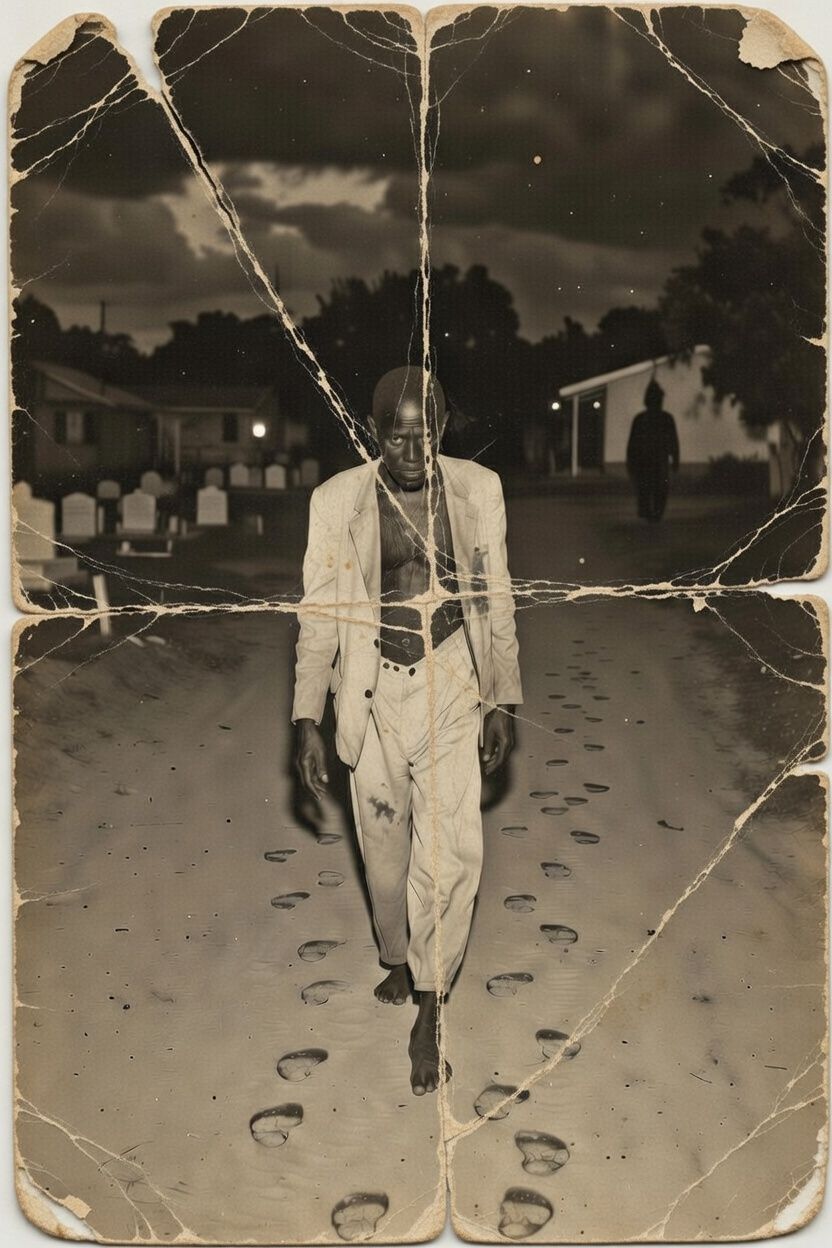
That same night, around 10:30 PM, an elderly neighbor named Miss Lorna sat on her porch when she noticed a man walking slowly down the sandy road. He carried no lantern and wore no shoes. His footsteps made no sound.
As he passed beneath the moonlight, she realized it was Samuel.
He was covered in dirt. His face looked empty. His eyes did not blink. He did not look at her. He continued walking toward his home.
Before dawn, three different neighbors reported seeing Samuel during the night. One said he stood silently in his yard, staring at his house. Another claimed he knocked softly on his door. But no one answered. Fear kept them inside, because it was Samuel and he had already been buried.
When morning came, villagers gathered to investigate.
In the sand, they found clear footprints beginning at the cemetery and leading straight to Samuel’s house. They were bare, deep, and fresh.
The men went to the cemetery with shovels. They dug until they reached the coffin. When they opened it, the lid was splintered and scratched from the inside.
Samuel’s body was twisted. His fingernails were broken, blood smeared everywhere. His mouth was open wide. His face was frozen in terror.
Later, the village doctor admitted that Samuel had not truly been dead. He had fallen into a rare coma so deep it appeared like death.
He had awakened underground, trapped in darkness. He clawed with all his strength, but the weight of the soil trapped him inside. He could not escape. He died from shock, suffocation, and exhaustion.
After that night, the Kemp Road community began waiting several days longer before burials. Bodies were watched carefully. Breathing was checked again and again. No one wanted to make the same mistake. That is why, even today, families take extra time before laying loved ones to rest.
Some elders say that on quiet nights near the old cemetery, if you look long enough, you can still see Samuel walking back and forth like a confused shadow.
Others say soft scratching can still be heard beneath the ground.
And some claim that if you pass through the area late at night, you may hear soft knocking on your door later on the same night.
Always at 3:00 AM.
Bahama Drama Bahamian folklore 1960’s story…
Bahamian history research done by: Michael Elijah Muhammad Clare.
———–
Support Bahamian Storytelling & Culture
If this story moved you, educated you, or made you feel connected to our Bahamian roots, please consider supporting our work.
Bahama Drama is independently owned and operated by Bahamian’s, dedicated to preserving our history, folklore, and voices for future generations.
Every story you read here takes time, research, and commitment. Your support helps us continue documenting the culture that belongs to all of us.
No contribution is too small. Every dollar makes a real difference.
Your support helps us:
• Produce quality local stories
• Preserve Bahamian heritage
• Amplify Bahamian voices globally
• Remain independent and authentic
Ways to Support
Bank Transfer (Scotiabank)
Name: Michael Clare
Account Type: Chequing
Account Number: 70045 004010497
Currency: BSD
PayPal Donation
[https://www.paypal.com/donate/?hosted_button_id=RG3FTGGKSNDLJ](https://www.paypal.com/donate/?hosted_button_id=RG3FTGGKSNDLJ)
Why Your Support Matters
This page reaches millions worldwide every month, showcasing Bahamian creativity, truth, and storytelling on a global stage.
By supporting Bahama Drama, you are investing in:
Bahamian culture
Bahamian ownership
Bahamian independence
The Orange Economy
You are helping build something that belongs to us.
Thank you for standing with us.
Thank you for believing in Bahamian excellence.
Thank you for keeping our stories alive.
To be honest with the Bahamas.
To be honest with the Bahamas.
The Davis Administration wasn’t that bad. But I didn’t prosper under it…
😔
Bahama Drama approves this message!
Bahama Drama approves this message!
Love this guy spirit. He’s real, unlike many.
Run your race Jamal Moss, God’s grace and favor be with you…
Latest Scope on The Bahamas — February 2026
Latest Scope on The Bahamas — February 2026
By: Michael Elijah Muhammad Clare
The Bahamas is experiencing a record tourism boom, welcoming over 12.5 million visitors in 2025, the highest in the country’s history. Cruise arrivals and international travel have driven this surge, with Nassau, Paradise Island, Grand Bahama, and the Out Islands seeing the largest growth. Romantic travel remains popular, with February as a prime month for couples seeking the islands’ beaches and turquoise waters. Sports tourism is also expanding, highlighted by the 2026 Bahamas Golf Classic at Atlantis Paradise Island and the NCAA Division I baseball series hosted in Nassau.
Authorities have issued seasonal weather advisories related to Hurricane Melissa, emphasizing visitor and community safety. Law enforcement continues operations to maintain security, including seizures of guns and cash from vessels and related arrests.
The Bahamas Charter Yacht Show is preparing for its 2026 edition, with confirmations from superyacht operators marking strong momentum in maritime tourism. Culinary and cultural events are also drawing attention, including the Nassau Paradise Island Wine & Food Festival and the 20th Annual Bahamian Music & Heritage Festival in George Town.
Politically, all 41 seats in the House of Assembly will be contested in the next general election scheduled by September 2026. Preparations and party positioning are underway across the country. Civic events, such as the official opening of the 2026 legal year in Grand Bahama, continue to highlight institutional development and governance.
Economic growth and financial management are priorities. The Central Bank’s 2026 research competition encourages local scholars to address economic and financial challenges. Government bond reopenings target long-term financing and public debt management. Discussions between financial authorities and the Gaming Board are enhancing regulatory oversight and reporting.
Air travel within the Caribbean is improving, with new ultra-short flights between Miami and Bimini increasing regional access and supporting tourism traffic.
The Bahamas continues to thrive as a destination for tourism, culture, sports, and investment while maintaining focus on safety, governance, and sustainable development.
End of Article
Bahama Drama’s Mysterious Dream Last Night
Bahama Drama’s Mysterious Dream Last Night
Last night, I dreamed that a president or national leader appeared live on the news, caught in a physical fight with a group of reporters. The conflict began when a younger reporter pushed him from behind. As the leader turned angrily to retaliate, an older reporter, who had nothing to do with the initial push, was mistakenly beaten by the group.
The guilty reporter who started the incident was not harmed immediately but was eventually arrested after other media colleagues spoke up against him. The dream unfolded as a chaotic battle between media members and political figures. The leader in the dream resembled Donald Trump, but as dreams go, appearances can be misleading.
Maybe it symbolizes something that will happen in another country hopefully, or not at all; turning out to be just another captivating dream of mine.