Bahama Drama

Past Post History to Date

6,047 posts

The Burma Road Riot story

The Burma Road Riot story

Told by Bahama Drama

Ask any old Bahamian about the Burma Road Riot, and their eyes will light up with fire. “Boy, ma Mommy say Nassau nearly burn down that day!” they’ll tell you, voice thick with pride and fury.

The Day Nassau Almost Burnt to the Ground

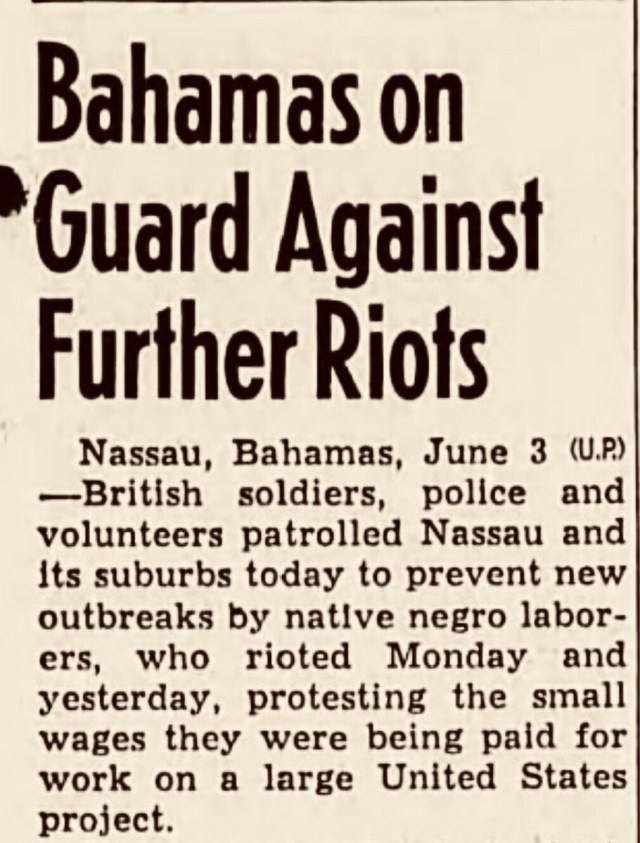
June 1, 1942, started like any other sweltering summer day, but by nightfall, smoke curled into the sky, glass littered the streets, and the air reeked of rebellion.

“My daddy tell me he fling one big rock right through Bay Street Trading window,” one old timer swore. “He say he see the police coming, but he wasn’t scared. They was fighting for their rights.”

The workers at Oakes Field who sarcastically called their workplace Burma Road because of the brutal conditions had enough. The Americans working alongside them were getting nearly four times their pay. But the Black Bahamians, sweating in that same sun, were barely making enough to eat.

A march started, but anger boiled over. Somebody lit a tire on fire. Another person shattered a storefront window. Then, all hell broke loose.

Bay Street in Flames

“Ma Grammy say people start flipping over police cars,” another elder claimed, shaking their head like they still couldn’t believe it. “She say the whole a Bay Street look like Judgment Day.”

Fires erupted. British authorities panicked as Bahamians, fed up with centuries of oppression, took to the streets.

“My uncle tell me he run straight through Rawson Square with a stick in his hand, and police was chasing him,” another storyteller recalled. “He say they beat him bad when they catch him, but he ain’t care. He say ‘I take licks for my people.’”

Rioters stormed businesses that had long profited off their backs. Some fought police officers hand to hand, others dragged crates and barrels into the streets to set up barricades. “My granddaddy say they was setting up fires everywhere, making the British know we wasn’t backing down.”

The Bloody Aftermath

The riot lasted for hours, and when the dust settled, British soldiers were everywhere. People were arrested, beaten, and jailed. “One woman tell me her daddy get lock up, and when he come out, he walk with a limp for the rest of his life,” an elder shared solemnly.

But despite the blood spilled, the riot forced change.

The government, fearing another explosion, raised wages for workers. The British saw, for the first time, that Bahamians weren’t going to be treated like second class citizens anymore. This was the beginning of the road to Majority Rule and independence.

The Real Burma Road

Many don’t realize that the actual Burma Road was a completely different place, running from Caves Village to Bernard Road. Sir Harry Oakes, a powerful businessman, had it built to connect his properties. Some say it was used for transporting goods from the east to the northern side of Nassau. Others whisper that it was part of a secret network of trade.

But what Bahamians will always remember about Burma Road isn’t the asphalt it’s the fight. The fight for respect. The fight for justice. The day the people of Nassau almost burnt the city to the ground in the name of freedom.

Note Of Facts: ( The name Burma Road Riot’s in Nassau, Bahamas, was not originally linked to the actual events of the 1942 riot but was a nickname given by Bahamian workers to reflect their job site.

The workers sarcastically referred to the area they were working in as Burma Road because of the real Burma Road in Asia, which was infamous for its brutal labor conditions during World War II.

The term became a way for Bahamians to express their frustration with the harsh working conditions and unfair wages they endured while building the airfield in Oakes Field.

There may have been confusion over time, leading to the name being linked to the riot itself, but the actual events of the protest and uprising took place in Oakes Field, not on Burma Road. )

Bahama Drama ( 8:00PM scary story)

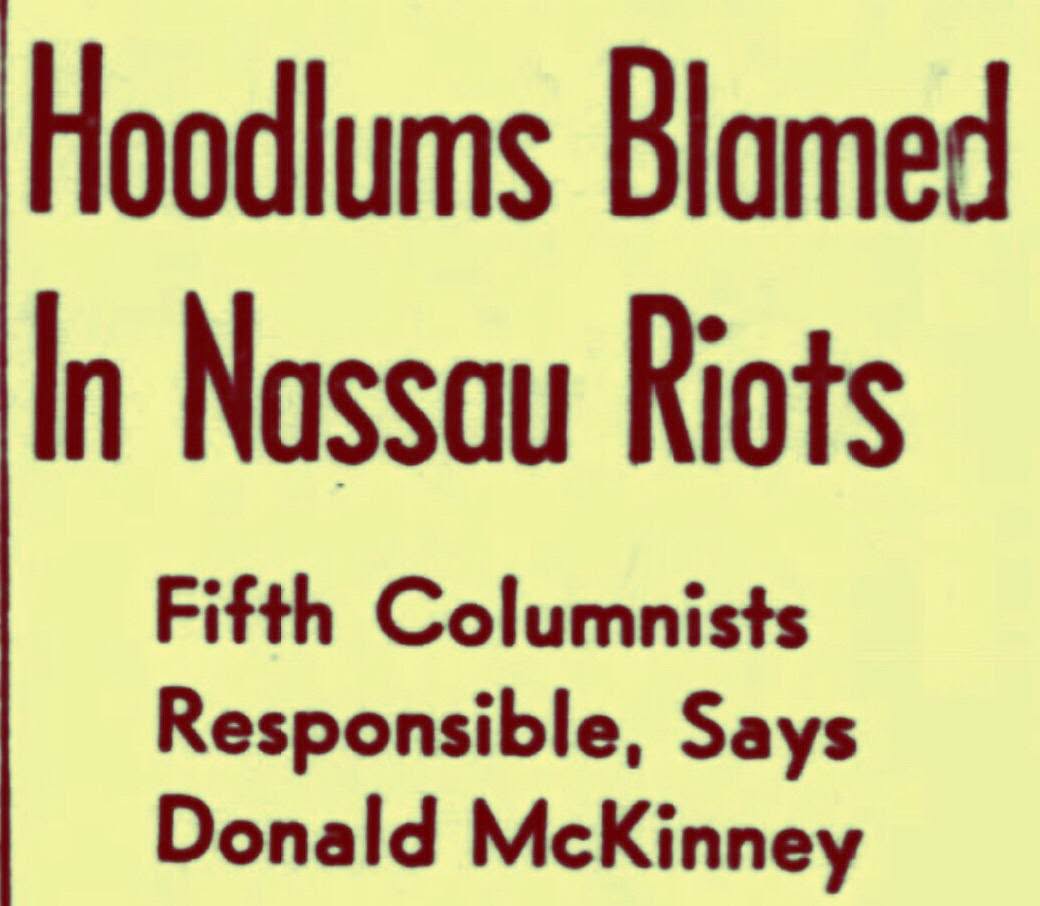
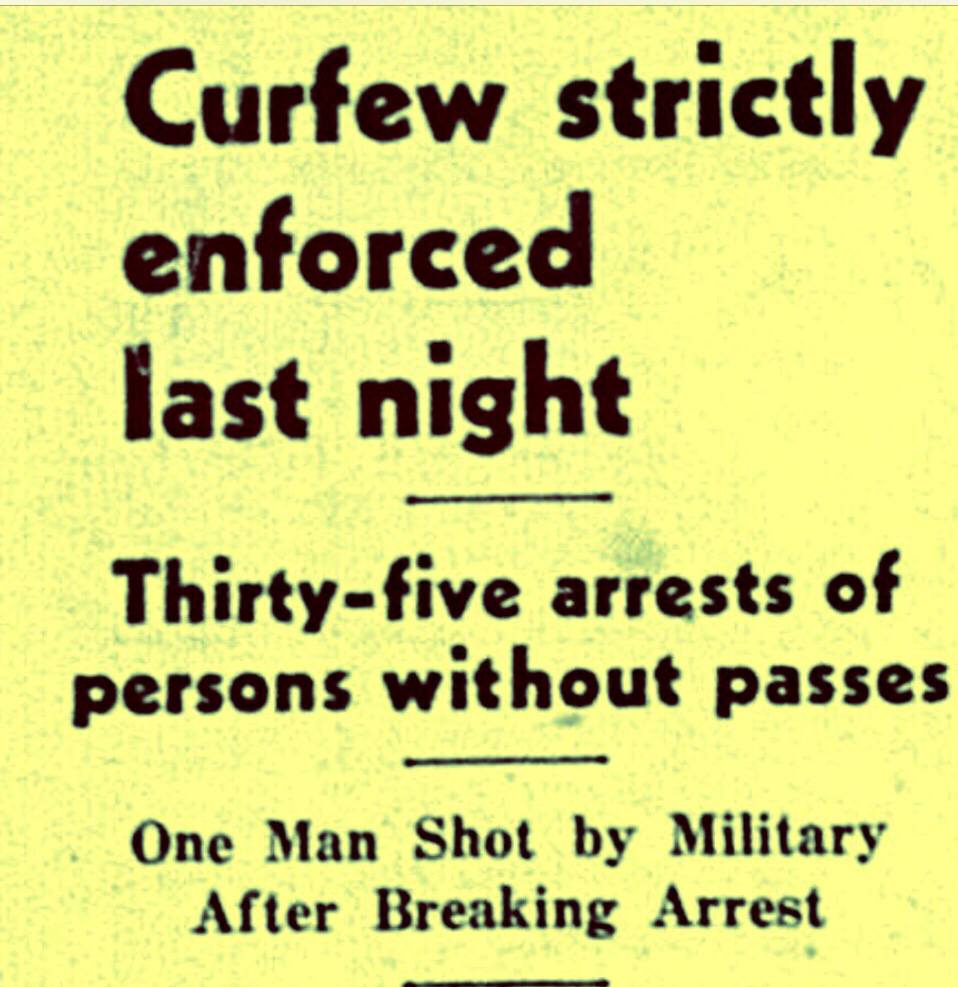
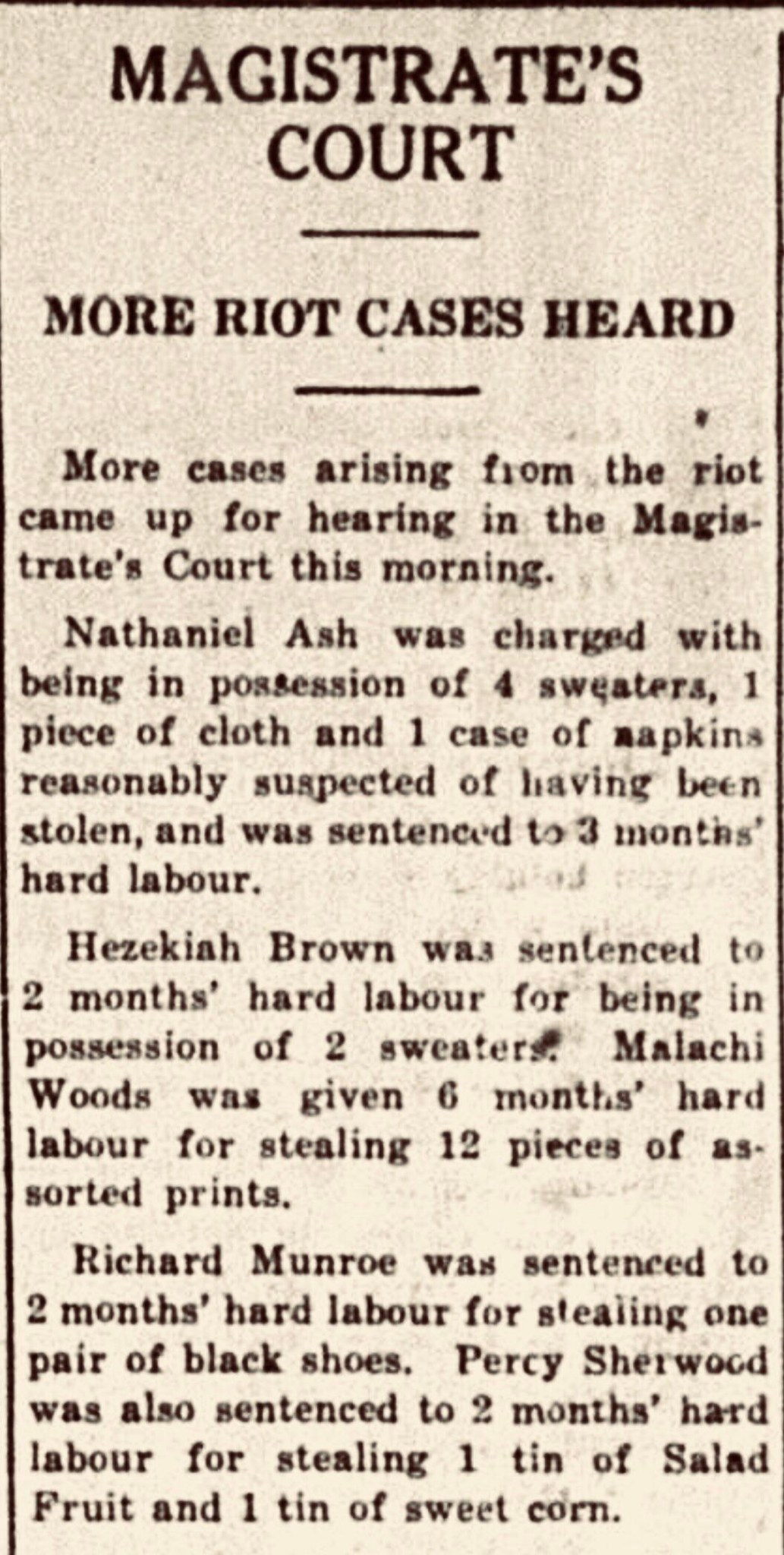
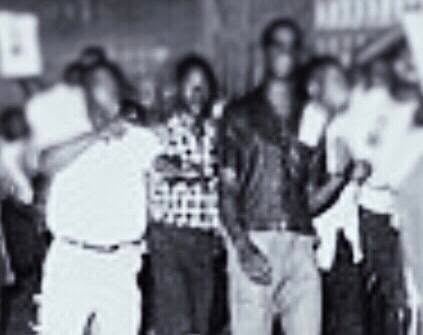
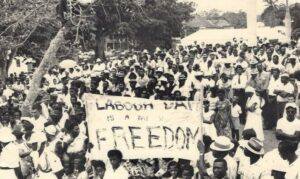
Actual Pictures of the Riot
Mobile uploads
Mobile uploads
Mobile uploads
Mobile uploads
Mobile uploads
Mobile uploads
Mobile uploads
Comment

The scam’s used to manipulate weak minded people into killing others…

The scam’s used to manipulate weak minded people into killing others that they don’t even know.

1.) Create any story that makes the person hate the person who they want murdered.

2.) Offer a financial reward when completed.

3.) Pretend lasting friendship with the manipulated individual.

4.) Pretend that the manipulated person have potential to be something successful in life besides a fool who’s been manipulated to kill someone they don’t even know personally.

5.) False sense of security after carrying out the hit.

Don’t let strong minded people unlike yourself manipulate your weak mind to carry out task that they wouldn’t do themselves. Once you take a life, yours is on the clock ⏰ as well.

Be your own man and stop calling other men you’re Daddy 😭 that’s gay AF 😂

Don’t forget if you’re easily offended you’re easier to manipulate as well…

The scam's used to manipulate weak minded people into killing others that they don't even know. 

1.) Create any story that makes the person hate the person who they want murdered.
Comment

Dancing Trees in Nassau 1950’s

Dancing Trees in Nassau 1950’s

Back in the 1950s, Nassau had a man known only as The Obeah Man. Nobody knew his real name, but everybody knew his power. He was feared, respected, and whispered about in hushed voices. Some say he was just a man with gifts, others believe he was something more. One thing was certain he could heal the sick, fix ailments no doctor could explain, and cure people from things even pastors were afraid to pray against. Fever, blindness, strange illnesses that had no name he handled them all. Some say he had herbs no one else knew about. Others believed he whispered into the wind, calling on spirits to do his work.

But for all his healing, he had a love that ran just as deep as his powers Junkanoo. Every year, he would be there, dressed in wild colors, lost in the rhythm of the goatskin drums, moving like the music was part of his soul. And twice before, when he got too deep in his liquor and the spirit of the festival took him, he did something nobody could explain.

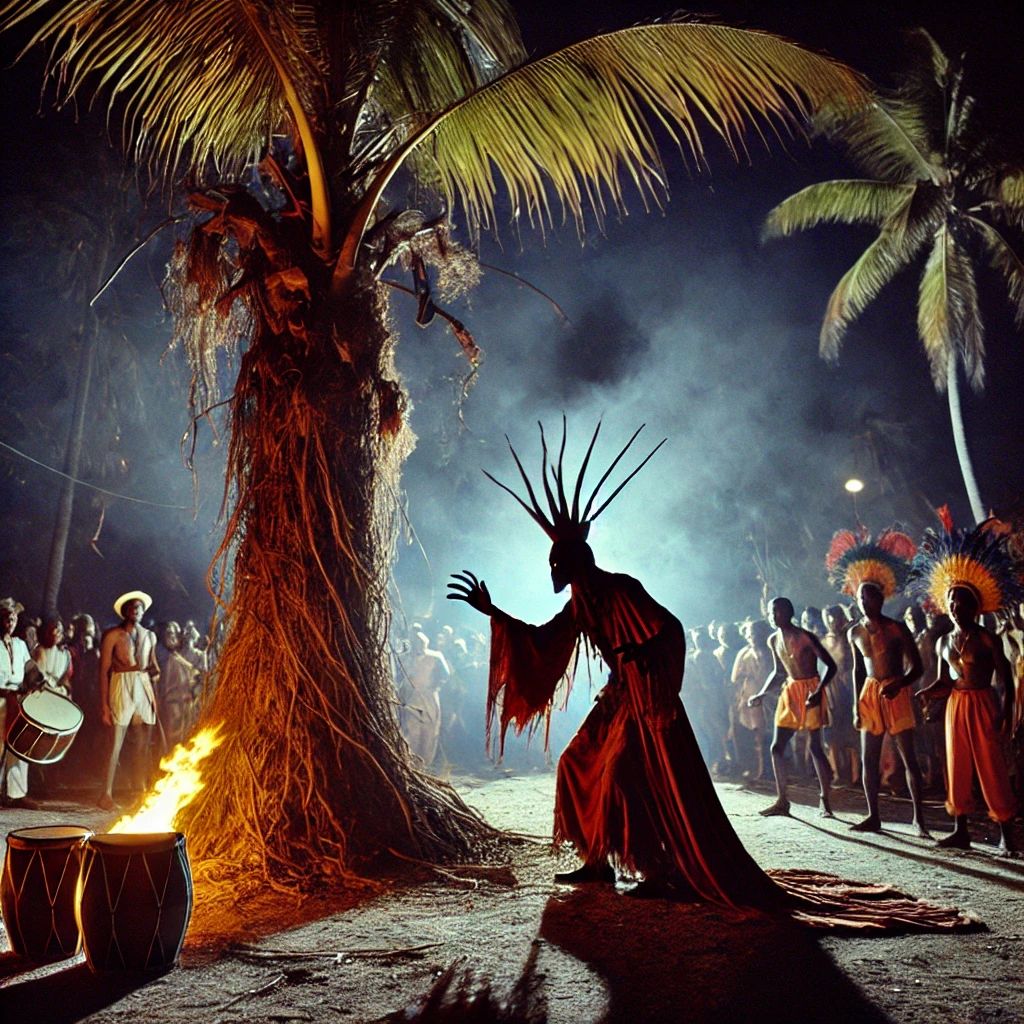
The first time was in Centerville. The crowd was thick, music pumping, cowbells ringing, when The Obeah Man staggered toward a tall palm tree. He started chanting, moving his hands in strange patterns, and before anybody could stop him, the tree moved. Not just swaying in the breeze it danced. The whole Junkanoo crowd went silent as the palm tree shook its leaves, twisted its trunk like it was alive, moving in rhythm with the beat of the drums. Some ran. Some watched in horror. Then, as suddenly as it started, the tree froze, and The Obeah Man collapsed to the ground laughing.

The second time was in Fox Hill. Another Junkanoo night, another drunken spell. This time, he walked up to another palm tree, placed his hand on it, and whispered something nobody could hear. The tree started spinning roots still in the ground, but it moved like a man in a feverish Junkanoo rush-out. People screamed. A few even fainted. And just like before, when it stopped, The Obeah Man disappeared into the crowd like nothing happened.

But after that, he was never the same. Some say he started changing, becoming something else. His skin grew darker, his eyes glowed strange in the moonlight, and people swore he could walk into shadows and vanish. Then one day, he was just gone. No one saw him die, no one found his body. Some say he never died at all.

They believe he turned into something else. What exactly? Nobody knows for sure. Some whisper he became a bird, flying high above the islands, watching everything from the trees. Others say he turned into a black cat, slipping through the alleys of Nassau, seen but never caught. And some believe he walks among us even now, shifting between forms, waiting for the right moment to reveal himself again.

And even now, when the Junkanoo drums hit just right, if you look closely, you might still see a lone palm tree swaying a little too perfectly to the rhythm of the beat it could be him you never know.

Page Reply:
To see updates and the full story visit lol242.com/
I heard of this story as a kid too.

Dancing Trees in Nassau 1950's

Back in the 1950s, Nassau had a man known only as The Obeah Man. Nobody knew his real name, but everybody knew his power. He was feared, respected,
Comment

The Weight of Silence

The Weight of Silence

I sit in the small, sterile room of the old folks home, the faint smell of antiseptic and boiled vegetables lingering in the air. My mother, frail and wrinkled, lies in the bed, her once sharp eyes now clouded with age and pain. But her voice, though weaker, still carries that familiar edge. She’s complaining about the food I brought, the clothes I bought, the way I arranged her pillows. I clench my fists in my lap, my nails digging into my palms, but I keep my face calm. I’ve learned to do that over the years.

I think back to my father, a kind, hardworking man who came home every night exhausted, only to be met with her endless criticism. I remember the way he’d sit at the kitchen table, staring into his glass of whiskey, her voice like a relentless storm around him. And then, the day he couldn’t get out of bed anymore. Even then, she didn’t stop. Not even when he took his last breath. And a month later, there she was, introducing us to a stranger, calling him “your new dad.” I was just a child, but I felt the betrayal like a knife in my chest.

Now, here I am, decades later, sitting by her bedside, listening to her ungrateful words. My brother, he couldn’t do it. He cut her out of his life completely. Sometimes I envy him for that. But I couldn’t. Maybe it’s guilt, maybe it’s some twisted sense of duty, but I come. I bring her things. I try to make her comfortable, even though she never did the same for my father. Even though she never showed us an ounce of the love we craved as children.

She’s weak now, her body failing her. The bedsores are painful, the nurses say, but she refuses to let them treat her properly. She’s always been stubborn. I look at her, this woman who caused so much pain, and I feel a mix of pity and resentment. Part of me wants to scream at her, to demand she acknowledge what she did, to apologize. But I know she never will. She’s not capable of it. So I sit here, silent, holding it all inside, just like I always have.

I reach out and adjust her blanket, and she swats at my hand weakly. “Don’t fuss over me,” she snaps. I force a smile and nod, biting back the words I’ve wanted to say for years. Instead, I sit back in the chair, my hands folded in my lap, and wait. Because that’s what I do. I wait. And I endure. Just like my father did.

I’ll let God deal with it.

Page Reply:

Ungrateful people don’t change most of the time.

The Weight of Silence

I sit in the small, sterile room of the old folks home, the faint smell of antiseptic and boiled vegetables lingering in the air. My mother, frail and wrinkl
Comment

I Still Can’t Leave Her

I Still Can’t Leave Her

Good afternoon, Bahama Drama. Please keep me anonymous thanks.

It’s really amazing how fast the days go by when your heart is swollen and your eyes are always weary, wondering who she could be cheating with today!

I know the world might look at me as one big fool, but if you’ve ever poured your entire soul into a relationship, you’d understand what I’m talking about. You wouldn’t judge me or try to style me on here.

So here it is I love this woman. And I mean, I fell in love with her at first sight, just like how people say in books and movies. I can tell you that kind of thing is real.

At the beginning of the relationship, she and I were inseparable like Bonnie and Clyde. Whenever you saw her, you saw me, and vice versa. We did everything together!

And when we made sweet love, time stood still, and the scent of autumn filled the air. I knew let me say, we knew that we would be together forever.

Then she found a job at this place and left me.

Every morning, she hurts me all over again by leaving for work. Even though, yet again, my heart was broken just this morning by her, I still can’t leave her.

I don’t know maybe I should get a job too, just to show her what I feel each time she leaves in the morning. Maybe I should just cheat on her to show her how bad I’m hurting every time she walks away.

I mean, it looks like it’s true what they say Bahamian women don’t like good men.

Page Reply:

I don’t see why her finding a job and going to work is a minus in the relationship, Sir. Ijs

I Still Can't Leave Her

Good afternoon, Bahama Drama. Please keep me anonymous thanks.  

It's really amazing how fast the days go by when your heart is swollen and your eyes are
Comment

The Unholy Fight for Flesh

The Unholy Fight for Flesh

There’s an untold story whispered only among the highest-ranking Catholic priests, a tale so dark and unsettling that even the Vatican buries it beneath layers of sacred doctrine. It is said that when King James completed his translation of the Bible, his soul was tormented by knowledge he could not include. In the final years of his life, he wrote a forbidden book, Demonology, exposing a terrifying truth. The dead do not leave peacefully.

For three years after death, the departed desperately try to re-enter their bodies. They claw at their own decaying flesh, screaming in horror as rigor mortis mocks their efforts. At first, they refuse to believe they are dead. The body is still warm when they hover over it, willing it to move, trying to force air into collapsed lungs. But when decay sets in, realization hits like the force of a thousand falling stars.

The lucky ones move on. The unlucky. They wander.

Some drift from place to place, searching for bodies weak enough to enter, drunkards, the sick, those drowning in sorrow. Others follow pregnant women like starving wolves circling prey. From the moment of conception, millions of them gather, watching, waiting. Every unborn child is a prize, a doorway into life. The fight is brutal. Only one spirit wins, sealing the body as its own until the teenage years weaken the barrier once again.

But there are rules. And there are enforcers.

The angels do not fight for man. They do not fight against him either. They stand between worlds, observing, enforcing the balance. Some souls learn the laws through whispers in the wind, gentle warnings to turn away. Others learn through silence, swallowed into nothingness before they even understand what they did wrong. The angels are neither cruel nor merciful. They simply are.

And then something changed.

On a cold December night, the Pope stood before the sacred doors of the Vatican, the doors that had remained sealed for centuries, guarding something no man should ever release. The faithful called it a blessing. The elders of the Church knew better. When those doors creaked open, the air shifted, thick with an ancient presence. The abyss had been given a passage, a gateway unsealed for the first time in a thousand years.

In the Bahamas, strange things began to happen. The sea roared louder, the winds whispered names, and the dead no longer stayed buried. Graves were disturbed, but not by human hands. People woke up paralyzed, a crushing weight on their chest, eyes forced open to see black figures crawling from their ceilings. The fishermen stopped venturing into the waters at night, not after one of them came back babbling about a voice beneath the waves calling his name, promising him another life if he just let go.

The priest in Ragged Island was the first to notice. A man came to him, trembling, saying something had followed him from the graveyard. He smelled the stench of death before he even opened the door. The man’s skin was cold, his pupils stretched like a snake’s.

“They trying to take me,” the man whispered. “They say I ain’t supposed to be in here.”

That night, the priest locked his doors, but it didn’t matter. By morning, the church was empty. The man’s footprints led to the shore. His body was never found.

The angels did not stop it. They did not intervene.

Because now, the door is open. And hell does not knock. It walks right in.

Page Reply:

The Doomsday Clock of nuclear scientists now stands at 89 seconds to midnight, the closest it has ever been to global catastrophe. Last days is all I can say. Repent and sin no more.

Doomsday Clock

File photo:

The Unholy Fight for Flesh  

There’s an untold story whispered only among the highest-ranking Catholic priests, a tale so dark and unsettling that even the Vatican buries it benea
Comment

The Battle for Young Minds.

The Battle for Young Minds.

How Gangs and Political Parties alike Recruit from Schools and Churches in the Bahamas

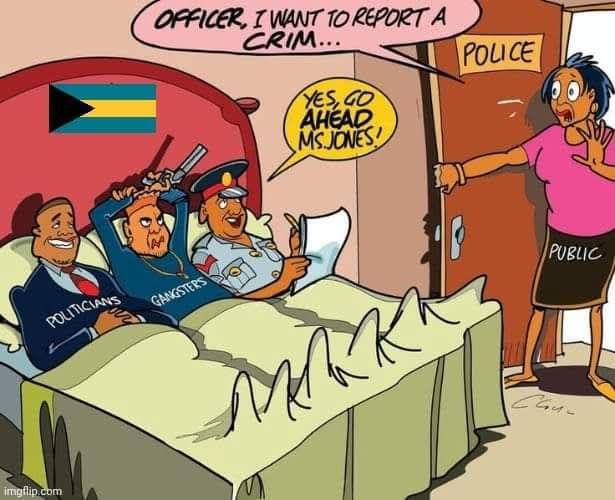
In the Bahamas, two seemingly opposite forces. gangs and political parties. share a striking similarity. they both target young minds in schools and churches to secure long term influence and control. While their goals and methods differ, the strategy remains the same. early recruitment ensures loyalty, obedience, and a steady stream of followers who will serve their agendas.

The Psychology of Early Recruitment

Whether it’s a street gang or a political movement, young people are the easiest to shape. They are impressionable, eager for belonging, and still developing their sense of identity. By recruiting from schools and churches, both gangs and political parties tap into these vulnerabilities, offering a sense of purpose, protection, and in some cases, financial gain.

1. Indoctrination and Emotional Influence

– Gangs use fear, financial incentives, and a sense of family to lure young boys and girls into their ranks. They target those from broken homes or struggling backgrounds, offering them a support system they may not find elsewhere.

– Political parties, on the other hand, use school programs, scholarships, and youth associations to groom future voters and party loyalists. They present their party as the only path to success, subtly instilling a lifelong allegiance.

– In both cases, young recruits are trained to see outsiders as the enemy. whether it’s a rival gang or the opposing political party.

2. Loyalty and Obedience Through Rewards and Fear

– Gangs initiate young recruits by testing their loyalty, often through acts of violence or crime. Once inside, leaving is nearly impossible without severe consequences.

– Political parties offer job opportunities, scholarships, and financial assistance to young supporters. Over time, these benefits create an unspoken rule. loyalty must be repaid, and turning against the party can mean being cut off from opportunities.

– Just as gangs punish betrayal with violence, political organizations use blacklisting, intimidation, or social ostracization to keep members in line.

3. Strategic Placement in Schools and Churches

– Gangs know that schools are a prime hunting ground for recruitment. Young students are pressured into joining, sometimes through friendships or coercion, with the promise of money and protection.

– Political parties work through student groups, church youth ministries, and even school curriculum programs to instill their ideology early. Some church leaders openly endorse political figures, merging faith with party loyalty.

– Both institutions recognize that controlling the youth means controlling the future.

The Parallels with Terrorist Recruitment

The tactics used by gangs and political parties in the Bahamas bear similarities to how terrorist organizations recruit child soldiers.

– Early indoctrination ensures a lifetime of loyalty.
– Both use rewards and fear to maintain obedience.
– Young recruits are used as foot soldiers to carry out the leaders’ agendas.

While the consequences may differ. one leading to street violence, the other to political corruption. the foundation remains the same. controlling young minds ensures long term dominance.

Breaking the Cycle

To dismantle this recruitment pipeline, schools and churches must take a neutral stance, prioritizing education and morality over influence. Community programs should focus on individual empowerment rather than group loyalty. Young people must be taught critical thinking, so they can recognize when they are being used as pawns in a larger game.

Ultimately, whether through street violence or political manipulation, the fight for young minds in the Bahamas is real. The question is. who will win?

The Battle for Young Minds. 

How Gangs and Political Parties alike Recruit from Schools and Churches in the Bahamas  

In the Bahamas, two seemingly opposite forces. gangs and pol
Comment