
Where Did the Name Exuma and Ragged Island Come From?
Where Did the Name Exuma and Ragged Island Come From?
Researcher ✔️
Michael Elijah Muhammad Clare
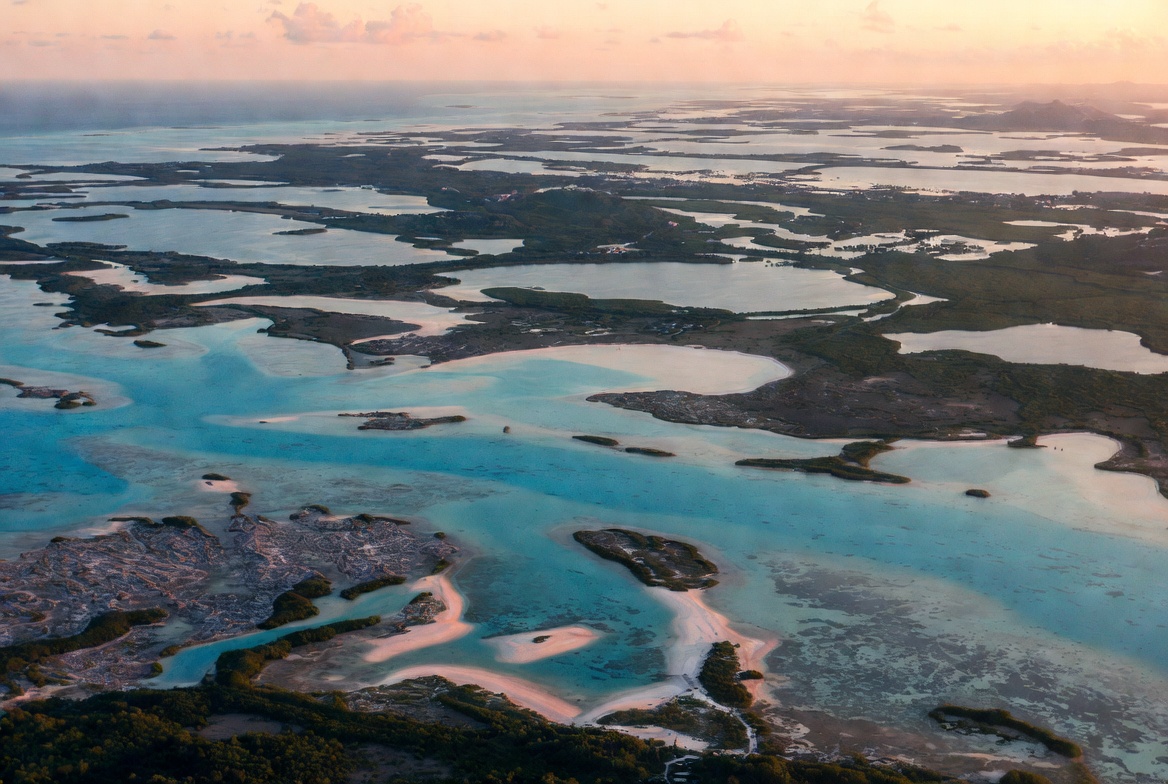
In the turquoise expanse of the southern Bahamas, where 365+ cays scatter like jewels tossed by indifferent gods, two names stand out for their ragged edges and whispered origins: Exuma and Ragged Island. These are not mere labels on a map; they are palimpsests, layers of Lucayan survival, Spanish greed, pirate shadows, Loyalist desperation, and the resilient heartbeat of a people who inherited both paradise and pain.
THE ANCIENT WHISPER: LUCAYAN ROOTS AND “YUMA”
Long before Columbus, the indigenous Lucayan people thrived here. They called the Exuma Cays Curateo (“outer far distant land”) and the Ragged Island chain Utiaquia (“western hutia land”), named for the rabbit-sized rodent that was their staple.
The etymology of “Exuma” itself is a linguistic ghost. Early Spanish maps (c. 1500) mark the area as Yumey or Yuma. In the Taíno tongue, Yuma often referred to “large” or “long”—a fitting description for the sprawling chain. As the Spanish “x” (historically pronounced “sh”) merged with indigenous phonetics, Yuma morphed into Xuma, Easuma, and finally Exuma. While the Lucayans were effectively wiped out by 1550, their language remains anchored in the name of the water they once paddled.
SALT, PIRATES, AND THE “RAGGED” EDGE
By the late 17th century, the jagged, irregular limestone shores and windswept reefs earned the descriptive English name Ragged Island. It was a literal description of the archipelago’s torn appearance on the horizon. While Captain Kidd allegedly used Elizabeth Harbour as a hideout, the real “white gold” wasn’t pirate treasure—it was salt. Salt production drew the first permanent post-Lucayan settlers to Great Exuma and Ragged Island, providing the essential preservative for the age of sail.
THE ROLLE LEGACY: FREEDOM IN COMMONAGE
The human drama reached its zenith after the American Revolutionary War. British Loyalists, including Lord John Rolle, brought enslaved Africans to Exuma to establish cotton plantations. However, the legacy of the Rolle name is unique in the annals of the Caribbean.
Upon his death in 1842, Lord Rolle bequeathed his massive estates to his formerly enslaved people to be held in commonage. Unlike the rest of the world, where land is subdivided and sold to the highest bidder, this land belongs to all descendants of the Rolle estate and cannot be sold to outsiders. This created a literal wall of resistance; today, despite the influx of billionaire investors, huge swaths of Exuma remain in the hands of the people—a living testament to an unusual inheritance of soil and soul.
RAGGED ISLAND: THE ISLAND THAT WOULDN’T DIE
On Ragged Island, the community of Duncan Town (named for founder Duncan Taylor) built a culture of hardy seafaring. While other islands succumbed to urbanization, Ragged Island maintained a fierce, isolated independence.
This resilience was tested in 2017 when Hurricane Irma devastated the island. The government initially declared the island “unhabitable,” suggesting a total evacuation. Yet, families like the Lockharts, Maycocks, and Pintards refused to abandon the “ragged edge.” Their refusal to let Duncan Town become a ghost town echoes the endurance of the salt-rakers who preceded them.
THE MODERN PARADOX: FROM BONES TO BILLIONAIRES
Today, the chain exists in a strange duality. The same waters where Lucayans hunted hutia are now a playground for the global elite.
HISTORICAL TIMELINE:
– Lucayan Era: Focus on Hutia & Conch. Result: Total Depopulation.
– Spanish Era: Focus on Passage & Gold. Result: Slavery & Disease.
– Loyalist Era: Focus on Cotton & Salt. Result: Enslavement.
– Modern Era: Focus on Privacy & Aesthetics. Result: Gentrification & Climate Risk.
CONCLUSION
The Bahamas don’t just lure with beauty; they demand you listen to the names. Exuma evokes the “long land” of a lost people; Ragged speaks to a raw, untamed beauty that refuses to be erased. Next time you wade into the crystal shallows, remember: you are stepping into a living history book, where every cay holds a story written in blood, salt, and the enduring grit of those who call the “far distant land” home.
Related stories

Biometric Voter Cards Go Local, PAC Digs Into $1.5m Vouchers, and Some PMH Wards Relocate
Late-afternoon Bahamas Islands Briefing for Wednesday, October 14, 2026: Exuma’s Business Outlook is tomorrow;…

PUBLIC MESSAGE TO ALL BAHAMA DRAMA FOLLOWERS
We are taking Bahama Drama to the next level, and we want you to…

Eleuthera Residents Threaten to Stop Paying BPL Bills, Treasure Cay’s $177m Sale Nears Closing, and a “Miracle Baby” Gets Her Wheels
Afternoon Bahamas Islands Briefing for Wednesday, October 14, 2026: Eleuthera residents threaten to withhold…
Join the conversation
No comments yet. Be the first.