
To whom it may concern rolling the Dice 🎲
To whom it may concern rolling the Dice 🎲
The Origins of Rolling Dice: A Journey Through History
Rolling dice is one of the oldest forms of gaming known to humanity, with a history stretching back thousands of years. The simple act of throwing small objects to determine fate or chance has been part of human culture since ancient times. But where did dice come from, and who first invented them
The First Dice: Bones and Knucklebones
The earliest dice were not the perfect cubes we use today. Instead, they were made from bones—particularly the astragalus ankle bones of sheep, goats, and other animals. These bones had four flat sides and were used for divination predicting the future before evolving into tools for gambling and games
Archaeologists have found bone dice dating back to around 3000 BCE in ancient Mesopotamia modern-day Iraq. These early dice were carved with markings to indicate different values. Similar bone dice were also found in ancient Egypt, Greece, and China, showing that many civilizations independently developed their own versions of dice games
The Birth of the Six-Sided Die
The standard six-sided die D6 that we know today began appearing around 2000 BCE in the Indus Valley civilization present-day Pakistan and India. These dice were more refined, made from materials like ivory, wood, and stone. Unlike the earlier knucklebones, they were shaped into cubes, making them more predictable and fair when rolled
By around 1400 BCE, ancient Egyptians were using six-sided dice in board games like Senet, which was played by both commoners and pharaohs. Around the same time, dice became popular in Mesopotamian and Greek societies for both gaming and fortune-telling
Roman Influence and Spread of Dice
The Romans were passionate gamblers, and dice became an important part of their entertainment. They played dice games in taverns, military camps, and even the streets. Roman dice were usually made of bone, bronze, or lead and closely resembled modern dice in shape and design
The Romans also spread dice throughout their empire, influencing cultures across Europe, North Africa, and the Middle East. They even had laws regulating gambling, showing that dice games were both popular and problematic in ancient times
Medieval Dice and Gambling
During the Middle Ages 5th–15th century CE, dice games remained widespread in Europe. They were played by peasants, knights, and even kings. However, dice were also associated with gambling and were sometimes banned by religious authorities
Craftsmen during this time started making dice with uniform shapes and balanced weights, improving their fairness. Dice-making became an official trade, with dice crafted from wood, bone, or even expensive materials like ivory
The Standardization of Dice 18th–20th Century
By the 18th and 19th centuries, dice became more standardized, especially as board games gained popularity. With the rise of industrial manufacturing, dice were mass-produced using precise molds, ensuring that every die had equal chances of rolling different numbers
In the 20th century, casinos and gaming companies refined dice-making even further. Casino dice, often called precision dice, are carefully crafted to be perfectly balanced, preventing any unfair rolling advantages
Modern Dice and Beyond
Today, dice are used in countless ways, from board games like Monopoly and Yahtzee to role-playing games RPGs like Dungeons & Dragons, where players use multi-sided dice D4, D8, D20, etc. Digital dice have even made their way into video games, keeping the tradition alive in the digital age
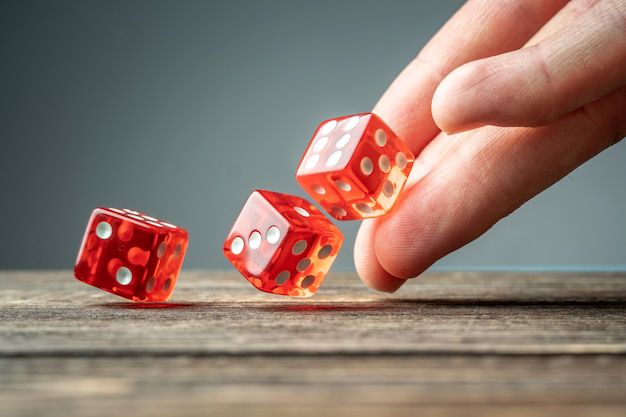
Although dice have evolved from primitive bones to precision-engineered cubes, their fundamental purpose remains the same introducing chance and fate into human games and decisions. The act of rolling dice connects us to an ancient tradition that has been part of human culture for over 5000 years
Conclusion
The invention of dice is not credited to a single person but rather developed naturally across different ancient civilizations. From the knucklebones of prehistoric times to the modern, balanced dice used in casinos, these small objects have had a long and fascinating history. Whether used for gambling, games, or even predicting the future, dice remain one of the oldest and most enduring symbols of luck and chance
Related stories

Biometric Voter Cards Go Local, PAC Digs Into $1.5m Vouchers, and Some PMH Wards Relocate
Late-afternoon Bahamas Islands Briefing for Wednesday, October 14, 2026: Exuma’s Business Outlook is tomorrow;…

PUBLIC MESSAGE TO ALL BAHAMA DRAMA FOLLOWERS
We are taking Bahama Drama to the next level, and we want you to…

Eleuthera Residents Threaten to Stop Paying BPL Bills, Treasure Cay’s $177m Sale Nears Closing, and a “Miracle Baby” Gets Her Wheels
Afternoon Bahamas Islands Briefing for Wednesday, October 14, 2026: Eleuthera residents threaten to withhold…
Join the conversation
No comments yet. Be the first.