
The Surname Hawkins From England And Slavery History
The Surname Hawkins From England And Slavery History
By: Michael Elijah Muhammad Clare
The surname Hawkins has deep English roots that date back to at least the 1200s and 1300s. It originated as a patronymic name meaning son of Hawkin. Hawkin itself was a medieval personal name derived from Hawk or the Norse name Hakon. Over time, the added s came to mean descendant of Hawkin.
Before slavery, families with the surname Hawkins lived throughout England, particularly in Devon, Cornwall, Somerset, London, and East Anglia. They were commonly farmers, merchants, sailors, and naval workers. The name already carried social standing long before it became connected to colonial expansion.
The Hawkins name became historically significant during the early formation of the transatlantic slave trade. One of the most well documented figures was Sir John Hawkins, born in 1532. He was an English naval commander and privateer and is widely recognized as one of the first Englishmen to profit directly from enslaving Africans.
During the 1560s, Sir John Hawkins led multiple voyages to West Africa where Africans were captured and transported to the Caribbean and the Americas. They were sold into slavery, and the profits helped establish England’s long term involvement in the slave trade. His actions were not hidden or unofficial. They were supported by English power structures, including the Crown.
As a result of this history, the surname Hawkins became closely tied to slavery in the Caribbean and the Americas. Enslaved Africans were often assigned the surnames of plantation owners, ship owners, overseers, or colonial officials. In many cases, the name Hawkins was imposed, not chosen.
This is why the surname Hawkins is now common among Black families in places such as The Bahamas, Jamaica, Barbados, and the southern United States. The presence of the name does not automatically mean direct descent from Sir John Hawkins, but it does indicate that an ancestor’s life intersected with English colonial authority during slavery.
Over generations, bloodlines mixed through force, survival, and time. Many people carrying the surname Hawkins today may have African ancestry, European ancestry, Caribbean ancestry, or a combination of all three. This reflects the complex reality of history rather than a simple narrative of one side or the other.
After emancipation, many formerly enslaved people retained the surnames they were given. These names became legal identities under which families were built, land was claimed, churches were formed, and communities survived. Over time, the surname Hawkins became part of new lineages that had nothing to do with England and everything to do with resilience.
Today, the name Hawkins no longer belongs solely to its English origins. It belongs to the descendants who carried it forward, transformed it, and gave it new meaning. Understanding the history of the name removes its power to define or limit identity.
Knowledge turns a burden into clarity. When the truth is known, the name becomes a record of survival rather than ownership.
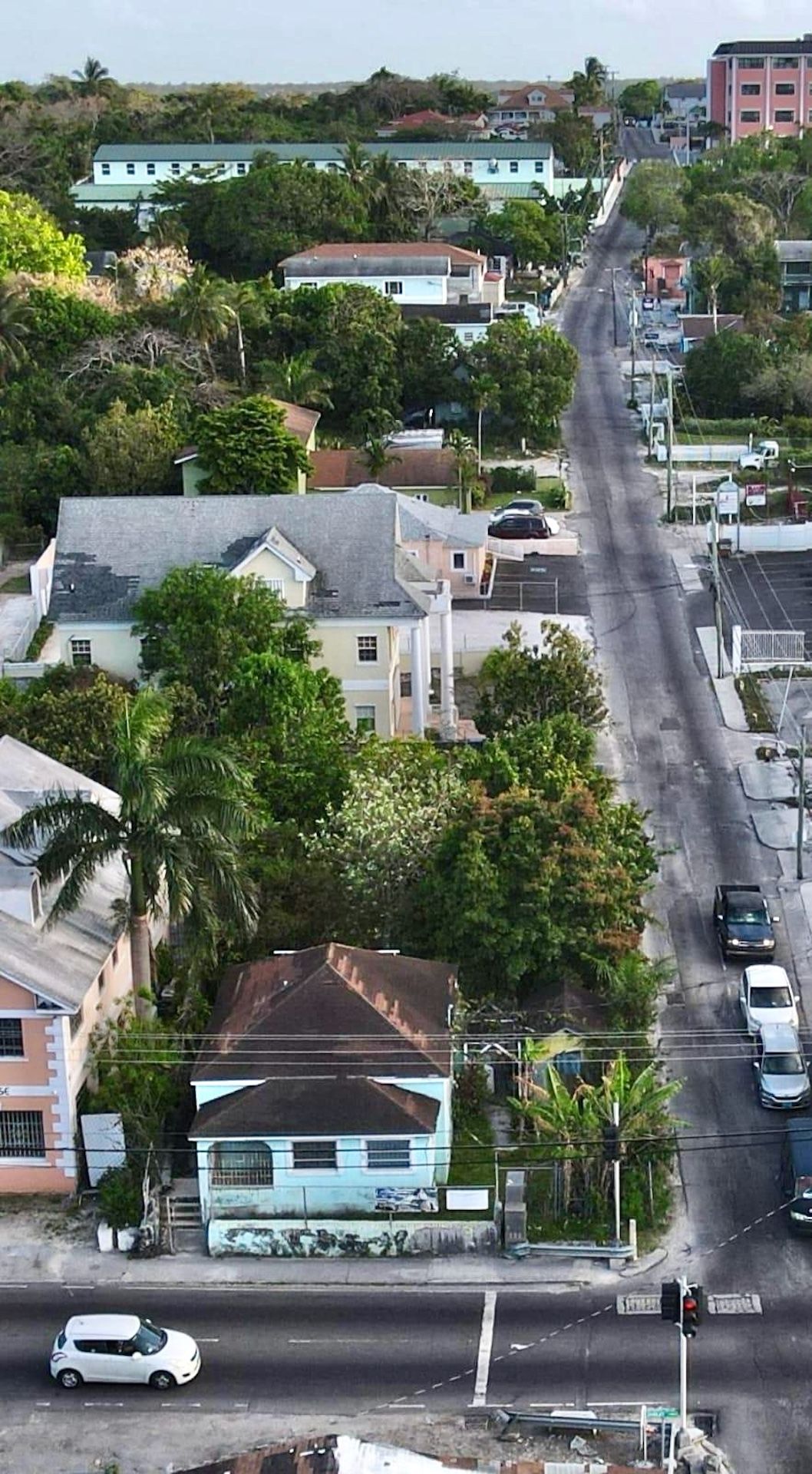
Hawkins Hill Street Nassau
Related stories

Biometric Voter Cards Go Local, PAC Digs Into $1.5m Vouchers, and Some PMH Wards Relocate
Late-afternoon Bahamas Islands Briefing for Wednesday, October 14, 2026: Exuma’s Business Outlook is tomorrow;…

PUBLIC MESSAGE TO ALL BAHAMA DRAMA FOLLOWERS
We are taking Bahama Drama to the next level, and we want you to…

Eleuthera Residents Threaten to Stop Paying BPL Bills, Treasure Cay’s $177m Sale Nears Closing, and a “Miracle Baby” Gets Her Wheels
Afternoon Bahamas Islands Briefing for Wednesday, October 14, 2026: Eleuthera residents threaten to withhold…
Join the conversation
No comments yet. Be the first.