
The Pot-cake Nation
The Pot-cake Nation
By: Michael Elijah Muhammad Clare
The people who form the majority of the Bahamian population today, Afro Bahamians, making up over 90% of the nation’s citizens, they are descendants of Africans forcibly brought to the islands through the transatlantic slave trade between the 17th and 19th centuries. Historical records from slave voyages and genetic studies confirm that these ancestors originated primarily from
West and Central Africa, with the largest numbers coming from regions including.
– The Gold Coast, modern Ghana, especially Akan groups like the Ashanti, Fante.
– The Bight of Biafra, modern Nigeria and Cameroon, including Igbo and related peoples.
– The Bight of Benin, including Yoruba influenced areas and Fon from modern Benin
– West Central Africa the Kingdom of Kongo and Angola, including Kongo, Mbundu, and Ovimbundu peoples.
– Senegambia, Sierra Leone, and the Windward Coast including Wolof, Mandinka, and Temne
Additional liberated Africans resettled in the Bahamas after 1807 when Britain abolished the slave trade, came from similar regions, further enriching this diverse heritage.
Before enslavement, these ancestors lived in sophisticated, organized societies, far from the stereotypes sometimes imposed later. Many came from powerful kingdoms and empires renowned for their wealth, governance, art, and spirituality.
– In the Gold Coast, the Akan peoples, including Ashanti and Fante, built centralized states with golden stools symbolizing royal authority, advanced gold mining and trade networks, and matrilineal systems where queens mothers held immense influence.
– The Kingdom of Kongo in Central Africa was a Christianized empire by the 16th century, with a literate elite, grand courts, and diplomatic ties to Europe.
– The Oyo Empire, Yoruba, and Igbo communities featured complex city-states, divine kings, oba, and rich religious traditions involving orishas and ancestors.
– Groups like the Fulani and Songhai traced lineages to ancient Mali Empire scholars and warriors.
These were deeply religious societies, blending ancestor veneration, divine kingship, and spiritual practices that viewed rulers as semi-divine. Kings, queens, priests, and nobles led rituals for fertility, warfare, and harmony with nature. Far from European-style feudalism with oppressed “peasants,” West and Central African societies had stratified classes based on lineage, occupation, and achievement, nobles, free farmers, artisans, warriors, and (in some cases) inherited servants or war captives. Free commoners owned land communally, participated in councils, and could rise through merit. There was no equivalent to Europe’s landless, serf-like peasants tied to lords; most people were independent producers in vibrant, self-governing communities.
Enslaved Africans were often captured in wars or raids, not because they were “lowly,” but precisely because they came from prosperous societies worth targeting. Many were skilled farmers, traders, metalsmiths, or even minor nobility sold as prisoners of war.
The Reality of Admixture: A Shared Bahamian Bloodline That Strengthens Us All
Historical facts show that interbreeding between European enslavers primarily British Loyalists who arrived after 1783 and enslaved Africans was widespread during slavery, often through coercion and rape, but also consensual relationships afterward. This continued post emancipation in 1834 and into modern times through marriage and family building. Genetic studies of Bahamians reveal:
– Predominantly sub-Saharan African ancestry, often 70-90% in Afro Bahamians.
– Significant European admixture 10-40% on average, varying by island and family), with some Native American traces from early contacts.
– Virtually no one in the Bahamas today is “100% African” or “100% European”, the population is a beautiful mosaic of mixed heritage.
White Bahamians (descended from Loyalists) also carry African ancestry in many lines, just as Afro Bahamians carry European. Percentages differ family by family, but this shared mixing means Bahamians of all shades are literally cousins under the skin.
Those Loyalists? Many were not elite aristocrats but everyday people, farmers, merchants, artisans, and poorer Britons or their descendants in the American colonies, who stayed loyal to the Crown for practical reasons. They fled the American Revolution with what they could carry (including enslaved Africans), received land grants, and struggled to build new lives on rocky soil. Like the Africans they brought, they were resilient survivors starting over.
A Heritage to Celebrate: Mixed Bloodlines That Prove Survival and Unity
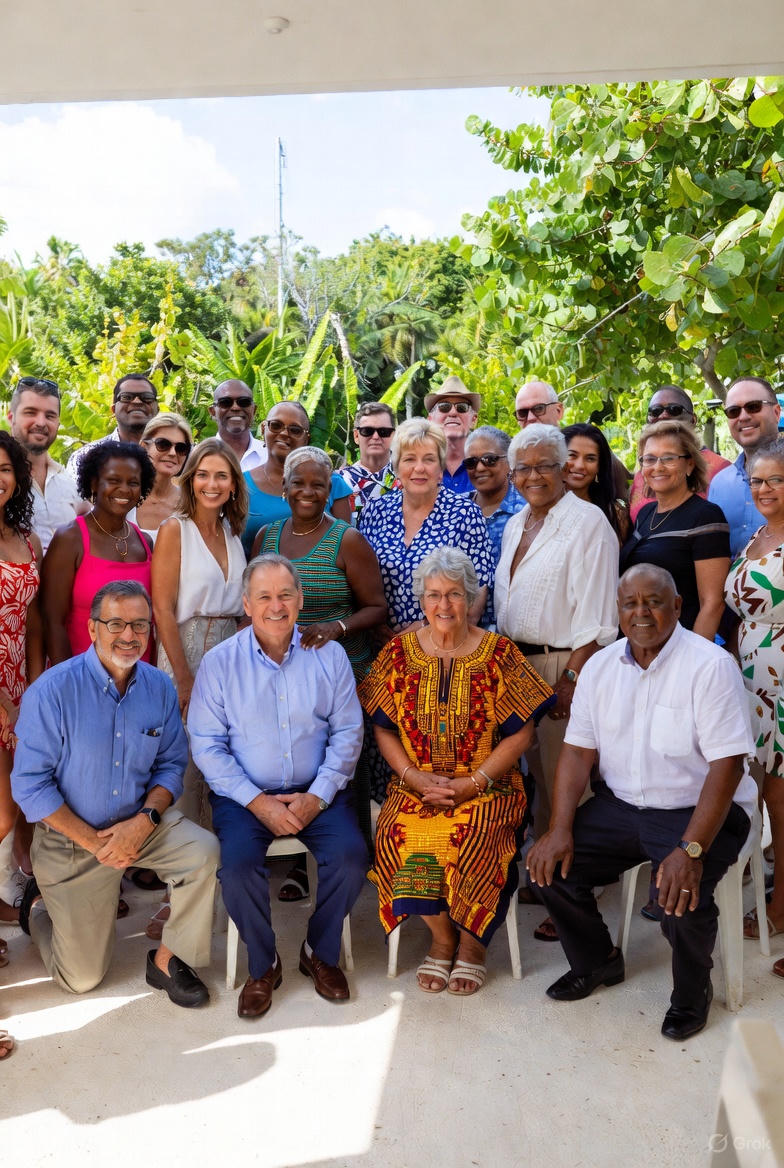
This blending, born from tragedy but enduring through love, resilience, and time, is something every Bahamian can take immense pride in. Afro Bahamians carry the unbreakable spirit of African kings, queens, priests, and innovators who built empires and spiritual traditions that echo in Junkanoo rhythms, rake and scrape music, and spiritual wisdom today.
White Bahamians and all mixed descendants inherit the determination of Loyalist pioneers who crossed oceans for a new start, just as liberated Africans did. No bloodline was “lost”, it was forged stronger, creating a unique Bahamian identity where African strength meets European grit and hints of Indigenous roots.
Whether your family tree branches more toward Ghanaian gold kingdoms or Scottish highlands, whether your skin reflects more Akan royalty or Loyalist resolve, you are part of a living legacy that outlasted slavery, storms, and separation. In the Bahamas, we are all family: proud mutts (mixed and magnificent) whose diverse roots make our nation vibrant, unbreakable, and one of a kind. This shared history isn’t division, it’s the ultimate triumph of survival and unity. Be proud, your bloodline endures, richer for the journey…
Related stories

Biometric Voter Cards Go Local, PAC Digs Into $1.5m Vouchers, and Some PMH Wards Relocate
Late-afternoon Bahamas Islands Briefing for Wednesday, October 14, 2026: Exuma’s Business Outlook is tomorrow;…

PUBLIC MESSAGE TO ALL BAHAMA DRAMA FOLLOWERS
We are taking Bahama Drama to the next level, and we want you to…

Eleuthera Residents Threaten to Stop Paying BPL Bills, Treasure Cay’s $177m Sale Nears Closing, and a “Miracle Baby” Gets Her Wheels
Afternoon Bahamas Islands Briefing for Wednesday, October 14, 2026: Eleuthera residents threaten to withhold…
Join the conversation
No comments yet. Be the first.