
Surname Gibson
Surname Gibson
The Gibson Bloodline United
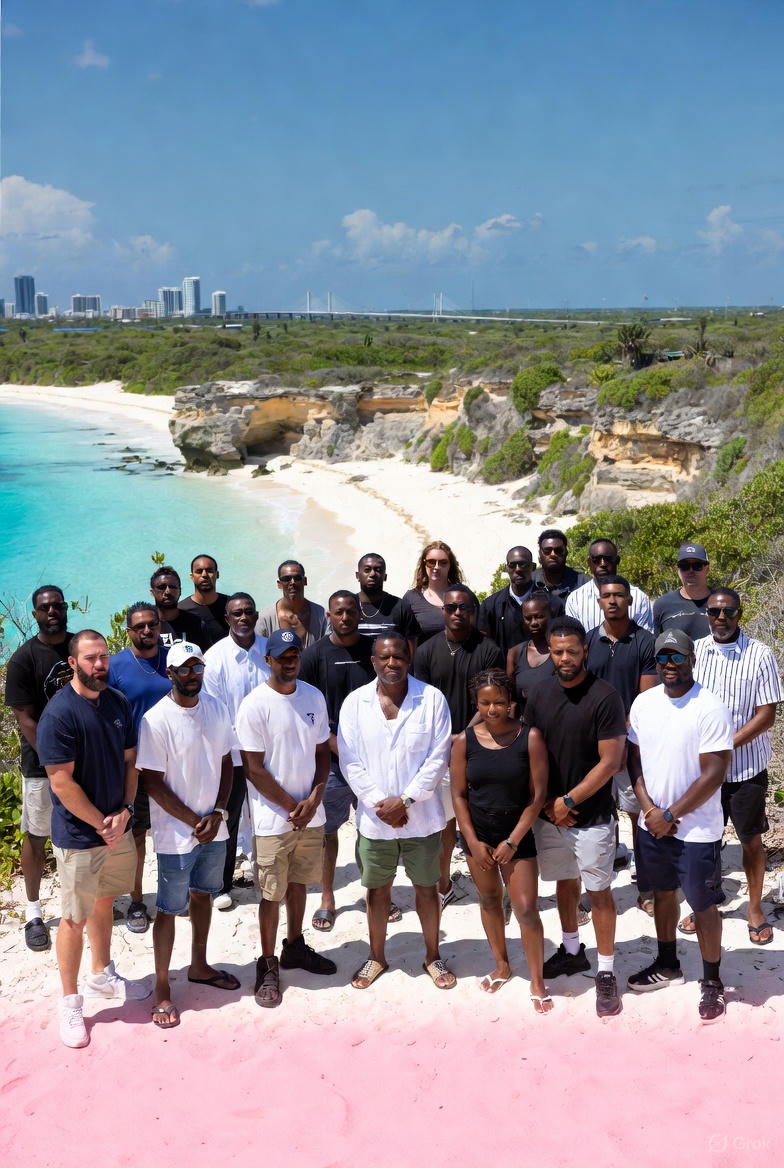
A Harbour Island & Eleuthera Drama of Warrior Kin
In the pink sands of Harbour Island and the wild cliffs of Eleuthera, two names ring louder than the ocean waves crashing against the rocks at sunrise: GIBSON and CLEARE.
The old people will tell you straight: these are not two families. This is one blood, forged in the hottest fire the Bahamas ever knew.
The hard history, told plain and true:
White Gibsons and white Cleares were Loyalist planters who settled side by side on Harbour Island and north Eleuthera in the 1780s and 1790s. Joseph Gibson, William Cleare, Henry Cleare and their sons ran neighbouring estates. But the slaves they bought were not the same.
The Gibsons bought pure warrior stock: tall, proud Coromantee from the Gold Coast, Ibo, and Yoruba who had been kings and queens, generals and griots in Africa. From the day they stepped off the ship they were trouble. They never accepted the yoke. They stared down the whip, sang forbidden war songs at night, and when punished, looked the driver in the eye and smiled. Plantation journals and court records call them “Gibson’s Guinea devils” and “incorrigible.” They were such a nuisance that other planters begged not to buy Gibson slaves when they came up for sale. Once a Gibson warrior stepped on your land, your whole quarter was restless within a week. You literally could not sell a Gibson slave anywhere else in the Bahamas; nobody wanted that unbreakable African spirit on their place.
The Cleare slaves were different. From the start, Cleare men had taken African women into their houses. By the 1790s many Cleare slaves were already light-skinned, some carrying 70 percent or more European blood while still working the fields. They were clever, quick, and often favoured.
The planters saw the danger and thought they had the answer.
Pure Gibson warriors were impossible to control and impossible to sell off. So they deliberately bred them with the lighter, already-mixed Cleare slaves, believing the white blood would water down the fire. They forced the strongest Gibson men and women to pair with Cleare people, thinking the children would be strong workers but easier to manage.
It backfired completely.
The children came out taller, fiercer, smarter, and twice as defiant. And here is the part the old people still laugh about: the darker the child was, the more the slave masters knew that child carried the pure Gibson genes. A jet-black baby born to a light-skinned Cleare mother meant the Gibson warrior blood had won again. The darker the skin tone, the more the owners whispered, “That one got more Gibson than Cleare in him,” and the more they feared what that child would grow up to be.
By 1830 the Governor himself was getting letters that said “the Gibson-Cleare people of Harbour Island and Eleuthera are the most troublesome negroes in the colony.”
When freedom rang on August 1, 1838, the mixing was already done. Half the people walking free that day had both names running in their veins. The white Gibsons and white Cleares who stayed looked at the sons and daughters they had fathered, and instead of fleeing, they started signing deeds. Prime land from Dunmore Town to Gregory Town, Current to James Cistern, was handed over to the very warriors they once tried to tame. Marriages that had been hidden for generations now happened in church.
Today every DNA test from a Gibson or Cleare in Harbour Island and north Eleuthera shows 70-80 percent shared ancestry. You cannot separate us. But ask any elder whose spirit won and they will laugh: “They tried to drown the Gibson fire with Cleare blood. The darker we came out, the brighter that fire burned.”
On moonless nights off the Devil’s Backbone, fishermen still see the Iron Shadows, always in pairs: one pure-dark Gibson warrior with Coromantee scars, one lighter Cleare-Gibson with the same unbowed eyes, standing shoulder to shoulder. When family is in trouble, those two rise together and the sea goes calm.
In the great migration north, Gibson-Cleare families went to Boston and built the skyline, the Big Dig, the bridges, the towers. Millionaires sent money home that bought back every acre the planters once owned, and it is still held in both names, black and white together.
You tried to break the Gibson warrior by mixing him.
All you did was create the strongest, most united family these islands ever saw.
Gibson-Cleare. One blood. One fire. Forever unbroken.
Related stories

Biometric Voter Cards Go Local, PAC Digs Into $1.5m Vouchers, and Some PMH Wards Relocate
Late-afternoon Bahamas Islands Briefing for Wednesday, October 14, 2026: Exuma’s Business Outlook is tomorrow;…

PUBLIC MESSAGE TO ALL BAHAMA DRAMA FOLLOWERS
We are taking Bahama Drama to the next level, and we want you to…

Eleuthera Residents Threaten to Stop Paying BPL Bills, Treasure Cay’s $177m Sale Nears Closing, and a “Miracle Baby” Gets Her Wheels
Afternoon Bahamas Islands Briefing for Wednesday, October 14, 2026: Eleuthera residents threaten to withhold…
Join the conversation
No comments yet. Be the first.