
Strip clubs
Strip clubs
The Timeless Art of Bodily Expression The Complete History of Female Striptease and Pole Dancing
Throughout human history, dance has functioned as a sophisticated medium for conveying emotion, celebrating the physical form, and exploring themes of desire, power, and connection. Striptease and pole dancing represent distinctive performance traditions within this continuum. Far from being modern inventions, these arts possess deep historical roots and have undergone significant transformation from humble, public beginnings to specialized indoor entertainment. This examination traces their origins, evolution, cultural significance, and prospective future with precision and respect for their artistic dimensions.
Ancient Origins An Art Form More Ancient Than Commonly Understood
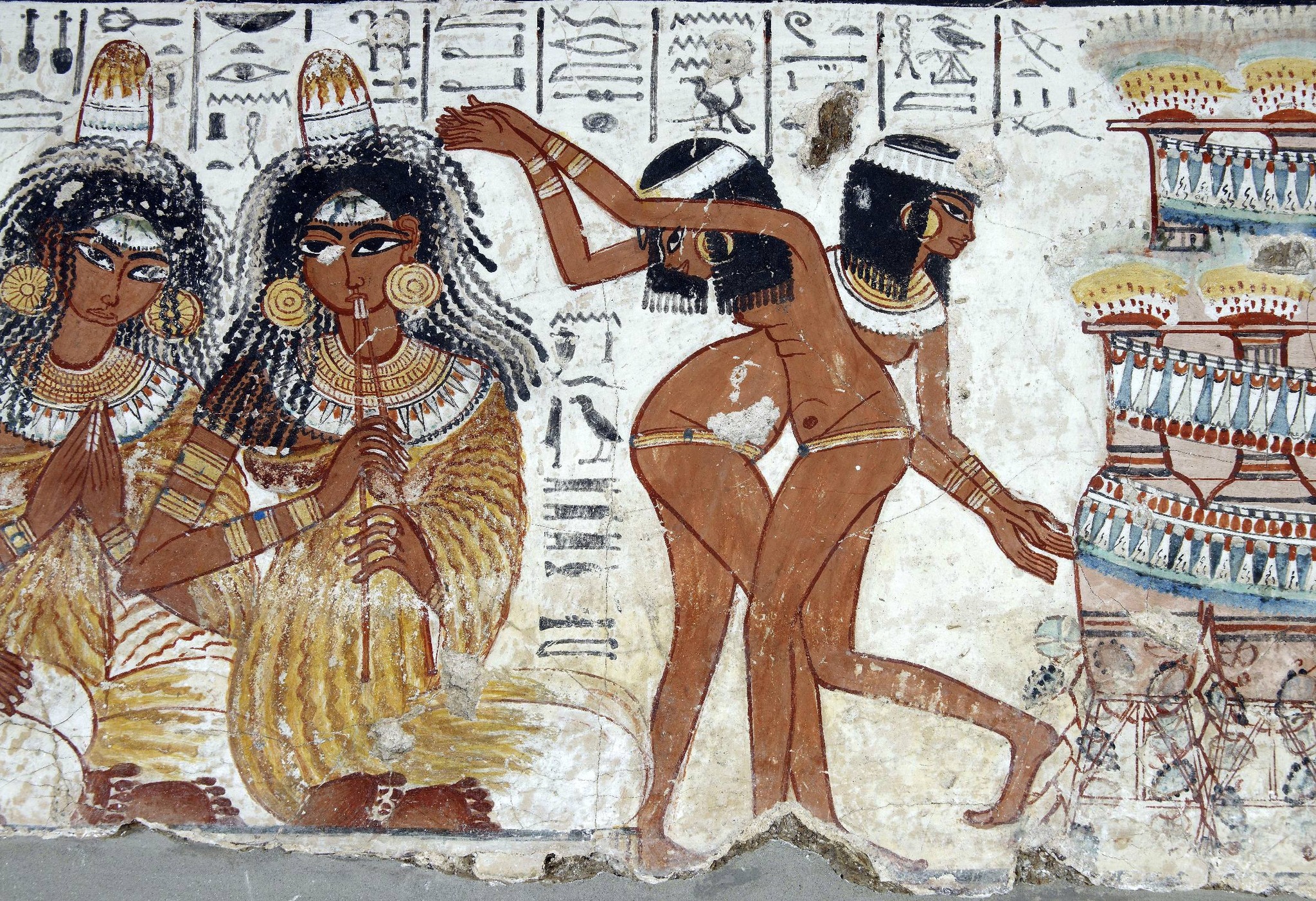
The expressive use of the body through movement and the artistic revelation of form extends into antiquity, predating contemporary terminology by millennia. In ancient Egypt, temple and tomb artwork depicts dancers performing fluid, rhythmic sequences often accompanied by music and percussion. These performances frequently occurred in contexts honoring deities associated with love, music, and fertility, such as Hathor. Dancers appear in attire and poses that emphasize grace, physicality, and communal or ritual significance.
Comparable expressions appear across other ancient civilizations. In classical Greece and Rome, entertainers at symposia and festivals employed choreographed movement and selective unveiling to engage audiences, blending athleticism with theatricality. In South Asia, classical dance traditions incorporated sensual gestures and expressive storytelling with roots extending thousands of years. Middle Eastern and North African forms, including early precursors to what became known as belly dance, originated in fertility rites and communal celebrations where bodily movement served spiritual and social functions.
These precedents demonstrate that the deliberate employment of dance as a vehicle for sensual expression, bodily celebration, and gradual revelation of the form constitutes an enduring human impulse. While not identical to modern commercial striptease, these ancient practices establish that the core elements, choreographed movement, audience engagement, and the artistic presentation of the body, are far older than the 19th or 20th centuries.
Humble Beginnings in the Modern Era
The direct lineage of contemporary striptease emerged in the 19th century within the popular entertainment frameworks of burlesque and vaudeville in Europe and the United States.
Burlesque originated as theatrical parody and comic opera but progressively incorporated leg shows and spectacles featuring female performers in form-fitting attire. These productions initially appeared in variety theaters, music halls, and fairgrounds, serving diverse, frequently working-class audiences seeking affordable diversion.
Early performers developed routines combining dance, comedy, and the gradual removal of garments. Economic necessity often motivated participation, as limited professional opportunities existed for women during this period. The performances remained largely public and integrated into broader variety bills rather than isolated adult entertainment. This era represents the modest, theatrical origins of the form, accessible, satirical, and shaped by the social and economic conditions of industrializing urban centers.
The Emergence of Striptease and Transition to Indoor Venues
By the late 19th and early 20th centuries, the art of the tease crystallized. In Paris, performances such as Le Coucher d Yvette 1894 featured choreographed undressing on stage, establishing a model that spread internationally. In the United States, burlesque houses refined the format, with artists such as Gypsy Rose Lee elevating it through sophisticated timing, witty commentary, elaborate costumes, and an emphasis on suggestion rather than explicit exposure.
As cities expanded and nightlife infrastructure developed, facilitated by electric illumination, improved transportation, and growing leisure culture, performances increasingly moved indoors. Enclosed theaters, cabarets, and supper clubs offered controlled environments with superior lighting, acoustics, and seating arrangements. This transition enhanced artistic possibilities while navigating contemporary public decency regulations. The indoor setting allowed for greater intimacy between performer and audience, transforming the experience from broad spectacle to curated theatrical engagement. Nightlife districts in major cities became centers for these refined presentations.
Evolution into Modern Strip Clubs and the Incorporation of the Pole
Following the Second World War and amid the social transformations of the 1960s and 1970s, the industry adapted to shifting cultural attitudes toward sexuality and entertainment. Topless and, subsequently, full-nude formats appeared in dedicated bars and clubs.
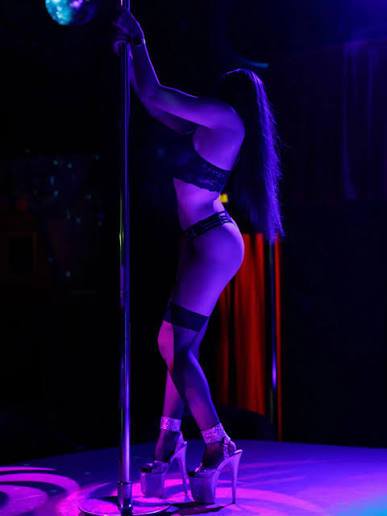
The vertical pole entered performances during this period, likely introduced for practical support during dynamic movements and later developed into a prop enabling spins, climbs, inversions, and extended choreography. Its adoption drew from circus and acrobatic traditions while serving the specific demands of sustained stage performance.
By the 1980s and 1990s, specialized venues known as strip clubs or gentlemen s clubs had become established features of urban nightlife in many countries. These facilities typically featured stages, private dance areas, and structured interactions. The terminology strip club became standard, distinguishing these venues from earlier burlesque houses or general nightclubs.
The industry professionalized, with chains, standardized practices, and a focus on both live performance and ancillary services. Throughout these developments, the core artistic elements, choreography, musical interpretation, costume design, and audience psychology, remained central, even as formats diversified.
The Enduring Importance of This History
This historical trajectory underscores the resilience and adaptability of performance arts centered on the human body. What commenced in ritual, festival, and variety contexts evolved into a demanding discipline requiring physical conditioning, timing, emotional intelligence, and stagecraft.
The history reflects broader societal negotiations concerning sexuality, gender roles, economic agency, and artistic legitimacy. For numerous practitioners across eras, participation has provided avenues for self-expression and financial independence.
The athletic dimension, particularly pronounced in pole work, aligns the practice with other dance and movement disciplines. Culturally, these arts have influenced fashion, music video aesthetics, and contemporary performance art. Acknowledging their ancient precedents and modest modern origins promotes a balanced understanding that transcends reductive stereotypes, recognizing both the expressive potential and the complex social contexts in which these traditions have developed.
Prospective Future of the Industry
The trajectory of striptease and pole dancing points toward continued diversification and potential integration with mainstream artistic and athletic domains. Pole dancing has already established a substantial presence in fitness and wellness studios globally, with dedicated academies, international competitions, and growing recognition as a legitimate dance and strength discipline independent of adult entertainment venues.
This separation has broadened participation and reframed perceptions of the physical practice.
Technological developments may further transform the landscape through virtual and augmented reality platforms, live-streaming, and interactive digital experiences that expand reach while preserving elements of live performance. Social and regulatory evolution could yield improved professional standards, enhanced performer protections, and pathways for greater artistic crossover into theater, film, and educational contexts. Global cultural exchange may produce fusions with local dance traditions, enriching the form.
Over time, it is plausible that these expressions will attain wider acknowledgment as valid performance arts and athletic disciplines, coexisting alongside specialized entertainment while benefiting from increased respect for their historical depth and technical demands. Challenges related to labor conditions, public perception, and technological disruption will likely persist, yet the demonstrated capacity for adaptation throughout centuries suggests enduring vitality.
Conclusion
From ritual movements in ancient temples to the dynamic stages of contemporary nightlife, the history of striptease and pole dancing illustrates the persistent human capacity to transform bodily expression into art. Beginning in humble public and communal settings, the form adapted to indoor venues, technological shifts, and changing social mores, retaining its capacity to engage, challenge, and entertain.
Bahama Drama presents this history as part of a broader commitment to examining cultural phenomena with clarity and context. The art of expression through dance, whether ancient or modern, remains a testament to creativity, resilience, and the multifaceted ways societies have sought to understand and celebrate the human form. The future holds promise for continued innovation, greater artistic recognition, and a more comprehensive appreciation of this rich and evolving legacy.
Readers are invited to reflect on the role of dance and performance in cultural expression. Thoughtful comments and perspectives are welcomed below.
Related stories

Biometric Voter Cards Go Local, PAC Digs Into $1.5m Vouchers, and Some PMH Wards Relocate
Late-afternoon Bahamas Islands Briefing for Wednesday, October 14, 2026: Exuma’s Business Outlook is tomorrow;…

PUBLIC MESSAGE TO ALL BAHAMA DRAMA FOLLOWERS
We are taking Bahama Drama to the next level, and we want you to…

Eleuthera Residents Threaten to Stop Paying BPL Bills, Treasure Cay’s $177m Sale Nears Closing, and a “Miracle Baby” Gets Her Wheels
Afternoon Bahamas Islands Briefing for Wednesday, October 14, 2026: Eleuthera residents threaten to withhold…
Join the conversation
No comments yet. Be the first.