
Scotia Bank in the Bahamas problem
Scotia Bank in the Bahamas problem
Researcher ✔️
Michael Elijah Muhammad Clare
The Legal Betrayal on Exuma: When Corporate Gates Override the Law and Leave Our People Starving
Two days ago on Great Exuma, a 71-year-old retired public school teacher, a man who dedicated thirty-five years of life to educating generations of Bahamian children, stood on the roadside outside the Marina at Emerald Bay. His hands held an old leather wallet and his Scotiabank debit card.
He had not come for a government payout. His eldest son, working exhausting split-shifts as a Miami-Dade transit bus driver over in Florida, had just wired money straight into his father’s account. That transfer was sent with love and sacrifice to ensure his aging father could pay his past-due house rent, settle a towering power bill, and buy two weeks’ worth of groceries.
Instead of relief, the retired educator was met with humiliation.
At the security checkpoint, guards blocked his path. He explained that his son’s money was sitting in the account, that his landlord was waiting, and that the fridge at home was completely empty. He asked only to walk the short distance to the automated teller machine to withdraw what was rightfully his.
The answer was a flat, unyielding refusal: You cannot enter.
To watch a distinguished man who shaped the minds of this island stand on the shoulder of Queens Highway, clutching a useless piece of plastic while private resort shuttles and luxury rental vehicles glided past him through the open gate, cuts to the very bone. It is an outrage that exposes a dangerous breakdown of banking accountability and basic commercial law.
The Real Legal and Regulatory Breakdown
When corporate gates slam shut on ordinary Bahamians, people often ask if it is a breach of the Bahamas Constitution. While private property owners maintain rights over their land, what is taking place in Northern Exuma is a blatant failure of statutory banking oversight, customer contract law, and public licensing obligations.
1. The Banks and Trust Companies Regulation Act, 2020
Under the Banks and Trust Companies Regulation Act, 2020 and the Central Bank of The Bahamas Act, 2020, commercial banks operate under licenses granted by the Central Bank of The Bahamas.
The Law in Plain Terms: A banking license is a public trust, not a license to abandon Family Island communities. Section 38 of the act grants the Central Bank direct authority to step in when an institution fails to provide safe, sound, and adequate operational services.
The Failure: Commercial banks cannot leave their community machines, like the Scotiabank ATM at BTC, broken and abandoned for more than two and a half months while allowing the only other area machine to sit walled off inside a private enclave. The Central Bank mandate is to protect public financial access, yet northern Exuma has been effectively cut off from its own money.
2. Commercial Contract Law: The Bank’s Fundamental Obligation
Under established commercial banking law rooted in foundational common-law principles such as Foley v. Hill, when a customer or a family member deposits funds into an account, a binding contract exists.
The Law in Plain Terms: The bank has an implied legal duty to make those deposited funds available to the customer upon reasonable demand.
The Failure: When a son in Miami wires money to keep his elderly father fed and housed, the bank cannot meet its basic contractual obligation by telling a 71-year-old man to find a way twenty miles down the road to George Town because local machines are out of service and the remaining one is guarded behind private gates.
3. Development Permissions and Community Obligations
Foreign direct investors and resort operators receive substantial concessions and approvals from the Government under Heads of Agreement and Town Planning permissions.
The Law in Plain Terms: Major developments are approved on the premise of mutual benefit to the host island and national economy.
The Failure: Private developments must not isolate essential public amenities. Restricting an on-site commercial banking machine so that foreign guests have immediate access while local Bahamian residents are treated as security risks sets a hostile and unacceptable precedent.
A Dangerous Precedent for Family Island Communities
What is happening in Exuma sets a troubling blueprint for the entire Commonwealth: If a foreign corporation can lock out our retired teachers and working families from accessing basic financial lifelines today, what will be locked down tomorrow?
Bahamians must never be made to feel like trespassers or second-class citizens on their own island just to collect money sent to keep their lights on.
Demands for Immediate Action
1. Central Bank Intervention: The Central Bank of The Bahamas must enforce operational standards on commercial banks, demanding immediate repair and full restoration of public ATM facilities in Northern Exuma.
2. Immediate Gate Access: Resort management must establish open, unharassed pedestrian access during daylight hours to the Emerald Bay ATM for all local residents until public alternatives are restored.
3. Relocate the Machine: If the property owners refuse to accommodate the public, Scotiabank must immediately move that ATM off private grounds and install it in an accessible, roadside public location where every Bahamian can access their funds with dignity.
Page Reply:
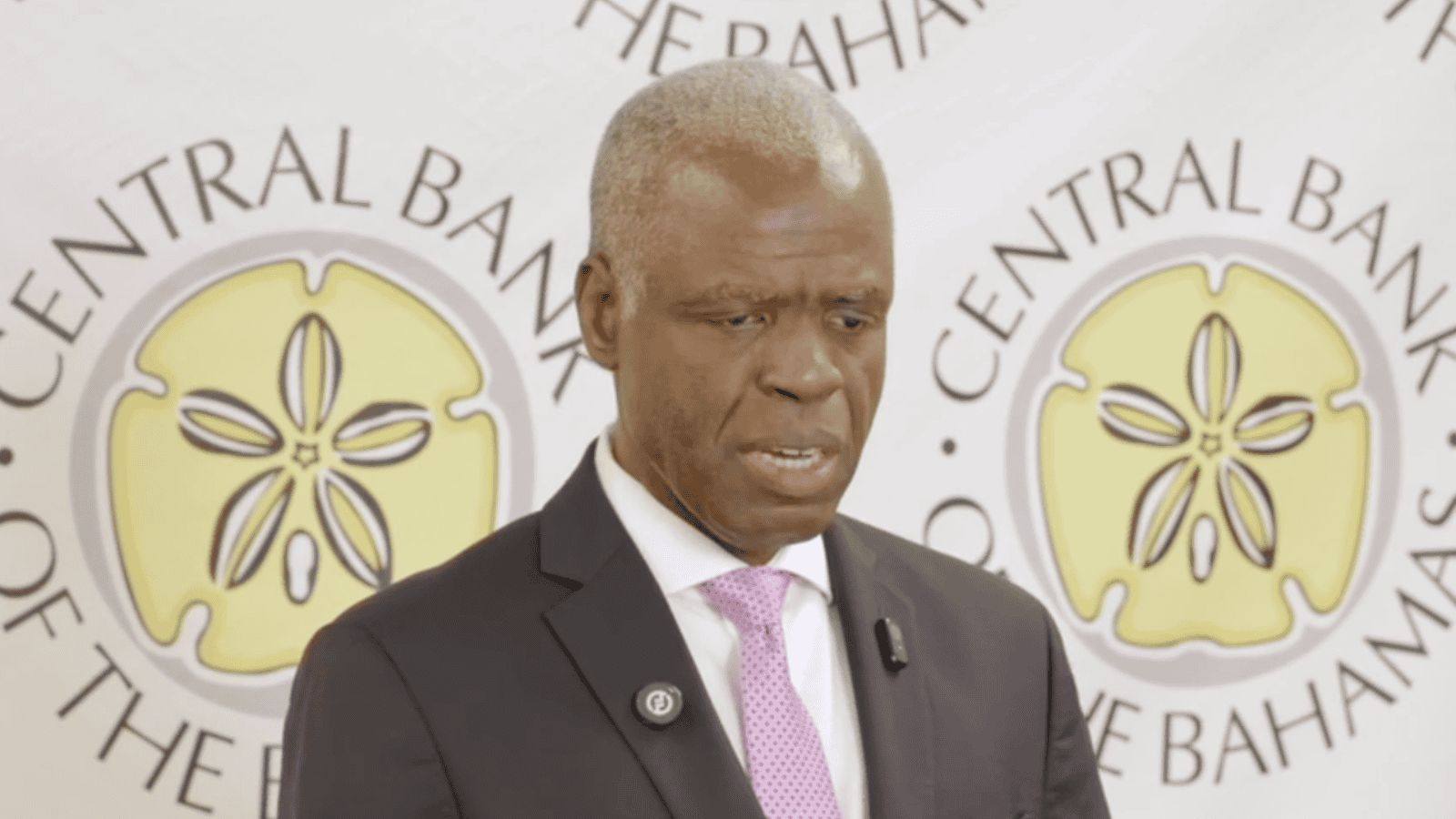
Governor John A. Rolle it’s time that you step in and do what your mandate says Sir…
Related stories

Biometric Voter Cards Go Local, PAC Digs Into $1.5m Vouchers, and Some PMH Wards Relocate
Late-afternoon Bahamas Islands Briefing for Wednesday, October 14, 2026: Exuma’s Business Outlook is tomorrow;…

PUBLIC MESSAGE TO ALL BAHAMA DRAMA FOLLOWERS
We are taking Bahama Drama to the next level, and we want you to…

Eleuthera Residents Threaten to Stop Paying BPL Bills, Treasure Cay’s $177m Sale Nears Closing, and a “Miracle Baby” Gets Her Wheels
Afternoon Bahamas Islands Briefing for Wednesday, October 14, 2026: Eleuthera residents threaten to withhold…
Join the conversation
No comments yet. Be the first.