
Wednesday, October 14, 2026
Recruitment Awareness · Episode 3 · The Isolation CutThe third Recruitment Awareness briefing from Bahama Drama looks at the Isolation Cut — the quiet way wicked crews separate a recruit, and the person they are targeting, from family, friends and church so that warnings never arrive. It shows why “don’t tell your sister” is the hinge of the whole scheme, how isolation feeds surveillance, rumor and framing, a five-question self-test for when secrecy is really recruitment, and why the same isolation later makes the “evidence” so hard to fight. It closes with re-verified reporting channels inside and outside The Bahamas.

Four words
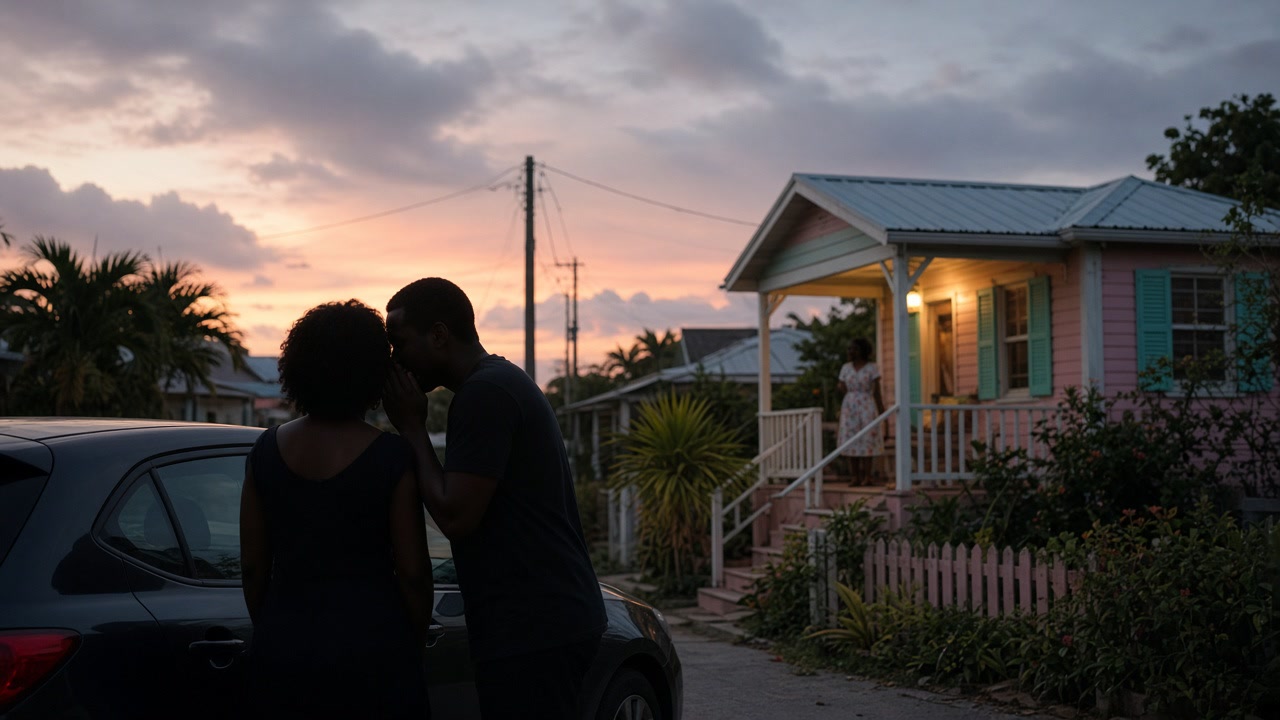
“Don’t tell your sister.” “Why not? She’s my sister.” “Exactly. She’ll worry. This is between me and you.”
That is not privacy. That is the first cut.
The Isolation Cut

Warnings travel through people who love us — a sister who notices, a pastor who asks, a friend who says, “Something ain’ right with that man.” So before they ask for anything big, wicked crews cut the line those warnings travel on. First the sister. Then the friend. Then church. Then your own mother.
The same cut is used on the person they target. Two people get isolated in this story: the one being recruited, and the one being watched.
Nobody locked me in a room. They just kept telling me everybody else was against me.— Fictional survivor voice in the briefing
How the recruiter sounds
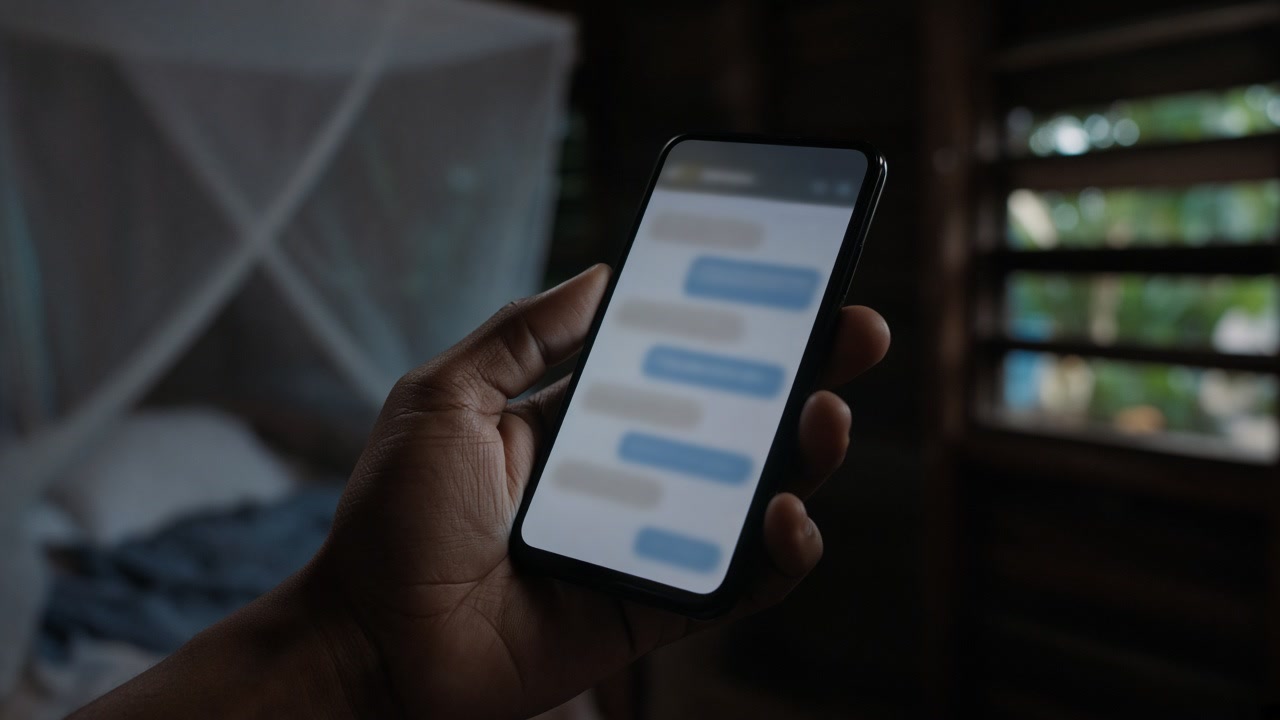
Fictional recruiter lines
- “Your family only call you when they need something. I’m the one who here for you.”
- “Don’t tell your sister. She does talk too much.”
- “Church people will smile in your face and carry your business all over the island.”
- “Delete my number after I call. Just to keep it clean.”
- “If anybody ask, you ain’ know me. This is just us.”
Money and belonging
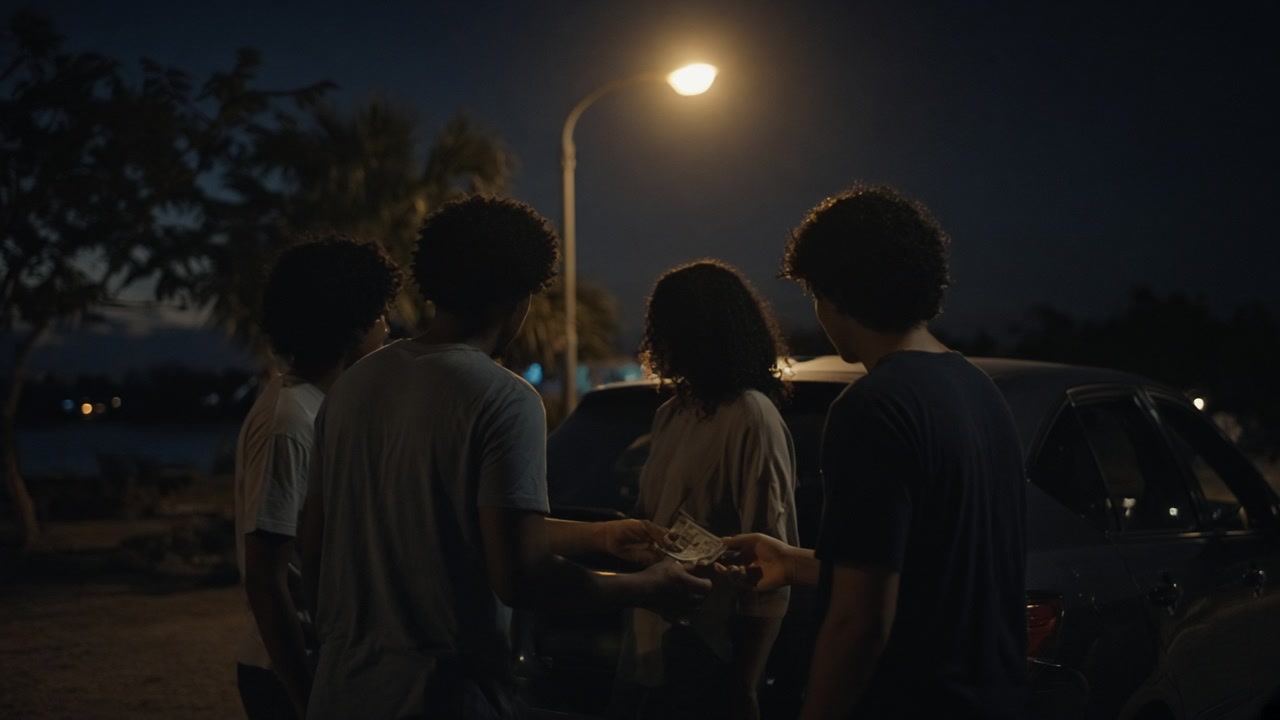
The money is small — a light bill, just enough to make you feel you owe. Belonging is the real hook: when they cut you off from your people, they offer to be your people. A recruiter is not looking for the worst person in the settlement. He is looking for the loneliest one — and if you are not lonely yet, he will help you get there.
What isolation feeds
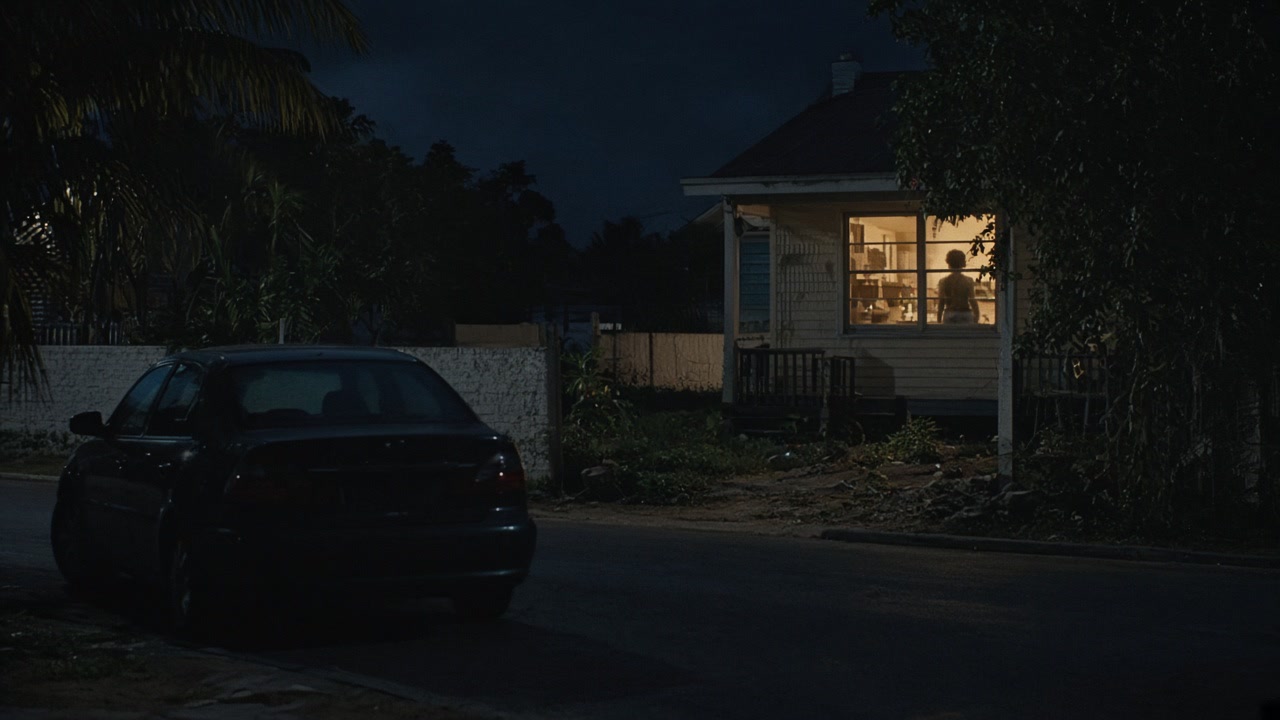
Surveillance and intimidation: a person with nobody around her is easier to watch, and easier to frighten.
The rumor campaign: a lie spreads fastest where nobody stands up to say, “That ain’ true. I know her.”
The setup: framing works best on someone with no witness to her side of the story.
Every warning that never arrives is a door they leave open. We name these methods only so you can recognize them and refuse.
When is secrecy really recruitment? Five questions

- Who am I told not to tell — and is it the people who love me most?
- Is this my choice to keep private, or is somebody demanding the secret?
- Am I seeing my family, friends and church less since this person came along?
- If my sister knew everything, would she be worried?
- When I ask why it must be secret, do I get a reason — or anger?
Three yeses, and that secret is not protecting you. It is protecting them. Privacy is a door you close for yourself. Secrecy is a door somebody else locks, from the outside.
Red-flag words: “Don’t tell nobody who love you.” “They don’t understand you like I do.” “Your family against you.” “Delete that.” “We family now.”
Why isolation makes the “evidence” so hard to fight

When the recruit finally says “I done,” the voice changes: “Who gon’ believe you? Your sister ain’ know nothing. Nobody know your side. Only me.” The rides, the messages and the small money become a file they hold over you — and because it was all secret, nobody can say, “She told me back then. She was scared. She was being used.”
The person being targeted is in the same trap. When rumors fly and false tips are made, fewer people can speak for her, because they were turned away one by one.
Speaking generally, not legal advice: investigators look at what you knew and what you meant. A trusted person you told early, or a dated note written at the time, can matter. Never delete anything — even if you were told to. Those messages may prove you were the one being pressured.
A badge puts nobody above the law

“I know people at the station” is usually a bluff — one more cut, to make you feel there is nowhere to go. But speaking generally, a scheme grows more dangerous when somebody inside a system helps it — for a bribe, a favor, a grudge, or just “helping a friend.” An officer who passes along a false tip, leans on a witness, or makes evidence appear or disappear is not doing police work. That is abuse of office, misconduct in public office, evidence tampering and corruption. Respect the honest officers — they often catch the dishonest ones — and if you fear one officer, you can still report through the channels below.
If you see yourself in this story

Call the person you were told not to tell. Today. You only have to say, “I need you to know what’s going on with me.” That one call breaks the cut. Take no more money. Speak to a lawyer or Legal Aid.
Being watched, whispered about, or pushed away from your people? You are not crazy. Do not confront anybody. Tell someone you trust, keep records, and see a health professional if the stress is heavy.
How to preserve evidence

- Keep the originals, never edited — messages, voice notes, photos, receipts — and keep copies somewhere other than your phone.
- Keep a dated log: date, place, what happened, who was there, what was said.
- Write down witness names and how to reach them.
- Give a copy to a lawyer, Legal Aid, or one person you trust — maybe the very person they told you not to tell.
- Make a written statement to police, ask for the reference number, and keep it.
- Never alter evidence. Never delete. Never confront anyone yourself. Tell the truth — a false report is a crime too.
If you are being stalked, harassed by a group, or set up

Write it down, report it, and keep the reference number. Use Crime Stoppers if you need to stay anonymous. Get a lawyer or Legal Aid. Contact the Attorney General’s office. And reach for mental-health support — carrying this alone is heavy.
How to report — inside The Bahamas
- Emergency / crime happening now: 911 or 919 (police general line (242) 322-4444)
- Crime Stoppers Bahamas (anonymous): New Providence (242) 328-8477; Grand Bahama and the Family Islands (242) 300-8477
- RBPF Complaints and Corruption Branch: (242) 326-0142 · [email protected] · or any police station
- Police Complaints Inspectorate: write through the Ministry of National Security — look up their official contact
- Office of the Attorney General: (242) 502-0400
- Office of the Ombudsman: set up in law but, by public reports, not yet fully running — look up their official contact when it is published
- Legal Aid Clinic (Eugene Dupuch Law School): (242) 322-5943 / 322-5944
- National Hotline for Crisis Intervention: (242) 322-2763 or (242) 422-2763
- The Bahamas Crisis Centre: (242) 328-0922
How to report — outside The Bahamas

- Crime Stoppers International (anonymous): crimestoppersinternational.org
- FBI tips (U.S. connection): tips.fbi.gov
- U.S. Embassy Nassau (U.S. citizens): (242) 461-5025, option 1
- Inter-American Commission on Human Rights petitions: oas.org/ipsp
- UN Human Rights (OHCHR): the official Reporting Violations page
- Transparency International: transparency.org contact page · [email protected]

Anybody who needs you to hide them from the people who love you is not your people. The secret is the hook. The phone call home is the way out. And if somebody you love has gone quiet on you — don’t wait for them. Call them. Today.

This briefing was sponsored by PayDat LLC and researched by Michael Elijah Muhammad Clare. To sponsor the next briefing, send a WhatsApp message to 242-817-9293.
Related stories

Biometric Voter Cards Go Local, PAC Digs Into $1.5m Vouchers, and Some PMH Wards Relocate
Late-afternoon Bahamas Islands Briefing for Wednesday, October 14, 2026: Exuma’s Business Outlook is tomorrow;…

“Hold This For Me”: How the Setup Recruits Ordinary People Into Someone Else’s Frame
The Setup: how wicked crews recruit ordinary people to hold a bag, make a…

The Caribbean Pop Da News: Bahamas & Caribbean Roundup, Wednesday, October 14, 2026 — Afternoon
Afternoon: Eleuthera residents threaten to withhold BPL payments over outages; Treasure Cay’s $177m deal…
Join the conversation
No comments yet. Be the first.