
Wednesday, October 14, 2026
Recruitment Awareness · Episode 5 · The SetupThe fifth Recruitment Awareness briefing from Bahama Drama looks at The Setup — how wicked crews recruit ordinary people into someone else’s frame with small requests: hold this bag, make one call, just stand here as a witness, leave this by the gate. It explains why money and belonging make people say yes, how the favour is turned into “evidence” against the helper once they are no longer useful, a five-question self-test and the red-flag words of a setup, and what to do if you are asked or targeted. It closes with re-verified reporting channels inside and outside The Bahamas.
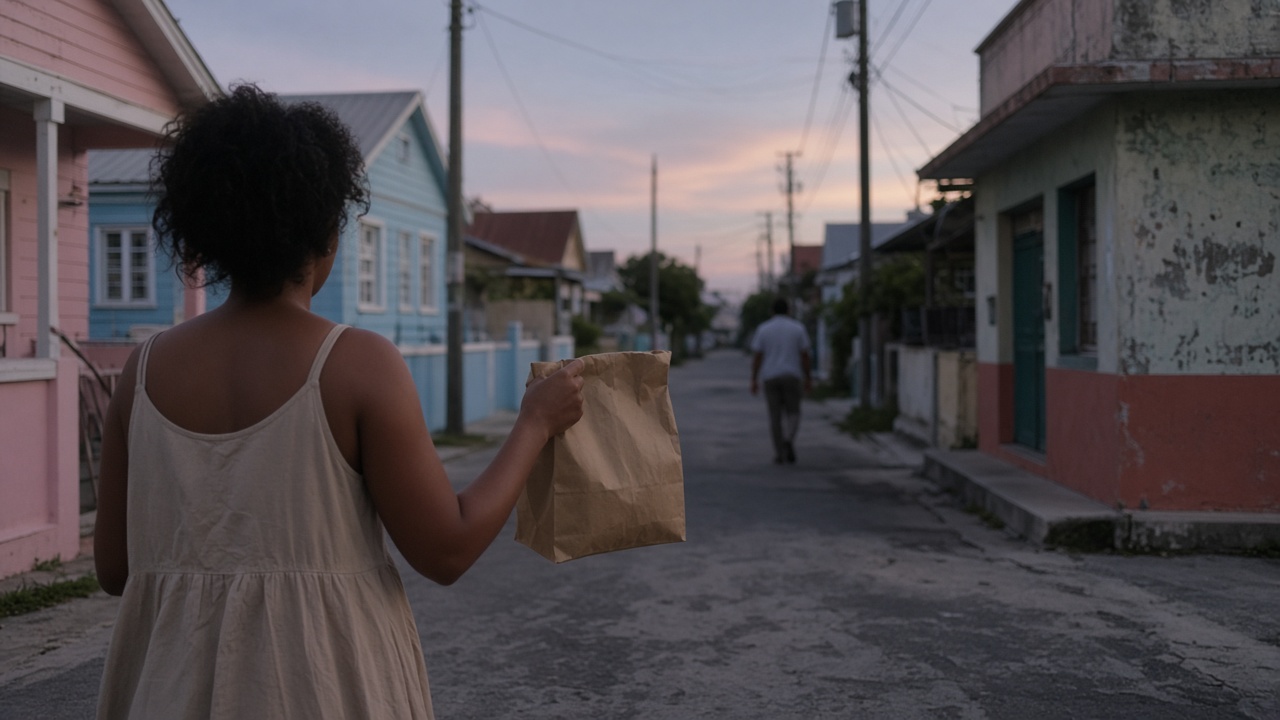
“Hold this for me”
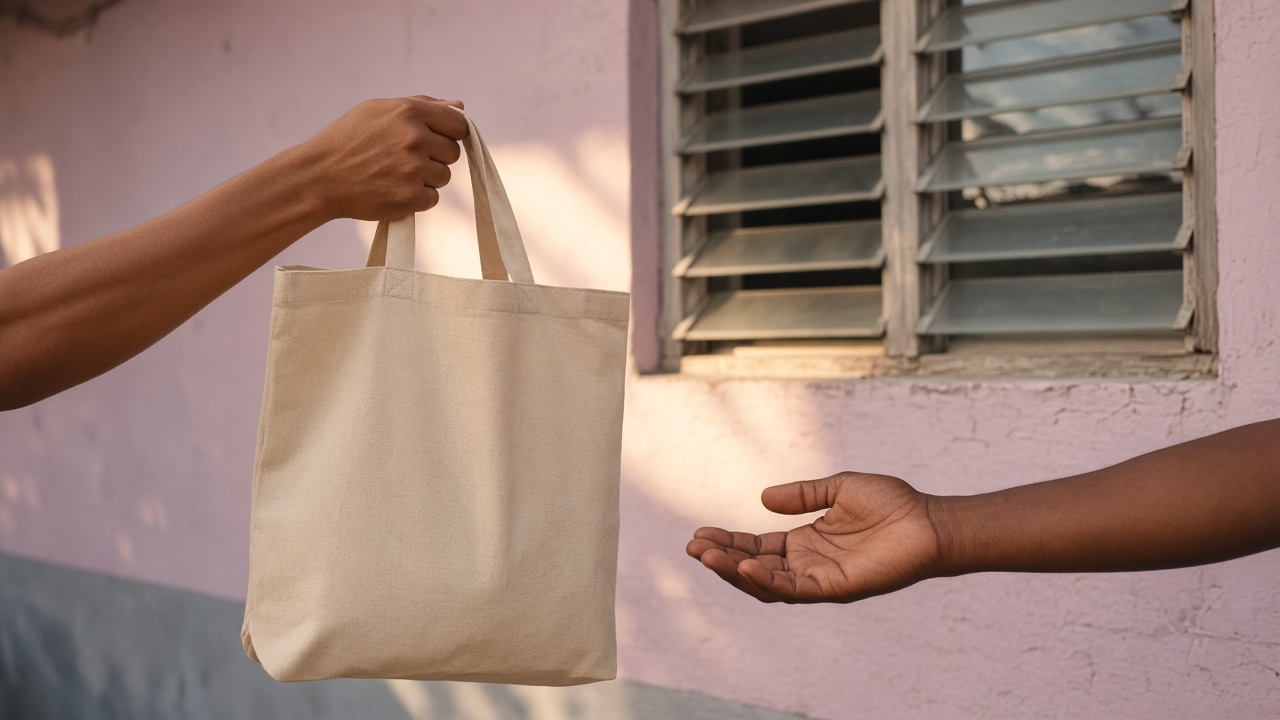
“Hold this for me. Quick. I right back.” “What’s in it?” “Nothing for you to worry about. Your name not in it.”
She held the bag. He never came back. And somebody else already knew exactly where she would be standing. That is not a favour. That is recruitment. We call it The Setup.
The Setup
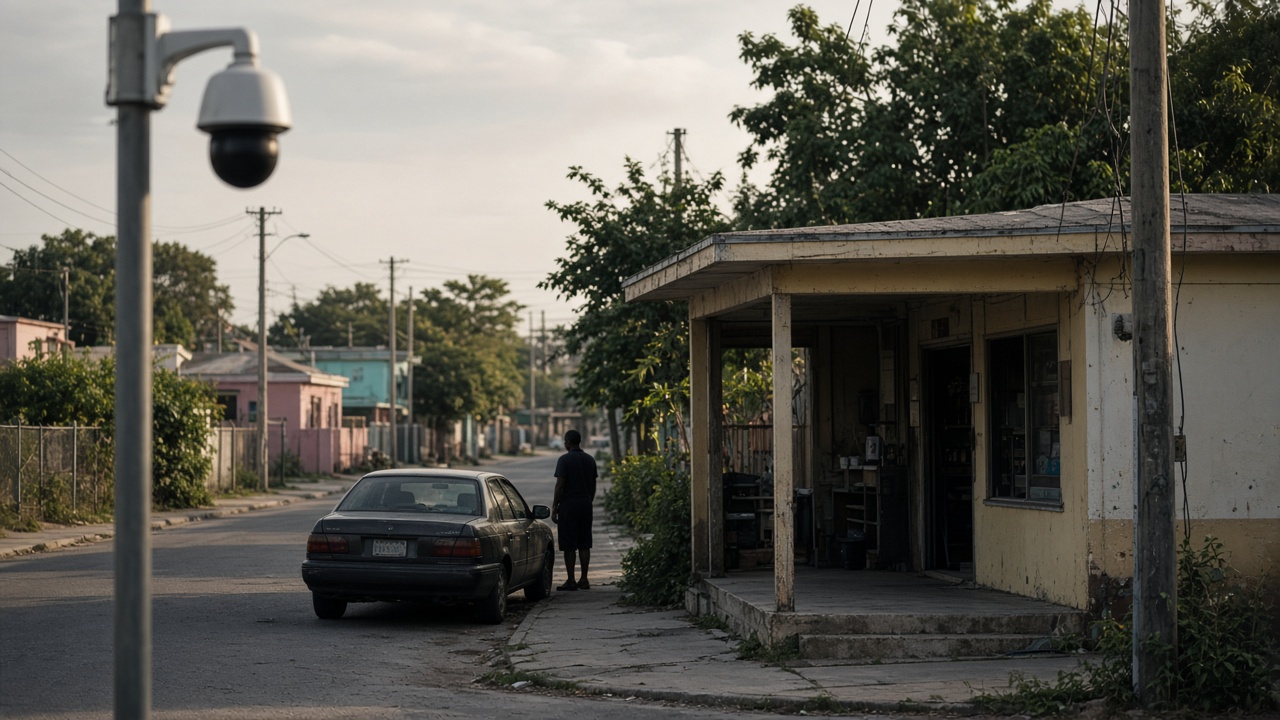
A setup needs a face in the picture — almost never the face of the person who planned it. So wicked crews borrow ordinary people: hold a bag, make one phone call, stand nearby as a “witness,” leave a package by a gate, or simply be present when a camera catches you next to something you have never seen before.
Each piece looks harmless by itself. Put together, they can make an innocent person look guilty — and make the helper look like the one who did it. We do not explain how a setup is built. We describe the shape, so you can see it coming and step away.
He asked me to stand by the car while he went in the shop. That was all. Months later I understood. I was never the help. I was the picture they needed.— Fictional survivor voice in the briefing
How the recruiter sounds
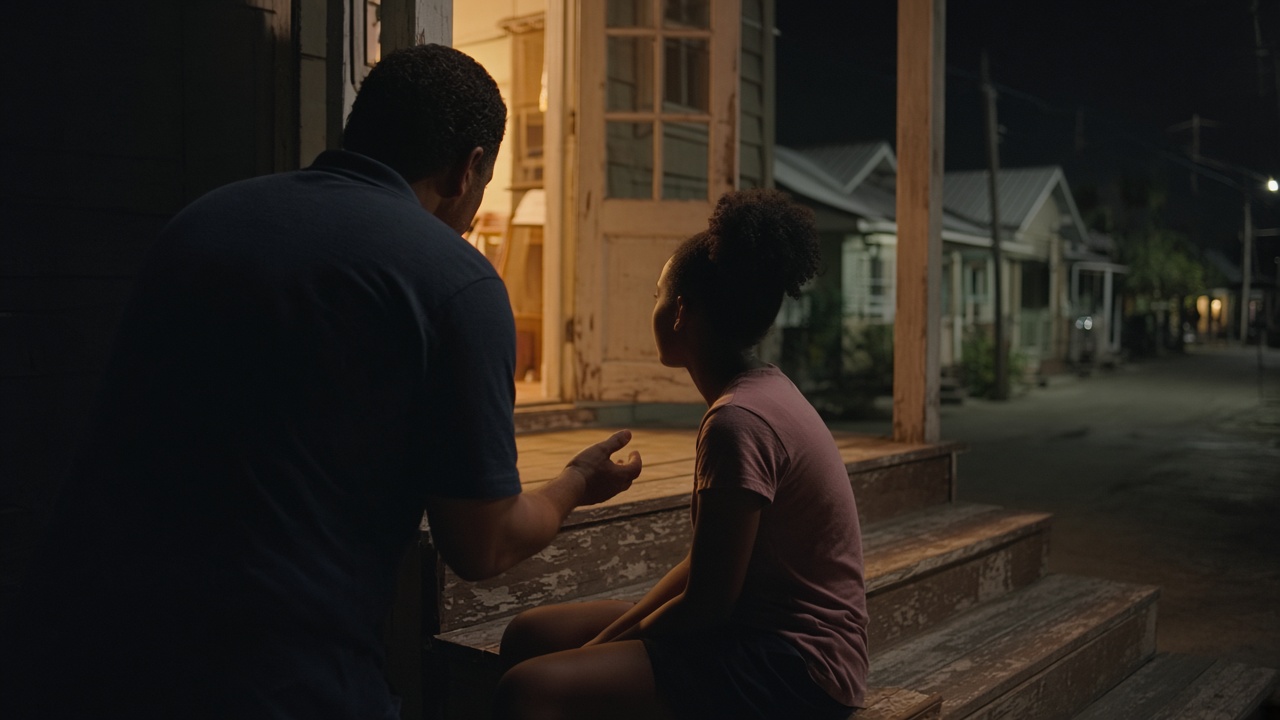
Fictional recruiter lines (reenactment)
- “Hold this for me, quick favour. I gotta run inside.”
- “Just stand here. If anybody ask, you ain’ see nothing.”
- “Make one call for me. Use your phone, mine dead.”
- “Drop this by the gate on your way. Nobody will know.”
- “Relax. Your name not in it. You just there.”
Money and belonging
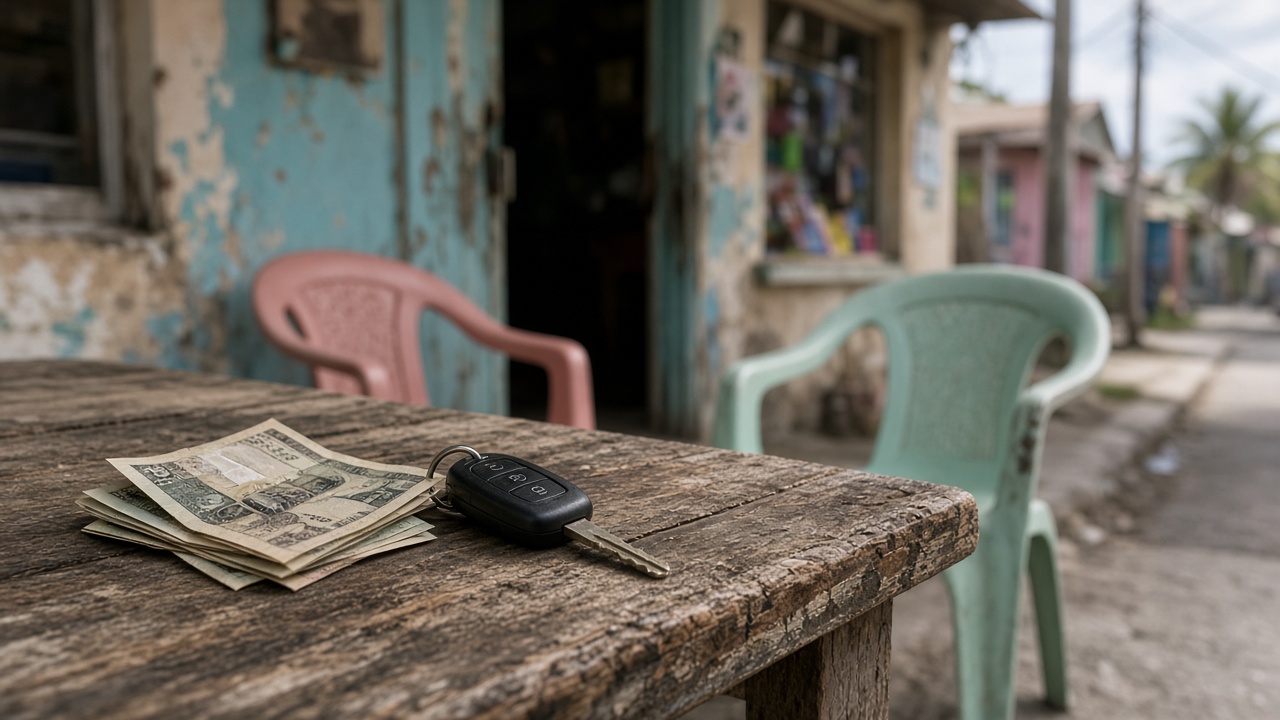
A little cash for standing still. A ride. A phone card. Help with the light bill. And belonging: “You one of us now. We look after our own.” Being trusted feels good, and that feeling is the bait.
Nobody pays you to do nothing. If the job is that easy, you are not the help. You are the cover.
What the setup leans on
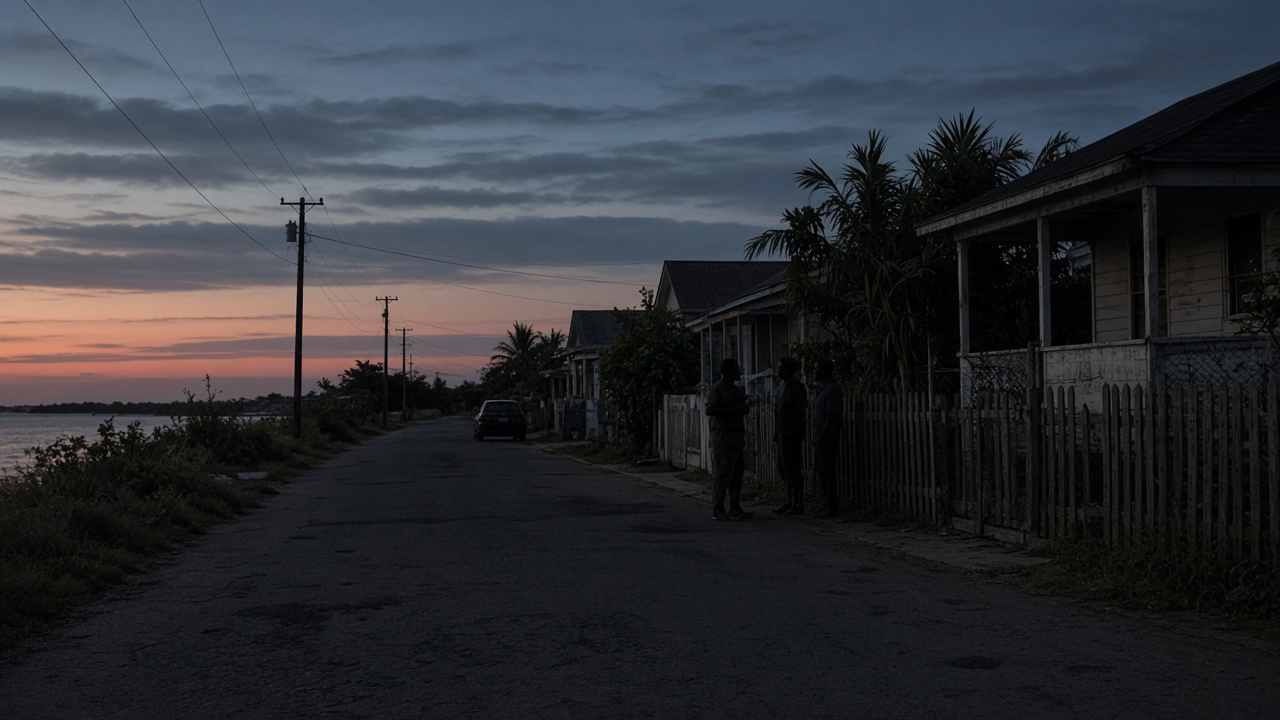
Surveillance and intimidation: watching and pressure that keep a target nervous and keep witnesses quiet.
Rumor: a story spread first, so that when the setup lands, people say, “I knew it.”
Isolation: a target cut off from family and friends has fewer people to stand up and say, “That is not true.”
Framing: the setup itself — a borrowed hand, a borrowed phone, a borrowed face, so the planner is never in the picture.
We name these methods only so you can recognise them and refuse. Every one of them needs helpers. Do not be the helper.
Are you being recruited into a setup? Five questions
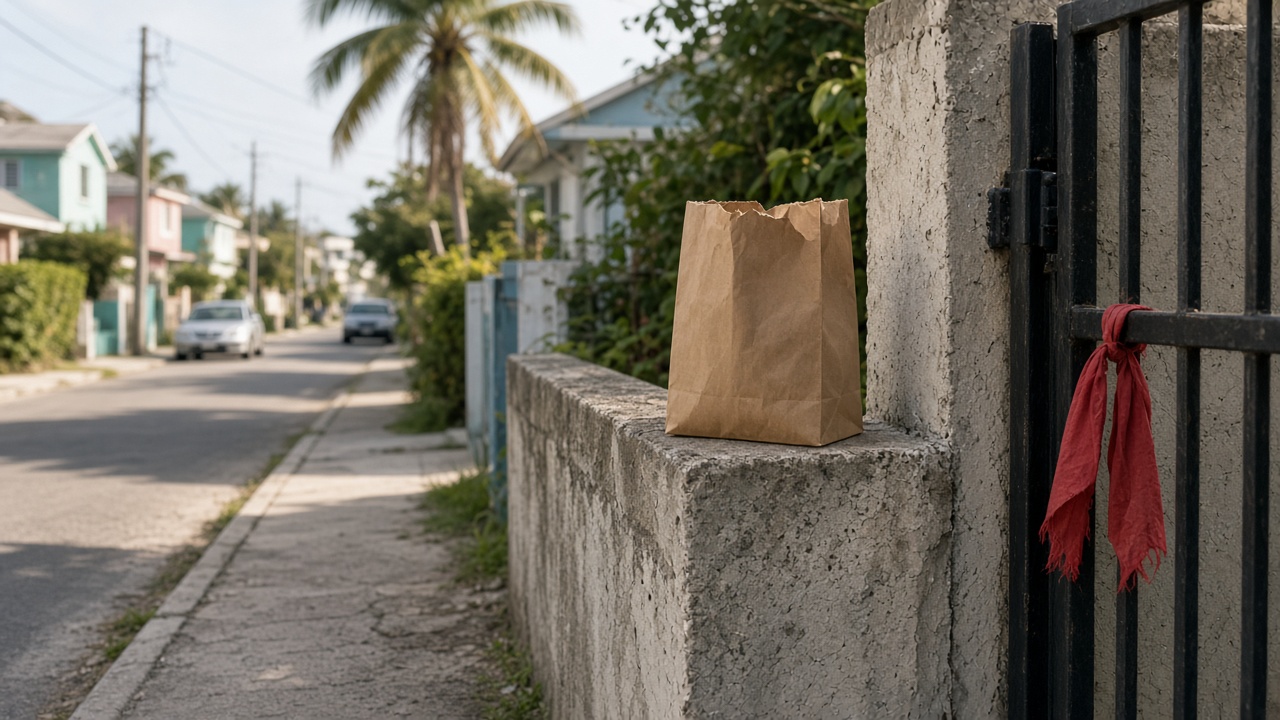
- Am I being asked to hold, carry, leave, or call, without being told what or why?
- Am I being told to stand at a place they picked, near people or things I don’t know?
- Did they promise “your name not in it” or “nobody will know”?
- Is there money, praise, or pressure sitting on my answer?
- If this goes wrong, whose hands are on it — and whose face is on the camera?
Two yeses, walk away. Three, and you are already being recruited.
Red-flag words: “Hold this.” “Just stand here.” “Your name not in it.” “Quick favour.” “Nobody will know.” “Use your phone.” “Don’t look inside.”
When the favour becomes “evidence”

A setup does not end with the person it was aimed at. Sooner or later it comes back for the helper. “You held the bag. Your phone made the call. Your face on the camera. Who gon’ believe you ain’ know?” — “You told me my name wasn’t in it.” — “It wasn’t. Now it is.”
While you are useful, you are protected. When you are no longer useful, your favour becomes the file — held over you to make you do more, or handed over so the planner walks free.
Speaking generally, not legal advice: what you knew and what you meant can matter a great deal. If you were tricked or pressured, talk to a lawyer early, tell the truth, and keep the messages that show how you were asked. Do not destroy anything. Do not run.
A badge puts nobody above the law

“Don’t worry about police. I know people” is usually a bluff. But speaking generally, a setup grows worse when somebody inside a system helps it — for a bribe, a favour, a grudge, or “helping a friend.” An officer who acts on a tip he knows is false, moves or plants evidence, or leans on a witness is not doing police work. That is abuse of office, misconduct in public office, evidence tampering and corruption. Most officers took an oath and meant it — respect the honest ones. And if you fear one, you can still report through the channels below.
If you are asked — or targeted

If somebody asks you to hold, carry, leave, call, or stand: say no, hand it back, and walk away. You do not owe anybody a reason.
If you were left holding something you do not trust, do not open it, do not hide it, and do not pass it on. Get a lawyer or Legal Aid, and report it.
If you think you are the one being set up — or you already said yes and now you are scared — do not panic and do not confront anybody. Talk to a trusted person. Talk to a health professional if the fear is heavy. You do not have to carry it alone.
“Saying no feels rude for one minute. Saying yes can cost you years.”
How to preserve evidence

- Keep the originals — messages, voice notes, call logs, photos, receipts — and keep copies somewhere other than your phone.
- Keep a dated log: date, place, what happened, who was there, what was said.
- Keep photos and videos as original files with their details (metadata) intact. Never edit them.
- Write down witness names and how to reach them.
- Give a copy to a lawyer, Legal Aid, or one person you trust.
- Make a written statement to police, ask for the reference number, keep it, and follow up in writing.
- Never alter evidence. Never delete. Never confront anyone yourself. Tell the truth — a false report is a crime too.
If you are being stalked, harassed by a group, or set up
Write it down, report it, and keep the reference number. Use Crime Stoppers if you need to stay anonymous. Get a lawyer or Legal Aid. Contact the Attorney General’s office. And reach for mental-health support — carrying this alone is heavy.
How to report — inside The Bahamas

- Emergency / crime happening now: 911 or 919 (police general line (242) 322-4444)
- Crime Stoppers Bahamas (anonymous): New Providence (242) 328-8477; Grand Bahama and the Family Islands (242) 300-8477
- RBPF Complaints and Corruption Branch: (242) 326-0142 · [email protected] · or any police station
- Police Complaints Inspectorate: write through the Ministry of National Security — look up their official contact
- Office of the Attorney General: (242) 502-0400 · [email protected]
- Office of the Ombudsman: set up in law but, by public reports, not yet fully running — look up their official contact when it is published
- Legal Aid Clinic (Eugene Dupuch Law School): (242) 322-5943 / 322-5944 · [email protected]
- National Hotline for Crisis Intervention: (242) 322-2763 or (242) 422-2763
- The Bahamas Crisis Centre: (242) 328-0922
How to report — outside The Bahamas

- Crime Stoppers International (anonymous): https://www.crimestoppersinternational.org/report-now
- FBI tips (U.S. connection): https://tips.fbi.gov
- U.S. Embassy Nassau (U.S. citizens): (242) 461-5025, option 1
- Inter-American Commission on Human Rights petitions: https://www.oas.org/ipsp/
- UN Human Rights (OHCHR): https://www.ohchr.org/en/reporting_violations
- Transparency International: https://www.transparency.org/en/contact · [email protected]

Anybody who needs you to hold it, carry it, leave it, or stand next to it — without telling you why — is not asking a favour. They are borrowing your face for their scheme. Hand it back. Walk away. Tell somebody you trust. If it’s so harmless, let them hold it themselves.

This briefing was sponsored by PayDat LLC and researched by Michael Elijah Muhammad Clare. To sponsor the next briefing, send a WhatsApp message to 242-817-9293. More at lol242.com.
Related stories

Biometric Voter Cards Go Local, PAC Digs Into $1.5m Vouchers, and Some PMH Wards Relocate
Late-afternoon Bahamas Islands Briefing for Wednesday, October 14, 2026: Exuma’s Business Outlook is tomorrow;…

The Caribbean Pop Da News: Bahamas & Caribbean Roundup, Wednesday, October 14, 2026 — Afternoon
Afternoon: Eleuthera residents threaten to withhold BPL payments over outages; Treasure Cay’s $177m deal…

Eleuthera Residents Threaten to Stop Paying BPL Bills, Treasure Cay’s $177m Sale Nears Closing, and a “Miracle Baby” Gets Her Wheels
Afternoon Bahamas Islands Briefing for Wednesday, October 14, 2026: Eleuthera residents threaten to withhold…
Join the conversation
No comments yet. Be the first.