
Wednesday, October 14, 2026
Recruitment Awareness · Episode 2 · The Favor TrapThe second Recruitment Awareness briefing from Bahama Drama follows the Favor Trap — the ride, the message, the fifty dollars and the request to “just keep an eye†— and shows how crews quietly turn those small kindnesses into a file they use to keep a recruit working. It explains the red flags that a favor is really a recruitment, how to step out safely and preserve evidence without deleting or confronting anyone, and closes with re-verified reporting channels inside and outside The Bahamas.

It starts with a ride
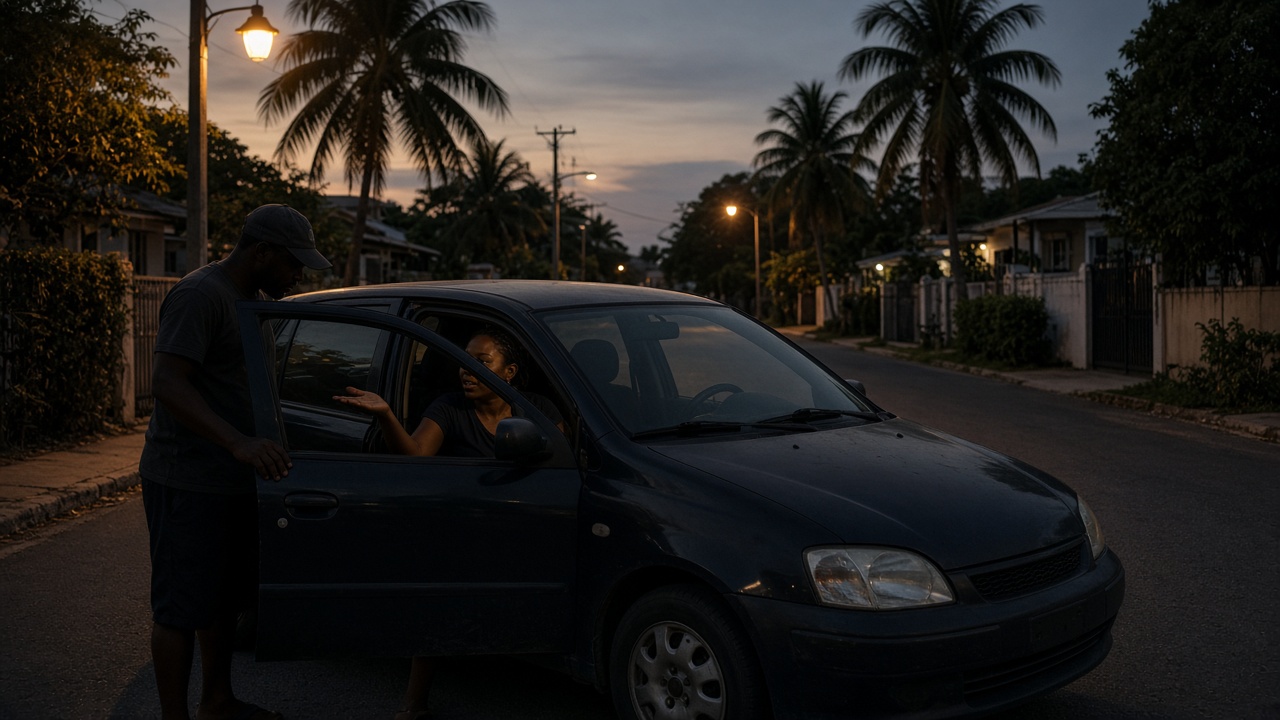
Not a gun. Not a threat. A ride. “Two minutes. I’ll put gas in your tank.†That is how the Favor Trap opens — with a request so small that saying no feels rude.
I never said yes to nothing big. I said yes to a whole lot of little things.— Fictional survivor voice in the briefing
The Favor Trap

First favor: so small that refusal feels rude — a ride, a message passed on.
Second favor: a little bigger, with a little cash — fifty dollars, a phone top-up.
Third favor: “Just keep an eye.†Tell me who she talking to.
By the third favor, nobody said it out loud — but you have become a worker.
How the recruiter sounds
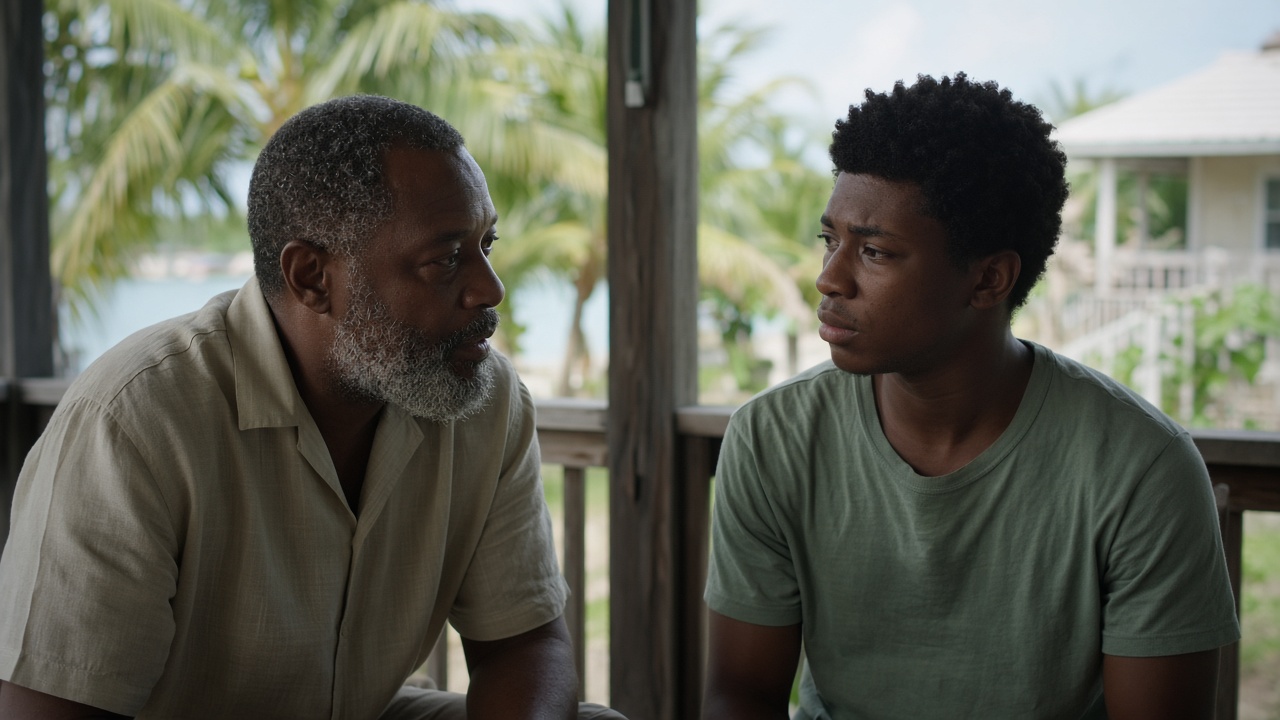
Fictional recruiter lines
- “You the only one I could trust with this, you know that?â€
- “It ain’ nothing illegal. Just drop me by there and wait in the car.â€
- “Take the fifty. Don’t insult me. That’s just for gas.â€
- “Don’t mention me to your sister. She does talk too much.â€
- “Just watch her for me this week. You ain’ have to do nothing. Just look.â€
Money and belonging

The money is small — just enough when the light bill is due. Belonging is the real hook: somebody who says “we†when nobody else has been saying it to you. A recruiter is not looking for the worst person in the settlement. He’s looking for the loneliest one.
What each favor feeds

“Keep an eye on her†feeds surveillance and intimidation.
“Tell people what you saw†feeds the rumor campaign.
“Don’t tell your sister†feeds isolation.
The last favor feeds the setup. Framing needs ordinary hands.
Five questions — three yeses means walk away

Am I paid more than it’s worth? Was I told to hide it from somebody who loves me? Does it involve watching a person? When I asked “why,†did I get a laugh? Is each favor bigger than the last?
Three yeses, and that is a recruitment. Walk away.
Red-flag words and phrases: “Just this one time.†“It ain’ nothing.†“Don’t tell nobody.†“You owe me.†“We family now.†“You already in it.†“Just look.â€
When kindness becomes their insurance

The ride put your car at the location. The texts put your number in the plan. The fifty made you look paid. “Just look†made you the lookout. Then one day you say you are done — and the voice changes: “Who you think they gon’ believe?â€
That is the flip. Your kindness, turned into their insurance. They rarely take that file to police. They use the fear of it to keep you working.
Speaking generally, not legal advice: every favor after you start to suspect makes “I didn’t know†harder to say. Stop sooner. And never delete anything — deleting looks like hiding, and those messages may prove you were used.
A badge puts nobody above the law
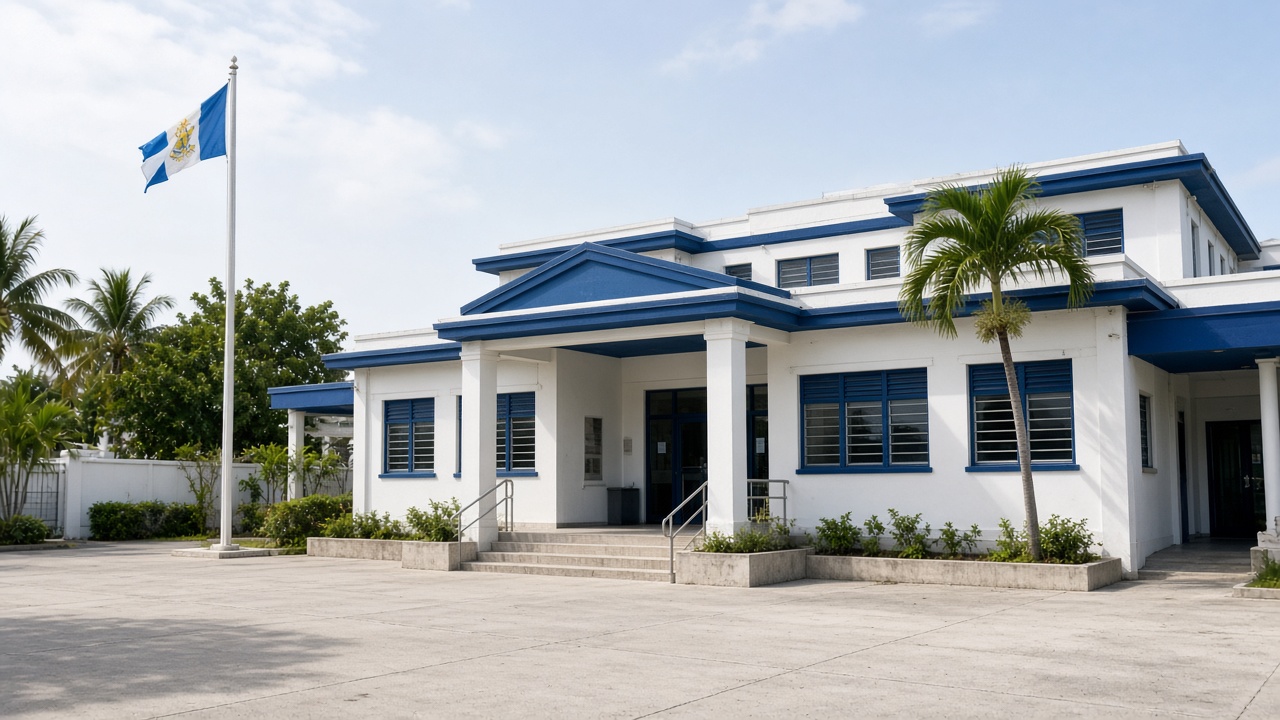
Most “I know people at the station†lines are a bluff. But speaking generally: a scheme grows more dangerous when someone inside a system helps it — a bribe, a favor for a friend, a grudge. An officer who does that is committing crimes: abuse of office, misconduct in public office, corruption, tampering with evidence. Respect honest officers. They often catch the dishonest ones. If you fear one officer, you can still report through other channels.
If you are inside the trap

Stop at the next favor. Take no more money. Tell one trusted person today, so the secret has a witness. Speak to a lawyer or Legal Aid. Do not confront anyone. If the stress is wearing you down, talk with a health professional.
How to preserve evidence

- Keep originals and make copies somewhere other than your phone.
- Keep a dated log: date, place, what happened, who was there, what was said.
- Keep photos and videos as original files, not only screenshots. Never edit them.
- Write down witness names and how to reach them. Store a copy with a lawyer, Legal Aid, or one person you trust.
- Hand evidence over with a written statement, get a reference number, and follow up in writing.
- Never alter evidence. Never delete. Never confront anyone yourself. Tell the truth — a false report is a crime too.
How to report — inside The Bahamas

- Emergency: 911 or 919
- Crime Stoppers Bahamas (anonymous): New Providence (242) 328-8477; Grand Bahama and the Family Islands (242) 300-8477
- RBPF Complaints and Corruption Branch: (242) 326-0142 · [email protected] · or any police station
- Police Complaints Inspectorate: write through the Ministry of National Security — look up their official contact
- Office of the Attorney General: (242) 502-0400
- Ombudsman: established in law; look up official contact when fully published
- Legal Aid Clinic (Eugene Dupuch Law School): (242) 322-5943 / 322-5944
- National Hotline for Crisis Intervention: (242) 322-2763 or 422-2763
- Bahamas Crisis Centre: (242) 328-0922
How to report — outside The Bahamas

- Crime Stoppers International: crimestoppersinternational.org
- FBI tips (U.S. persons or U.S. federal crimes): tips.fbi.gov
- U.S. Embassy Nassau (U.S. citizen victims): (242) 461-5025, option 1 · [email protected]
- IACHR / OAS petitions: oas.org/ipsp
- UN OHCHR: look up the official Reporting Violations page
- Transparency International: transparency.org contact page · [email protected]

A favor that comes with secrecy is not a favor. The first small yes is the cheapest place to stop. Do kindness for your neighbor. Never run errands for wickedness.

This briefing was sponsored by PayDat LLC and researched by Michael Elijah Muhammad Clare. To sponsor the next briefing, send a WhatsApp message to 242-817-9293. Full show notes on lol242.com.
Related stories

GB Power Debt Warning, an Eleuthera Highway Crash, and a $285M Hospital Move Toward Construction
Overnight full briefing: Grand Bahama Chamber warns of up to about $412m in GB…

Empty Shelves on Long Island, Exuma’s Big Day Tomorrow, and a $700 Million Question in Nassau
The official morning edition of The Bahamas Islands Briefing: Exuma’s 20th Business Outlook is…

“You Already Took the Money”: Inside the Recruitment Playbook Targeting Struggling Bahamians
A new public-awareness briefing from Bahama Drama lays out the five-step pattern criminal crews…
Join the conversation
No comments yet. Be the first.