
By Michael Elijah Muhammad Clare, PayDat LLC
The Quick Version
- France’s debt comes mainly from its own spending, taxes and economy, not from Africa alone.
- But France is losing old advantages in West and Central Africa: access to resources, markets and political influence.
- Some numbers going around online, like “$500 billion a year,” have no clear evidence behind them.
- The bigger story is Africa demanding control of its own wealth and future.
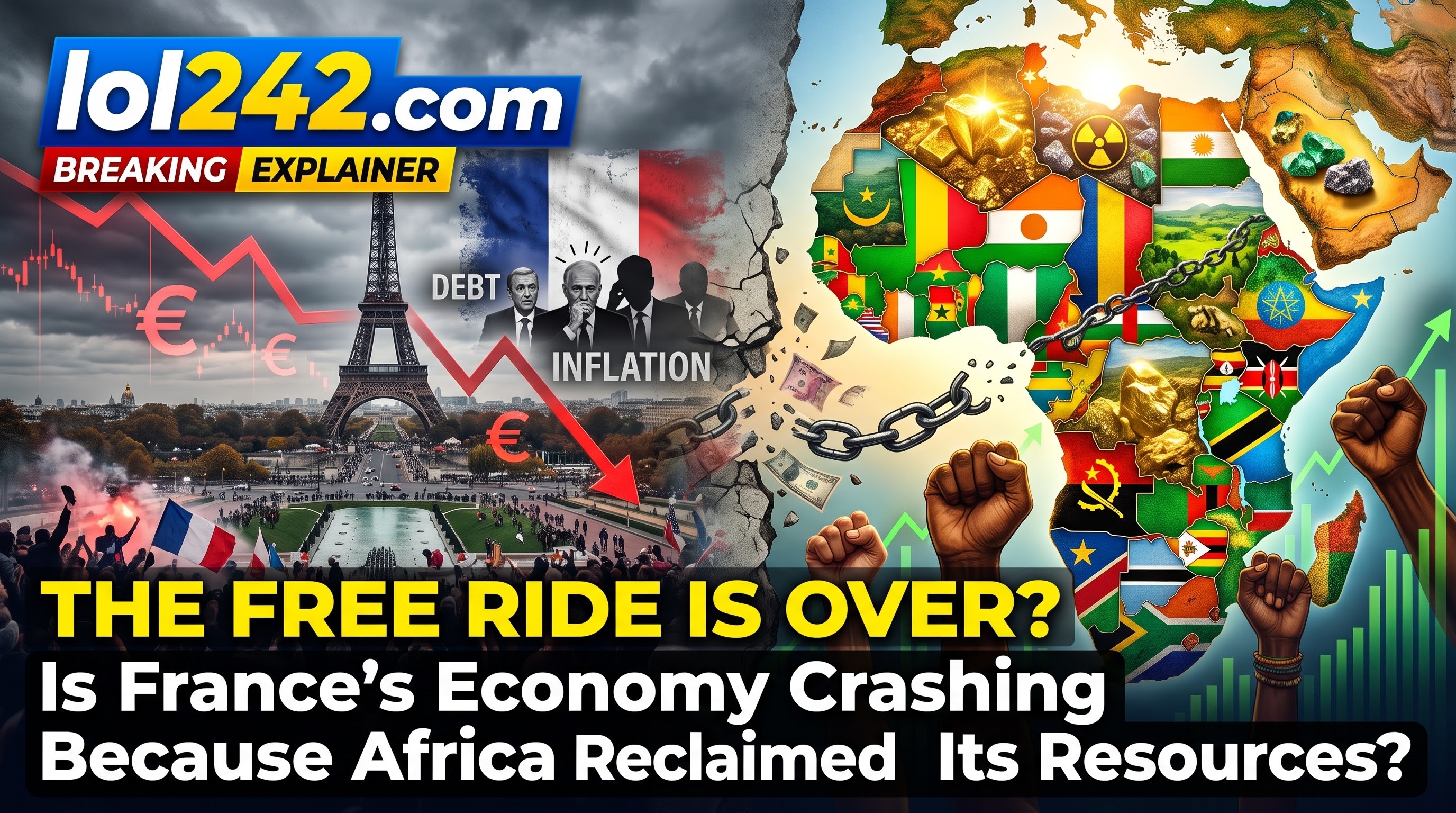
Many people online are saying France is in economic trouble because it can no longer take advantage of Africa’s resources. There is an important point in that argument, but some of the figures being shared are exaggerated.
France’s national debt is driven mostly by spending, taxes and problems at home. Still, France’s weakening grip on West and Central Africa has cost it easy access to key resources, steady markets and long-standing political and financial advantages.
The CFA Franc: A Controversial Money System
For decades, the CFA franc has been at the heart of the debate over France and its former African colonies.
Under this system, several African countries tied their currencies to the French Treasury. Their central banks also had to keep foreign currency reserves under certain conditions.
Critics say this gave France strong influence over African money and financial decisions.
Supporters say it kept those currencies stable and easy to exchange.
The rules have changed over the years, though. It is not accurate to say that all 14 countries linked to the CFA franc still follow the same reserve rules today. Reforms and rising demands for control over their own money have chipped away at France’s influence.
The real question is simple: should African countries have more control over their own financial systems and the wealth their resources create?
Uranium, Gold and the Fight to Control Resources
France gets much of its electricity from nuclear power. It does not mine uranium at home, so it buys it from several countries, including Niger.
Relations between France and parts of West Africa have changed sharply in recent years:
- Military governments in Niger, Mali and Burkina Faso have pushed back against French influence.
- French troops have pulled out of these countries.
- Niger has moved to take more state control of its natural resources and to rethink the terms for foreign companies.
These changes raise real questions about France’s future access to uranium and other important minerals.
For African nations, this is about more than pushing out foreign influence. It is about getting better contracts, more local jobs and ownership, a bigger share of resource money, and making sure natural wealth builds their own countries.
For France, losing these old relationships means more competition, new supply deals and less political pull. But it does not automatically mean France will pay more for everything, or that its whole nuclear power system is in crisis.
Losing Influence and Markets
France’s history in Africa helped French companies win strong positions in energy, phone and internet services, construction, banking and trade.
Now African governments are working with many more partners. French companies face growing competition from countries such as China, Türkiye and Russia, among others.
That gives African governments more choices when they negotiate deals. It also means France can no longer count on old political ties to win business.
Africa is not acting as one single bloc, however. Each country has its own policies, interests and relationship with France. Some still do a lot of business with French companies, while others are taking a much tougher line.
Is Africa the Reason France Is Struggling With Debt?
No, not by itself. France’s money problems cannot be explained by Africa alone.
France is dealing with:
- A large public debt
- Heavy government spending
- Pension pressures
- Ongoing fights over taxes, public services and budget deficits
- European economic conditions, interest rates and global competition
- Political decisions made at home
France’s business with Africa south of the Sahara matters, but it is only one part of the French economy.
Be Careful With the Numbers Online
Claims that France takes $500 billion a year from Africa should not be accepted without solid evidence and a clear explanation of what is being counted.
Trade, foreign investment, company profits, money transfers, resource income and past economic gains are all different things. You cannot simply add them together and call the total “exploitation.”
In the same way, the amount France borrows each year is not the same as its total national debt. Those two numbers need to be kept separate.
The Bigger Picture: Africa Wants a Different Future
The biggest story is not whether France is about to go broke because of Africa. It is the shift in power between African nations and their former colonial ruler.
Across West and Central Africa, governments and ordinary people are demanding more control over their natural resources, money systems, security and economic growth.
For generations, critics have said that systems left over from colonial times kept benefiting European powers long after independence. Today that debate is more urgent than ever, as African countries rethink old deals and look for new partners.
The challenge now is turning political independence into lasting economic independence. That means:
- Building stronger institutions
- Signing open, transparent contracts
- Investing in local industries
- Creating jobs
- Making sure resource wealth reaches ordinary citizens, not just political elites or foreign companies
The Bottom Line
France is still a major economy, and its money troubles have many causes. But its changing relationship with Africa shows a bigger truth: countries that leaned on old influence must adapt when their former partners demand control of their own economic future.
Africa’s resources belong to its people, and African nations have every right to make deals that serve their own interests. The real test will be whether they can turn that natural wealth into lasting prosperity for their citizens.
Published on lol242.com by PayDat LLC.
Related stories

Kermit’s Airport Lounge
The Exuma Landmark Where Storytelling, Bahamian Culture and Great Food Come Together Researcher and…

Biometric Voter Cards Go Local, PAC Digs Into $1.5m Vouchers, and Some PMH Wards Relocate
Late-afternoon Bahamas Islands Briefing for Wednesday, October 14, 2026: Exuma’s Business Outlook is tomorrow;…

“Hold This For Me”: How the Setup Recruits Ordinary People Into Someone Else’s Frame
The Setup: how wicked crews recruit ordinary people to hold a bag, make a…
Join the conversation
No comments yet. Be the first.