
Happy Valentine’s Day 🌹
Happy Valentine’s Day 🌹
Friday, February 14th, 2026
Valentine’s Day in the Bahamas: The Bloody, Twisted History Behind the Hearts and Roses
By: Michael Elijah Muhammad Clare
While couples in the Bahamas are busy buying roses, chocolates, and jewelry today, few know the shocking and violent history behind Valentine’s Day. This is not just a holiday of love, it’s a centuries-long story of bloody rituals, secret marriages, and commercial exploitation.
The Roman Roots
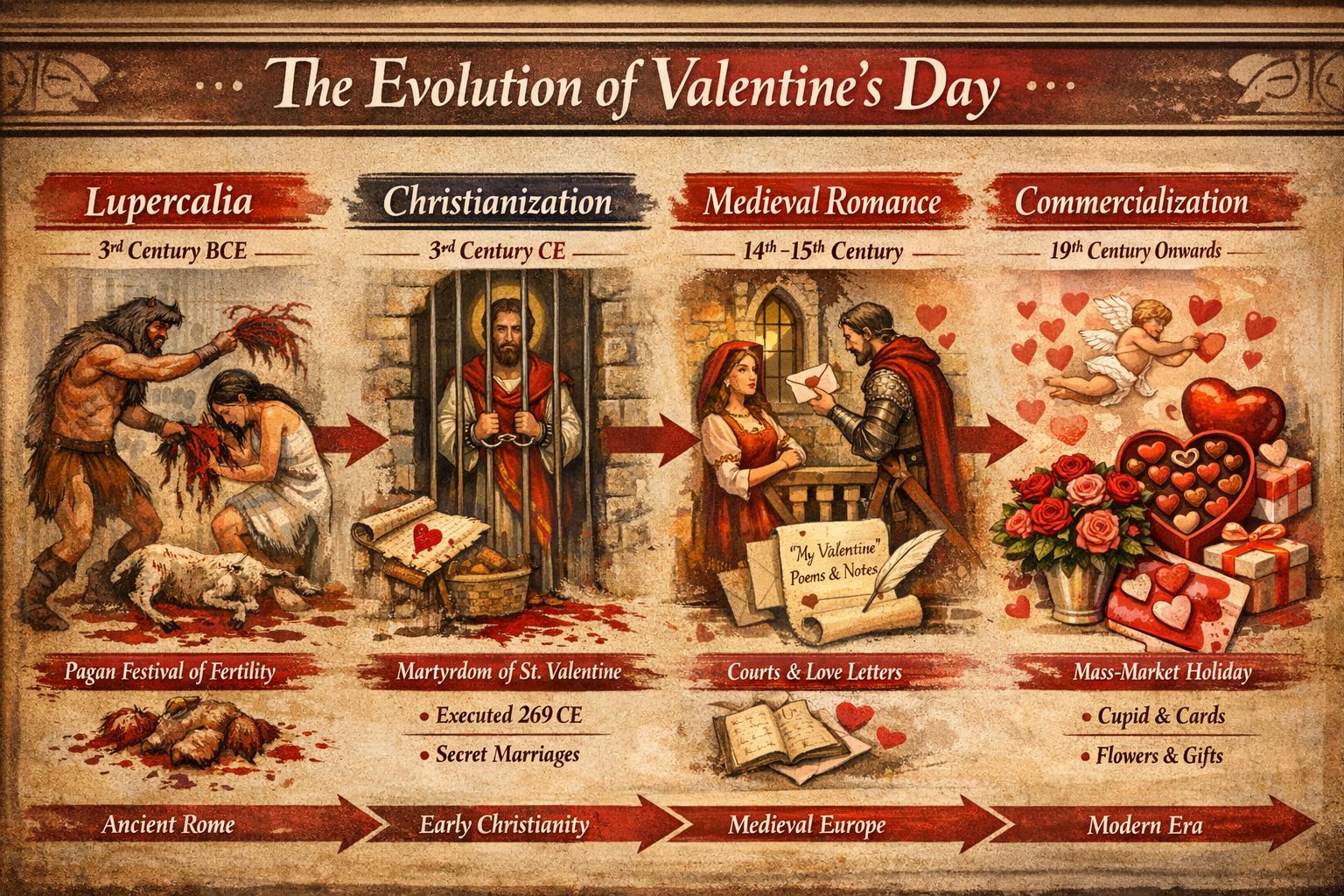
Valentine’s Day traces back to ancient Rome and the festival of Lupercalia, celebrated around mid-February. This festival was a fertility ritual gone brutal. Men would sacrifice goats and dogs, then whip women with the hides of the animals they killed, believing it would boost fertility. Lupercalia also featured a lottery: men drew women’s names from a box and were paired with them, sometimes for a festival fling, sometimes longer. Romance? Not exactly.
Enter Saint Valentine
By the 3rd century CE, a Christian priest named Valentine (or possibly multiple Valentines) defied Roman law by secretly marrying couples, directly challenging Emperor Claudius II, who banned marriages believing single men made better soldiers. Valentine was arrested, tortured, and executed around 269 CE. Legend says he may have sent the first Valentine from prison, a love note to a young woman.
The Catholic Church later attempted to suppress Lupercalia by designating February 14th as the feast day of Saint Valentine. This was meant to replace pagan fertility rituals with Christian martyrdom, but the connection to love was only just beginning.
Medieval Love Letters
By the Middle Ages, Valentine’s Day became associated with courtly love, especially in England and France. Geoffrey Chaucer popularized the idea that birds began mating on February 14th, linking the date to romantic love. The earliest surviving Valentine from England was written in 1415 by Charles, Duke of Orleans, who was imprisoned in the Tower of London and sent a poem to his wife. By the 1500s, exchanging handwritten love notes became fashionable, especially among the upper class.
Commercialization Takes Over
The 18th and 19th centuries saw Valentine’s Day become a mass-marketed holiday. In England, printed cards with lace and ribbons became common, and in the United States, Esther Howland started selling commercially produced Valentine cards in the 1840s. Jewelry, flowers, and sweets became the standard symbols of love, creating the highly commercialized holiday we know today.
Valentine’s Day in the Bahamas Today
In the Bahamas, Valentine’s Day is celebrated in style. Couples enjoy romantic dinners in Nassau, public displays in Freeport, and private getaways across the Exuma Cays. Flower shops, candy stores, and restaurants report booming sales. Yet some Bahamians criticize the holiday as a commercial sham. “It’s all about spending money now,” says Nassau resident Marsha Rolle. Religious leaders remind congregations that Valentine’s Day is not a religious holiday, and for many, it’s a secular celebration at best.
Still, younger generations embrace the day for romance, friendship, and social media trends. Whether you see it as a marketing spectacle or a celebration of love, Valentine’s Day is a striking example of how ancient pagan rituals, Christian martyrdom, medieval courtship, and modern commerce collided and left a bloody, fascinating legacy still alive in the Bahamas today.
Happy Valentine’s Day!
🌹 ❤️💜
Related stories

Biometric Voter Cards Go Local, PAC Digs Into $1.5m Vouchers, and Some PMH Wards Relocate
Late-afternoon Bahamas Islands Briefing for Wednesday, October 14, 2026: Exuma’s Business Outlook is tomorrow;…

PUBLIC MESSAGE TO ALL BAHAMA DRAMA FOLLOWERS
We are taking Bahama Drama to the next level, and we want you to…

Eleuthera Residents Threaten to Stop Paying BPL Bills, Treasure Cay’s $177m Sale Nears Closing, and a “Miracle Baby” Gets Her Wheels
Afternoon Bahamas Islands Briefing for Wednesday, October 14, 2026: Eleuthera residents threaten to withhold…
Join the conversation
No comments yet. Be the first.