
GLOBAL SHOCKWAVES: US AND ISRAEL STRIKE IRAN
GLOBAL SHOCKWAVES: US AND ISRAEL STRIKE IRAN
WHAT IT MEANS FOR THE BAHAMAS AND THE WORLD
By: Michael Elijah Muhammad Clare
February 28, 2026
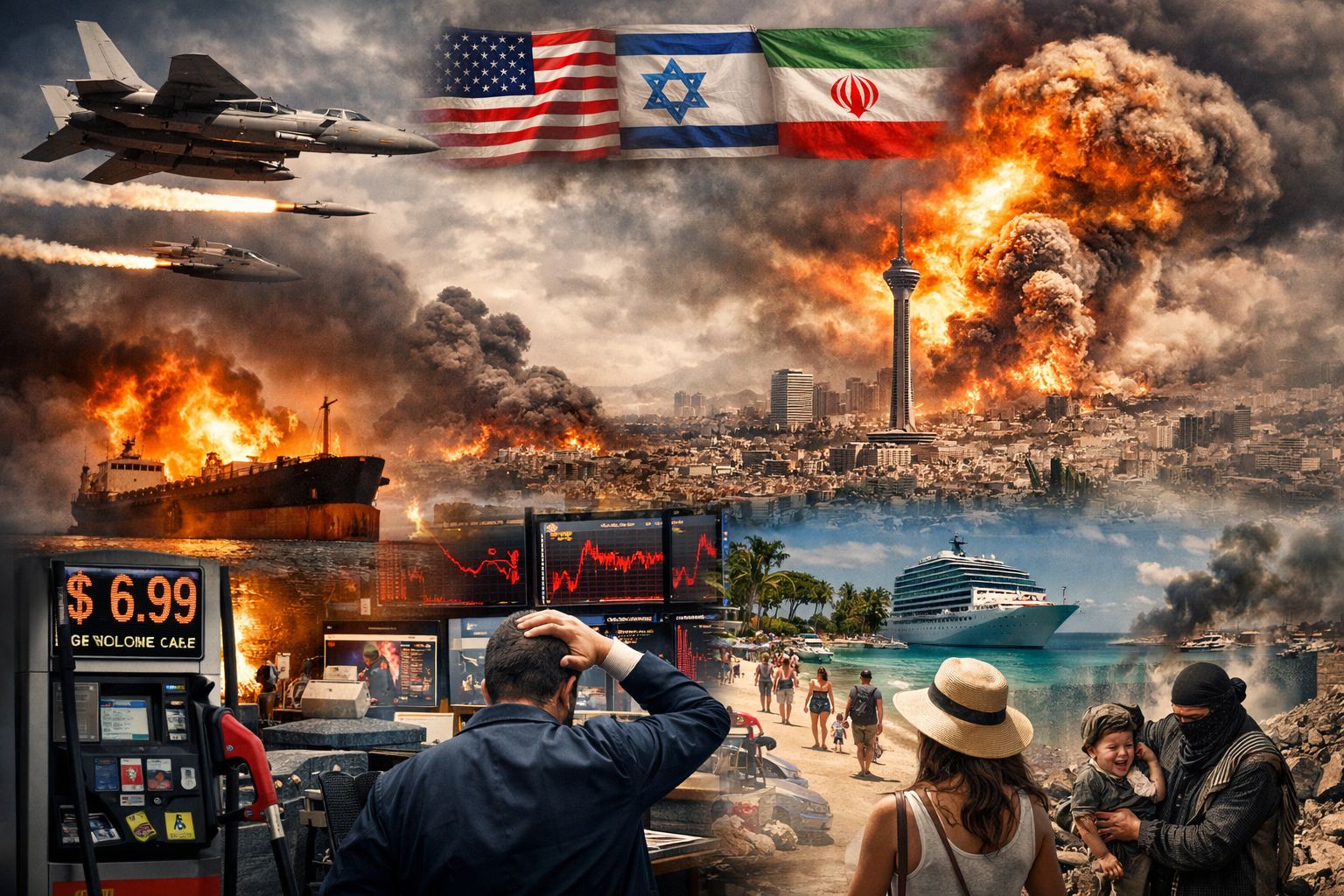
Today, coordinated airstrikes by the United States and Israel targeted sites inside Iran, marking one of the most serious escalations in the region in years. The strikes reportedly focused on military and strategic infrastructure tied to Iran’s defense and nuclear capabilities. Within hours, Iran launched retaliatory missile and drone attacks toward Israeli territory and U.S. military positions across the Gulf.
Airspace restrictions were rapidly imposed across parts of the Middle East. Oil markets reacted immediately. Global leaders called emergency meetings. The situation remains fluid, and further retaliation remains a real possibility.
This is not a contained regional event. The impact is already global.
For the Bahamas, the battlefield may be far away, but the economic consequences are not. The first pressure point is energy. Any conflict involving Iran threatens oil transport routes in the Gulf region. A disruption, or even the fear of one, sends oil prices climbing. The Bahamas depends heavily on imported fuel for electricity, transportation, and commerce. Higher global oil prices mean rising electricity bills, increased gasoline costs, and more expensive imported goods.
Food prices could also rise. The Bahamas imports a large percentage of its food supply. When shipping insurance rates increase and fuel becomes more expensive, the added cost reaches grocery shelves quickly. Inflation is often the silent casualty of war, even for nations not directly involved.
Tourism may also feel the strain. Global uncertainty tends to slow travel bookings. Airlines adjust routes. Cruise companies reassess itineraries. While the Bahamas remains geographically safe, worldwide instability can influence traveler confidence.
In the United States, military involvement means heightened security measures at home and abroad. Defense assets are mobilized. Political tensions rise domestically. Markets experience volatility. Energy costs affect consumers immediately. The U.S. economy is large and resilient, but prolonged engagement overseas carries financial and political weight.
Canada faces similar economic ripple effects. Though not directly engaged in combat, Canada’s markets, energy exports, and trade flows are tied closely to global stability. Higher fuel prices may benefit certain sectors, but inflationary pressure and global uncertainty would impact households and businesses.
In Pakistan, the situation is especially delicate. Millions of Pakistani workers are employed across Gulf nations. If the conflict spreads or destabilizes those economies, remittances sent back home could decline sharply. Political and sectarian tensions may also intensify regionally.
India depends heavily on Middle Eastern energy imports. Any sustained spike in oil prices places pressure on its vast population and economic growth. Aviation routes are already being adjusted as airlines avoid conflict airspace, increasing operational costs and delays.
For China, the stakes are strategic and economic. China relies significantly on Middle Eastern energy supplies. Disruptions threaten manufacturing output and global trade balance. At the same time, Beijing may attempt diplomatic positioning to expand its influence while protecting its supply chains.
Across the Middle East, civilians brace for uncertainty. In nations like Iraq, Syria, and Lebanon, where instability has lingered for years, fears are rising that broader conflict could spill across borders.
The world is more interconnected than ever before. A strike in Tehran influences fuel prices in Nassau. A missile launch in the Gulf shakes stock markets in New York and Toronto. Airspace closures in the Middle East disrupt flights across Asia and Europe.
Today’s events mark a turning point. Whether this remains a limited exchange or escalates into a wider regional war depends on the next decisions made by leaders in Washington, Jerusalem, and Tehran.
For now, the world watches. Markets fluctuate. Militaries remain on alert. And small nations like the Bahamas prepare for the economic aftershocks of a conflict unfolding thousands of miles away.
The situation continues to develop.
Related stories

Biometric Voter Cards Go Local, PAC Digs Into $1.5m Vouchers, and Some PMH Wards Relocate
Late-afternoon Bahamas Islands Briefing for Wednesday, October 14, 2026: Exuma’s Business Outlook is tomorrow;…

PUBLIC MESSAGE TO ALL BAHAMA DRAMA FOLLOWERS
We are taking Bahama Drama to the next level, and we want you to…

Eleuthera Residents Threaten to Stop Paying BPL Bills, Treasure Cay’s $177m Sale Nears Closing, and a “Miracle Baby” Gets Her Wheels
Afternoon Bahamas Islands Briefing for Wednesday, October 14, 2026: Eleuthera residents threaten to withhold…
Join the conversation
No comments yet. Be the first.