
DOMINICAN REPUBLIC VS HAITI
DOMINICAN REPUBLIC VS HAITI
WHO’S RIGHT, WHO’S WRONG? 😑
THEY SIGNED AWAY HUNDREDS OF THOUSANDS OF ACRES AND BOTH SIDES STILL SAY THE OTHER ONE IS UNGRATEFUL
Sit down. This one is bigger than a border market argument.
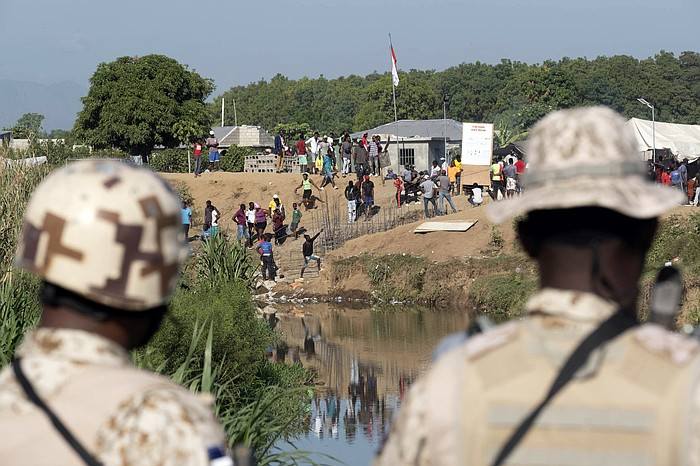
Haiti and the Dominican Republic share one island. The line we see today did not just fall from the sky. In 1929 and again in 1936, Dominican governments signed treaties that left huge stretches of the old Spanish interior on the Haitian side.
Not empty bush. Towns. Farms. Acres on acres.
Break it down so nobody can hide behind kilometers.
One 1929 figure that keeps coming up is 666,076 tareas. That is about 42,000 hectares, which is roughly 104,000 acres.
The bigger picture, when Dominican historians measure the shift away from the old 1777 Spanish line, is usually put between 4,500 and 6,200 square kilometers. In acres that is about 1.1 million to 1.5 million acres. Some accounts go as high as around 1.6 million acres.
The 1936 La Miel sector alone is often quoted at more than 37,000 hectares. Call it 91,000 plus acres. Other Dominican writers put that one pocket closer to 155,000 acres.
That is not a backyard. That is city size land, farm size land, and a gold belt that still runs from Restauración across into Haiti.
The towns that moved with that paper:
Hincha is now Hinche.
San Miguel de la Atalaya is now Saint Michel de l’Attalaye.
San Rafael de la Angostura is now Saint Raphaël.
Las Caobas is now Lascahobas.
Juana Méndez is now Ouanaminthe.
Plus the La Miel and Cerca la Source country near Restauración and Elías Piña.
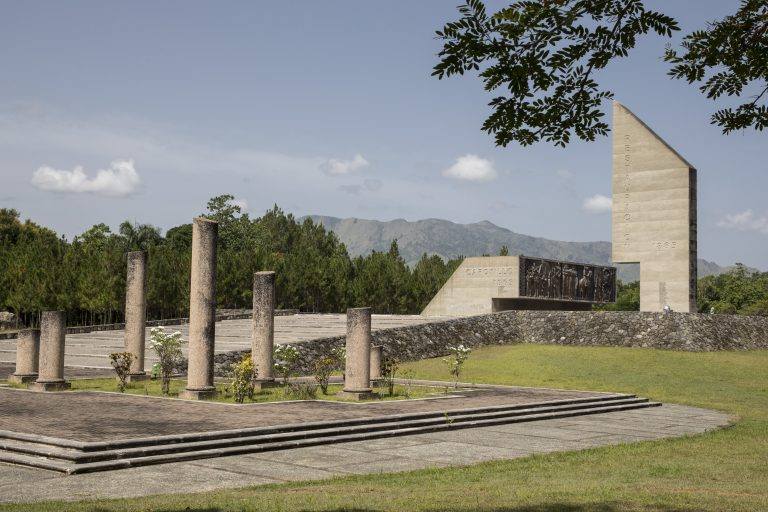
Those places were founded as Spanish settlements in the 1700s. After 1844 they sat in a gray zone: Spanish names, Haitian people, Haitian churches, Haitian money. The 21 January 1929 treaty and the 9 March 1936 Protocol of La Miel made the gray zone official.
Now the other half of the argument, because this story has two loud rooms.
Plenty of Haitians do not see those acres as a gift from Santo Domingo. They see the whole island as Haitian ground. The story they tell is simple and proud: Haiti beat France. Haiti beat the slave system. In 1822 Jean Pierre Boyer walked east and unified the island. Slavery ended in the east. For 22 years there was one Haiti from Cap Haïtien to Santo Domingo. So when some Haitians say the whole island is ours, they are not talking about the 1929 map. They are talking about the revolution, the occupation, and the idea that the Dominican Republic was liberated from Spain by Haitian power, then later peeled itself away in 1844.
History is messier than that slogan. The east declared a short independence from Spain in 1821 before Boyer arrived. Dominican independence in 1844 was independence from Haiti, not a thank you note to Port au Prince. But the belief is real, and it sits in the same conversation as the Dominican belief that Vásquez and Trujillo signed away land that should never have left.
And here is the part that keeps the fight personal.
Both sides think the other side is ungrateful.
On the Dominican side, the talk goes like this: we recognized the line, we absorbed the shock of those acres leaving, we still take in Haitian workers, still sell in the border markets, still live next door through crisis after crisis, and Haiti does not give that any respect. Some politicians there even say the 1929 and 1936 land should come back, because the thank you never came.
On the Haitian side, the talk goes the other way: we ended slavery in the east, we carried the island when the east was weak, we paid France, we bled for Black freedom on this rock, and Dominicans act like Haiti is a burden instead of the neighbor that made the east free. So when Dominican voices say we gave you land, a lot of Haitians hear insult, not history. Their answer is: you did not give us anything. You were part of us.
Same mountains. Same rivers. Two memories. One border the world recognizes. And a wound dressed up as they do not appreciate us.
Some Dominican politicians still say take Hinche, Saint Michel, Lascahobas and the rest back. Easy sentence. Hard reality. Those towns have been Haitian under treaty for almost 90 years. Families there are not living on a temporary lease.
So you have four stories fighting over the same dirt:
One: Dominican paper in 1929 and 1936 gave Haiti hundreds of thousands of acres, maybe more than a million depending how you count.
Two: some Dominicans still want those acres back.
Three: many Haitians say the argument is too small, because they already fought France and Spain for the whole island.
Four: each side is convinced the other one ate the help and forgot the plate.
What yall think? Was that land given, taken, already Haitian, or already Dominican? And if somebody says take it all back tomorrow, are they talking 104,000 acres, or 1.5 million, or the entire island?
Let’s Talk About it.
Bahama Drama. Caribbean headlines, no filter.
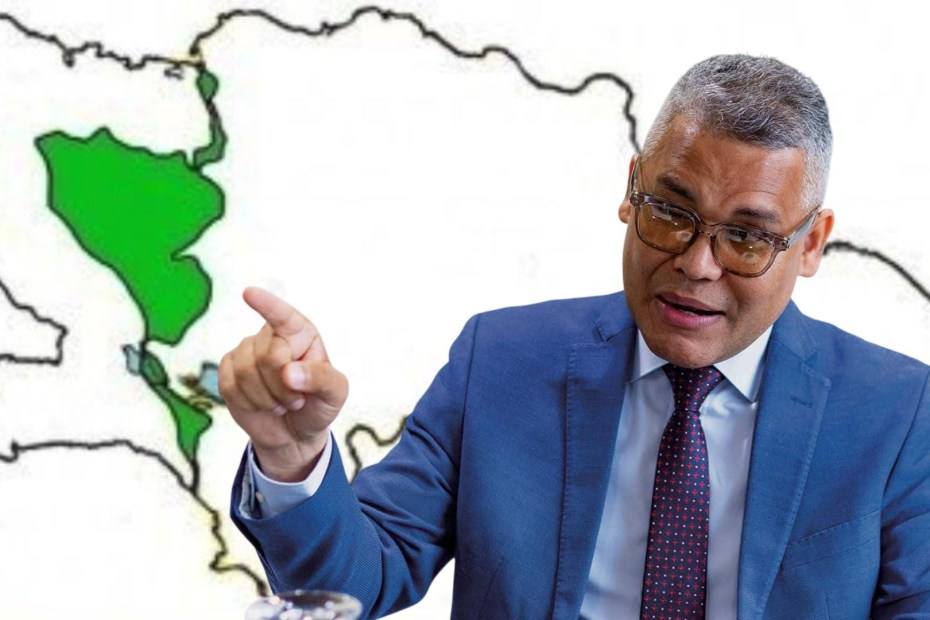
Dominican Republic, Santo Domingo. El aspirante presidencial por el Partido Generación de Servidores (GenS), Mr. Carlos Peña
Related stories

Biometric Voter Cards Go Local, PAC Digs Into $1.5m Vouchers, and Some PMH Wards Relocate
Late-afternoon Bahamas Islands Briefing for Wednesday, October 14, 2026: Exuma’s Business Outlook is tomorrow;…

PUBLIC MESSAGE TO ALL BAHAMA DRAMA FOLLOWERS
We are taking Bahama Drama to the next level, and we want you to…

Eleuthera Residents Threaten to Stop Paying BPL Bills, Treasure Cay’s $177m Sale Nears Closing, and a “Miracle Baby” Gets Her Wheels
Afternoon Bahamas Islands Briefing for Wednesday, October 14, 2026: Eleuthera residents threaten to withhold…
Join the conversation
No comments yet. Be the first.