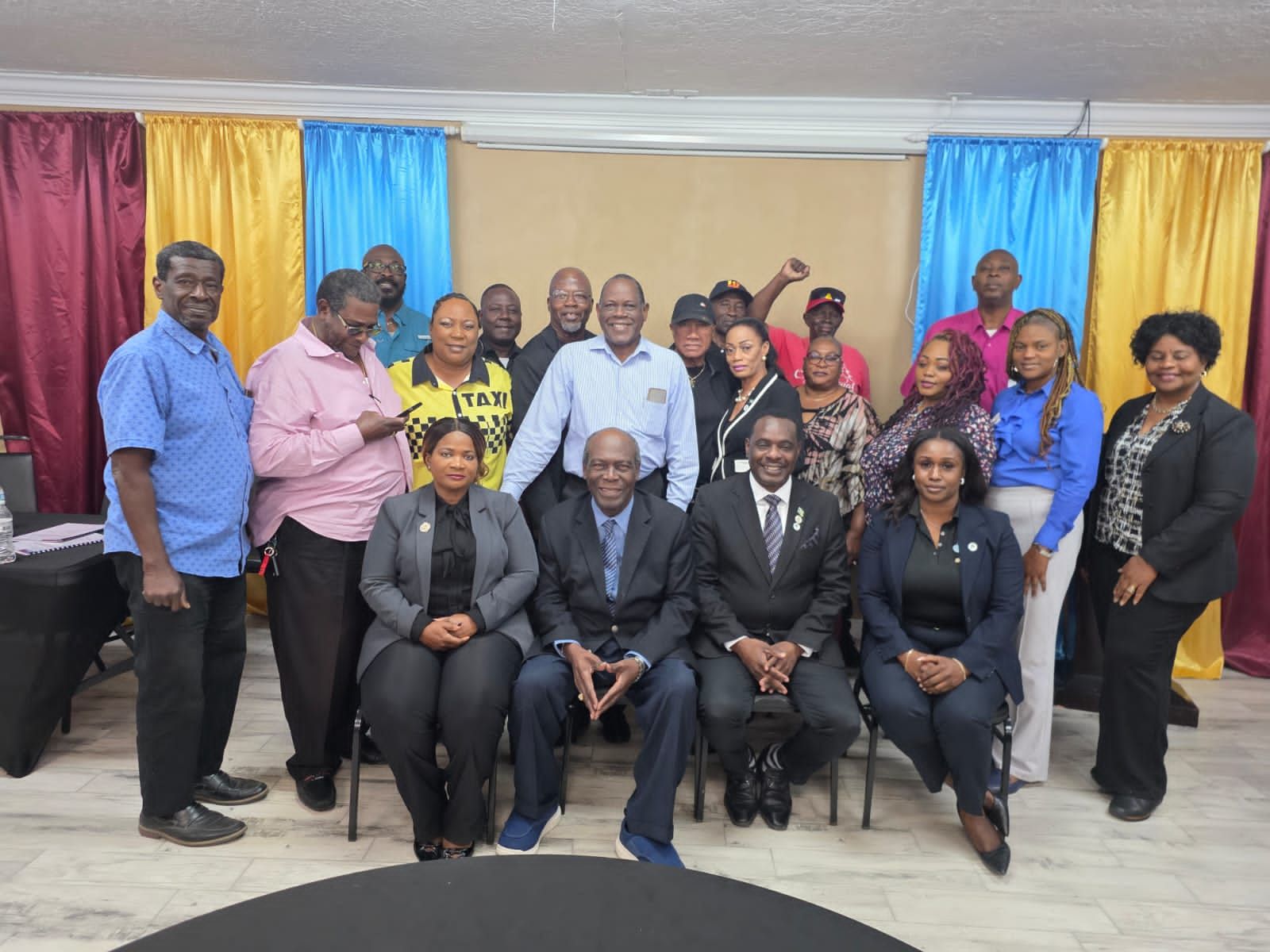
Today, the Coalition of Independents had the distinct honor of meeting with the Trade Union Congress to outline our bold vision for the workers of this nation and to listen carefully to the ideas, concerns, and recommendations of the 40 unions represented under the TUC umbrella.
This was not a photo-op. It was a serious, solutions-driven discussion about wages, working conditions, pension security, job creation, skills development, national productivity, and restoring dignity to the Bahamian worker.
The meeting was powerful and highly productive. Our Leader, Lincoln Bain, presented the COI’s comprehensive vision for workers — a vision rooted in fairness, accountability, economic expansion, and real opportunity for Bahamians first. His presentation was met with a standing ovation, a clear signal that the message of change, transparency, and national renewal is resonating across every sector of society.
We believe that strong unions and strong workers are essential to a strong Bahamas. The Coalition of Independents is committed to partnership — not politics as usual — but purposeful collaboration to rebuild this nation.
The future of the Bahamian worker is not negotiable.
The time for real leadership is now.
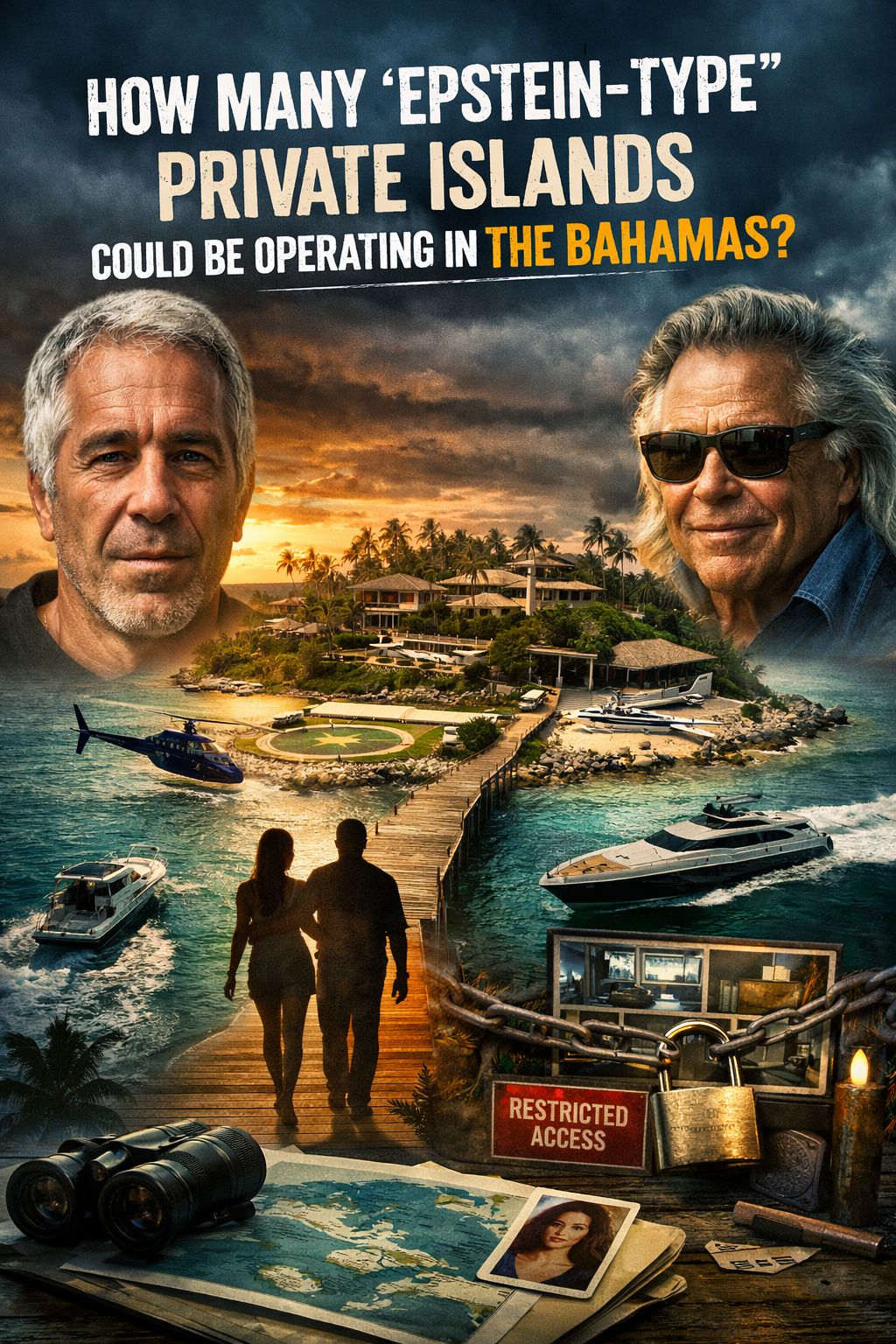
HOW MANY “EPSTEIN-TYPE” PRIVATE ISLANDS COULD BE OPERATING IN THE BAHAMAS?
By: Michael Elijah Muhammad Clare
No one seems to be asking the uncomfortable question.
Not how many private islands exist.
Not how many luxury estates sit quietly behind mangroves and security gates.
But how many Epstein-type private islands could possibly be operating in The Bahamas right now?
The Bahamas is made up of over 700 islands and more than 2,000 cays scattered across vast ocean territory. Dozens of those are privately owned. Some are small and undeveloped. Others are fully built-out compounds with docks, airstrips, staff quarters, surveillance systems, and strict no-access policies.
Privacy is legal. Ownership is legal.
But history has shown that extreme privacy, extreme wealth, and minimal public oversight can create environments where misconduct hides in plain sight.
The world saw that with Jeffrey Epstein and his island, Little Saint James. For years, activity there remained largely shielded from scrutiny. It wasn’t just about an island, it was about isolation, influence, and power operating without challenge.
The Bahamas has already experienced international headlines through Peter Nygard and his now-demolished compound in Lyford Cay. That estate was not a secret jungle hideaway. It was visible. Known. Talked about. Yet the deeper allegations took years to fully surface in courtrooms abroad.
So the question now becomes sharper:
How many ultra-private compounds currently exist across the Exumas, Berry Islands, Abaco, Eleuthera, Cat Island, and beyond, owned by foreign billionaires, shell companies, or discreet investors, where the public has no visibility into what happens behind closed gates?
Is it five?
Is it ten?
Is it dozens?
There is no publicly accessible master database listing every privately owned island and detailing its operational use. Real estate listings show that at any given time, dozens of islands are bought and sold quietly. Many never even hit the open market. Ownership structures can involve corporations and trusts, adding further layers of distance between property and person.
Most private island owners are likely doing nothing more than enjoying seclusion and luxury. That is important to acknowledge.
But the absence of transparent tracking creates fertile ground for suspicion. And suspicion grows when global scandals have already demonstrated what can happen when wealth and isolation mix unchecked.
This is not an accusation.
It is a question.
How many “Epstein-type” environments defined not by proven crime but by extreme secrecy, concentrated power, and limited oversight, could theoretically exist in a nation built on thousands of scattered islands?
And who is auditing them?
Who inspects?
Who ensures that private does not mean untouchable?
The Bahamas depends heavily on its international reputation. Tourism. Investment. Trust. Every scandal tied to isolated compounds chips at that image.
The ocean is vast. The cays are many. The ownership records are not easily searchable by the average citizen.
So again, the question stands:
How many Epstein-type private islands could be operating right now in The Bahamas, not proven guilty, not accused, but existing within a system where silence and seclusion are part of the design?
Until that question is openly addressed, speculation will continue to drift across the water like a storm cloud no one wants to name.
And storms, in The Bahamas, are never ignored for long.
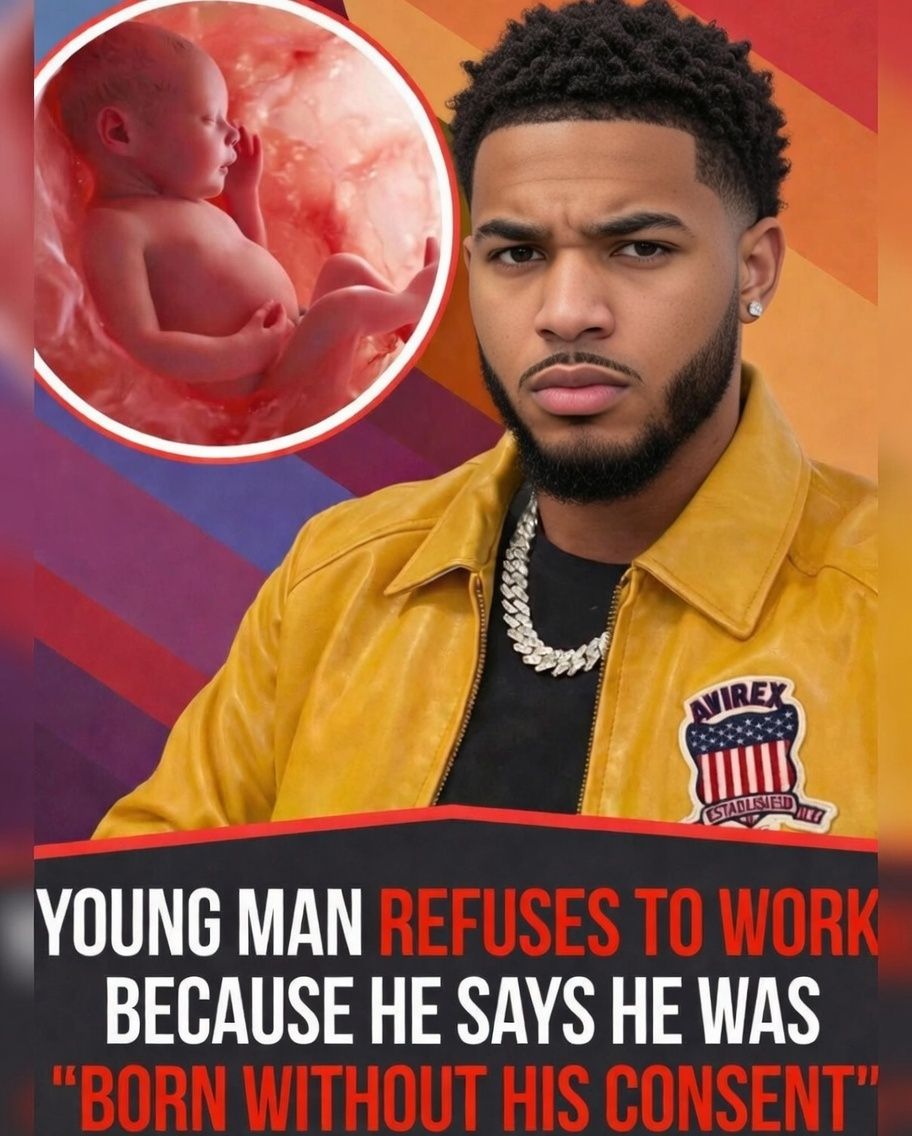
NASSAU, BAHAMAS — The nation is in uproar after a local man, barely out of his teens, declared that he would never work a day in his life, claiming he was “born without his consent.”
The statement, made during a viral social media livestream, has ignited fiery debates across breakfast tables, office spaces, and social media feeds alike. Citizens are split between incredulity and sympathy as they try to digest a concept so bold it borders on philosophical rebellion.
“I can’t be expected to perform labor,” the young man said, arms crossed, a defiant glint in his eye. “I didn’t agree to come into this world. Why should I agree to its rules?”
Local psychologists warn this rhetoric is unprecedented. “We are watching a full-scale existential protest,” said Dr. Yvonne Rolle, a Nassau-based behavioral specialist. “It raises questions about accountability, entitlement, and how society manages individuals who outright reject its foundational norms.”
Some parents and educators are sounding alarms, worried this could influence other young people to reject responsibility altogether. Social media hashtags like #BornWithoutConsent and #NoWorkNoProblem have already begun trending, fueling arguments between those calling for personal freedom and those warning of societal collapse.
Meanwhile, philosophers and self-proclaimed life coaches have weighed in, attempting to parse the young man’s stance. “He’s pushing the limits of personal freedom,” said local philosopher Clarence Sands. “But at what cost? Independence without contribution is chaos waiting to happen.”
On the streets of Nassau, reactions vary from amusement to outrage. “This is madness,” said one taxi driver. “Next thing, people will say they can’t pay taxes because they weren’t consulted before birth!”
Authorities are yet to respond, though insiders hint that local social services are monitoring the situation closely. Meanwhile, memes portraying babies signing work contracts have flooded the internet, turning this bizarre declaration into both a philosophical dilemma and a nationwide spectacle.
The debate is far from over. As Bahamians grapple with the paradox of freedom versus responsibility, one question hangs over the island: Can society survive if enough people decide their existence wasn’t agreed upon?
Local Good News Amid Chaos: Despite the heated debate, Nassau’s beaches remain pristine, the fish market reports record catches, and schools are implementing new creative programs to engage youth in discussions about responsibility, freedom, and ethics — perhaps inspired by one very unusual young man.
THE FORT LAUDERDALE WOMAN WHO WASHES HER FACE IN URINE
FORT LAUDERDALE, FLORIDA — Step aside, fancy creams and spa treatments. One Fort Lauderdale woman is making headlines for a skincare routine so strange it could only exist in a world obsessed with youth.
Meet Seraphina Vale, a late-50s resident whose skin is so radiant, smooth, and youthful-looking that no one would guess her age. Her secret?
A daily ritual she calls Stem Cell Facial Care; washing her face in her own urine.
“I’ve been doing this for three years,” Seraphina reveals, her smile almost glowing. “People are always stunned when they see me. It’s the stem cells, nature’s ultimate anti-aging serum. And it’s free, right from your own body.”
Fort Lauderdale locals say they’ve seen Seraphina walking along the beaches or jogging in the early mornings, her skin practically sparkling in the sunlight. While dermatologists are horrified and baffled, Seraphina insists her method is the ultimate skin rejuvenation formula.
“Forget creams and injections,” she says. “This is natural, simple, and it works if you’re consistent. Three years of dedication, and my skin has never looked better.”
Curious neighbors are intrigued, skeptical friends are horrified, and the internet is already buzzing with fascination. One thing is clear: Seraphina Vale and her Stem Cell Facial Care routine have made her a local legend. Could urine truly be the fountain of youth? According to Seraphina, the answer is a definitive yes and she’s living proof, one splash at a time.
Page Reply:
I’ve heard of people doing that with baby urine but not adult urine.
Voter Turnout Trends in Europe, the UK, and The Bahamas: Insights and Reflections
By: Michael Elijah Muhammad Clare
Recent elections across Europe and the United Kingdom reveal long-term shifts in how citizens engage with democratic processes. While participation rates vary widely by country and election type, the overarching trend suggests that many voters are increasingly selective in their engagement, prompting reflection on the factors that influence electoral participation.
European Union-Wide Participation
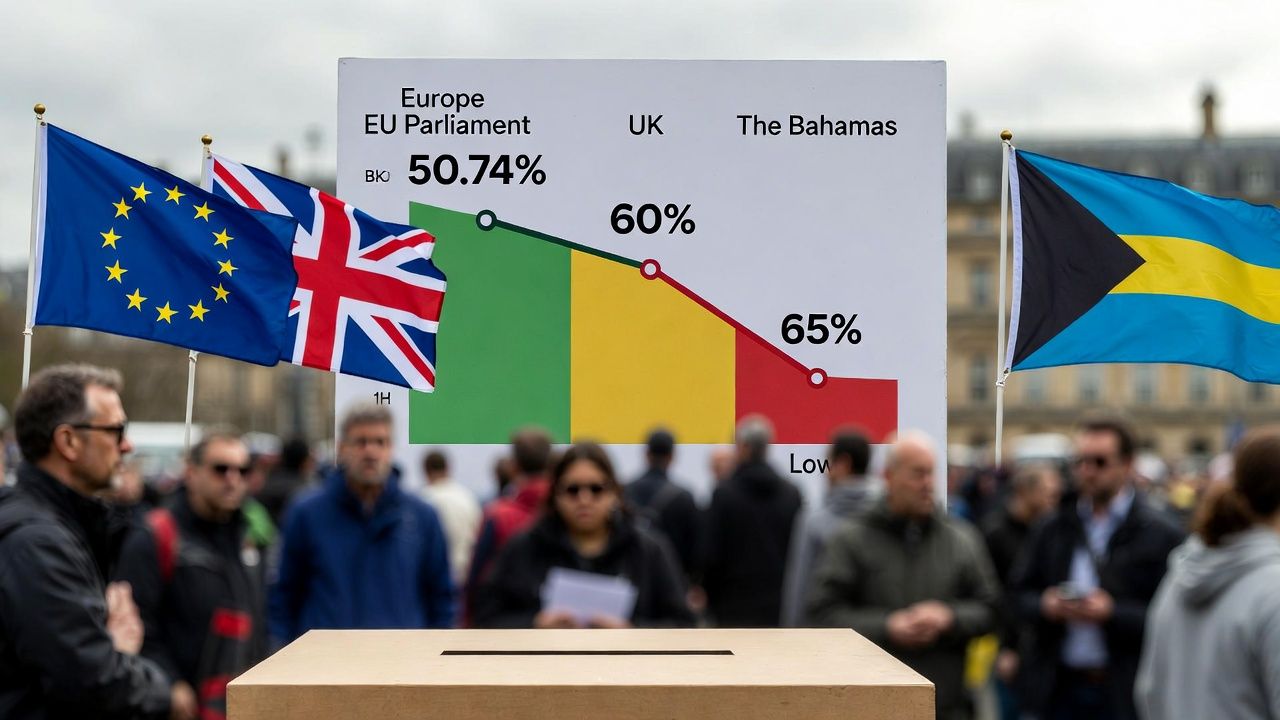
In European Parliament elections, turnout has often hovered around 50%. In the 2024 elections, overall turnout was 50.74%, slightly higher than the 2014 low of 42.61% but significantly lower than the 1979 peak of 61.99%. Country-specific variations are stark: Belgium and Luxembourg, with compulsory voting, report participation near 90%, while Romania, Bulgaria, and Croatia see much lower levels, with voter engagement ranging from 31.8% to 46.9%. These patterns indicate that in some EU nations, roughly half or more of the electorate abstains from supranational elections.
United Kingdom Participation
Turnout trends in the UK reflect a gradual decline over decades. The 2024 general election saw turnout of around 60%, the second-lowest since universal suffrage was achieved in 1928. The 2019 general election recorded 67.3%, down from 68.8% in 2017, and historical highs of 83.9% in 1950 illustrate a long-term downward trajectory. In European Parliament elections, UK turnout has been even lower, with 36.9% in 2019, highlighting significant differences between national and supranational electoral engagement.
Broader European Parliamentary Elections
National parliamentary elections across the EU averaged 66% turnout in recent years, with notable disparities: Romania at 31.8%, Bulgaria at 38.0%, and Lithuania at 47.8%. These figures illustrate that in certain countries, abstention is the norm, particularly in populations facing political dissatisfaction or structural barriers to voting.
Factors Influencing Electoral Participation
• Perceived Efficacy: Citizens may abstain when they feel individual votes carry little weight in determining outcomes.
• Political Disillusionment: Recurrent patterns of unfulfilled campaign promises, economic inequality, and partisan gridlock can erode trust in electoral processes.
• Practical Barriers: Complex registration processes, inconvenient polling logistics, and electoral system structures may reduce turnout.
• Demographic Trends: Younger voters historically show lower participation rates compared to older cohorts.
• Cultural and Social Norms: Countries with compulsory voting or strong civic traditions maintain higher turnout.
Reflections for The Bahamas
Bahamian voter turnout has mirrored some of these patterns. After averaging 91% in post-independence elections (1977–1992), participation declined to 65% in the 2021 general election, showing a trend similar to European nations. In public discourse, many Bahamians express frustration that both major political parties historically place citizens last once elected. Residents often note that after winning seats in Parliament, politicians appear to prioritize personal or partisan interests over the communities that put them in office, fueling skepticism about the tangible impact of voting. This perception contributes to the gradual disengagement observed in recent decades.
Conclusion
Across Europe, the UK, and The Bahamas, voter turnout patterns underscore the complexity of democratic participation. Differences in national context, political culture, and institutional design all shape how citizens engage with elections. In The Bahamas, historical patterns of perceived political neglect reinforce public wariness, mirroring broader trends of declining engagement observed internationally. Studying these dynamics offers insights into civic behavior, the challenges of sustaining participation, and the importance of addressing systemic factors to strengthen democracy. Understanding these trends helps policymakers, educators, and the public reflect on the evolving relationship between citizens and the democratic process.
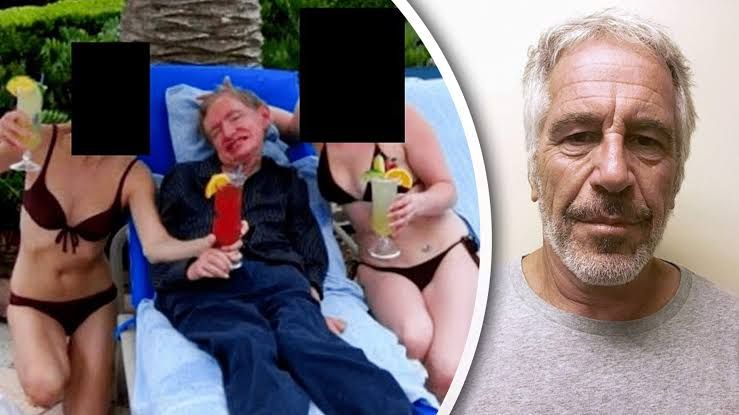
When the name of renowned theoretical physicist Stephen Hawking surfaced in court documents connected to convicted financier Jeffrey Epstein, the reaction wasn’t just curiosity, it was disbelief. For many, it felt like watching the stars flicker in a night sky once considered untouchable.
Hawking symbolized intellect, endurance, and humanity’s hunger to understand the universe. From his groundbreaking theories on black holes to bestselling books that made complex science accessible to everyday readers, he became a global icon. So seeing his name appear within the broader web of Epstein-related documents sent social media into a frenzy.
It is important to state clearly: being named in legal documents does not equal guilt. Epstein cultivated relationships with scientists, politicians, billionaires, and royalty. He funded conferences, donated to universities, and embedded himself in elite academic circles around the world. Hawking attended a 2006 scientific conference in the Caribbean that Epstein helped fund. That documented association is what placed his name in the records. There has been no criminal charge, no conviction, and no official finding of wrongdoing against Hawking in connection to Epstein.
Still, perception is powerful.
Epstein’s reach extended far beyond one island or one industry. He built influence by inserting himself into rooms where prestige met power. Among the institutions connected to his funding network was the University of Cambridge, where Hawking spent much of his distinguished career. Epstein positioned himself as a patron of science, creating environments where association could occur without suspicion, at least at the time.
Now, as additional documents continue to surface, public trust feels increasingly shaken.
Because every time another respected name appears in those files, the same uneasy question rises:
Who’s next?
A tech mogul?
A world leader?
A Hollywood powerhouse?
Or — as some now whisper in disbelief, even the Pope in the Vatican City?
That question is not an accusation. It reflects a growing discomfort with how deeply influence can penetrate respected institutions. When scandal touches science, politics, finance, academia and now even conversations within the Caribbean, people begin to wonder whether any circle of power is truly insulated.
Reports and public speculation have also pointed to Bahamian politicians and private citizens whose names have appeared within the broader Epstein document releases. No detailed findings or charges have been publicly established in those mentions, and inclusion in records does not equate to criminal wrongdoing. However, the mere presence of local names in international court filings has sparked serious discussion across The Bahamas about transparency, reputation, and accountability.
For the Caribbean, this conversation carries a particular weight. Epstein’s properties in the U.S. Virgin Islands placed part of his network within regional waters. The islands were not merely scenic backdrops; they were embedded in the geography of the story.
The lesson here is not hysteria.
It is vigilance.
Legal documents are not verdicts. The Association is not conviction. But transparency matters. Accountability matters. And public trust demands clarity.
The broader story is not about one scientist. It is about how deeply Epstein embedded himself into respected institutions worldwide and how far those connections may reach.
Until every thread is carefully examined, the question will continue to linger in the air:
Who’s next?
Somebody from the Bahamas asked, was his tongue was still working! Saying if so he might be guilty. 😳
The land that the Chinese government hospital is supposed to be built on belongs to a Bahamian family who says that they were not approached or compensated for their property by the Bahamas government for the Chinese Communist Party government to be on their families land trying to build anything.
Very unpleasant and unfortunate for the Bahamian property owners!
One of the many reasons I’m not voting in this upcoming election and neither should you!
Bahama Drama News Alert
February 26, 2026
9:40 PM EST
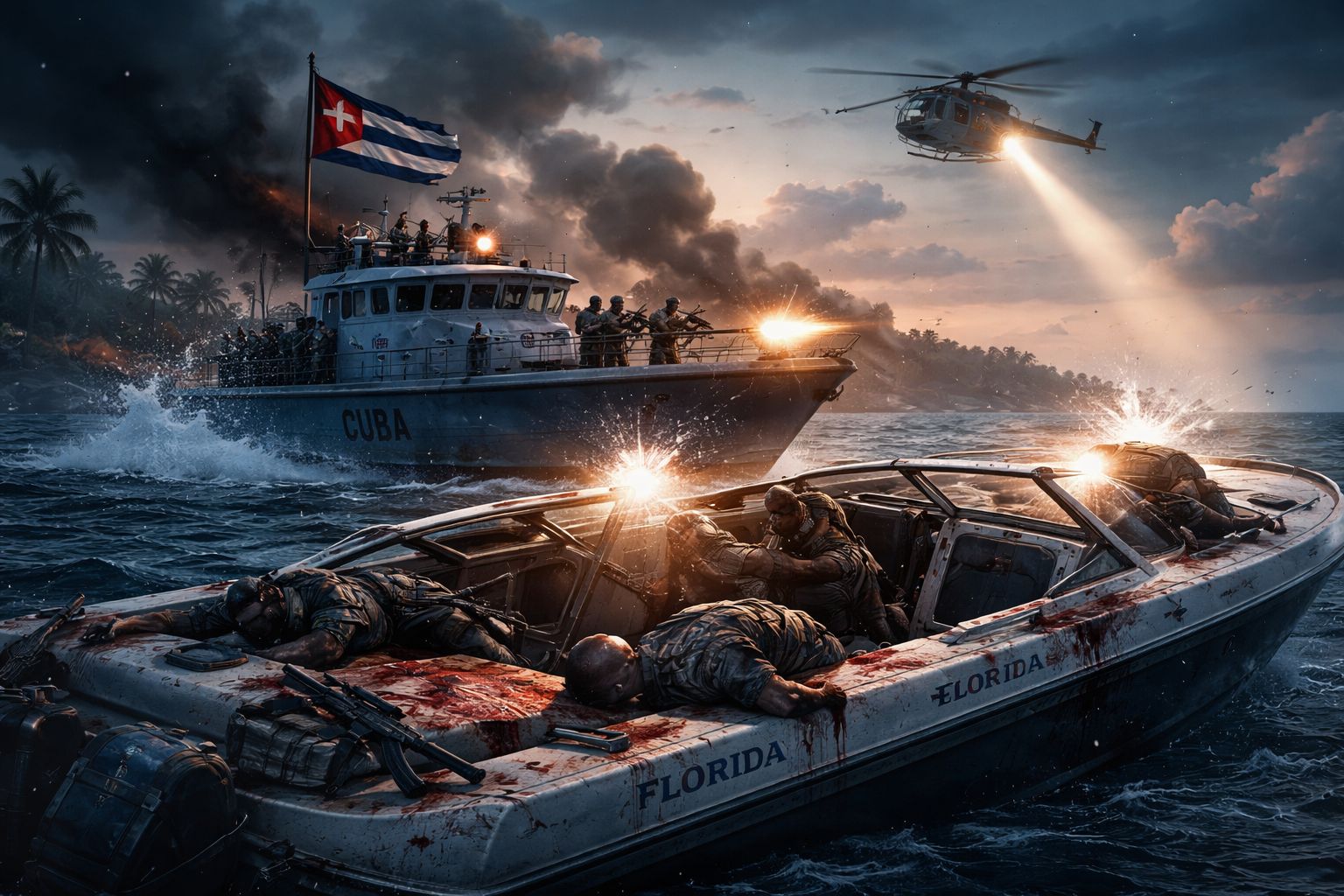
BLOOD IN THE STRAITS:
FOUR DEAD AFTER CUBAN PATROL CLASHES WITH FLORIDA SPEEDBOAT
The waters between Florida and Cuba, often restless with history and memory, turned violent this week in a confrontation that has sent shockwaves through Washington, Havana, and every shoreline in between.
Cuban authorities report that a Florida-registered speedboat entered Cuban territorial waters near Villa Clara province and was intercepted by border patrol forces. What followed, according to official statements, was a burst of gunfire on the open sea. A chaotic exchange that left four people dead and six others wounded.
Cuban officials claim the occupants of the vessel fired first, injuring a patrol commander. They further allege that rifles, handguns, incendiary devices, and tactical gear were discovered onboard. The survivors were reportedly taken into custody and transported for medical treatment. The deceased, authorities say, were Cuban nationals residing in the United States.
The sea has long been a corridor of desperation, defiance, and political tension. From makeshift rafts to high-powered boats, the Florida Straits have carried dreams of escape and whispers of defiance for decades. But this incident feels heavier. Louder. More deliberate.
Four bodies in the water do not sink quietly.
In Washington, conversations are already forming behind closed doors. A Florida-registered vessel. Armed civilians. Gunfire exchanged with a neighboring state’s security forces. The optics alone carry weight. The political temperature surrounding the island nation has already been high, and moments like this add accelerant.
For figures such as U.S. Senator Marco Rubio a long-standing critic of Havana’s leadership and former President Donald Trump, who has consistently advocated for a hardened posture toward Cuba, the imagery of Americans or U.S.-based individuals killed in a maritime confrontation could resonate powerfully. Not merely as an isolated clash, but as a test of resolve. A signal flare demanding a response.
History reminds us how quickly maritime incidents can escalate beyond the waves that birthed them. The Caribbean once held its breath during the missile standoff of the early 1960s, when naval lines drawn in saltwater nearly redrew the map of the world. That same uneasy geography now hosts another flashpoint — smaller in scale, but heavy with symbolic gravity.
Was this a rogue mission? A failed attempt at covert entry? A reckless miscalculation? Or something more organized? Those answers remain clouded by competing narratives and the absence of independent verification.
Yet perception, in international affairs, often moves faster than confirmation.
A Florida-registered speedboat riddled with bullets. Armed occupants. Casualties. Cuban patrol forces injured. American political figures known for their firm stance toward Havana now watching events unfold.
This is the kind of incident that reverberates far beyond the coordinates where it occurred.
The Straits of Florida are only ninety miles wide. But when gunfire echoes across them, the distance between diplomacy and confrontation can feel far smaller.
Tonight, the Caribbean watches. Washington listens. Havana stands firm.