Bahama Drama: Trump Admin Drops a \$50M Bounty on Maduro
Bahama Drama: Trump Admin Drops a \$50M Bounty on Maduro
1. What Just Went Down?
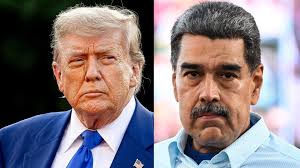
In a major escalation, the Trump administration has doubled the reward for anyone providing credible information leading to the arrest of Venezuelan President Nicolás Maduro from $25 million to a whopping $50 million dollars US. AG Pam Bondi announced it in a video, calling Maduro “one of the world’s largest narco-traffickers.”
2. The Alleged Crimes Behind the Bounty
Trump’s DOJ accuses Maduro of teaming up with criminal organizations like Tren de Aragua, the Cartel of the Suns, and Sinaloa cartel, to smuggle fentanyl-laced cocaine into the U.S.
The U.S. has seized over \$700 million in assets tied to Maduro including two private jets, luxurious vehicles, and nearly 7 tons of cocaine directly traced to him.
Before this, Maduro was indicted back in 2020 on charges of narco-terrorism and conspiring to import cocaine. The bounty originally was \$15 million under Trump, then raised to \$25 million by Biden, and now back to \$50 million.
3. What’s Behind This Move?
The bounty is clearly a tool to intensify pressure on Maduro’s regime and incentivize insiders to break ranks. By doubling the reward, the Trump camp appears to be signaling serious intent and ramping up its anti-narcotics stance.
It also comes amid other bold moves from Trump’s team like labeling Latin American cartels as terrorist groups and even discussing possible military options in coordination with Defense officials.
4. Venezuela Reacts—Not Impressed
The Venezuelan government led by Foreign Minister Yvan Gil dismissed the bounty as a “crude political propaganda operation”, calling the announcement “pathetic” and a distraction from controversies surrounding Bondi.
5. What’s at Stake?
This isn’t just another news flash; it’s a bold escalation that raises the stakes for geopolitical maneuvering in Latin America. Expect tension to surge:
Could insiders defect for the bounty?
Will this drive Maduro even closer to allies like Russia, Cuba, or Iran?
Does this put Venezuela’s future into even murkier territory?