
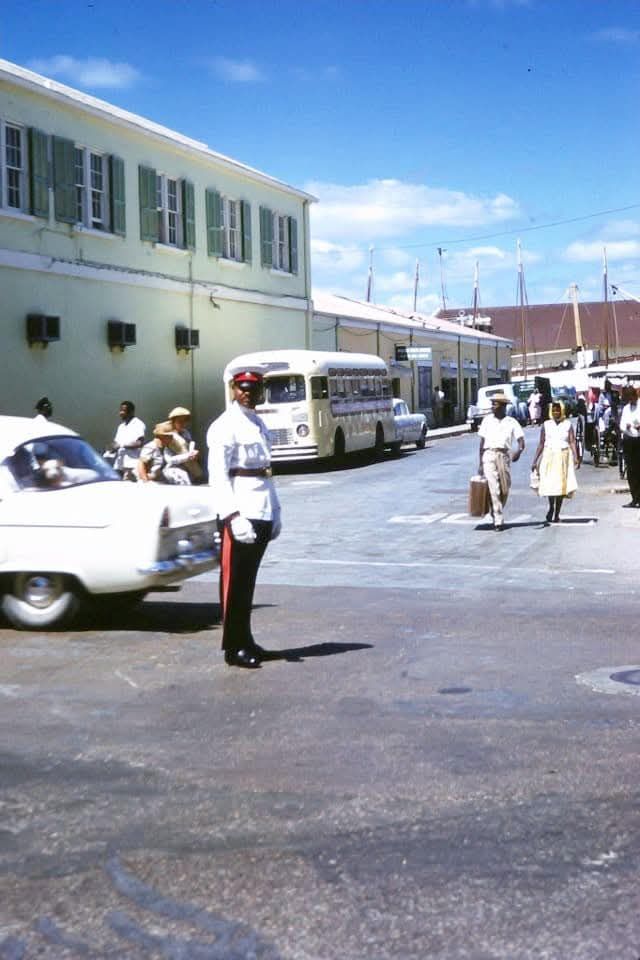
1950’s Downtown Nassau
1950’s Downtown Nassau
The Connection Between the Bahamas and African Heritage: Reclaiming Lost Roots
Historical Ties to African Tribes
The Bahamas, like much of the Caribbean, is deeply intertwined with the African diaspora through the transatlantic slave trade. Enslaved Africans were brought to the islands primarily from West and Central Africa. While the Yoruba, Edo (Benin Kingdom), Congo, and Hausa are highlighted, historical records suggest a more complex mosaic of influences:
1. Congo/Angola Region: A significant number of enslaved Africans in the Bahamas originated from the Congo Basin and Angola. Their cultural imprints survive in Bahamian folk music, dance (e.g., ring shout), and oral traditions.
2. Igbo (Bight of Biafra): Many enslaved Igbo people were brought to the Bahamas, contributing to resistance narratives and linguistic influences.
3. Ashanti and Fante (Ghana): The “Coromantee” from the Gold Coast (modern Ghana) also shaped Bahamian culture, particularly in communal practices and proverbs.
4. Yoruba and Edo (Benin Kingdom): While less prominent than in Cuba or Trinidad, subtle influences exist, such as in folktales and spiritual concepts like ancestral reverence.
The Hausa, primarily from present day Nigeria and Niger, had limited documented presence due to their Islamic faith and the focus of slave traders on other regions. However, the diversity of African origins underscores the Bahamas’ pan-African heritage.
Suppression of African Spirituality in the Bahamas
Unlike Cuba (Lucumí/Santería), Trinidad (Shango Baptists), or Brazil (Candomblé), the Bahamas has fewer overt African-derived spiritual practices. Key factors include:
1. Protestant Colonialism: British colonizers imposed strict Protestantism (Anglican, Baptist), which actively suppressed “pagan” practices. Unlike Catholic colonies, which allowed syncretic blending (e.g., Yoruba gods merging with saints), Protestantism fostered a binary view of faith, marginalizing African traditions.
2. Obeah Laws: Anti-Obeah legislation, inherited from British colonial rule, criminalized African spiritual practices, forcing them underground. Similar laws in Jamaica and Barbados also stigmatized traditions like Myal or Vodou, but the Bahamas saw less resurgence post-emancipation.
3. Demographic Shifts: Post-1783 Loyalist migrations brought enslaved people from the U.S. South, who had already undergone cultural erasure, diluting direct African ties. The Bahamas’ smaller plantations and maritime economy also hindered the formation of large, cohesive African communities.
Contrast with the Caribbean: Resilience Elsewhere
Other islands retained stronger African spiritual links due to:
– Catholic Syncretism: In Cuba and Haiti, Yoruba and Fon traditions merged with Catholicism, preserving deities like Shangó (as St. Barbara) or Erzulie (as the Virgin Mary).
– Maroon Resistance: Jamaican Maroons and Haitian revolutionaries safeguarded African practices through isolation and rebellion.
– Festivals and Rituals: Trinidad’s Carnival integrates Orisha worship, while Haiti’s Vodou remains a cornerstone of national identity.
Bahamian Cultural Retentions: Beyond Spirituality
While spirituality was suppressed, African heritage persists in:
– Junkanoo: This vibrant festival, rooted in Igbo and Akan masquerade traditions, features drumming, dance, and elaborate costumes.
– Folk Music and Storytelling: Goombay drumming and Anansi tales reflect Ashanti and Congolese influences.
– Language: Bahamian dialect includes African-derived words and grammatical structures.
Reclaiming African Heritage
Today, Bahamians are increasingly exploring their roots through:
– Academic and Cultural Initiatives: Projects like the Afro-Bahamian Museum and DNA ancestry testing are reviving interest in pre-colonial identities.
– Spiritual Revival: Small communities are reconnecting with Yoruba Ifá, Vodou, and Obeah, despite lingering stigma.
– Education: Advocates push for school curricula to highlight African contributions, countering colonial narratives.
Conclusion
The Bahamas’ African ancestry is undeniable, though its spiritual expressions were fractured by colonialism. By learning from Caribbean neighbors and embracing diasporic dialogues, Bahamians can reclaim their heritage. As global movements affirm Black identity, the Bahamas stands at a crossroads to honor its African past not as a relic, but as a living, evolving legacy.
Related stories

Biometric Voter Cards Go Local, PAC Digs Into $1.5m Vouchers, and Some PMH Wards Relocate
Late-afternoon Bahamas Islands Briefing for Wednesday, October 14, 2026: Exuma’s Business Outlook is tomorrow;…

PUBLIC MESSAGE TO ALL BAHAMA DRAMA FOLLOWERS
We are taking Bahama Drama to the next level, and we want you to…

Eleuthera Residents Threaten to Stop Paying BPL Bills, Treasure Cay’s $177m Sale Nears Closing, and a “Miracle Baby” Gets Her Wheels
Afternoon Bahamas Islands Briefing for Wednesday, October 14, 2026: Eleuthera residents threaten to withhold…
Join the conversation
No comments yet. Be the first.