
Bahama Drama seal
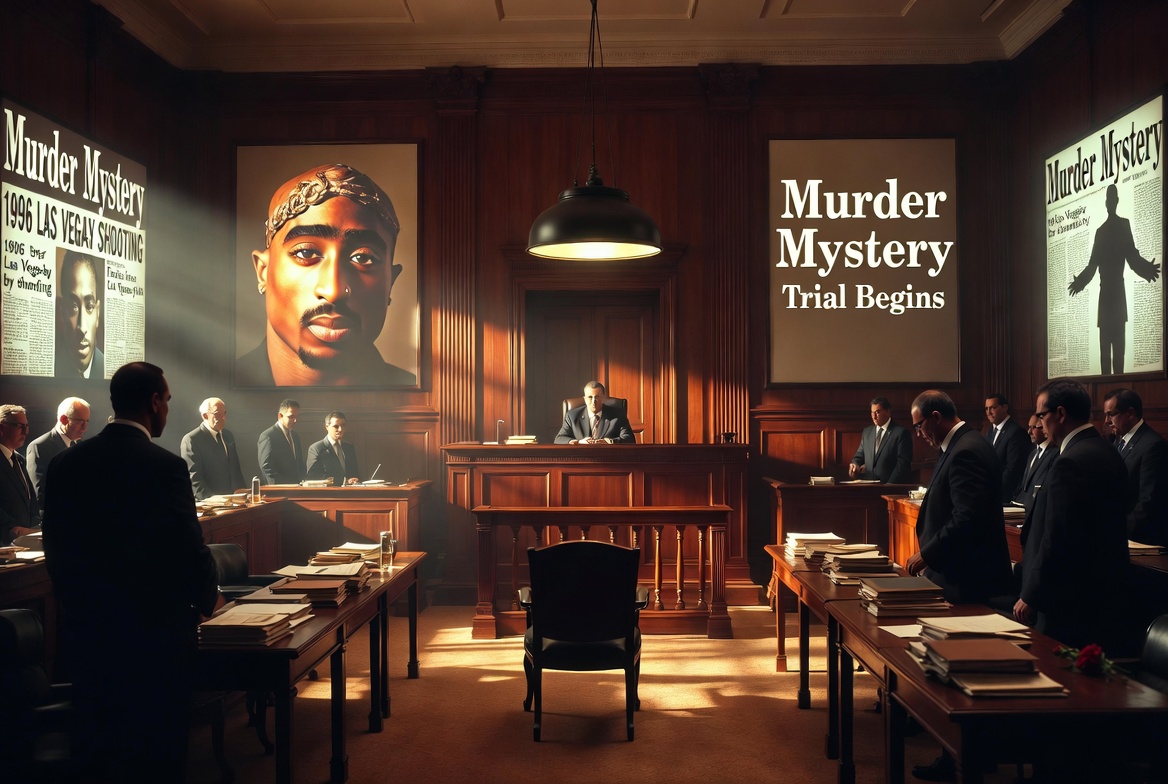
Case File — Clark County, NVTrial Begins Aug 10, 2026

Bahama Drama · Deep Dive

Makaveli's Shadow Falls on the Courtroom

The 30-year mystery of Tupac Shakur's murder finally goes to trial — the men in the white Cadillac, the rumors that never died, and what the evidence actually shows.

Nearly three decades after the world lost one of its purest poetic warriors, the air in a Clark County courtroom is thick with the weight of unfinished business. Duane "Keffe D" Davis, 63, the last living man tied directly to the white Cadillac that rolled up on a black BMW on the night of September 7, 1996, is set to stand trial beginning August 10. He is charged with murder with a deadly weapon enhanced by gang intent for orchestrating the drive-by that stole Tupac Amaru Shakur from us and wounded Marion "Suge" Knight.

Davis has pleaded not guilty. Prosecutors say he was the shot-caller who supplied the .40-caliber Glock and directed the retaliation. The case rests heavily on his own words — his 2019 memoir Compton Street Legend, a 2008 police interview now ruled admissible, and years of public statements. The trial is expected to last four to six weeks. Suge Knight himself appears on the prosecution's witness list.

This is not just another cold-case revival. This is the moment the streets, the culture, and history itself have been waiting for. And if you love Tupac the way so many of us still do — with that deep, almost familial reverence for the man who made pain sound like prophecy — you will not be able to look away.

The Man Who Became Makaveli
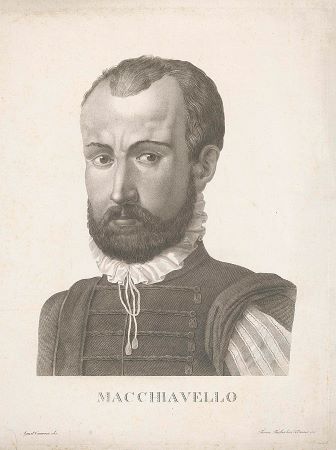
Niccolo Machiavelli, 16th-century portrait

Before the bullets, before the theories, before the endless speculation, there was the artist. Tupac Shakur was a supernova of talent, rage, tenderness, and intellect. He rapped like he was living every line in real time. He acted with the same raw electricity. He spoke for the forgotten, the angry, the hopeful. He was a mega superstar who never forgot where he came from, even as the industry and the streets tried to claim pieces of him.

In prison in 1995, he read Niccolò Machiavelli, the Italian diplomat, political thinker, and writer who lived from 1469 to 1527. Machiavelli's most famous work, The Prince (written around 1513), was practical advice for rulers navigating a fractured, dangerous Italy of competing city-states, foreign invasions, betrayal, and sudden shifts in power. Machiavelli argued that a leader must deal with the world as it is, not as idealists wish it to be. He believed it was safer to be feared than loved if one could not be both, that a ruler should appear virtuous even when necessity demanded otherwise, and that skill, courage, and decisiveness — virtù — could shape fortune. He never wrote the exact phrase "the ends justify the means," but the idea that successful preservation of power sometimes requires hard choices is what readers took from him.

"I idolize that type of thinking — where you do whatever's necessary to achieve your goal."

Tupac absorbed that cold-eyed realism. Upon his release he became Makaveli. Not because he idolized cruelty, but because he recognized the same game of power, loyalty, betrayal, and survival playing out in the music industry and on the streets. The name was a declaration: he would no longer play by anyone else's rules. His posthumous album The Don Killuminati: The 7 Day Theory, released under the Makaveli moniker, became both artistic statement and mythic fuel. Some even twisted the name into "proof" that he had staged his own death the way some legends claimed Machiavelli had, ready to return and outmaneuver his enemies.

That myth is part of why this case still grips us. Tupac was larger than life while he lived. In death he became legend.

The Night Everything Changed

September 7, 1996. Mike Tyson versus Bruce Seldon at the MGM Grand Garden Arena for the WBA heavyweight title. Tyson ended it in the first round with a knockout. Tupac and Suge were there, front and center. After the fight, as the crowd spilled into the casino and lobby, the night turned.

Surveillance cameras captured what happened next near the elevators. Tupac, Suge, and their Death Row-affiliated entourage confronted Orlando "Baby Lane" Anderson, a young South Side Compton Crip. The motive stretched back months: Anderson and others had allegedly tried to snatch a Death Row chain at a Lakewood mall from an associate of Suge's. The beating was swift, brutal, and public. Anderson was punched, kicked, and left on the ground. Hotel security eventually intervened. No police report was filed that night. Anderson declined medical attention and refused to cooperate.

MGM Grand security camera footage, September 7, 1996

Hours later, around 11:15 p.m., Suge was driving a black BMW 750iL east on Flamingo Road near Koval Lane, just off the Strip. Tupac rode in the passenger seat. They had left Club 662, a spot connected to Suge. A white Cadillac pulled alongside at a red light. Words were exchanged. Then gunfire. Four .40-caliber rounds struck Tupac — chest, arm, thigh. Suge was grazed by a fragment. The Cadillac sped off. Tupac was rushed to University Medical Center. He fought for six days. On September 13, 1996, at 4:03 p.m., the 25-year-old was gone.

The Five Men at the Center

The Independent and other reporting have zeroed in on five central figures whose lives collided that night and whose fates still shape the mystery.
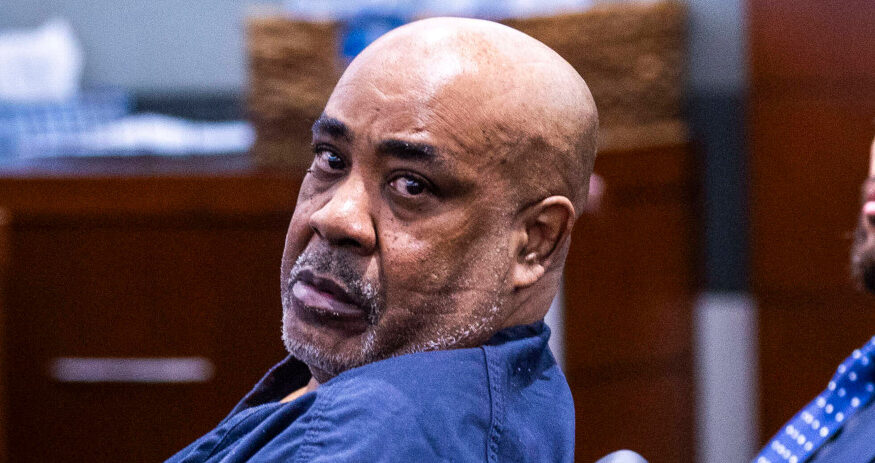
Duane Keffe D Davis
Subject 01 · The Defendant

Duane "Keffe D" Davis

On Trial · Living

The only one still alive and now on trial. A South Side Compton Crips figure and Anderson's uncle. In his book and interviews he placed himself in the front passenger seat of the Cadillac, admitted obtaining the Glock and tossing it into the back seat, and described himself as the on-scene commander who ordered the response to the earlier disrespect. Prosecutors call him the orchestrator.
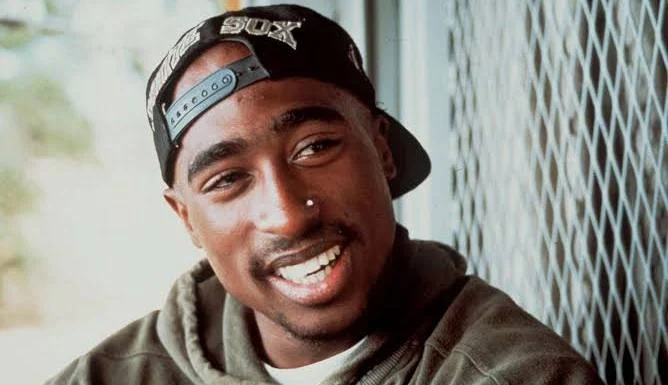
Tupac Shakur
Subject 02 · The Victim

Tupac Shakur

Deceased 1996

The victim whose light still burns. The artist, the thinker, the voice of a generation. His death at 25 froze him in mythic status while leaving a hole that no verdict can fully fill.
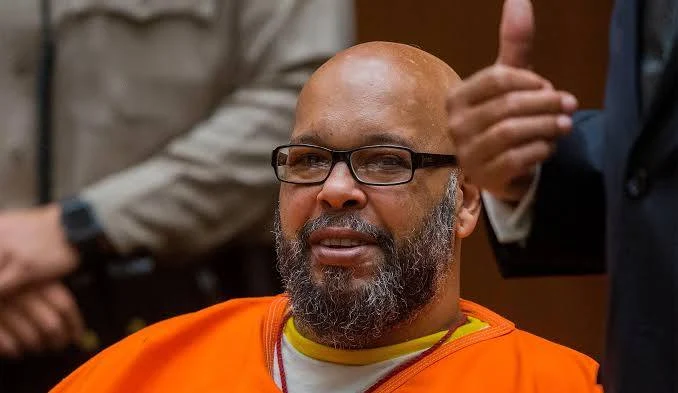
Marion Suge Knight
Subject 03 · The Driver

Marion "Suge" Knight

Incarcerated · Living

Driving the BMW. Co-founder of Death Row, the label that had bailed Tupac out and signed him. Grazed by a bullet fragment. Survived. Now serving a long prison sentence for a later voluntary manslaughter conviction. One of the few remaining living witnesses to the shooting itself.
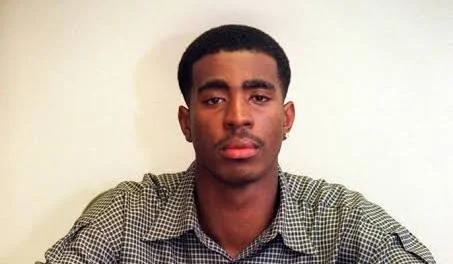
Orlando Baby Lane Anderson
Subject 04 · The Nephew

Orlando "Baby Lane" Anderson

Deceased 1998

The man beaten in the MGM lobby. Long identified by authorities and by Keffe D's own early accounts as the primary suspected shooter who leaned out and fired. Never charged. Denied involvement. Killed in an unrelated Compton gang shooting in 1998.
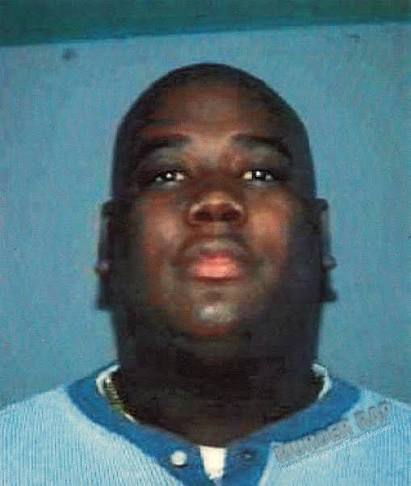
Deandrae Big Dre Smith
Subject 05 · Back Seat

Deandrae "Big Dre" Smith

Deceased 2004

In the back seat next to Anderson. Grand jury testimony later suggested he may have been the one who actually pulled the trigger after Anderson could not get a clear shot, then let Anderson take the "glory." Died of natural causes in 2004.

A sixth name often surfaces: Terrence "T-Brown" Brown, the alleged driver of the Cadillac. He was killed in a 2015 shooting in Compton. All the men in that white car except Keffe D are dead.

The Rumors That Never Died

The streets have never been quiet about this. For thirty years the theories have circulated like smoke:

That Sean "Puffy" Combs, then the rising power at Bad Boy Records and locked in the bitter East Coast–West Coast war with Death Row, put out a $1 million contract on Tupac and Suge. Keffe D himself told investigators in 2008 and later repeated variations of the claim: that Combs had said he would "give anything" for their heads after Tupac's scorching diss track "Hit 'Em Up," and that half the alleged bounty went unpaid because Suge survived. Combs has always and forcefully denied any involvement. No charges have ever been filed against him in connection with the murder.

That Biggie Smalls paid for the hit or supplied a gun — a theory Biggie's family and camp have long rejected. That Suge himself arranged the shooting, either because Tupac was planning to leave Death Row or as part of a larger power struggle; Suge has claimed at times that he was the real target. That police, corrupt officers, or forces tied to Tupac's Black Panther family history were involved. And the most persistent street myth of all: that Tupac is still alive, that he faked his death inspired by the Machiavelli lore of strategic resurrection, and is living somewhere under a new identity. Sightings, grainy videos, and endless online debates keep the idea breathing even as the medical facts and the trial move forward.

These rumors are not courtroom evidence. They are the folklore of a culture that refused to accept that its brightest flame could be extinguished so casually by a simple gang retaliation. They are also the reason this case refuses to die.
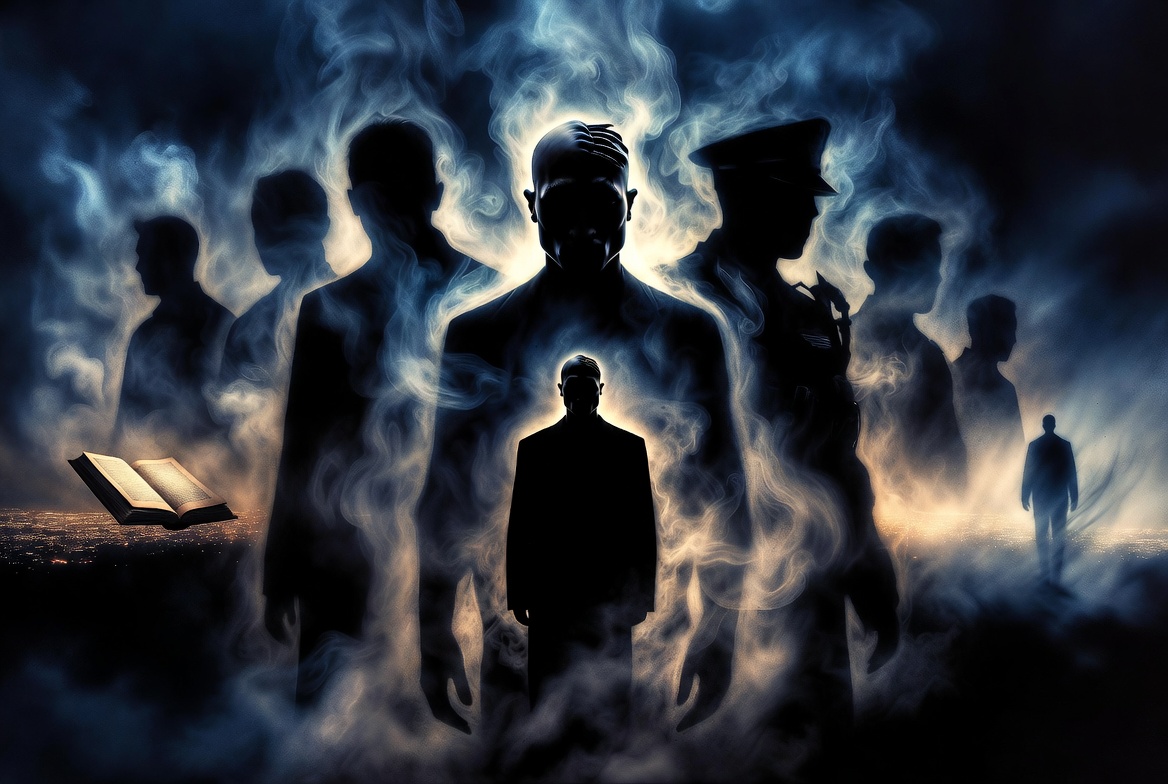
The rumors that never died
Thirty years of theories, contracts, and conspiracy — none proven in court

What the Evidence Currently Shows

Prosecutors will argue that the MGM beating supplied the immediate motive, that Keffe D, as a senior Crip figure, armed the car and ordered the hit, and that his own detailed admissions in the book and the 2008 interview prove it. The gun and the Cadillac were never recovered. Most of the other participants are dead. The defense will attack the reliability of those statements, the decades-long delay, and any suggestion of a broader conspiracy.

The East Coast–West Coast rivalry and the Bloods–Crips tensions of the mid-1990s form the combustible backdrop. "Hit 'Em Up" had poured gasoline on already burning tensions. The streets were primed for violence. The MGM lobby provided the spark.

After reading the court filings, the books, the interviews, the grand jury material that has surfaced, and the decades of reporting, here is what the weight of the available information points toward:

The shooting was carried out by the men in that white Cadillac. Keffe D was the organizer who put the plan and the weapon in motion as direct retaliation for the public beating of his nephew. Orlando Anderson was the most commonly named shooter in Keffe D's earlier accounts; later testimony has also pointed at Deandrae Smith. Either way, the trigger was pulled from the back seat of that car in a classic street payback.

The claim that Sean Combs put up a million-dollar contract is serious hearsay that has circulated for years, rooted in Keffe D's own statements to law enforcement. It cannot be dismissed lightly because the source is the same man now on trial, and the East–West feud was real and vicious. But it remains unproven. Combs has never been charged, Las Vegas authorities have never publicly named him a suspect, and even Keffe D has, in more recent comments, walked back or softened the implication that Combs actually caused the killing. Without independent corroboration that has withstood scrutiny, the $1 million bounty stays in the realm of powerful rumor rather than established fact.

The simplest, most evidence-supported explanation is still the one the streets understood first: you beat one of ours in public, we answer. The rap war and the alleged financial incentive may have added fuel and bravado, but the core was gang retaliation carried out by Crips who felt disrespected.

By the Numbers: The Catalog He Left Behind

Whatever the verdict, the body of work stands on its own. In a recording career that lasted roughly five years, Tupac left behind one of the largest and most-argued-over catalogs in music history.
700+Songs Recorded
11Studio Albums (4 Lifetime, 7 Posthumous)
75M+Records Sold Worldwide
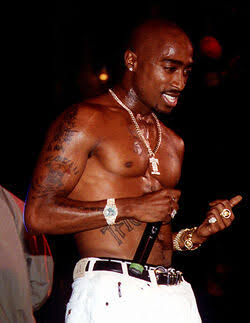
Tupac performing on stage
On stage, at the height of his recording career
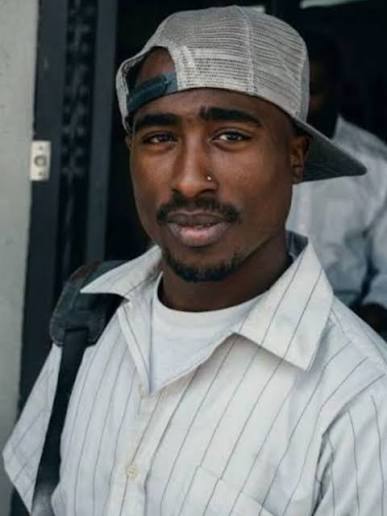
Tupac in Poetic Justice, 1993
As Lucky in "Poetic Justice," 1993

Music was only half of it. Tupac was building a genuine acting career at the time of his death — he appeared in seven feature films (Nothing But Trouble, Juice, Poetic Justice, Above the Rim, Bullet, Gridlock'd, and Gang Related, the last released posthumously) plus two television episodes, moving from a breakout villain turn in Juice to a gentler leading-man role opposite Janet Jackson just a year later. Directors and co-stars who worked with him have said for thirty years that the film career was still just getting started.

The Poet Behind the Rapper

Before he was Makaveli, before he signed to Death Row, Tupac was a teenager writing poetry — much of it composed in the mid-1980s while he studied at the Baltimore School for the Arts, long before a record deal existed. That handwritten collection was eventually published in 1999 as The Rose That Grew from Concrete, and it remains the clearest window into who he was before the industry got hold of him: tender, self-aware, wrestling openly with love, poverty, race, and his own contradictions in a way the album cuts rarely allowed. His poems belong to his estate, so we won't reprint them here — but the collection is still in print and worth reading in full.

In that spirit, here's a short original piece written for this feature, in tribute to the voice he left behind rather than a copy of it:

Concrete Rose, Revisited · an original tribute

They said the crack in the sidewalk
was no place for anything green to reach for light —
but the rose never read the report,
it just kept climbing anyway.

Thirty years under the same grey slab,
and the root is still arguing with the concrete,
still asking the courtroom
what it never got to ask the street.

— Written for Bahama Drama, in tribute to Tupac Shakur's "The Rose That Grew from Concrete"

Tupac deserved better than to become a permanent open case. He deserved to grow old, to keep making music that forced the world to listen, to keep evolving as the thinker and the fighter he was. The trial of Keffe D will not bring him back. It may not even answer every lingering question. But after thirty years of silence, myths, and half-truths, it is finally forcing the story into the light of a courtroom.

Whether the jury convicts or acquits, the culture will keep arguing. That is the nature of legends. Makaveli understood power, perception, and the long game. The real Tupac understood something deeper: that the truth, once spoken clearly enough, has a way of outliving the people who try to bury it.

The trial begins next week. The world will be watching. And somewhere, the music still plays.
Bahama Drama · Case File Closed Pending Verdict
0 0 votes
Article Rating
Subscribe
Notify of
guest
0 Comments
Inline Feedbacks
View all comments
Bahama Drama seal
Case File — Clark County, NVTrial Begins Aug 10, 2026

Bahama Drama · Deep Dive

Makaveli's Shadow Falls on the Courtroom

The 30-year mystery of Tupac Shakur's murder finally goes to trial — the men in the white Cadillac, the rumors that never died, and what the evidence actually shows.

Nearly three decades after the world lost one of its purest poetic warriors, the air in a Clark County courtroom is thick with the weight of unfinished business. Duane "Keffe D" Davis, 63, the last living man tied directly to the white Cadillac that rolled up on a black BMW on the night of September 7, 1996, is set to stand trial beginning August 10. He is charged with murder with a deadly weapon enhanced by gang intent for orchestrating the drive-by that stole Tupac Amaru Shakur from us and wounded Marion "Suge" Knight.

Davis has pleaded not guilty. Prosecutors say he was the shot-caller who supplied the .40-caliber Glock and directed the retaliation. The case rests heavily on his own words — his 2019 memoir Compton Street Legend, a 2008 police interview now ruled admissible, and years of public statements. The trial is expected to last four to six weeks. Suge Knight himself appears on the prosecution's witness list.

This is not just another cold-case revival. This is the moment the streets, the culture, and history itself have been waiting for. And if you love Tupac the way so many of us still do — with that deep, almost familial reverence for the man who made pain sound like prophecy — you will not be able to look away.

The Man Who Became Makaveli

Niccolo Machiavelli, 16th-century portrait

Before the bullets, before the theories, before the endless speculation, there was the artist. Tupac Shakur was a supernova of talent, rage, tenderness, and intellect. He rapped like he was living every line in real time. He acted with the same raw electricity. He spoke for the forgotten, the angry, the hopeful. He was a mega superstar who never forgot where he came from, even as the industry and the streets tried to claim pieces of him.

In prison in 1995, he read Niccolò Machiavelli, the Italian diplomat, political thinker, and writer who lived from 1469 to 1527. Machiavelli's most famous work, The Prince (written around 1513), was practical advice for rulers navigating a fractured, dangerous Italy of competing city-states, foreign invasions, betrayal, and sudden shifts in power. Machiavelli argued that a leader must deal with the world as it is, not as idealists wish it to be. He believed it was safer to be feared than loved if one could not be both, that a ruler should appear virtuous even when necessity demanded otherwise, and that skill, courage, and decisiveness — virtù — could shape fortune. He never wrote the exact phrase "the ends justify the means," but the idea that successful preservation of power sometimes requires hard choices is what readers took from him.

"I idolize that type of thinking — where you do whatever's necessary to achieve your goal."

Tupac absorbed that cold-eyed realism. Upon his release he became Makaveli. Not because he idolized cruelty, but because he recognized the same game of power, loyalty, betrayal, and survival playing out in the music industry and on the streets. The name was a declaration: he would no longer play by anyone else's rules. His posthumous album The Don Killuminati: The 7 Day Theory, released under the Makaveli moniker, became both artistic statement and mythic fuel. Some even twisted the name into "proof" that he had staged his own death the way some legends claimed Machiavelli had, ready to return and outmaneuver his enemies.

That myth is part of why this case still grips us. Tupac was larger than life while he lived. In death he became legend.

The Night Everything Changed

September 7, 1996. Mike Tyson versus Bruce Seldon at the MGM Grand Garden Arena for the WBA heavyweight title. Tyson ended it in the first round with a knockout. Tupac and Suge were there, front and center. After the fight, as the crowd spilled into the casino and lobby, the night turned.

Surveillance cameras captured what happened next near the elevators. Tupac, Suge, and their Death Row-affiliated entourage confronted Orlando "Baby Lane" Anderson, a young South Side Compton Crip. The motive stretched back months: Anderson and others had allegedly tried to snatch a Death Row chain at a Lakewood mall from an associate of Suge's. The beating was swift, brutal, and public. Anderson was punched, kicked, and left on the ground. Hotel security eventually intervened. No police report was filed that night. Anderson declined medical attention and refused to cooperate.

MGM Grand security camera footage, September 7, 1996

Hours later, around 11:15 p.m., Suge was driving a black BMW 750iL east on Flamingo Road near Koval Lane, just off the Strip. Tupac rode in the passenger seat. They had left Club 662, a spot connected to Suge. A white Cadillac pulled alongside at a red light. Words were exchanged. Then gunfire. Four .40-caliber rounds struck Tupac — chest, arm, thigh. Suge was grazed by a fragment. The Cadillac sped off. Tupac was rushed to University Medical Center. He fought for six days. On September 13, 1996, at 4:03 p.m., the 25-year-old was gone.

The Five Men at the Center

The Independent and other reporting have zeroed in on five central figures whose lives collided that night and whose fates still shape the mystery.

Duane Keffe D Davis
Subject 01 · The Defendant

Duane "Keffe D" Davis

On Trial · Living

The only one still alive and now on trial. A South Side Compton Crips figure and Anderson's uncle. In his book and interviews he placed himself in the front passenger seat of the Cadillac, admitted obtaining the Glock and tossing it into the back seat, and described himself as the on-scene commander who ordered the response to the earlier disrespect. Prosecutors call him the orchestrator.

Tupac Shakur
Subject 02 · The Victim

Tupac Shakur

Deceased 1996

The victim whose light still burns. The artist, the thinker, the voice of a generation. His death at 25 froze him in mythic status while leaving a hole that no verdict can fully fill.

Marion Suge Knight
Subject 03 · The Driver

Marion "Suge" Knight

Incarcerated · Living

Driving the BMW. Co-founder of Death Row, the label that had bailed Tupac out and signed him. Grazed by a bullet fragment. Survived. Now serving a long prison sentence for a later voluntary manslaughter conviction. One of the few remaining living witnesses to the shooting itself.

Orlando Baby Lane Anderson
Subject 04 · The Nephew

Orlando "Baby Lane" Anderson

Deceased 1998

The man beaten in the MGM lobby. Long identified by authorities and by Keffe D's own early accounts as the primary suspected shooter who leaned out and fired. Never charged. Denied involvement. Killed in an unrelated Compton gang shooting in 1998.

Deandrae Big Dre Smith
Subject 05 · Back Seat

Deandrae "Big Dre" Smith

Deceased 2004

In the back seat next to Anderson. Grand jury testimony later suggested he may have been the one who actually pulled the trigger after Anderson could not get a clear shot, then let Anderson take the "glory." Died of natural causes in 2004.

A sixth name often surfaces: Terrence "T-Brown" Brown, the alleged driver of the Cadillac. He was killed in a 2015 shooting in Compton. All the men in that white car except Keffe D are dead.

The Rumors That Never Died

The streets have never been quiet about this. For thirty years the theories have circulated like smoke:

That Sean "Puffy" Combs, then the rising power at Bad Boy Records and locked in the bitter East Coast–West Coast war with Death Row, put out a $1 million contract on Tupac and Suge. Keffe D himself told investigators in 2008 and later repeated variations of the claim: that Combs had said he would "give anything" for their heads after Tupac's scorching diss track "Hit 'Em Up," and that half the alleged bounty went unpaid because Suge survived. Combs has always and forcefully denied any involvement. No charges have ever been filed against him in connection with the murder.

That Biggie Smalls paid for the hit or supplied a gun — a theory Biggie's family and camp have long rejected. That Suge himself arranged the shooting, either because Tupac was planning to leave Death Row or as part of a larger power struggle; Suge has claimed at times that he was the real target. That police, corrupt officers, or forces tied to Tupac's Black Panther family history were involved. And the most persistent street myth of all: that Tupac is still alive, that he faked his death inspired by the Machiavelli lore of strategic resurrection, and is living somewhere under a new identity. Sightings, grainy videos, and endless online debates keep the idea breathing even as the medical facts and the trial move forward.

These rumors are not courtroom evidence. They are the folklore of a culture that refused to accept that its brightest flame could be extinguished so casually by a simple gang retaliation. They are also the reason this case refuses to die.

The rumors that never died
Thirty years of theories, contracts, and conspiracy — none proven in court

What the Evidence Currently Shows

Prosecutors will argue that the MGM beating supplied the immediate motive, that Keffe D, as a senior Crip figure, armed the car and ordered the hit, and that his own detailed admissions in the book and the 2008 interview prove it. The gun and the Cadillac were never recovered. Most of the other participants are dead. The defense will attack the reliability of those statements, the decades-long delay, and any suggestion of a broader conspiracy.

The East Coast–West Coast rivalry and the Bloods–Crips tensions of the mid-1990s form the combustible backdrop. "Hit 'Em Up" had poured gasoline on already burning tensions. The streets were primed for violence. The MGM lobby provided the spark.

After reading the court filings, the books, the interviews, the grand jury material that has surfaced, and the decades of reporting, here is what the weight of the available information points toward:

The shooting was carried out by the men in that white Cadillac. Keffe D was the organizer who put the plan and the weapon in motion as direct retaliation for the public beating of his nephew. Orlando Anderson was the most commonly named shooter in Keffe D's earlier accounts; later testimony has also pointed at Deandrae Smith. Either way, the trigger was pulled from the back seat of that car in a classic street payback.

The claim that Sean Combs put up a million-dollar contract is serious hearsay that has circulated for years, rooted in Keffe D's own statements to law enforcement. It cannot be dismissed lightly because the source is the same man now on trial, and the East–West feud was real and vicious. But it remains unproven. Combs has never been charged, Las Vegas authorities have never publicly named him a suspect, and even Keffe D has, in more recent comments, walked back or softened the implication that Combs actually caused the killing. Without independent corroboration that has withstood scrutiny, the $1 million bounty stays in the realm of powerful rumor rather than established fact.

The simplest, most evidence-supported explanation is still the one the streets understood first: you beat one of ours in public, we answer. The rap war and the alleged financial incentive may have added fuel and bravado, but the core was gang retaliation carried out by Crips who felt disrespected.

By the Numbers: The Catalog He Left Behind

Whatever the verdict, the body of work stands on its own. In a recording career that lasted roughly five years, Tupac left behind one of the largest and most-argued-over catalogs in music history.

700+Songs Recorded
11Studio Albums (4 Lifetime, 7 Posthumous)
75M+Records Sold Worldwide
Tupac performing on stage
On stage, at the height of his recording career
Tupac in Poetic Justice, 1993
As Lucky in "Poetic Justice," 1993

Music was only half of it. Tupac was building a genuine acting career at the time of his death — he appeared in seven feature films (Nothing But Trouble, Juice, Poetic Justice, Above the Rim, Bullet, Gridlock'd, and Gang Related, the last released posthumously) plus two television episodes, moving from a breakout villain turn in Juice to a gentler leading-man role opposite Janet Jackson just a year later. Directors and co-stars who worked with him have said for thirty years that the film career was still just getting started.

The Poet Behind the Rapper

Before he was Makaveli, before he signed to Death Row, Tupac was a teenager writing poetry — much of it composed in the mid-1980s while he studied at the Baltimore School for the Arts, long before a record deal existed. That handwritten collection was eventually published in 1999 as The Rose That Grew from Concrete, and it remains the clearest window into who he was before the industry got hold of him: tender, self-aware, wrestling openly with love, poverty, race, and his own contradictions in a way the album cuts rarely allowed. His poems belong to his estate, so we won't reprint them here — but the collection is still in print and worth reading in full.

In that spirit, here's a short original piece written for this feature, in tribute to the voice he left behind rather than a copy of it:

Concrete Rose, Revisited · an original tribute

They said the crack in the sidewalk
was no place for anything green to reach for light —
but the rose never read the report,
it just kept climbing anyway.

Thirty years under the same grey slab,
and the root is still arguing with the concrete,
still asking the courtroom
what it never got to ask the street.

— Written for Bahama Drama, in tribute to Tupac Shakur's "The Rose That Grew from Concrete"

Tupac deserved better than to become a permanent open case. He deserved to grow old, to keep making music that forced the world to listen, to keep evolving as the thinker and the fighter he was. The trial of Keffe D will not bring him back. It may not even answer every lingering question. But after thirty years of silence, myths, and half-truths, it is finally forcing the story into the light of a courtroom.

Whether the jury convicts or acquits, the culture will keep arguing. That is the nature of legends. Makaveli understood power, perception, and the long game. The real Tupac understood something deeper: that the truth, once spoken clearly enough, has a way of outliving the people who try to bury it.

The trial begins next week. The world will be watching. And somewhere, the music still plays.

Bahama Drama · Case File Closed Pending Verdict