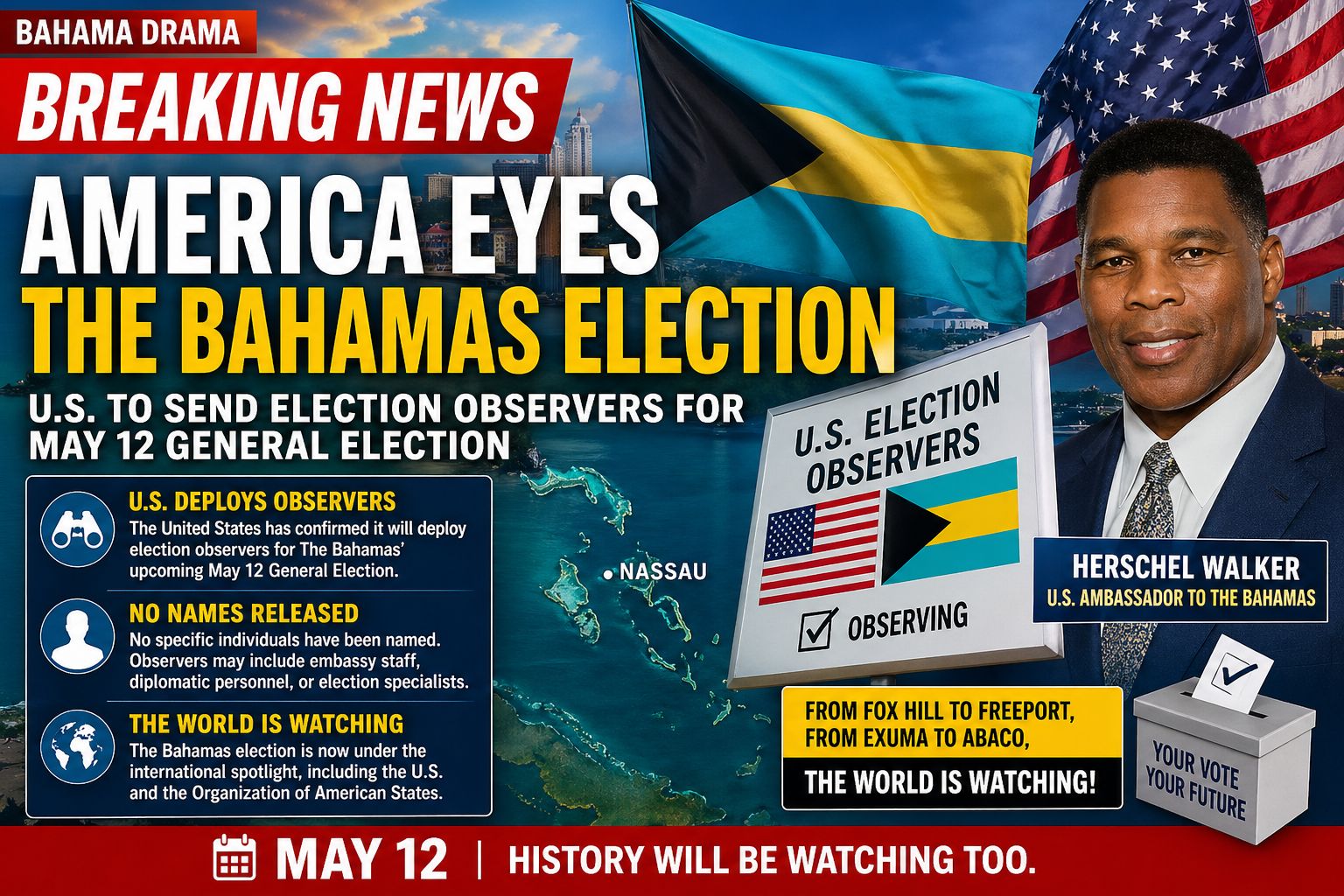
NASSAU, BAHAMAS — In a move sending political shockwaves across the islands, the United States has officially confirmed it plans to deploy election observers for the upcoming May 12 General Election in The Bahamas. The international spotlight is now fixed on this nation’s democratic process as the race for power intensifies.
This is no ordinary development.
When one of the world’s most powerful nations announces it will observe an election in a neighboring democracy, it signals that the stakes are high, the world is watching, and confidence in the process matters more than ever.
According to reports, the observers are expected to come through the U.S. Embassy in Nassau, with officials accredited by Bahamian election authorities. The United States said it regularly supports open, transparent, and competitive democratic elections around the world.
So Who Is Coming From America?
At this time, no specific individual observer has been publicly named.
The U.S. government has announced the mission, but it has not released the names of the actual officials who will be deployed. That means the observers may be embassy staff, diplomatic personnel, or accredited election specialists assigned closer to polling day.
Big Name Already in The Bahamas
The current U.S. Ambassador to The Bahamas is Herschel Walker, though reports did not say he personally would serve as an election observer. His presence alone adds another layer of significance to the moment, as Washington’s top representative is already stationed in Nassau.
Why This Matters
This means The Bahamas election is no longer just a local political battle. It is now an event being watched by international partners, including the United States and the Organization of American States. Transparency, voter confidence, ballot integrity, and public trust are now front and center.
Bahama Drama Take
From Fox Hill to Freeport, from Exuma to Abaco, voters now know the world is watching. Every ballot cast, every line formed, every count completed will carry added weight.
On May 12, it will not only be Bahamians judging the future.
I asked God this morning as I was still laying down in my bed, and listening to the birds outside of my door communicating with others of its kind. I asked God what was the meaning of this sound and why did he create all of these animals on this planet?
And the most high said to me, ” I created them so you wouldn’t feel lonely on this planet.”
All of a sudden the birds sound sounded even sweeter to my ears, as I laid back in my bed thinking things.
Good afternoon Bahama Drama please keep me anonymous. I was crabbing in the deep woods in Abaco yesterday feeling kinda heart broken because my girlfriend had not to long broke up with me. Suddenly I started hearing singing in the woods coming closer and closer to me but she was singing in a language that I have never heard before so I decided to duck down and take my phone out of my pocket just in case it’s Dem Haitian’s in the bush but it didn’t sound like no Haitian Creole the kind that I was used to hearing growing up in Abaco. So y’all ain’t gah believe me this is what I saw.
I was going to run away until I saw her whole body and she saw me to and smiled at me.
A long story short I think that I might have a strange baby on the way after this election.
Now I can’t stop going back into the deep woods looking for Crabs.
The Crown Watches Quietly Over The Bahamas Election
By: Michael Elijah Muhammad Clare
A single diplomatic statement has stirred conversation across the islands and reopened old memories tied to power, politics, and history.
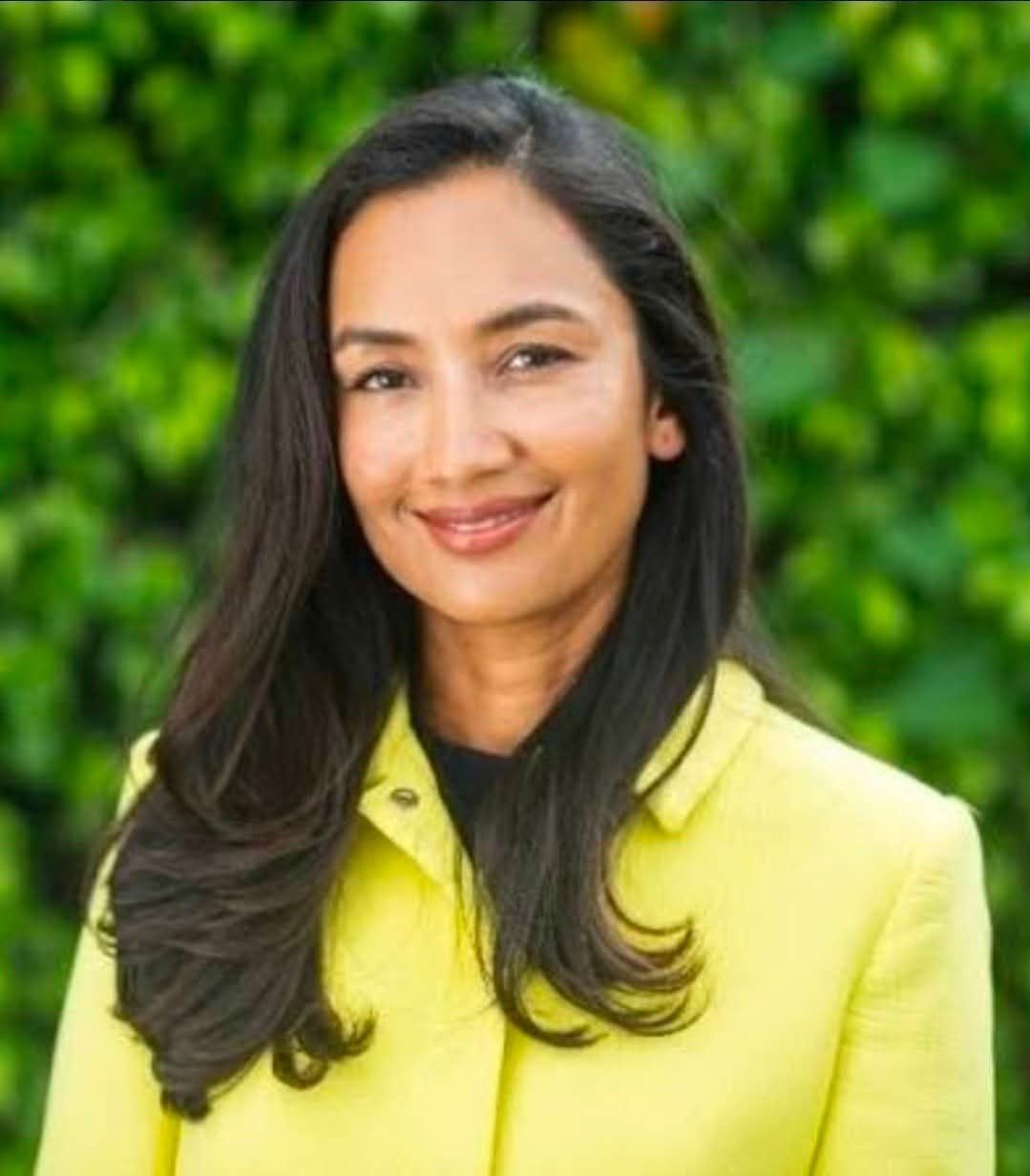
British High Commissioner H.E. Smita Rossetti announced that she is delighted to support the 2026 General Election as an international observer. She also stated that election observation matters in all countries and emphasized the value of the relationship between The Bahamas and the United Kingdom through the Commonwealth.
Those words may sound simple on the surface, but in an election season, simple words can carry heavy meaning.
For many Bahamians, it is just another example of normal international cooperation. Election observers are commonly invited around the world to monitor voting, assess transparency, and help strengthen public confidence in democratic systems.
But for others, the image is far deeper.
The former colonial power expressing interest in observing a modern Bahamian election is the kind of headline that instantly awakens history. It reminds many that while The Bahamas became independent in 1973, some relationships never fully disappear. They simply evolve.
No one is suggesting Britain will control the vote.
No one is claiming ballots will be counted in London.
No one is saying sovereignty is under threat.
Yet symbolism matters in politics, and symbols often move faster than facts.
That is why this story has captured attention.
Observers do not choose governments.
They do not campaign.
They do not remove leaders.
Their purpose is to witness the process, report on standards, and help reassure the public that rules are being followed fairly.
In times of strong public trust, observers pass quietly through the background.
In times of doubt, they become central figures.
And 2026 is shaping up to be an election where confidence itself may be one of the biggest issues on the ballot.
Across kitchen tables, street corners, docks, offices, and bars, Bahamians are debating jobs, inflation, crime, development, immigration, opportunity, and leadership. Every party is fighting to define the future. Every voter is weighing promises against reality.
Into that atmosphere comes the quiet presence of international eyes.
Some will welcome it.
Some will question it.
Some will barely notice.
But one truth remains unchanged.
The destiny of The Bahamas will not be decided by diplomats, observers, or foreign missions.
It will be decided by Bahamian hands placing Bahamian ballots into Bahamian boxes.
That is the real power.
That is the real story.
And that is why, no matter who watches, the final decision still belongs to the people.
When Bahamians hear the name Higgs, they hear steadiness, intelligence, and a surname carried by people who know how to hold firm while thinking clearly. It is a name recognized across generations, associated with families who combine practicality with inner strength. The Higgs bloodline has long been known for its quiet power, the ability to remain centered when the world around them shifts.
Before Slavery – Original Roots
The roots of Higgs reach deep into the soil of medieval England. It is a patronymic surname, born from the old personal name Hick or Higg, itself a familiar diminutive of Richard. The name Richard, brought to England by the Normans after 1066, carries powerful Germanic elements: ric meaning power or rule, and hard meaning hardy, brave, and strong. In its essence, Higgs speaks of the son of the brave ruler or descendant of the strong one.
Early bearers of the name appear in records from Norfolk and other English counties as far back as the 13th century. Like many enduring English surnames, it emerged from the everyday life of farmers, tradesmen, and small landholders, people who worked the land, built communities, and passed down names through generations of labor and continuity. The Higgs of old England were known for resilience and a grounded presence, traits that would travel far beyond their original shores.
How the Name Reached The Bahamas
The Higgs surname arrived in The Bahamas through the complex currents of Atlantic history, colonial settlement, maritime trade, Loyalist migrations, and the movement of people seeking new opportunities in the islands. One of the earliest documented patriarchs is Captain Samuel Higgs Sr., born around 1756, likely on Harbour Island or nearby Eleuthera. He stands as a foundational figure whose descendants spread across the Bahamian archipelago.
Whether through early settlers, seafarers, or those connected to the expanding colonial economy, the name took root in the rocky soil and turquoise waters of the islands. Once here, it was no longer just an English import. It became Bahamian.
African Survival and Bloodline Joining
Enslaved Africans, forcibly brought to these islands and stripped of their original names, survived the unimaginable. Through bondage, exclusion, and daily resistance, they endured. Many took on or were assigned surnames like Higgs from the households or plantations where they labored. After emancipation, they claimed these names as their own and infused them with new meaning.
African descendants, through unbreakable faith, relentless work, cultural endurance, and fierce devotion to family, rebuilt lives and futures. They transformed inherited surnames into badges of dignity and identity. The Higgs name, once carried by English ancestors, became part of a powerful Bahamian story of survival and renewal. In the bloodlines of Higgs today flows the resilience of both the hardy English root and the unyielding spirit of African forebears who refused to be erased.
Emancipation to Nation Building
From the post-emancipation era onward, Higgs families became integral to the fabric of Bahamian life. They worked the land, sailed the seas, built homes and businesses, taught in schools, led in churches, and served their communities with quiet dedication. Some rose to prominence in law, education, culture, journalism, and public life.
Notable bearers include:
Godfrey Walter Higgs, a pre-eminent Bahamian attorney whose firm Higgs and Johnson, established in 1948, became one of the most respected legal practices in the nation.
Helen Burns Higgs, writer, journalist, and botanical illustrator who beautifully documented Bahamian culture, herbs, and traditions.
Blake Alphonso Higgs, better known as Blind Blake, the legendary goombay and calypso performer considered the Father of Bahamian Music, whose voice and rhythms captured the soul of the islands.
Dr. Jacinta Higgs, community organizer, cultural activist, and philanthropist deeply rooted in Fox Hill and beyond.
Many more Higgs families contributed in less public ways as skilled tradespeople, teachers, ministers, farmers, fishers, and steadfast parents, helping shape a modern, independent Bahamas.
The Shared Gift of the Bloodline
The gift that flows most strongly through the Higgs bloodline is centered strength, the rare ability to stay grounded and clear-minded when emotions surge or storms gather.
Higgs people are often the ones who restore calm in turbulent times. They think carefully under pressure, weigh options with wisdom, and provide steady shelter for others. This is not cold detachment or indecision. It is strength guided by proportion, intelligence, and inner balance. In family life, they are frequently the quiet anchors, the ones who listen deeply, decide fairly, and keep everyone moving forward together.
This centered quality has helped generations of Higgs families endure hardship, seize opportunities, and advance their children. A stable mind becomes a refuge. Calm judgment becomes a form of quiet power.
Message to Present-Day Families
If Higgs is your name, you carry more than letters on a page. You carry the legacy of brave rulers and hardy survivors, of English roots that crossed oceans and African ancestors who turned survival into triumph. You descend from captains, attorneys, artists, musicians, educators, and everyday builders who helped birth a nation.
Your bloodline teaches that true power often looks like steadiness. That wisdom is not loud, but it endures. That balance is not weakness, it is the foundation upon which strong families, strong communities, and strong futures are built.
Your surname is not only established.
It is centered.
You come from people who knew that calm judgment is a form of power, and that a centered spirit can steady the world around it.
GUNFIRE AT THE GALA: INSIDE THE NIGHT POWER FLINCHED
By: Michael Elijah Muhammad Clare
Washington came dressed for theater.
Black ties. Polished smiles. Cameras waiting for rehearsed jokes and carefully measured laughter. The kind of night where power relaxes just enough to pretend it is human.
And then the illusion shattered.
A crack split the air.
Not applause. Not a dropped glass. Something colder. Sharper. Final.
For a fraction of a second, no one moved. That dangerous pause where the brain refuses to accept what the ears already know.
Then came the second shot.
And the room broke.
Chairs scraped. Glass shattered. Conversations dissolved into panic. The ballroom, packed with political elites, media figures, and those who orbit power for a living, transformed instantly into a scene no one had prepared for publicly but everyone had feared privately.
People dropped low. Some crawled. Others froze.
But beneath the chaos, something else was happening.
Precision.
Because while the room panicked, the system did not.
Security moved fast, not loud, not dramatic, just efficient. The kind of movement trained in silence, built for moments exactly like this. The President was surrounded, shielded, and removed in seconds that felt like minutes to everyone watching. No hesitation. No confusion. Just execution.
Outside the ballroom, the threat had already been moving.
The gunman was not improvising. He came prepared, assembling his weapon before making his move, exploiting a gap that should not have existed. That is the detail that lingers, the one that refuses to sit quietly.
At one of the most secured events in the world, there was space.
Enough space to prepare. Enough space to act.
And for a brief moment, enough space to get close.
He fired. Security engaged. One agent took a hit but survived, a reminder that even the best systems rely on human bodies standing in the way.
The attacker was subdued. Alive. Contained.
But the damage was already done, not just in gunfire, but in perception.
Because nights like this are not just about survival. They are about exposure.
The uncomfortable questions began forming before the room was even cleared.
How does someone get that close?
How does preparation happen unnoticed?
And more importantly, what else goes unseen until it is too late?
By morning, the narrative had already begun to shift. Statements were made. Confidence was projected. Strength was emphasized.
But beneath the surface, something had cracked.
Not security itself, but the belief in its perfection.
Because power depends on control.
And for a few seconds in a ballroom filled with the most watched people in the world, control slipped.
Not completely. Not catastrophically.
But enough.
Enough to remind everyone in that room that the distance between order and chaos is not as wide as it looks under chandeliers and camera lights.
Enough to prove that even the most protected spaces can still be touched.
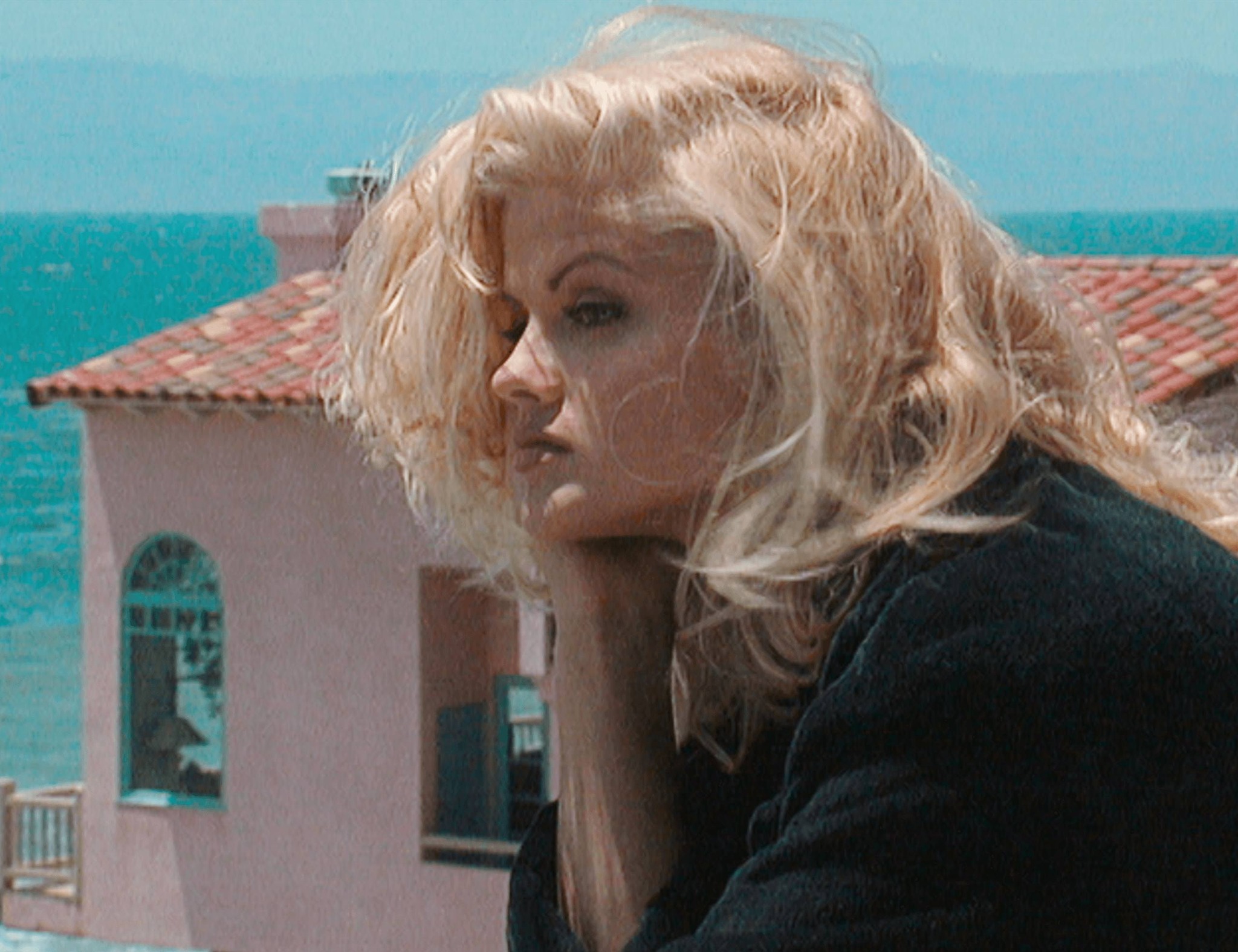
Whatever Happened to Anna Nicole’s Daughter That Was Born at Doctors Hospital in The Bahamas and Where is She Now?
The story of Anna Nicole Smith is often remembered as a Hollywood tragedy, but in the heart of the Caribbean, it is a story of birthright and a young woman’s quiet reclamation of her heritage. While the world watched the media frenzy at Doctors Hospital in Nassau, a legacy was being born that would eventually come full circle.
A Bahamian by Birth
The most defining fact of her identity is that Dannielynn Birkhead (born Hannah Rose Marshall Stern) is Bahamian by birth. Born on September 7, 2006, in Nassau, her arrival was marked by both immense joy and profound sadness following the passing of her brother, Daniel, just days later.
Despite being raised in the United States, Dannielynn has never severed her ties to the islands. Upon turning 18, she reportedly exercised her legal right as a person born on Bahamian soil to parents who were legal residents at the time. Through her legal team, she secretly applied for her Bahamian citizenship, ensuring that her connection to the 242 is not just a matter of history, but a formal legal status. This move signals her desire to maintain her roots in the place where her story began.
Where is She Now?
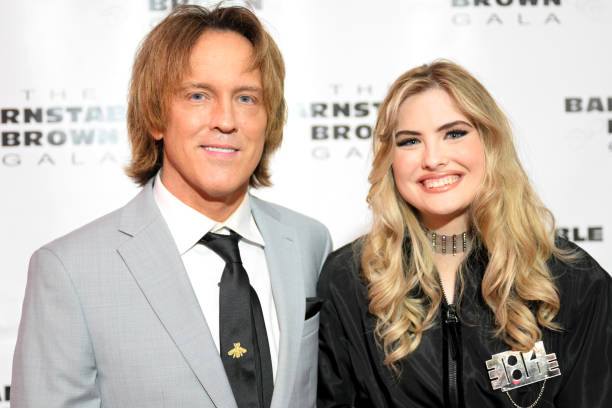
As of April 2026, Dannielynn is 19 years old. For nearly two decades, her father, Larry Birkhead, intentionally raised her in Louisville, Kentucky, far from the predatory lenses of Los Angeles. This protective upbringing has resulted in a young woman who is grounded, private, and intellectually driven.
Academic Life: Dannielynn is currently a college student pursuing a double major in Forensic Science and Japanese Studies. Her interest in forensics is a poignant choice, reflecting a desire to understand the complexities of life and science, perhaps a subtle nod to her family’s highly scrutinized medical history.
The Spotlight: While she has spent most of her life out of the limelight, she has recently begun dipping her toes into modeling and acting. Rather than being thrust into it, she is approaching the industry on her own terms, often appearing at the annual Kentucky Derby in custom tributes to her mother’s iconic style.
Lifestyle: She remains notoriously private, staying off public social media to maintain a sense of normalcy.
She and her father continue to visit The Bahamas to honor her mother’s memory, keeping the bond with Nassau alive.
The Verdict:
The Return of the Island Daughter
Dannielynn Birkhead is no longer just “the baby from the headlines.” She is a Bahamian woman who has successfully balanced a chaotic past with a structured, promising future.
By securing her citizenship and focusing on her education, she has proven that the talent and resilience of The Bahamas are very much alive in her.
Whether she eventually returns to the islands to live or continues her rise in the U.S., she remains a permanent part of The Bahamian story, a star born in Nassau who is finally shining on her own terms.
Page Reply:
Bahama Drama wishes Anna Nicole’s daughter as a now Bahamian woman, all the best. Because her mother loved The Bahamas, where her daughter’s roots were born from, for more than just spiritual strength, and Devine protection. She loved it because, God himself walks these islands and she felt him…


![My Abaco love
Good afternoon @[100023394293756:2048:Bahama Drama] please keep me anonymous. I was crabbing in the deep woods in Abaco yesterday feeling kinda heart broken because](https://lol242.com/wp-content/uploads/bahama-drama/2026/04/1b6ad3ea96c8559576e7.jpg)