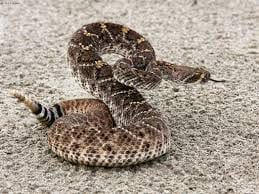
Diamondback Rattlesnakes in North Eleuthera?
Diamondback Rattlesnakes in North Eleuthera? Here’s What Residents Need to Know!
In a surprising twist that sounds like something out of a thriller, North Eleuthera Harbour Island may be facing a new potential hazard: the diamondback rattlesnake. While currently native to parts of the U.S., there’s speculation about what it would mean if these venomous reptiles became part of the island’s ecosystem. Here’s a look at what Eleuthera residents should keep in mind to stay safe, avoid dangerous encounters, and prepare for the possibility of a new neighbor slithering into town.
The Venomous Bite: Why Diamondbacks Are Dangerous
Diamondback rattlesnakes are among North America’s most dangerous snakes, packing potent venom that can cause intense pain, swelling, and severe tissue damage. The venom acts fast, with symptoms ranging from dizziness and nausea to internal bleeding and even respiratory failure in extreme cases. A bite from a diamondback is no joke and should be treated as a medical emergency.
Their trademark rattle isn’t just for show, either. When you hear that eerie rattle sound, it’s a clear warning to back off. The diamondback strikes at lightning speed, with fangs long enough to deliver venom deep into the skin.
Where They Like to Hide – And Where You Should Watch Your Step
If diamondbacks found their way to Eleuthera, you’d likely encounter them in brushy areas, tall grass, or rocky terrain. They’re drawn to places where they can find shelter and a steady food supply (think rodents or birds). So, if your yard has overgrown vegetation or scattered debris, it might be time for some yard work. Farmers, gardeners, and hikers in particular should stay alert.
Could One Sighting Mean More?
The short answer? Yes. Diamondbacks breed annually, usually in the spring or fall. A single female can give birth to 10-20 live young after a six- to seven-month gestation period. These young snakes are born venomous and ready to survive on their own, making each clutch a potential future snake population. If unchecked, even a few females could lead to rapid population growth, meaning one rattlesnake sighting could be a sign of many more to come.
What to Do if You Encounter a Diamondback
1. Keep Calm and Back Away: If you hear or see a rattlesnake, don’t panic. Slowly move away without any sudden movements.
2. Don’t Reach Into Blind Spots. Whether you’re hiking or working outdoors, avoid reaching into rocks, tall grass, or woodpiles where snakes may be hiding.
3. Snake-Proof Your Home: Seal up cracks around doors and windows, and consider snake-proof fencing if you live near areas where they might thrive.
4. Learn Basic First Aid: Residents should brush up on snakebite first aid. If bitten, staying calm and seeking immediate medical attention is essential, as antivenom is often needed.
5. Know Your Emergency Contacts: Identify the nearest clinic or hospital that stocks antivenom. Quick access to emergency care can make a big difference in the outcome of a rattlesnake bite.
Be Prepared for More Sightings in the Future
Diamondbacks are territorial, and without predators on Eleuthera, they could quickly multiply. Regular sightings could become the norm if they establish dens and continue breeding, potentially leading to clusters in certain areas.
The best advice for Eleuthera’s residents? Stay vigilant, keep your surroundings clear, and educate yourself on handling encounters. As Eleuthera adjusts to potential new wildlife, being prepared can help keep everyone safe and avoid any unwanted rattles on our beautiful island. Stay safe, Eleuthera!