Good afternoon Bahama Drama please keep me anonymous.
Good afternoon Bahama Drama please keep me anonymous.
Hey Bahama Drama I lost my girlfriend a month ago and I been going crazy. I thinking about killing my self and breaking into people houses so they can kill me. I trying not to do this but every time I is call her phone a nigga is answer and hang up her phone. I feel like I going crazy again. I feel like I going crazy. I feel like I going crazy. I going crazy some some. I love this gal for long time. I try call her mommy and daddy and dey is hangup the phone on me to telling me they going to police station to report me again. I ga kill this gal if I can’t be with her and myself. I feel like I going crazy I ain’t even do nothing to her. She acting like a hoe now liking mon for dey car. Hoes is do daylight. I have to hang myself. Bahama Drama but her she on blast for me bro. I love her doe. Why does it have to be this way. Can’t tell her to go can’t tell her to stay saty a a a. Keep me posted Bahama Drama up date the ting dem for me bro. I on one des after noon smoking dat ZZ tell my lungs fat dance in my heart. I love you girl to much change dat song plays again in da background story vs sorry girl good day good while good bye she telling me. Rose is red rose is blue I love you too. You coming missing out on a good nigga by your side forever plans big doe. I registered UB for class so lose me you stupid self a next gal UB ga steal me from you ass. Go ahead.
Page Reply:
Jesus weep. Boss seek a friend or a family member, because things will certainly get better for you if you believe it will first. And be patient, with God all things are possible believe that…

Bahama Drama — 28 August 2026

Bahama Drama — 28 August 2026

Exuma best kept secret in the Bahamas
Join in on Daily Win
Join in on Daily Win
Some days the win is small. Yesterday mine was finishing a piece of code I’d been stuck on for three days. Nobody threw a party. But I sat back and thought, that’s a win.
That’s why I built Daily Win. It’s a simple wall where you post one thing that went right for you today. No likes, no rankings, no arguing in the comments. Just wins. Yours sits on the wall for a day, shared globally, then it clears and everybody starts fresh tomorrow.
Doesn’t matter how small. You got out of bed when you didn’t want to. You passed a test. You finally called somebody back. Put it up.
What was your win today? Come drop it on the wall.
It’s a great way to start the day!
👉 lol242.com/daily-win/
Join in on Daily Win
Join in on Daily Win
Some days the win is small. Yesterday mine was finishing a piece of code I’d been stuck on for three days. Nobody threw a party. But I sat back and thought, that’s a win.
That’s why I built Daily Win. It’s a simple wall where you post one thing that went right for you today. No likes, no rankings, no arguing in the comments. Just wins. Yours sits on the wall for a day, shared globally, then it clears and everybody starts fresh tomorrow.
Doesn’t matter how small. You got out of bed when you didn’t want to. You passed a test. You finally called somebody back. Put it up.
What was your win today? Come drop it on the wall.
It’s a great way to start the day!
👉 lol242.com/daily-win/

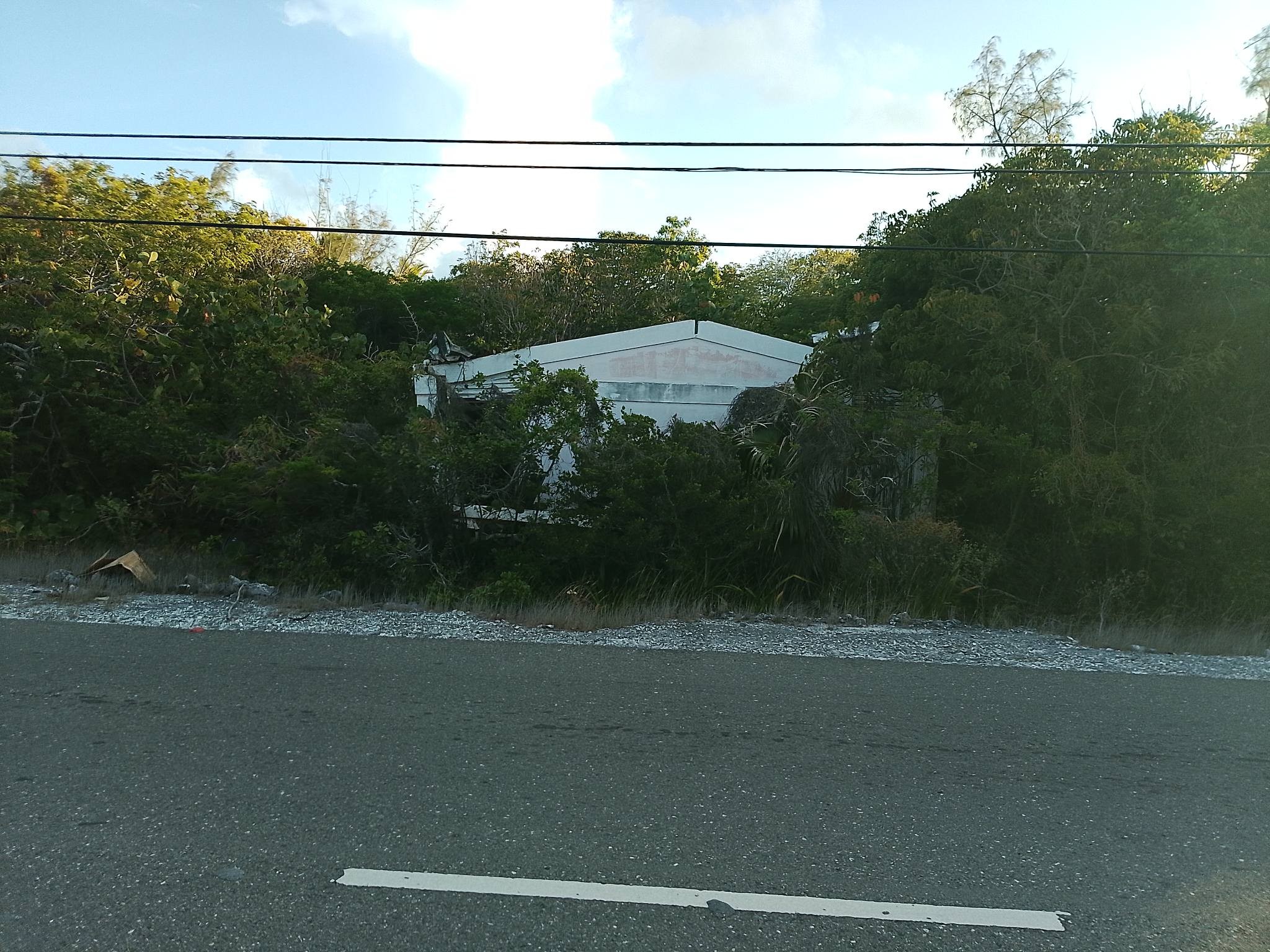
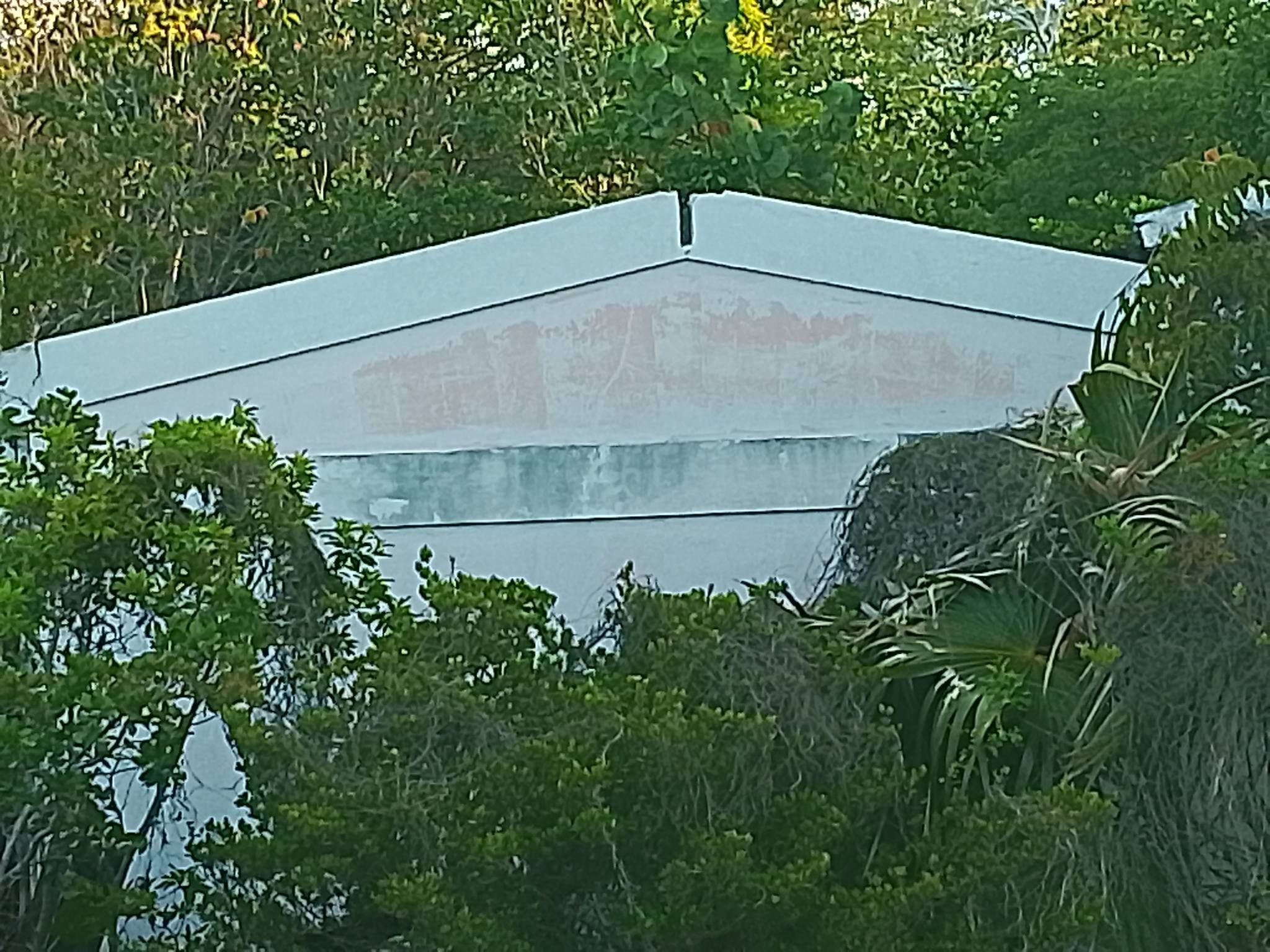
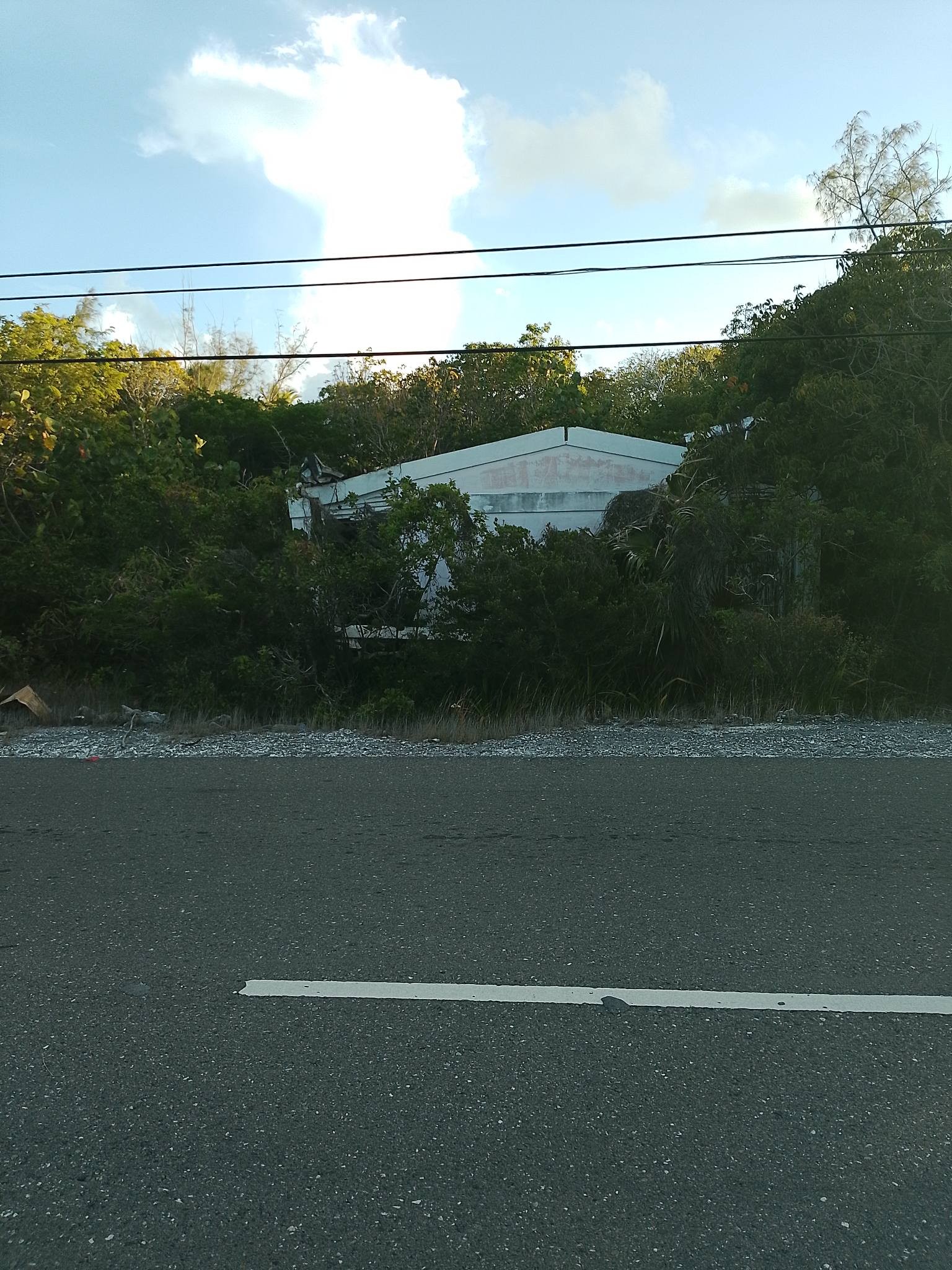
Who in Exuma knows what this building once was?
Seek the face of the Most High in your planning…
NORTH AMERICAN TRADE CROSS FIRE
NORTH AMERICAN TRADE CROSS FIRE
Researcher ✔️
Michael Elijah Muhammad Clare
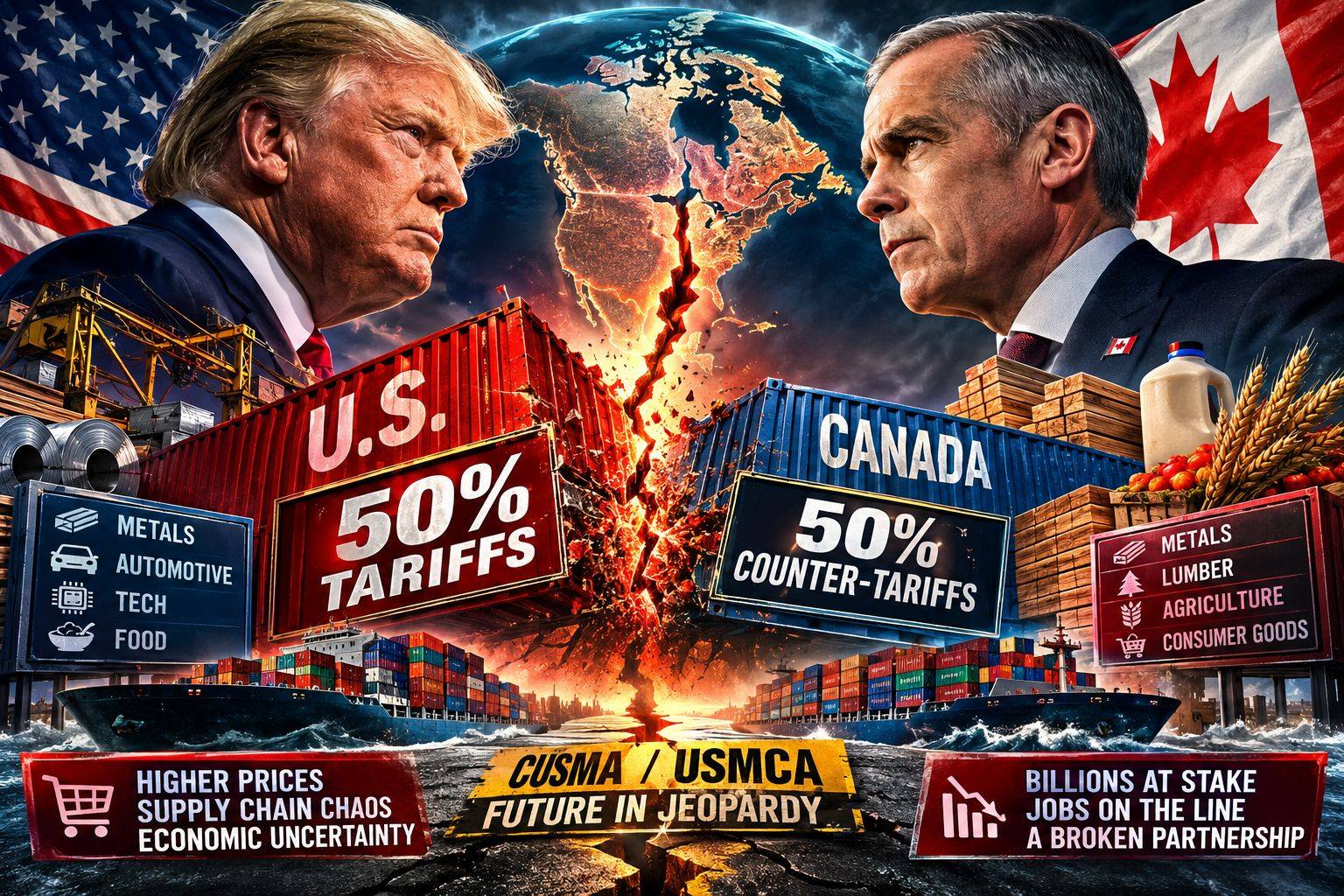
U.S. CANADA TARIFF WAR ERUPTS INTO AN ECONOMIC SHOWDOWN
What was once considered one of the world’s most stable economic partnerships is now staring into an entirely different future.
The United States and Canada have entered a dangerous new phase of their trade war, with tariffs reaching 50 percent, billions of dollars in goods caught in the crossfire, supply chains under pressure, and the future of the North American trading relationship increasingly uncertain.
This is no longer simply a disagreement over tariffs.
It is becoming a battle over economic sovereignty, industrial power and who controls the terms of one of the world’s most important trading relationships.
And the next round is already scheduled.
THE AUGUST 2026 EXPLOSION
The latest escalation came after bilateral negotiations collapsed.
Beginning August 22, the United States imposed 50 percent tariffs on approximately C$27.6 billion worth of Canadian goods. The move followed weeks of increasingly bitter negotiations between Washington and Ottawa.
Canadian Prime Minister Mark Carney responded with a message that signaled something much larger than another temporary trade dispute.
Canada would fight back.
Beginning at 12:01 a.m. on September 8, Ottawa will impose matching tariffs on approximately C$27.6 billion worth of American imports. The measures range from 15 percent to 50 percent and cover more than 700 products.
In other words:
WASHINGTON FIRES.
OTTAWA FIRES BACK.
And neither side appears willing to blink.
THE $27.6 BILLION COUNTER STRIKE
Canada’s retaliation is deliberately targeted.
Steel and aluminum.
Dairy products.
Appliances.
Agricultural equipment.
Pulp and paper.
Plastics.
Electronics.
Furniture.
Clothing and apparel.
These are not obscure products sitting on the margins of the economy. They are connected to manufacturers, farmers, retailers, construction companies and consumers on both sides of the border.
Some products will face tariffs of 15 percent.
Others will face 25 percent.
And some will face the full 50 percent.
Canada says the strategy is designed to match the American tariffs dollar for dollar while concentrating the pain on industries affected by Washington’s measures.
But there is a catch.
A tariff war can punish the country imposing the tariff just as easily as the country receiving it.
THE CONSUMER MAY BECOME THE BATTLEFIELD
Behind every tariff percentage is a price tag.
When a manufacturer pays more for imported steel, aluminum, machinery or electronic components, those costs do not simply disappear.
They can travel down the supply chain.
Eventually, someone has to pay.
Sometimes that someone is a manufacturer.
Sometimes it is a retailer.
And sometimes it is the ordinary consumer standing at a checkout counter wondering why the price went up.
That is what makes the U.S.–Canada confrontation so dangerous.
The two economies are deeply intertwined.
Automobiles and industrial components can cross the border multiple times before a finished product reaches a customer. Energy, agriculture, manufacturing and transportation are similarly connected.
A tariff imposed at the border can therefore create economic shockwaves far beyond the original shipment.
AND THEN THERE IS THE AUTOMOTIVE INDUSTRY
The automobile sector may be one of the biggest pressure points still sitting on the table.
President Donald Trump has threatened additional 50 percent duties on Canadian automotive and steel imports beginning January 1, 2027, unless a longer-term agreement can be reached.
That deadline could become the next major cliffhanger in this confrontation.
If the two countries cannot find common ground before then, another enormous round of tariffs could hit an industry whose supply chains were built around the assumption that the world’s longest undefended border would remain economically predictable.
That assumption is now being tested.
CANADA’S MESSAGE: AMERICA HAS CHANGED
Perhaps the most significant development is not the tariff percentage.
It is the change in language coming from Ottawa.
Canadian leadership has increasingly acknowledged that the old relationship cannot simply be restored by returning to yesterday’s trade rules.
Prime Minister Carney has argued that Canada must strengthen its domestic economy and diversify its trading relationships rather than remain overwhelmingly dependent on the American market.
That could represent a historic strategic shift.
For generations, Canadian businesses have operated with the United States as their dominant export destination.
Now Ottawa is accelerating efforts to develop markets in Europe, the Indo-Pacific, Latin America and elsewhere.
The message is becoming increasingly clear:
Canada does not want its economic future determined entirely by Washington.
THE CUSMA QUESTION
Then there is the agreement that was supposed to provide stability.
CUSMA, known as USMCA in the United States, was designed to establish predictable rules for North American commerce.
But the future of that framework is now surrounded by uncertainty.
The breakdown in negotiations and the continuing tariff confrontation have transformed what was once a technical trade agreement into a major geopolitical and economic question.
Businesses cannot easily plan factories, investments, hiring and supply chains when the rules governing cross-border commerce can change dramatically from one year to the next.
The longer the confrontation continues, the greater the pressure becomes for companies to rethink where they manufacture, where they source materials and where they sell their products.
THIS IS BIGGER THAN TARIFFS
The most frightening part of this confrontation may be what happens next.
A trade war can begin with percentages on a spreadsheet.
It can end with factories moving.
Suppliers disappearing.
Consumers paying more.
Workers losing hours.
Businesses abandoning long-established markets.
And governments discovering that economic weapons are much easier to deploy than they are to control.
The United States and Canada are not distant economic competitors.
They are neighbors whose economies have been fused together for decades.
That makes this confrontation uniquely dangerous.
SEPTEMBER 8: THE NEXT FLASHPOINT
On September 8, Canada’s new counter-tariffs are scheduled to take effect.
That date could become another major turning point.
Will Washington retaliate again?
Will Ottawa escalate further?
Will businesses pressure both governments to negotiate?
Will political leaders in border states and Canadian provinces demand a compromise?
Or will the tariff war continue climbing toward the January 1, 2027 automotive deadline?
Nobody knows yet.
But one thing is becoming increasingly difficult to ignore.
The North American economic relationship that existed for generations is being rewritten in real time.
And this time, the consequences may reach far beyond Washington and Ottawa.
They could reach factories in Michigan.
Farms in Saskatchewan.
Manufacturers in Ontario.
Ports in British Columbia.
Consumers across the United States.
Families across Canada.
And eventually, anyone connected to the enormous economic machine that runs across the North American continent.
THE BIG QUESTION
How far will both governments go before the cost of fighting becomes greater than the cost of making peace?
The answer may determine whether this is remembered as a temporary tariff battle…
or the moment the North American economic order permanently changed.
The countdown to September 8 has begun.